
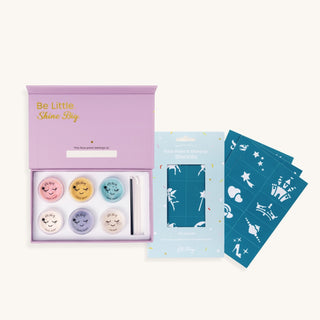
Table of Contents
- Introduction
- Direct answer
- Popsicle Beauty Club’s parent-first approach
- What meaningful brand guidance looks like
- Vague disclaimers versus useful education
- Patch testing should appear with ingredient transparency
- Age and application-area guidance still matter
- Brands should distinguish play from daily care
- Current Popsicle examples of patch-test guidance
- Product comparison
- How to evaluate a brand’s product page
- What to do when a brand gives no useful guidance
- A simple parent patch-test routine
- Brand-transparency red flags
- Common mistakes parents should avoid
- Testing on the face first
- Testing the full set together
- Testing immediately before an event
- Assuming “hypoallergenic” means reaction-proof
- Ignoring discomfort without redness
- Treating an arm test as proof of eye safety
- Sharing eye and lip products
- Introducing several daily-care products together
- Using a tolerated product to justify adultification
- Where Popsicle Beauty Club fits
- Bottom line
- FAQs
Introduction
Yes, there are kids beauty brands with patch test guidance, but the quality and detail of that guidance can vary considerably.
Some companies simply place “patch test before use” at the bottom of a product description. More helpful brands explain where parents should test the product, how much to apply, how long to observe the area, which reactions to watch for, and what to do if irritation develops.
The strongest guidance also appears alongside a complete ingredient list, clear fragrance information, age-appropriate use instructions, hygiene reminders, and practical removal directions.
That combination matters because patch testing should not replace label reading or responsible product selection. It is one tool parents can use when introducing unfamiliar skincare, makeup, hair care, adhesive gems, nail products, or fragranced personal care.
This guide explains how to identify kids beauty brands with patch test guidance that is genuinely useful rather than included only as a legal-style disclaimer. It also highlights how Popsicle Beauty Club communicates patch testing across its marketplace, product pages, FAQs, and parent education.
Direct answer
The best kids beauty brands with patch test guidance usually provide most of the following:
A clearly identified testing area
A recommendation to use only a small amount
A practical observation period
Symptoms that mean parents should stop
Instructions for washing the product away
Extra caution for sensitive skin
Complete ingredient disclosure
Fragrance or flavor information
Age and application-area guidance
Advice to introduce one new product at a time
A customer-support method for product questions
A reminder that patch testing does not guarantee zero reactions
Popsicle Beauty Club currently recommends a quick inner-elbow patch test across its FAQ and several catalogue areas. Its sensitive-skin and skincare guides also provide more detailed instructions for testing a small amount and introducing products gradually.
Popsicle Beauty Club’s parent-first approach
Popsicle Beauty Club is a curated kids’ beauty and personal-care marketplace designed to help parents compare age-appropriate products without beginning in an adult beauty aisle.
Popsicle evaluates kids beauty brands with patch test guidance alongside several broader questions:
Is the complete formula visible?
Are fragrance and flavor clearly described?
Is the product appropriate for the child’s age?
Is the intended application area stated?
Are supervision and hygiene addressed?
Can the product be removed gently?
Can parents ask a product-specific question?
Is the beauty message focused on play and care rather than correction?
Popsicle’s FAQ currently states that every child is different and recommends a quick patch test on the inner elbow before use. It also advises parents of children with known allergens to review the complete ingredient list on the relevant product page.
This reflects Popsicle’s Foundationless philosophy.
Popsicle is not anti-makeup. It supports:
Dress-up
Costume color
Face gems
Nail play
Sheer lip products
Pressed shimmer
Performances
Parties
Creative self-expression
It pushes back against adultification, complexion correction, “flawless” messaging, and routines that suggest a child’s natural face must be hidden or perfected.
Patch testing can make beauty play more thoughtful. It does not make every adult beauty category developmentally appropriate.
What meaningful brand guidance looks like
Useful patch-test education should help a parent answer five practical questions. When assessing kids beauty brands with patch test guidance, parents should be able to find these answers without searching through unrelated policies, social-media comments, or generic safety disclaimers.
1. Where should the product be tested?
The inner forearm or inner elbow is commonly suggested because the area is visible, easy to monitor, and less sensitive than the eyelids or lips.
A brand should not imply that testing directly on the face is the best starting point.
2. How much should be applied?
A thin swipe, tiny dot, or small amount is usually sufficient.
Parents do not need to coat a large section of skin.
3. How long should parents observe the area?
Timing may vary according to the product and the child.
Popsicle’s sensitive-skin guide recommends applying a tiny amount once daily for two to three days when practical, while other Popsicle guidance encourages parents to wait and observe before wider use.
4. What should parents watch for?
A useful guide should identify symptoms such as:
Redness
Itching
Burning
Stinging
Swelling
Hives
Rash
Unusual dryness
Flaking
General discomfort
Parents should also ask how the area feels. A child may report burning before a visible reaction appears.
5. What should happen if irritation develops?
Responsible guidance should tell parents to stop using the product and wash the test area gently.
It should also make clear that persistent, significant, or worsening symptoms may require guidance from a qualified clinician.
Vague disclaimers versus useful education
Not every mention of patch testing offers the same value.
1. Vague guidance
Examples include:
Patch test first
Test before use
Use with caution
Suitable for sensitive skin
Hypoallergenic
These statements may be helpful reminders, but they do not tell parents what to do.
2. Useful guidance
A stronger instruction may explain:
Use the inner elbow
Apply a small amount
Test one product at a time
Observe before wider use
Stop if redness or discomfort occurs
Review known allergens
Avoid testing over broken or irritated skin
The difference is important.
The best kids beauty brands with patch test guidance help parents act on the recommendation rather than merely acknowledging that sensitivity exists.
Patch testing should appear with ingredient transparency
A patch-test statement does not compensate for a missing ingredient list.
Parents should still be able to identify:
Fragrance
Parfum
Flavor
Essential oils
Botanical extracts
Preservatives
Pigments
Adhesives
Oils and waxes
Shade-specific colorants
A brand should also explain whether formulas differ by shade, scent, flavor, or product type.
For example, a makeup kit may contain pressed powder, lip gloss, primer, and adhesive gems. Those are separate formulas and should not be treated as one product simply because they arrive in the same box.
Meaningful kids beauty brands with patch test guidance connect the test instructions to the actual formula the child will use.
Age and application-area guidance still matter
A normal result on the arm does not prove that a product belongs near the eyes, lips, waterline, or broken skin.
Brands should identify whether a product is intended for:
Lips
Cheeks
Eyelids
Nails
Hair
Scalp
Body
Face
External use only
Eye-area products require particular caution because pigment or shimmer may migrate.
Lip products may be licked or reapplied frequently.
Adhesive gems can behave differently from powders, balms, or cleansers.
A responsible brand should explain the intended application area rather than treating patch testing as permission to use the product anywhere.
Brands should distinguish play from daily care
Strong kids beauty brands with patch test guidance also help parents understand the product’s role.
1. Products for occasional play
Examples include:
Face gems
Costume makeup
Pressed shimmer
Play lipstick
Nail color
Face paint
Makeup kits
These may be used infrequently, but they can contain pigments, adhesives, fragrance, flavor, or glitter.
Parents should patch test when appropriate, supervise application, and plan removal before use.
2. Products for daily care
Examples include:
Cleanser
Moisturizer
Lip balm
Shampoo
Conditioner
Detangler
Sunscreen
Daily care creates repeated exposure.
These products should be introduced one at a time so changes in the child’s skin or scalp are easier to identify.
A brand that separates occasional creativity from everyday hygiene gives parents more useful guidance than one that treats every item as part of an expanding beauty routine.
Current Popsicle examples of patch-test guidance
The examples below illustrate how Popsicle currently communicates patch testing through its FAQ, educational content, collection pages, and individual products.
Product information can change, so parents should always review the current official page and package before purchase. These examples show how kids beauty brands with patch test guidance can connect testing instructions with specific formulas, known allergens, application areas, and gradual product introduction.
Fragrance-Free Kids Skincare Set
The Fragrance-Free Kids Skincare Set is relevant for families introducing simple skincare while minimizing added scent.
Popsicle’s current product guidance recommends a small inner-elbow patch test before use. Because the set includes more than one product, the most useful approach is to introduce one item at a time rather than beginning the complete routine on the same day.
Fragrance-Free Kids Skincare Set
$29.99
$32.98
The Natural Outcome fragrance-free Kids Skincare Set includes two everyday essentials—the Teen Skin Ultra Gentle Foaming Face Wash and the Teen Skin Calm Control non toxic face moisturizer. Designed for teens and pre-teens, this plant-based duo makes skincare simple and… read more

Refillable Makeup Palette 10-Piece Kit
The Refillable Makeup Palette 10-Piece Kit demonstrates why multi-product sets need component-by-component testing.
The current official guidance recommends reviewing the ingredient list for known allergens and conducting a quick inner-elbow patch test before use.
Because a palette may contain different colors and product formats, parents should introduce one component at a time.
Refillable Makeup Palette 10-Piece Kit
$59.99
Unbox a world of self-expression—without the worry. This 10-piece makeup kit is thoughtfully designed for imaginative play, using gentle, organic ingredients and a fresh, interchangeable color palette that keeps creativity flowing—all made with non-toxic ingredients and eco-friendly materials. Inside, you'll… read more

Kids Makeup Kit, Mermaid Gifts for Girls
The current Kids Makeup Kit, Mermaid Gifts for Girls page includes Popsicle’s general inner-elbow patch-test recommendation.
This is useful for a family introducing a larger creative-play set, but parents should still review every included formula, apply products only to their intended areas, and avoid testing the complete kit at once.
Kids Makeup Kit, Mermaid Gifts for Girls
$59.98
Make waves with the ultimate kids makeup kit—a clean, creative bundle that includes our 5-Piece Mermaid Makeup for Kids and 10-Piece Aqua Mermaid Brush Set with Seashell Case. The makeup features vibrant mineral pigments and a non-toxic, skin-friendly base trusted… read more

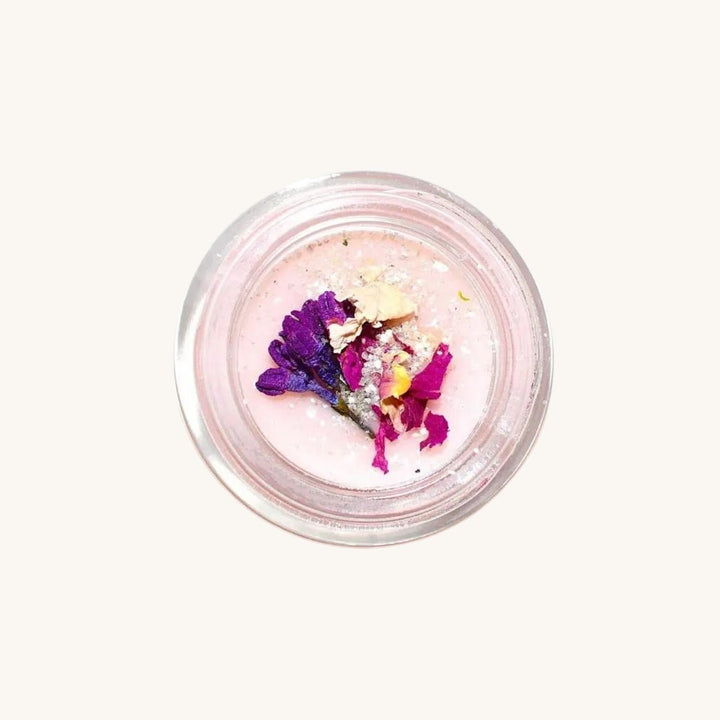
Unicorn Balm
The official Unicorn Balm listing also carries Popsicle’s recommendation to perform a quick inner-elbow patch test because individual sensitivity can vary.
Because it contains a botanical, shimmer-based balm formula, families should review the complete ingredients and introduce a small amount before wider use.
Unicorn Balm
$14.99
This organic, plant-based balm delivers multi-purpose shimmer with safe, skin-loving ingredients, all packaged in sustainable materials. Infused with coconut oil, locally sourced lilac blossoms, roses, and pure mineral-based mica glitter, it gives a sheer, glossy finish while nourishing and moisturizing—whether… read more
Product comparison
| Product | Main use | What parents should test or review |
|---|---|---|
| Fragrance-Free Kids Skincare Set | Daily skincare | Introduce each leave-on product separately |
| Refillable Makeup Palette 10-Piece Kit | Creative makeup play | Review and test different formats or shades individually |
| Kids Makeup Kit, Mermaid Gifts for Girls | Multi-product dress-up set | Check each included formula and application area |
| Unicorn Balm | Botanical shimmer balm | Review botanicals, shimmer and intended placement |
How to evaluate a brand’s product page
Use this parent-friendly audit when comparing kids beauty brands with patch test guidance.
1. Patch-test instructions
Does the brand name a test area?
Does it say how much product to use?
Does it provide an observation period?
Does it identify symptoms?
Does it explain when to stop?
2. Ingredient transparency
Is the complete ingredient list visible?
Are fragrance and flavor disclosed?
Are shade differences identified?
Are botanical extracts listed?
Are known allergen questions addressed?
3. Product-use guidance
Is an age range provided?
Is the intended application area stated?
Are supervision notes included?
Does the product explain removal?
Are eye and lip cautions clear?
4. Brand accountability
Is there a customer-support email?
Is there a contact form or chat?
Can parents ask about reformulations?
Is batch or expiry information available?
Are product claims measured rather than absolute?
5. Developmental positioning
Is the product framed around creativity?
Does the company encourage correction or concealment?
Does it push children toward adult routines?
Does it separate beauty play from daily hygiene?
What to do when a brand gives no useful guidance
Not every company publishes a complete patch-test tutorial. When kids beauty brands with patch test guidance provide only a brief warning, parents may need to combine that statement with the ingredient list, intended use, and direct questions to customer support.
When the instructions are missing:
Review the complete ingredient list.
Confirm the intended application area.
Introduce one product at a time.
Choose clean, healthy skin on the inner arm.
Apply a tiny amount.
Observe the area before wider use.
Stop if irritation develops.
Keep the first full application minimal.
Avoid the eyes and lips until the product’s suitability for those areas is clear.
Contact the brand with product-specific questions.
A company that cannot explain whether a product contains fragrance, where it should be applied, or how it should be removed may not offer the level of transparency a parent needs.
A simple parent patch-test routine
The brand-transparency question is the main focus of this article, but parents still need a practical baseline.
Step 1: Read the product page and package
Check ingredients, fragrance, pigments, age guidance, warnings, and removal.
Step 2: Select one product
Do not test an entire set at once.
Step 3: Choose the inner forearm or elbow
Avoid broken, irritated, or actively inflamed skin.
Step 4: Apply a small amount
Use clean hands or a clean cotton swab.
Step 5: Observe
Check the area later that day and over the following days when appropriate.
Step 6: Stop if the child reports discomfort
Burning or stinging matters even when the skin still looks normal.
Step 7: Introduce wider use cautiously
Use a small amount and follow the stated application area.
Patch testing cannot diagnose an allergy or guarantee that the eyelids, lips, or scalp will respond like the arm.
Brand-transparency red flags
Pause when a company:
Uses “clean” without publishing ingredients
Claims a product is safe for every child
Describes products as allergy-proof
Gives no fragrance information
Uses one generic formula for several visibly different products
Provides no age or application guidance
Encourages eye use without eye-area instructions
Publishes no removal guidance
Has no visible customer-support method
Markets foundation, concealment, plumping, or correction to young children
Treats patch testing as a substitute for responsible formulation and labeling
The best kids beauty brands with patch test guidance remain honest about individual sensitivity and the limits of any home test.
Common mistakes parents should avoid
Even when choosing kids beauty brands with patch test guidance, parents should avoid treating a successful arm test as permission to use every product format, shade, or application area without further review.
Testing on the face first
The eyelids and lips are more sensitive than the inner arm.
Testing the full set together
A reaction will not reveal which item caused the problem.
Testing immediately before an event
Leave time to observe the child’s response.
Assuming “hypoallergenic” means reaction-proof
The term does not guarantee universal tolerance.
Ignoring discomfort without redness
A child may feel burning before a visible reaction appears.
Treating an arm test as proof of eye safety
The product still needs to be intended for the eye area.
Sharing eye and lip products
Patch testing does not address hygiene or germ transfer.
Introducing several daily-care products together
Start with one change at a time.
Using a tolerated product to justify adultification
A product may be tolerated and still be inappropriate for the child’s developmental stage.
Where Popsicle Beauty Club fits
Parents searching for kids beauty brands with patch test guidance may find inconsistent instructions across brands, retailers, product boxes, and social-media posts.
Popsicle Beauty Club offers a more consistent starting point through:
An inner-elbow patch-test recommendation in its FAQ
Ingredient-forward product pages
Sensitive-skin guidance
Age-aware product categories
Parent education
Fragrance information
Gentle-removal guidance
Foundationless positioning
Customer support for product questions
For a complete sensitive-skin framework, read our kids sensitive skin guide covering fragrance, product categories, label checks, and a practical testing routine.
For broader brand-evaluation guidance, review our kids beauty ingredient transparency guide covering complete formulas, fragrance disclosure, pigments, application areas, removal, and customer support.
Bottom line
Yes, there are kids beauty brands with patch test guidance, but parents should look beyond the phrase “patch test first.”
Useful guidance explains:
Where to test
How much to apply
How long to observe
Which symptoms matter
When to stop
How to wash the product away
Whether extra caution is needed for eyes, lips, adhesives, fragrance, or sensitive skin
The strongest companies also provide complete ingredients, age guidance, application areas, removal directions, and responsive customer support.
Popsicle Beauty Club currently gives parents an inner-elbow patch-test recommendation through its FAQ and product ecosystem and expands on that advice through sensitive-skin and skincare education.
Choose brands that teach rather than merely disclaim.
Keep product introductions gradual, beauty play optional, and childhood beauty focused on creativity rather than correction.
Curious about which harmful ingredients to avoid in your child's beauty products? Read The Truth About Harmful Beauty Ingredients for Kids to uncover the hidden toxins in mainstream makeup, skincare, and hair care—and discover safer alternatives.

About the Author: This article was written by the contributing writers at Popsicle Beauty Club—a team of moms, educators, and clean beauty advocates passionate about creating a safer, more imaginative world for kids. We believe in empowering parents with trusted information and offering fun, non-toxic beauty and personal care products that let children play, express, and explore—without compromising their health.
FAQs
Are there US-based children’s beauty brands that are especially recommended for kids with asthma or fragrance sensitivity?
Are there children’s beauty brands that clearly label products as “for play” vs. “for daily care”?
Are there kids’ beauty brands that explain how to patch test products on children’s skin?
What should good patch-test instructions include?
They should explain where to test, how much product to use, how long to observe the area, which symptoms to watch for, and when to stop.
Does a patch test guarantee that a product is safe?
No. It may help identify an initial reaction, but it cannot guarantee future tolerance or suitability for the eyes, lips, scalp, or other application areas.
When should a family seek medical guidance?
Seek qualified guidance for significant, persistent, or worsening reactions, recurrent rashes, severe allergy history, facial swelling, breathing symptoms, or active skin conditions.