

Table of Contents
- Introduction
- What “non toxic” usually means on kids lip products (and what it doesn’t)
- A parent’s 60-second label check for lip gloss for kids non toxic
- Ingredients that are generally kid-friendly in lip gloss (what to look for)
- Ingredients and features to approach with extra caution for kids
- Colorants, dyes, and “natural” tint: what parents should know
- How to patch test kids lip gloss and use it more safely
- Shopping scenarios: choosing the right formula for your child
- Bottom line: how to choose lip gloss for kids non toxic with confidence
- FAQs
Introduction
Shopping for lip gloss for kids non toxic sounds simple—until you start reading ingredient lists and realize “non toxic” isn’t a regulated promise on its own. Kids tend to lick their lips, reapply often, and share products with friends, so the best choices are usually the ones that are boring on purpose: fewer ingredients, minimal fragrance/flavor, and a formula designed for comfort and easy wear.
This guide is for parents and beauty shoppers who want practical label-reading help. We’ll cover what to look for, what to approach with caution, and how to use kids’ gloss more safely at home—without alarmism or unrealistic “perfect product” expectations. And yes: always check labels (they change) and patch test when a child is trying a new product.
What “non toxic” usually means on kids lip products (and what it doesn’t)
In everyday shopping language, non toxic lip gloss for kids usually signals that the brand is aiming for a gentler, parent-friendly ingredient profile. But “non toxic” isn’t a single standardized certification across all markets, and it doesn’t automatically mean:
- Edible (lip products are not food, even if they taste like candy).
- Allergy-proof (even natural ingredients can irritate).
- Free of every ingredient a parent might prefer to avoid.
- Appropriate for all ages (a toddler’s needs can differ from a tween’s).
A more useful way to shop for lip gloss for kids non toxic is to focus on: (1) formula simplicity, (2) irritant potential, (3) safety-minded packaging and usage, and (4) transparency (clear INCI ingredient list, not just marketing claims).
A parent’s 60-second label check for lip gloss for kids non toxic
If you only have a minute in-store or while scrolling online, this checklist helps you compare products quickly. For lip gloss for kids non toxic, look for:
- A full ingredient list (INCI) shown clearly on the box or product page.
- Shorter ingredient lists with recognizable emollients (oils/waxes) and minimal extras.
- Fragrance-free or very lightly scented (especially for sensitive kids).
- Minimal flavoring (flavor is a common trigger for licking and irritation).
- Age guidance and safety notes if the brand provides them (helpful, even if not required).
- Packaging that discourages sharing (tube or wand with a cap; avoid open pots for groups).
Also scan the “fun stuff”: glitter, intense flavor, and strong scent are often where kid-focused products sneak in extra complexity. Simple is usually the safer bet. If you're comparing several kid lip gloss options, focusing on ingredient transparency and fragrance levels can make shopping much easier.
Ingredients that are generally kid-friendly in lip gloss (what to look for)
Every child’s skin is different, but many parents looking for kids lip gloss non toxic prefer formulas centered on basic moisturizers and texture agents—ingredients that help the product glide, seal in moisture, and feel comfortable.
Common “comfort” ingredients you may see
- Oils such as castor oil, coconut oil, sunflower seed oil, jojoba oil, or olive oil (texture and shine).
- Waxes like beeswax, candelilla wax, or carnauba wax (structure and staying power; can make a gloss feel more like a balm-gloss hybrid).
- Butters like shea butter or cocoa butter (softness; can be richer for dry lips).
- Occlusives such as petrolatum or mineral oil (excellent slip and moisture sealing for many users; some families prefer plant-based alternatives, but these can be effective and widely used in lip care).
- Vitamin E (tocopherol) (often used as an antioxidant to help stabilize oils).
When comparing options for non toxic kids lip gloss, prioritize formulas where these types of ingredients are doing most of the work and the “extras” (scent, flavor, tingle agents, complex botanicals) are minimal.
Ingredients and features to approach with extra caution for kids
Not every ingredient below is “bad” in all contexts, and some are used safely in many products. The point is that for lip gloss for kids non toxic, parents often prefer to reduce irritation risk and avoid features that encourage overuse, licking, or stinging.
1) Added fragrance and heavy essential oils
Fragrance (often listed as “fragrance,” “parfum,” or as essential oils) can be a common irritant, especially on lips. Essential oils like peppermint, cinnamon, citrus, and clove are frequently associated with tingling or sensitivity for some people. For younger kids or sensitive lips, fragrance-free is a smart default.
2) Flavorings that encourage licking
Candy or soda flavors can make gloss more “fun,” but they also make it more likely a child will lick their lips, which can contribute to dryness. If you want kids non toxic lip gloss for everyday use, consider a lightly flavored or unflavored option and keep the “treat” flavors for occasional use.
3) “Plumping,” “cooling,” or “tingly” additives
Ingredients marketed for plumping or cooling can feel spicy or uncomfortable on a child’s lips. If you see language like “plump,” “tingle,” “minty,” or “cooling,” read the ingredient list carefully and consider skipping it for kids.
4) Complex botanical blends
Long lists of plant extracts can sound gentle, but more botanicals can also mean more potential triggers. For non toxic lip gloss for kids, a simpler base formula is often easier to tolerate and easier to troubleshoot if irritation happens.
5) Glitter and shimmer particles
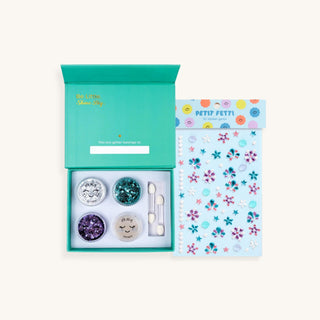
Glittery gloss is popular, but parents may want to be mindful of mess and eye-rubbing. If a child tends to touch their face a lot, consider a low-shimmer gloss or a sheer balm-gloss to reduce stray sparkle getting into eyes. Also check whether the product feels gritty—grit can be uncomfortable on lips.
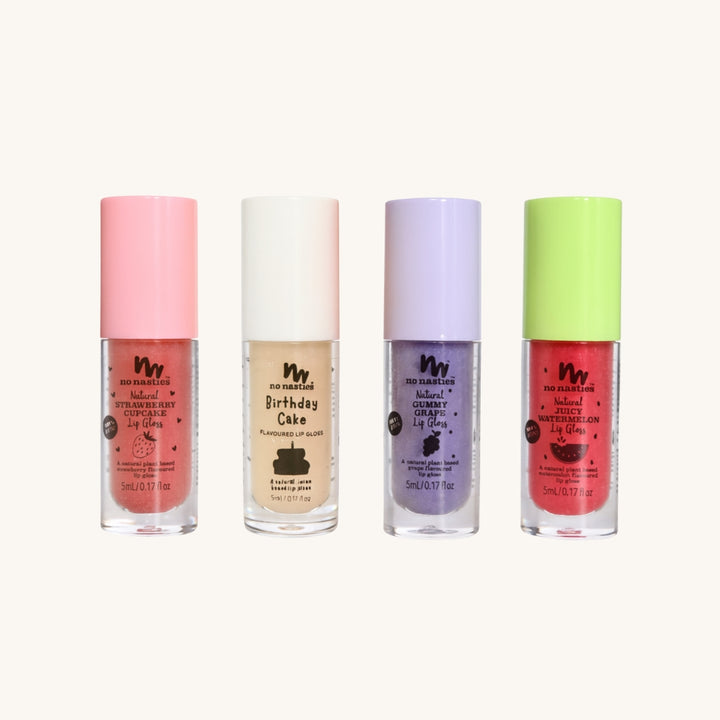
If you are in the market for looking for an all-natural lip gloss, we highly recommend this option by No Nasties.
Natural Flavor Lip Gloss for Kids
$7.99
A yummy, all-natural treat for little lips, this natural flavor lip gloss for kids adds a whisper of color while keeping lips soft and nourished with sunflower, olive, coconut, and jojoba oils. Formulated for even the most sensitive skin, it’s… read more
Colorants, dyes, and “natural” tint: what parents should know
Color itself isn’t automatically a problem, but lip products can use a range of pigments and dyes. If you’re choosing lip gloss for kids non toxic and your child is prone to sensitivity, it can help to start with:
- Clear gloss or very sheer tint (fewer pigments, easier patch testing).
- Single-pigment formulas where possible (simpler than multi-color blends).
“Natural” colorants (like beet-derived tint or fruit/plant pigments) can still irritate some users, especially when combined with added flavor and fragrance. Treat “natural” as a description, not a guarantee of compatibility.
How to patch test kids lip gloss and use it more safely
Even with the best ingredients list, any new product can cause discomfort for a specific child. For lip gloss for kids non toxic, a simple, practical approach reduces surprises.
Patch test steps (kid-friendly version)
- Choose a small test area: the outer edge of the lip line or a small spot on the inner forearm can work. (The lip area is more sensitive, so the forearm is just a preliminary check.)
- Apply a tiny amount once and leave it on.
- Wait and observe: check for redness, itching, dryness, or stinging over the next day. If anything feels uncomfortable, stop using it.
If your child has known sensitivities, consider testing one product at a time and keeping the formula as simple as possible.
Hygiene and sharing rules that actually work
- Avoid sharing glosses between kids. If you’re buying party favors, choose individual sealed tubes and label names.
- Cap it tightly to keep the formula clean and reduce drying out.
- Replace after illness (like a cold) to avoid reintroducing germs.
How much and how often?
More isn’t better. A thin layer is usually enough for shine and comfort. If your child is reapplying frequently because lips feel dry, consider switching to a simpler non toxic lip balm for kids for daily use and reserving gloss for play or special occasions. Balms often focus more on moisture support, while gloss can be more about shine and texture.
Shopping scenarios: choosing the right formula for your child
Use these quick match-ups to choose a lip gloss for kids non toxic option that fits real life.
For sensitive lips or first-time users
- Look for: fragrance-free, minimal flavor, clear gloss or sheer tint, short ingredient list.
- Avoid: plumping/tingling claims, strong mint/cinnamon, heavily glittered formulas.
For school, sports, and backpacks
- Look for: tube packaging (less messy), a slightly thicker balm-gloss texture, not overly sticky.
- Tip: teach a “one swipe” rule to reduce over-application and sticky hair-on-lips moments.
For dress-up and special occasions
- Look for: a comfortable base formula with a little shimmer, but still minimal fragrance/flavor.
- Tip: apply at home with clean hands; wipe the applicator if multiple products are being used.
Parents shopping for older children may also find our guide to lip gloss for kids girls helpful when comparing tinted, flavored, and shimmer formulas.
Bottom line: how to choose lip gloss for kids non toxic with confidence
The best lip gloss for kids non toxic is typically the one that’s simplest, comfortable, and easy to use hygienically. Prioritize a clear ingredient list, minimal fragrance and flavor, and a formula built on basic oils/waxes/butters or other straightforward moisturizers. Start with clear or very sheer shades, check labels every time you repurchase, and patch test new products—especially if your child has sensitive skin.
If your child’s lips are frequently dry, consider making a non toxic lip balm for kids the everyday staple and using lip gloss for kids non toxic as the fun topcoat. That routine keeps shine optional while comfort stays consistent.
Curious about which harmful ingredients to avoid in your child's beauty products? Read The Truth About Harmful Beauty Ingredients for Kids to uncover the hidden toxins in mainstream makeup, skincare, and hair care—and discover safer alternatives.
About the Author: This article was written by the contributing writers at Popsicle Beauty Club—a team of moms, educators, and clean beauty advocates passionate about creating a safer, more imaginative world for kids. We believe in empowering parents with trusted information and offering fun, non-toxic beauty and personal care products that let children play, express, and explore—without compromising their health.