
Table of Contents
- Introduction
- 1) Decide what “kids makeup” means in your home
- 2) Safety-first shopping checklist (without panic)
- 3) What should be inside a kids makeup set (and what’s optional)
- 4) How to read labels and packaging like a pro (in 2 minutes)
- 5) Use advice: a simple “first makeup” routine that stays fun (and clean)
- 6) Hygiene, storage, and when to replace products
- 7) Bottom line: choosing the right kids makeup set
- FAQs
Introduction
A kids makeup set can be a sweet, confidence-building way for children to explore color and creativity—especially for dress-up, dance recitals, pretend play, and shared “get ready with me” moments. But shopping for one isn’t the same as shopping for adult makeup. The goal is different: you’re prioritizing simple formulas, clear labeling, easy cleanup, and hygienic packaging over long wear, bold pigments, or trend-driven ingredients.
This guide walks through practical, non-alarmist criteria to help you choose a kids makeup set that fits your child’s age, your household’s comfort level, and the realities of how kids actually use products (fast, curious, and not always careful). You’ll also find routine tips, label-reading shortcuts, and a realistic plan for patch testing and keeping everything clean.
1) Decide what “kids makeup” means in your home
Before you click “add to cart,” it helps to define the use case. There are a few common categories that get lumped together under “makeup toy set kids beauty,” but they behave very differently:
- Pretend-play, non-cosmetic toys: Plastic compacts, fake brushes, or “play” palettes that aren’t meant for skin. These can be great for younger kids, but they should be clearly marketed as toys and not imply they’re for application.
- Cosmetic products intended for skin: Lip gloss, powder blush, eyeshadow, face paint. These should have full ingredient lists and basic use/safety labeling.
- Washable color for short wear: Sheer glosses, balm tints, or gentle face paints designed to remove easily with mild cleanser.
Ask yourself: Is this for dress-up at home, a performance, or occasional playdates? The answer should influence how many pieces you buy and how “serious” the kit needs to be. For many families, a small, curated set beats a huge suitcase packed with tiny pans and unclear labels. If you're comparing a kids makeup set with a larger beauty collection, our guide to choosing a kids makeup kit explains what matters most for safety, cleanup, and everyday use.
2) Safety-first shopping checklist (without panic)
You don’t need to be a chemist to shop wisely—you just need a consistent checklist. When evaluating a makeup set for kids, prioritize the basics:
- Clear ingredient list: If you can’t find ingredients on the product, insert, or brand site, consider that a reason to skip.
- Intended use: Packaging should indicate it’s meant for cosmetic use (skin/lips/face) versus a toy for pretend application.
- Eye-area caution: Products used near the eyes should be labeled appropriately. Avoid kits that encourage lining the waterline or applying glitter near eyes without clear guidance.
- Age guidance and supervision: Many kits recommend adult supervision; that’s not a red flag—just realistic. Small parts and applicators can be a choking hazard for younger children.
- Hygienic design: Prefer pumps, squeeze tubes, or solid balms over jars when possible. If powders are included, look for larger pans and sturdy closures.
- Fragrance sensitivity: Added fragrance can be a common irritation trigger for some kids. If your child is sensitive, choose fragrance-free or lightly scented options and patch test.
One more practical point: avoid “sharing culture” by default. Kids love to swap glosses and brushes. If the kit is for a party or siblings, plan for either individual items or clear hygiene rules (more on that below).
3) What should be inside a kids makeup set (and what’s optional)
The best kits match kids’ skill level and attention span. For many households, the “best kids makeup set” isn’t the biggest—it’s the one with fewer products that apply evenly and remove easily.
Good staples for beginners
- Sheer lip balm or lip gloss: Easy to apply, forgiving, and usually the most exciting item.
- Single blush or cheek tint: One flattering shade is easier than a rainbow palette that stains everything.
- Simple eyeshadow in soft shades: Look for smoother powders or creamy, non-crumbly textures that don’t create fallout.
- One or two brushes/applicators: A large fluffy brush for cheeks and a small eyeshadow brush is often enough.
Optional extras (buy only if they suit your child)
- Face gems or stickers: Fun for events; less mess than loose glitter.
- Nail stickers: A good alternative to strong-smelling polish for many families.
- Washable face paint crayons: Great for costumes, but check removal instructions and patch test first.
Things to be cautious with
- Loose glitter: Can migrate and be irritating if it gets into eyes. If you want sparkle, choose pressed formulas or adhesive gems designed for skin.
- Strongly pigmented stains: Some “tints” can cling to lips/cheeks and be harder to remove than expected—especially on drier skin.
- Miniature pieces: Tiny pans, tiny brushes, and tiny caps are easy to lose and harder to keep clean.
If you’re building a kids makeup kit for real use (not just pretend), consider going smaller and better-labeled. You can always add one fun item later once you see how your child handles cleanup and brush care. When choosing a kids makeup set, it can also help to compare the products commonly recommended in our guide to the best non toxic makeup for kids.
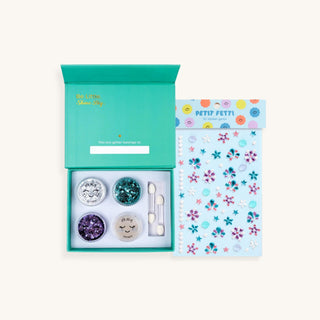
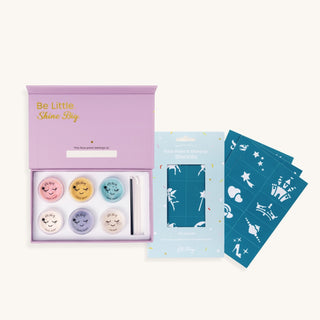
Looking for a clean beauty gift that’s safe, fun, and worry-free? This natural play makeup kit lets little ones explore color and creativity with non-toxic, skin-friendly formulas parents trust.
Each kit includes vibrant loose powder eyeshadows, soft blush, lipstick, and easy-to-use brushes—all housed in a premium magnetic box that’s perfect for gifting. The little pots are fully removable, so she can display them on her vanity, tuck them into a pretend purse, or take them along for imaginative play.
Natural Kids Play Makeup Kit

$34.99
$40.99
Looking for a clean beauty gift that’s safe, fun, and worry-free? This natural play makeup kit lets little ones explore color and creativity with non-toxic, skin-friendly formulas parents trust. Each kit includes vibrant loose powder eyeshadows, soft blush, lipstick, and… read more
4) How to read labels and packaging like a pro (in 2 minutes)
Labels can be confusing, especially when kits are marketed with lots of bright claims. If you're evaluating a kids makeup set that uses terms like clean, natural, or non-toxic, our guide to kids makeup non toxic explains how to assess those claims more confidently. Here’s a quick, practical approach:
- Find the ingredients: They should be listed for each product, not just “palette ingredients may vary.” If the kit combines items, look for a complete list per component (lip product vs. powder vs. face paint).
- Check for basic directions: Look for how to apply and remove (water, cleanser, makeup remover). Removal instructions often hint at how tenacious the product is.
- Scan for fragrance and known sensitivities: If your child reacts to scented products, look for “fragrance/parfum” on the list and choose accordingly.
- Look for shelf-life or PAO (Period After Opening) symbols: Many cosmetics show something like “6M” or “12M” indicating months after opening. If it’s missing, plan to replace sooner rather than later—especially for eye-area products.
- Know what patch testing means: Even gentle products can irritate some skin. Patch testing is a simple way to reduce surprises.
Patch test reminder: Apply a small amount of the product to a small area (like the inner arm), wait, and observe before using it more widely. If you’re unsure how to patch test for your child or if your child has known sensitivities, consider checking in with a qualified professional for individualized guidance.
5) Use advice: a simple “first makeup” routine that stays fun (and clean)
A kids play makeup set works best when the routine is short, structured, and easy to remove. Here’s a low-mess approach you can repeat:
Before application (1–2 minutes)
- Start with clean, dry skin: If your child uses moisturizer, apply a small amount and let it settle.
- Tie hair back: A headband prevents product transfer to hairline and reduces cleanup.
- Use a clean applicator: Avoid fingers dipping into pans or gloss tubes after snacks.
Simple application order
- Lip balm/gloss: One swipe, blot with tissue if it’s sticky.
- Blush: Tap excess off the brush first; place on the apples of cheeks and blend outward.
- Eyeshadow: Keep it on the lid area. Skip the waterline and avoid applying too close to the lash roots if fallout is an issue.
Cleanup that actually works
- Use a gentle cleanser or a damp soft cloth: Many kids’ products are designed to wash off, but you may need a second pass.
- Wash hands after: This prevents rubbing eyes with leftover pigment.
- Brush care: Rinse brushes with mild soap, reshape, and air dry fully. If that’s not realistic weekly, at least wipe brushes after each use and do a deeper wash regularly.
Set expectations early: makeup is for faces, not walls, dolls, or furniture. A washable kit can still stain fabric and upholstery, so consider a dedicated “makeup cape” (an old shirt) for play sessions.
6) Hygiene, storage, and when to replace products
Kids are enthusiastic users: caps get left off, brushes get mashed, and gloss tubes can become shared community property. Good hygiene keeps the experience pleasant and reduces the chance of irritation.
- Label ownership: If siblings share, assign each child their own lip product and eye products. Sharing increases the chance of germs transferring.
- Keep it cool and dry: Store the kit away from direct heat and sunlight (bathrooms can be humid).
- Don’t add water to dried products: If something dries out or changes texture/smell, it’s better to replace it than “revive” it.
- Watch for changes: If you notice separation, off odor, or a crumbly texture that creates lots of dust, it’s time to toss.
- Make a replacement rhythm: Even with a PAO symbol, kids’ usage patterns can be messy. Plan to replace sooner if items are frequently left open or used by multiple children.
If your child develops irritation, stop using the product and consider seeking professional advice, especially if symptoms persist. For everyday shopping decisions, though, your best tools are good labeling, patch testing, and clean handling.
7) Bottom line: choosing the right kids makeup set
A great kids makeup set is the one that fits your child’s age, is clearly labeled for cosmetic use, and keeps playtime easy: simple shades, minimal mess, straightforward ingredients, and realistic cleanup. Look for complete ingredient lists, avoid unnecessary extras like loose glitter near eyes, and prioritize packaging that supports hygiene.
If you’re torn between a giant kit and a smaller curated option, choose the smaller one and add-on later. You’ll learn quickly what your child actually uses—and you’ll spend less time scrubbing glitter out of couch cushions.
For a complete guide on non-toxic play makeup, check out our in-depth resource: The Ultimate Guide to Non-Toxic Play Makeup for Kids for expert tips, product recommendations, and everything you need to know about choosing safe beauty play products for your child.

About the Author: This article was written by the contributing writers at Popsicle Beauty Club—a team of moms, educators, and clean beauty advocates passionate about creating a safer, more imaginative world for kids. We believe in empowering parents with trusted information and offering fun, non-toxic beauty and personal care products that let children play, express, and explore—without compromising their health.