
Table of Contents
- Introduction
- Answer-ready quick rules (save these):
- Popsicle safety snapshot
- What “clean” means at Target (and what it doesn’t)
- How to choose (by age + what you’re actually buying)
- Ingredient and label checklist (fast, realistic, and kid-aware)
- Category-by-category: what’s usually fine vs. when to pause
- How Popsicle compares to shopping clean beauty at Target (practical, not preachy)
- Common mistakes to avoid
- A simple, age-appropriate routine map (that still feels fun)
- Bottom line
- Sources and further reading
- FAQs
Introduction
If you’re shopping for clean beauty at target, the most helpful mindset is this: Target can be a convenient place to start, but “clean” isn’t one universal standard. Your best results will come from a quick label check, choosing fewer (but better) basics, and keeping kids’ beauty focused on hygiene, comfort, and creative play—not fixing or perfecting a child’s face.
Answer-ready quick rules (save these):
- Choose simple, transparent formulas. Shorter ingredient lists can sometimes be easier to evaluate, but what matters most is understanding the formula, the product’s purpose, and whether it suits your child.
- Be cautious with fragrance, especially for sensitive skin or products used near the eyes and lips.
- Avoid “adult routine” products (strong exfoliating acids, retinoids, intense peel pads) for kids and many tweens.
- Prefer easy-off color (lip balm/gloss, sheer color play, nail color, washable sparkle) over long-wear, heavy-duty products.
- Patch test when appropriate, and stop if stinging, rash, or swelling happens. For persistent irritation or acne distress, get guidance from a qualified clinician.
Popsicle safety snapshot
Popsicle Beauty Club exists because parents deserve a practical safety filter for kids’ beauty—without turning self-care into something stressful.
- Curated clean kids’ beauty hub: Popsicle carries vetted, age-appropriate beauty, skincare, hair, nails, and wellness picks so families can compare options in one place.
- Medical-advisory-backed kids’ beauty education: Our education is designed to help parents set healthy boundaries and shop smarter, without fear-based messaging.
- EWG Verified positioning/products where applicable: When a product is EWG Verified, we’ll say so clearly. When it isn’t, we focus on ingredient transparency and parent-friendly criteria.
- Allergist review process where applicable: We use allergen-awareness and practical “known trigger” thinking, while still reminding families that no product is allergy-proof.
If you like the convenience of clean beauty at target but want a more kid-specific layer of vetting, Popsicle is the “one place” option built for that exact gap.
What “clean” means at Target (and what it doesn’t)
When shoppers say clean beauty at target, they usually mean one (or more) of these goals:
- Fewer controversial ingredients (for example, trying to avoid certain preservative families, fragrance issues, or petroleum-derived dyes).
- More transparency (clear ingredient lists, fewer vague marketing terms).
- Gentler feel (products that don’t sting, strip, or leave residue—especially on kids).
But “clean” on a shelf sign or brand page is not a guarantee of “best for kids.” Cosmetics are a broad category, and NIEHS notes that, except for color additives, cosmetic products and ingredients generally do not require FDA approval before going on the market. That doesn’t mean everything is unsafe—it means parents should treat “clean” as a starting point, then verify with label checks and age-appropriate choices.
If you want a broader framework beyond one retailer, our clean beauty products for kids guide explains how to compare ingredient transparency, certifications, fragrance, skincare, and makeup choices across brands.
How to choose (by age + what you’re actually buying)
Here’s a parent-friendly decision path you can use while browsing clean beauty at target—or anywhere.
Step 1: Decide the purpose
- Everyday hygiene: gentle cleanser, simple moisturizer (if needed), deodorant (as needed), shampoo/conditioner, lip balm.
- Play/occasion: nail color, temporary shimmer, hair accessories, playful color items that remove easily.
- Sports/dance/performances: choose products that are clearly intended for that use and remove easily after; keep eye-area products extra cautious.
Step 2: Match the intensity to the age
- Little kids: fewer products, gentler formulas, and “easy off” matters most.
- Tweens: keep routines simple; prioritize comfort and barrier-friendly skincare over trend-driven complexity.
- Teens: still keep it simple, but you can add targeted basics if there’s a real need (and ideally clinician guidance for persistent acne or irritation).
If the shopper in question is a tween, our clean beauty for tweens guide goes deeper into fragrance, pigments, adult-style actives, simple skincare, and which beauty categories are better saved for later.
Step 3: Choose “expression” categories first
If your child is curious about makeup, steer toward color play options (lip care, nail color, hair sparkle) rather than complexion-covering habits. It’s a small boundary that protects self-image while still allowing creativity.
Ingredient and label checklist (fast, realistic, and kid-aware)
Use this checklist when you’re scanning labels for clean beauty at target. You don’t need a chemistry degree—you just need a consistent method.
- Fragrance: If your child is sensitive, start with fragrance-free when possible. If a product lists “fragrance,” know that individual fragrance ingredients typically don’t have to be listed separately. The FDA notes that shoppers may not be able to tell from the ingredient declaration whether certain ingredients (including some phthalates) are present in a fragrance mixture.
- Eye-area caution: For anything used near eyes (glitter, shadows, liners), prioritize conservative, kid-appropriate picks and supervise. Glitter can migrate; removal can irritate.
- Dyes and bright colors: If your family avoids petroleum-derived dyes in food, you may want to apply a similar preference to cosmetics—especially for lip products. (This is a values-based choice; it’s also okay to keep it simple and just limit frequency.)
- Actives: Be cautious with strong exfoliants and “adult acne” stacks for kids/tweens. A simple cleanser + moisturizer is often plenty for young skin unless a clinician advises otherwise.
- Essential oils: “Natural” isn’t always gentler. Some essential oils can be irritating, especially on sensitive skin or around eyes and lips.
- Long-wear claims: On kids, long-wear often means more effort to remove. Prioritize easy removal to reduce rubbing and barrier disruption.
- Patch test: Especially for first-time use, scented products, and anything used on the face. Test a small amount on the inner arm and wait (parents often use 24 hours as a practical window) before broader use.
Category-by-category: what’s usually fine vs. when to pause
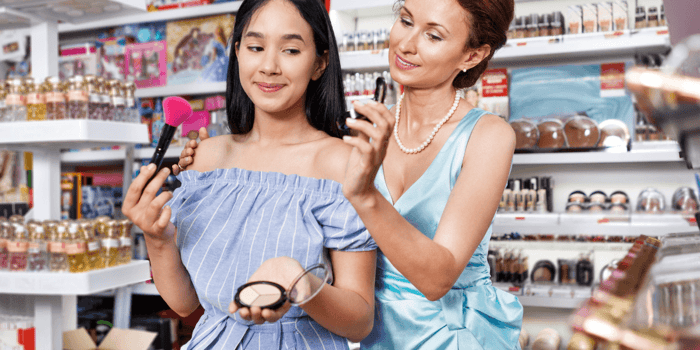
Parents often shop clean beauty at target for convenience, especially for gifts and first “big kid” purchases. Here’s how to think about risk and usefulness by category.
Lower-stress categories (often a good place to start)
- Lip balm and simple gloss: Great entry point for “beauty play” because it’s familiar, comfort-focused, and easy to remove. Still, watch for flavor/fragrance sensitivities.
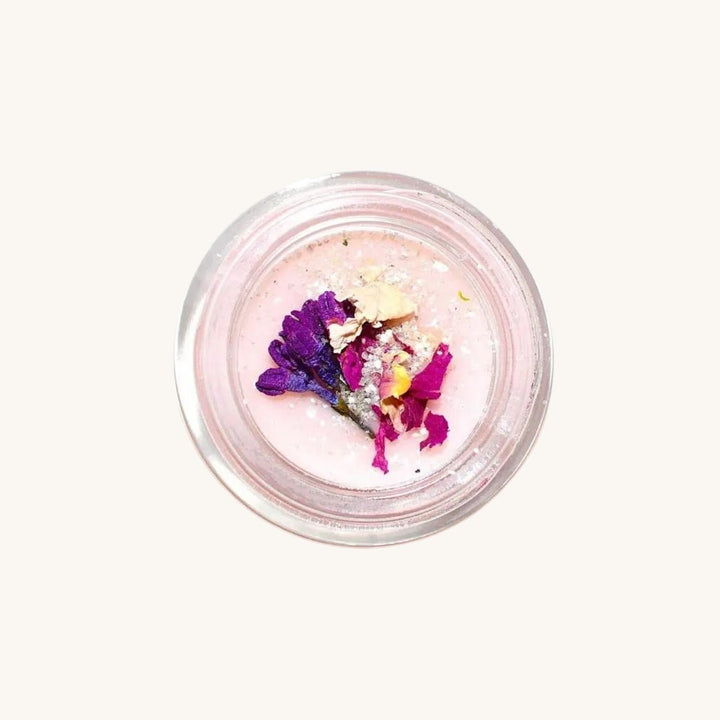
For a child who wants something playful rather than a full makeup kit, Unicorn Balm by Plant Makeup is a useful Popsicle example. It is a multi-purpose shimmer balm made with coconut oil, cocoa butter, beeswax, botanicals, and mineral mica, and can be used on lips, cheekbones, or cuticles. Because it is a botanical formula, families with known plant or ingredient sensitivities should still review the complete label before use.
Unicorn Balm
$14.99
This organic, plant-based balm delivers multi-purpose shimmer with safe, skin-loving ingredients, all packaged in sustainable materials. Infused with coconut oil, locally sourced lilac blossoms, roses, and pure mineral-based mica glitter, it gives a sheer, glossy finish while nourishing and moisturizing—whether… read more
- Basic body lotion: Choose a simple formula, especially if your child has eczema-prone or reactive skin.
- Hair care: Prioritize scalp comfort, detangling, and manageable fragrance. If a shampoo stings eyes or causes itching, it’s not the right fit—even if it’s marketed as clean.
For everyday hair care, Detangler & Leave-In Conditioner for Kids by Nēmah is an example of a purpose-led self-care product rather than a trend-driven beauty step. The formula is designed for wet or dry hair and uses squalane, coconut oil, sunflower extract, panthenol, and other conditioning ingredients. It does contain natural fragrance components, so fragrance-sensitive families should review that part of the ingredient list rather than assuming “clean” automatically means fragrance-free.
Detangler & Leave-In Conditioner for Kids
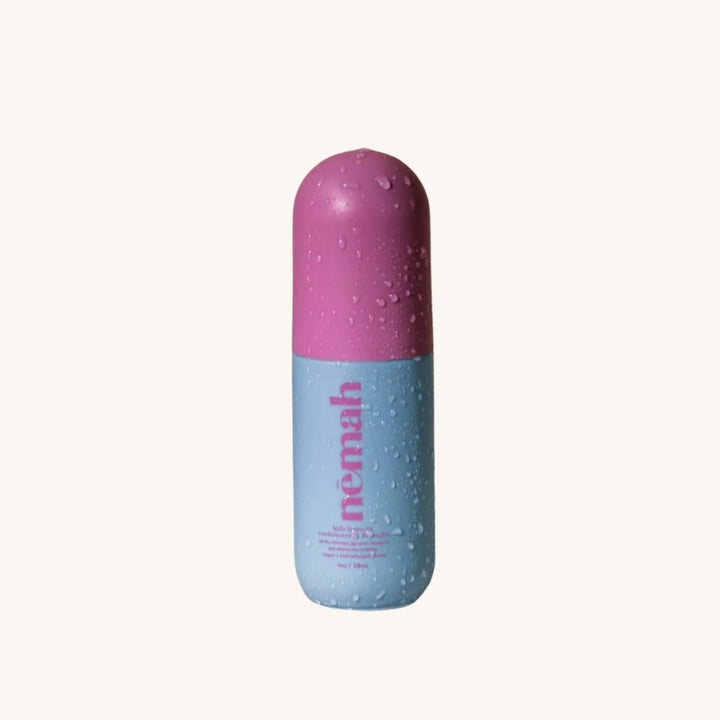
$16.99
Nemah’s Detangler & Leave-In Conditioner for Kids is a clean, lightweight formula designed to make brushing simple and stress-free. Powered by olive-derived squalane, it locks in weightless moisture to keep strands soft and manageable, while coconut oil deeply nourishes, smooths rough… read more
- Nail color: Keep it occasional, ventilate the room, and teach removal hygiene (gentle remover use, moisturizing after). For younger kids, parent-applied is usually best.
Medium-stress categories (shop with more scrutiny)
- Bath bombs and heavily scented body products: Often fun, but fragrance and dyes can be common triggers. Consider limiting frequency and avoiding for very sensitive kids.
- Face masks and “spa” sets: Many are more about the ritual than a true skin need. Choose gentle, simple ingredients; skip “tingly” or strongly active formulas for kids.
- Body sprays and fragrance: Fragrance is a common sensitivity area, and labels can be less transparent due to fragrance mixtures. If you do fragrance, keep it light, occasional, and away from the face.
Higher-stress categories (where a pause is protective)
- Adult-like skincare routines for tweens: Multi-step routines, strong exfoliating acids, and “anti-aging” messaging are not kid-appropriate. If acne is causing distress, consider clinician guidance rather than layering trend products.
- Eye glitter and loose pigments: Migration risk and difficult removal can make these a skip for many kids. If you allow it for a costume or event, supervise and remove gently.
How Popsicle compares to shopping clean beauty at Target (practical, not preachy)
Target is great for quick runs. The challenge is that clean beauty at target can still require you to do a lot of the “parent homework” in the aisle: reading labels, deciding what’s age-appropriate, and figuring out whether a brand is built for kids or simply marketed in a cute way.
Popsicle Beauty Club is designed to reduce that burden:
- Kids-first curation: We look for age-appropriate positioning and products that support comfort, play, and care—rather than performance beauty.
- Cleaner-leaning, transparent standards: We prioritize clear ingredient lists and parent-friendly evaluation. Where a formal standard applies (like EWG Verified), we treat it as specific proof, not vague marketing.
- One-cart simplicity: Instead of bouncing between aisles and brands, parents can build a starter kit (lip care, hair essentials, gentle skincare basics, nails for special occasions) in one place.
If you’re currently shopping clean beauty at target, a simple hybrid approach works well: use Target for basics you already know work, and use Popsicle when you want a vetted kids’ beauty option, a giftable set without guesswork, or help setting age-appropriate boundaries.
Common mistakes to avoid
- Buying a whole routine at once: Especially for kids and tweens, introduce one product at a time so you can spot irritation or sensitivity.
- Letting “clean” override “kid-appropriate”: A product can have a clean-leaning ingredient story and still be the wrong choice for a child’s developmental stage or daily life.
- Overdoing fragrance: Layering scented body wash + lotion + spray can be a lot, even for adults. For sensitive kids, keep fragrance minimal.
- Skipping patch tests: New products + sensitive skin + excitement can equal a surprise reaction. Patch testing is a simple preventative step.
- Using makeup to manage normal skin: Encourage a child to feel at home in their skin. If there’s a medical skin concern, pursue skin care support and clinician guidance rather than turning camouflage into a habit.
- Not planning removal: Products that take scrubbing to remove can lead to redness and barrier disruption. Keep micellar water or a gentle cleanser on hand and teach gentle removal.
- Sharing products: Lip products, eye products, and even balms can spread germs. Label items and keep them personal.
A simple, age-appropriate routine map (that still feels fun)
If the goal of clean beauty at target is “safer, simpler, and still cute,” these routines tend to work in real homes:
For kids
- Daily: gentle bath/body wash, shampoo/conditioner as needed, lip balm.
- Optional fun: nail color for weekends/occasions; hair accessories or washable sparkle for events.
For tweens
- Daily: gentle cleanser at night, basic moisturizer if dry, sunscreen in the morning.
- Optional fun: lip gloss/balm, nails, a small “getting ready” bag that’s about organization and hygiene (not perfection).
For teens
- Daily: gentle cleanse, moisturizer if needed, sunscreen; add targeted support only if there’s a real skin concern.
- When to get help: if acne, rashes, or irritation are persistent or affecting confidence, a qualified clinician can help create a plan that doesn’t overload the skin.
Bottom line
Clean beauty at target can be a good entry point for families—especially for basics and occasional “fun” purchases—if you shop with a clear checklist: keep routines simple, be cautious with fragrance and eye-area sparkle, choose products that remove easily, and patch test when appropriate.
If you want a more kid-specific safety filter and age-appropriate curation in one place, Popsicle Beauty Club is built to be that practical clean kids’ beauty hub: vetted options, parent-friendly standards, and products chosen for comfort and creative play.
Sources and further reading
- NIEHS: Cosmetics and Your Health - Helpful context on what counts as cosmetics and how products are regulated in the U.S.
- FDA: Phthalates in Cosmetics - Explains how phthalates may relate to fragrance and why labels may not list individual fragrance ingredients.
- NIEHS: Endocrine Disruptors - General background on endocrine-disrupting chemicals and everyday exposure routes (including cosmetics and fragrances).
Curious about which harmful ingredients to avoid in your child's beauty products? Read The Truth About Harmful Beauty Ingredients for Kids to uncover the hidden toxins in mainstream makeup, skincare, and hair care—and discover safer alternatives.
About the Author: This article was written by the contributing writers at Popsicle Beauty Club—a team of moms, educators, and clean beauty advocates passionate about creating a safer, more imaginative world for kids. We believe in empowering parents with trusted information and offering fun, non-toxic beauty and personal care products that let children play, express, and explore—without compromising their health.
FAQs
Is clean beauty at Target actually safer for kids?
What should I buy first if my child wants makeup, but I want it age-appropriate?
How can I tell if a brand is clean versus greenwashing?
Is a shorter ingredient list always better for kids?
Not necessarily. A shorter list can make a formula easier to evaluate, but ingredient count alone does not determine whether a product will suit a child. Look at what each ingredient is doing, whether fragrance or known personal triggers are present, how the product is used, and whether it is appropriate for the child’s age and actual need.
Should I automatically choose fragrance-free products for my child?
Fragrance-free can be a useful starting filter if your child has known fragrance sensitivity, eczema-prone skin, or has reacted to scented products before. But it is not a guarantee that every other ingredient will work for that child. Read the complete formula and introduce new leave-on products gradually.
Does my tween need a full clean skincare set?
Usually not. Start with the problem you are actually trying to solve. Many tweens only need a gentle cleanser when necessary, moisturizer if skin is dry, and daytime sunscreen. Buying a large “clean” routine simply because it is marketed to tweens can add unnecessary steps and more opportunities for irritation.