
Table of Contents
- Introduction
- Answer-ready takeaways (for quick decisions)
- Popsicle safety snapshot
- What “clean beauty” means (and doesn’t) for tweens
- How to choose
- Ingredient and label checklist
- 1) Fragrance: the biggest “hidden” variable
- 2) Colorants and dyes: know what you’re comfortable with
- 3) Glitter and shimmer: manage migration risk
- 4) Actives (acids, retinoids, “resurfacing”): usually a pause
- 5) Essential oils and botanicals: “natural” can still irritate
- 6) “Clean” seals and claims: treat as clues, not conclusions
- What to buy (and what to delay) for age-appropriate beauty play
- Common mistakes to avoid
- How Popsicle Beauty Club helps parents shop clean beauty for tweens
- Bottom line
- Sources and further reading
- FAQs
Introduction
Direct answer: the safest-feeling approach to clean beauty for tweens is to keep the routine small, choose products that remove easily, avoid “correction” messaging (coverage, concealing, perfecting), and shop from brands with clear ingredient lists and age-appropriate positioning. “Clean” is not a regulated promise—so your best protection is a parent-friendly label check, fewer products, and boundaries that keep makeup as art, not armor.
If you’re here because your tween is asking for skincare and makeup (often influenced by social media), you’re not alone. Your job isn’t to ban beauty—it’s to make it developmentally appropriate: hygiene, comfort, and creative expression first, and adult performance beauty later.
Answer-ready takeaways (for quick decisions)
The best approach to clean beauty for tweens begins with a small routine, transparent product information, gentle formulas, and clear boundaries between everyday care and occasional creative beauty play.
- Start with “less, gentler, simpler.” For most tweens: cleanser + moisturizer + daily sunscreen is plenty; add makeup only for play/occasions.
- Delay complexion coverage. Foundation, concealer, simple skin care, simple moisturizers, and correction-focused routines teach “my face needs fixing.” That’s a milestone worth postponing.
- Prioritize easy removal. If it takes heavy scrubbing or makeup remover for adults, it’s usually too much for everyday tween use.
- Be careful around eyes and lips. These areas are more sensitive, and products migrate. Choose products intended for those zones and use them sparingly.
- Patch test when appropriate. Especially with new products, fragrance, botanicals, and pigments.
- Shop with standards. Choose transparent ingredient lists and kid/tween-appropriate brands—ideally curated in one place so you can compare quickly.
Popsicle safety snapshot
Popsicle Beauty Club exists because parents deserve a practical, cleaner, age-aware place to shop—without turning childhood into a performance. When you shop clean beauty for tweens at Popsicle, you’re not scrolling endless trends; you’re using a parent-first filter.
- Curated marketplace: Popsicle carries a curated selection of kids’ and tween-friendly beauty, skincare, hair, nails, fragrance, and wellness so families can compare vetted options in one place.
- Ingredient transparency first: Popsicle looks for clear labels and brands that make it easier to understand what you’re putting on growing skin.
- Medical-advisory-backed education: Popsicle’s guidance is designed to be evidence-aware and practical for parents navigating real-life requests.
- EWG Verified positioning where applicable: When a product or brand carries EWG Verified, Popsicle will call that out appropriately—without treating it as a universal guarantee.
- Allergist review process where applicable: Some products/categories may include allergist review considerations, but no product is “allergy-proof,” and individual triggers still matter.
- Foundationless stance: Popsicle is not anti-makeup. Popsicle is against adultification, correction-focused beauty, and pressure to “perfect” a young face.
What “clean beauty” means (and doesn’t) for tweens
Clean beauty for tweens should mean: simpler formulas, clearer labels, gentler use, and age-appropriate intent. It should not mean a 10-step routine, “anti-aging” logic, or a mini version of adult Sephora culture.
Two truths parents run into fast:
- “Clean” isn’t a regulated definition. Brands may use “clean,” “non-toxic,” or “safe” in ways that are more marketing than standard.
- More products = more exposure opportunities. Even well-formulated products can irritate if you stack too many, use them too often, or don’t remove them well.
A helpful way to reframe the shopping question is: “What’s the smallest routine that meets the need?” (Need = clean face after sports, dry cheeks in winter, chapped lips, sunscreen for school days, or a little sparkle for a party.)
For tweens who genuinely need a basic face-care routine, a two-product set can be more appropriate than assembling several trendy products individually. The Fragrance-Free Kids Skincare Set reflects the simple approach discussed here by pairing a gentle cleanser with a straightforward moisturizer, without turning skincare into a complicated performance.
Fragrance-Free Kids Skincare Set
$29.99
$32.98
The Natural Outcome fragrance-free Kids Skincare Set includes two everyday essentials—the Teen Skin Ultra Gentle Foaming Face Wash and the Teen Skin Calm Control non toxic face moisturizer. Designed for teens and pre-teens, this plant-based duo makes skincare simple and… read more

How to choose
Use this quick path to shop clean beauty for tweens without overbuying or accidentally drifting into adult performance beauty.
Step 1: Name the “why” (the use case)
- Hygiene: gentle cleanser, deodorant, body wash, shampoo/conditioner, detangler.
- Comfort: basic moisturizer, lip balm, gentle hand cream, scalp comfort products as needed.
- Sun protection: daily sunscreen (pick one that your child will actually wear).
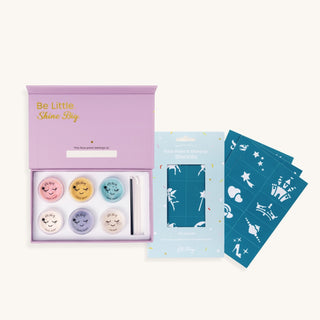
- Expression/occasion: lip gloss, shimmer, nail color, hair accessories, temporary face gems, washable color.
Step 2: Match the product to age and sensitivity
- Younger tweens (roughly 8–11): prioritize easy removal and “play” categories (lip, nails, hair). Keep skincare basic and infrequent unless there’s dryness or sunscreen needs.
- Older tweens (roughly 11–13): you can expand slightly—still focusing on gentle cleansing, light hydration, sunscreen, and limited expression makeup.
- Sensitive skin/history of reactions: simplify even more. Introduce one new product at a time and patch test when appropriate.
When choosing clean beauty for tweens, age and individual sensitivity should guide the routine more than trends, elaborate product collections, or claims that every young person needs the same skincare steps.
Step 3: Set a Foundationless boundary
Popsicle’s parent-friendly rule: delay complexion correction-focused products (foundation, concealer, simple skin care, simple moisturizers, and correction-focused routines). They shift the goal from play to “fixing,” and they can normalize the idea that a child’s face is a problem to manage. If your tween is asking to “cover” something, that’s a cue to check in emotionally—and, if needed, talk with a qualified clinician about persistent acne, irritation, or distress.
Ingredient and label checklist
When parents ask about clean beauty for tweens, they’re often trying to avoid irritation, unnecessary exposures, or greenwashing. This checklist keeps you grounded in what you can actually verify on a label.
1) Fragrance: the biggest “hidden” variable
Fragrance is a common reason products smell fun—but it can also be a common trigger for sensitive skin. If your child is reactive, consider fragrance-free options, or choose lightly scented products used away from the face.
Label nuance: the FDA notes that individual fragrance ingredients don’t have to be listed separately, which can make it hard to know what’s inside a “fragrance” blend.
2) Colorants and dyes: know what you’re comfortable with
Tweens love color. That’s not the problem—how the product is positioned and used matters more. If you’re trying to minimize certain synthetic dyes or prefer mineral pigments, you may need to compare brands and read full INCI ingredient lists carefully.
3) Glitter and shimmer: manage migration risk
Sparkle is a classic tween request. Your job is to make it safer-feeling:
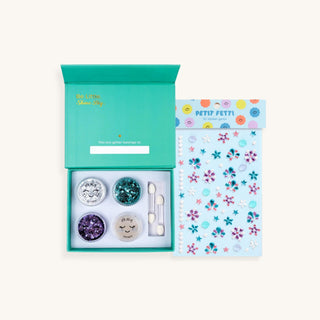
- Choose glitter/shimmer intended for cosmetic use (not craft glitter).
- Avoid loose glitter near eyes; prefer pressed formulas or face gems applied away from the lash line.
- Have a removal plan (gentle cleanser, soft cloth, patience—no harsh scrubbing).
4) Actives (acids, retinoids, “resurfacing”): usually a pause
If a product sounds like it’s designed to change skin texture quickly (strong exfoliating acids, “peels,” retinoids, intense acne systems), that’s typically adult skincare logic. Many tweens do best with a gentle cleanser, a basic moisturizer, and sunscreen—plus clinician guidance if acne becomes persistent or upsetting.
5) Essential oils and botanicals: “natural” can still irritate
Plant ingredients can be wonderful, but they’re not automatically gentle. For sensitive kids, fewer botanicals and fewer scent components can mean fewer surprises.
6) “Clean” seals and claims: treat as clues, not conclusions
Certifications or retailer “clean” lists can be helpful signals, but no single badge replaces reading the ingredient list and matching it to your child’s needs. If a brand uses big safety language but makes it hard to find a full ingredient list, that’s a red flag for transparency.
For parents comparing clean beauty for tweens, certifications can provide useful context, but clear ingredient lists, age-appropriate product purposes, and realistic directions for use remain more informative than a single badge or marketing claim.
What to buy (and what to delay) for age-appropriate beauty play
Shopping clean beauty for tweens gets much easier when you separate expression from correction. For a closer look at product types, ingredient checks, hygiene, and gentle removal, read our guide to choosing non-toxic makeup for tweens before building a starter collection.
Better starter categories (expression + easy removal)
- Lip care: lip balm, lip oil, or a gentle gloss. Look for comfortable wear and easy wipe-off.
- Nails: age-appropriate nail color and simple nail art (with parent rules about ventilation and removal).
- Hair: detanglers, gentle styling creams, and fun accessories for “look” without face coverage.
- Body care: gentle body wash and lotion; keep fragrance level aligned with sensitivity.
- Occasion sparkle: face gems or shimmer applied away from eyes, plus a removal routine.
Categories to delay (correction + performance beauty)
- Complexion coverage: foundation, concealer, simple skin care, simple moisturizers, “blurring,” “poreless,” or “flawless” routines.
- Adult glam steps: contour/sculpting, heavy baking, long-wear full-face routines for school days.
If your tween wants makeup because of a special event, keep the goal clear: makeup as art, not armor. A little color can be fun. The message should never be, “Your natural face isn’t enough.”
Common mistakes to avoid
Even when products are marketed as clean beauty for tweens, shopping habits and daily use still influence whether a routine remains simple, age-appropriate, and comfortable. Avoid these common mistakes when introducing new products.
- Buying a whole routine at once. Introduce one product at a time so you can spot what works (and what doesn’t).
- Assuming “clean” means reaction-proof. Skin is personal. Even “cleaner” products can irritate. Patch test when appropriate.
- Letting trend content set the standard. Social media often rewards extremes (more steps, more product, more transformation). Your home standard can be calmer and simpler.
- Using makeup to manage feelings about “imperfections.” If the motivation is embarrassment or self-correction, pause and reframe toward care and confidence.
- Sharing makeup or skipping basic hygiene. Encourage your tween to use their own products, wash hands, and keep tools clean—especially around eyes and lips.
- Ignoring removal. The most “gentle” product becomes not-so-gentle if it’s slept in. Build a simple wash-off habit.
- Overdoing eyes. Glitter migration, rubbing, and watery eyes happen. Keep eye-area products minimal and age-appropriate.
- Falling for greenwashing tells. If a brand uses vague claims (“non-toxic,” “chemical-free,” “no bad stuff”) without specifics and full ingredient lists, treat it as marketing—not clarity.
How Popsicle Beauty Club helps parents shop clean beauty for tweens
Popsicle Beauty Club is designed to be the practical clean kids’ beauty hub parents wish existed: a place where you can shop with age-appropriateness in mind, not just aesthetic trends.
- One place to compare: Instead of chasing “clean” lists across the internet, you can browse vetted, kid/tween-relevant categories in one curated marketplace.
- Parent-first curation: Popsicle prioritizes clearer labels, simpler routines, and products that fit real life (school mornings, sports, sleepovers, parties).
- Foundationless boundaries built in: The goal is to keep makeup playful and expressive—without normalizing correction-focused complexion routines for kids.
If you’re deciding what to buy first, start with: a gentle cleanser, a basic moisturizer (if needed), a sunscreen your child will wear, and one “fun” item like lip balm or nails. That mix supports both care and creativity—without turning the face into a project. Our guide to building an easy kids skincare routine shows how to keep cleansing, moisturizing, and daily sun protection simple without introducing unnecessary actives or too many steps at once.
Bottom line
The best clean beauty for tweens is simple, transparent, and age-appropriate: fewer products, gentle basics, easy removal, and a clear boundary against correction-focused routines. When in doubt, choose care over coverage, and keep makeup as art—not armor.
Sources and further reading
- NIEHS: Cosmetics and Your Health - Explains what cosmetics are and notes that most cosmetics/ingredients aren’t FDA preapproved (except color additives).
- FDA: Phthalates in Cosmetics - Notes how fragrance labeling can limit what shoppers can see on an ingredient declaration.
- Parents: Derms recommend simple skincare for tweens - Reinforces that young skin typically does best with gentle, minimal routines.
Want to understand the science and ethics behind clean beauty? Read The Science & Ethics Behind Non-Toxic Beauty to explore what makes a product truly non-toxic and how to navigate misleading labels.
About the Author: This article was written by the contributing writers at Popsicle Beauty Club—a team of moms, educators, and clean beauty advocates passionate about creating a safer, more imaginative world for kids. We believe in empowering parents with trusted information and offering fun, non-toxic beauty and personal care products that let children play, express, and explore—without compromising their health.