
Table of Contents
- Introduction
- 1) What “non toxic” really means in makeup (and why it’s not a regulated promise)
- 2) The label-reading checklist: what to prioritize for tween skin
- 3) Shopping criteria that actually matter (beyond buzzwords)
- 4) Ingredient “red flags” vs. realistic concerns: a calm approach
- 5) A tween-friendly routine: simple steps that make makeup safer
- 6) Patch testing, hygiene, and expiration: the practical safety basics
- 7) Building a kids makeup kit non toxic shoppers can feel good about
- Bottom line: choosing non toxic makeup for tweens without overthinking it
- FAQs
Introduction
Shopping for non toxic makeup for tweens can feel oddly complicated: tweens want to experiment, parents want reasonable safety, and the beauty aisle is full of labels like “clean,” “natural,” and “non-toxic” that don’t always mean the same thing. The goal isn’t to panic-buy “the safest” item on the shelf—it’s to choose products that are age-appropriate, well-labeled, gentle in real-world use, and easy to remove at the end of the day.
This guide breaks down what to look for (and what to skip) when buying non toxic makeup for tweens, plus practical tips for building a small kit and using it in a skin-friendly way.
1) What “non toxic” really means in makeup (and why it’s not a regulated promise)
In beauty, “non-toxic” is often used as a marketing phrase—not a standardized certification with one universal definition. That doesn’t mean the term is useless, but it does mean you’ll get better results by looking at the details: ingredients, fragrance, pigment type, and how the product is meant to be used (lips vs. eyes vs. face).
When families search for non toxic makeup for tweens, they’re usually trying to avoid a few common issues:
- Irritation (stinging eyes, itchy cheeks, dry lips)
- Fragrance sensitivity (especially in face products)
- Messy, hard-to-remove formulas that lead to scrubbing
- Adult-style performance makeup that’s heavy, long-wear, or more likely to clog pores for some kids
Instead of relying on the front label alone, treat “non toxic” as a starting point and verify with the ingredient list and the brand’s transparency.
2) The label-reading checklist: what to prioritize for tween skin
Not every tween has sensitive skin, but many are in the early stages of oil changes, occasional breakouts, or dryness around the nose and cheeks. For non toxic makeup for tweens, look for simple, gentle formulas and clear labeling.
Fragrance and essential oils
If your tween is prone to irritation, consider fragrance-free options for face and eye products. “Fragrance” (or “parfum”) can be a common trigger for sensitive skin. Essential oils can also be irritating for some people, even when a product is positioned as “natural.” If you love a scented product, keep it to lower-risk areas (like a body shimmer used occasionally) and avoid the eye area.
Eye-area caution
The eye area is more delicate, and some pigments or formulas can sting. For a tween experimenting with color, look for products clearly intended for eyes (not craft glitter or multipurpose pigments that aren’t labeled for eye use). Avoid loose glitter near eyes; choose pressed shimmer shadows or subtle cream sticks designed for lids.
“Hypoallergenic” and “dermatologist-tested”
These terms can be helpful but aren’t guarantees. Different brands use different testing standards. Use them as supporting signals, not the only reason to buy.
Comedogenic claims
“Non-comedogenic” can be a nice bonus for face products, but again, it’s not universal. What matters most is how the product wears on your tween’s skin and how thoroughly it’s removed.
Families wanting a deeper understanding of cosmetic ingredient safety can also explore the hidden additives and pigments commonly found in mainstream children’s cosmetics.
3) Shopping criteria that actually matter (beyond buzzwords)
Whether you’re comparing non toxic makeup for kids options online or browsing in-store, these practical filters tend to lead to better purchases.
- Choose makeup that’s easy to remove: If it takes heavy scrubbing, it’s not tween-friendly. Look for washable formulas, creamy tints, and balms that break down quickly with cleanser.
- Go sheer and buildable: Tinted balms, sheer blushes, and light mascara-like products (when age-appropriate) give the “fun” factor without the heavy feel.
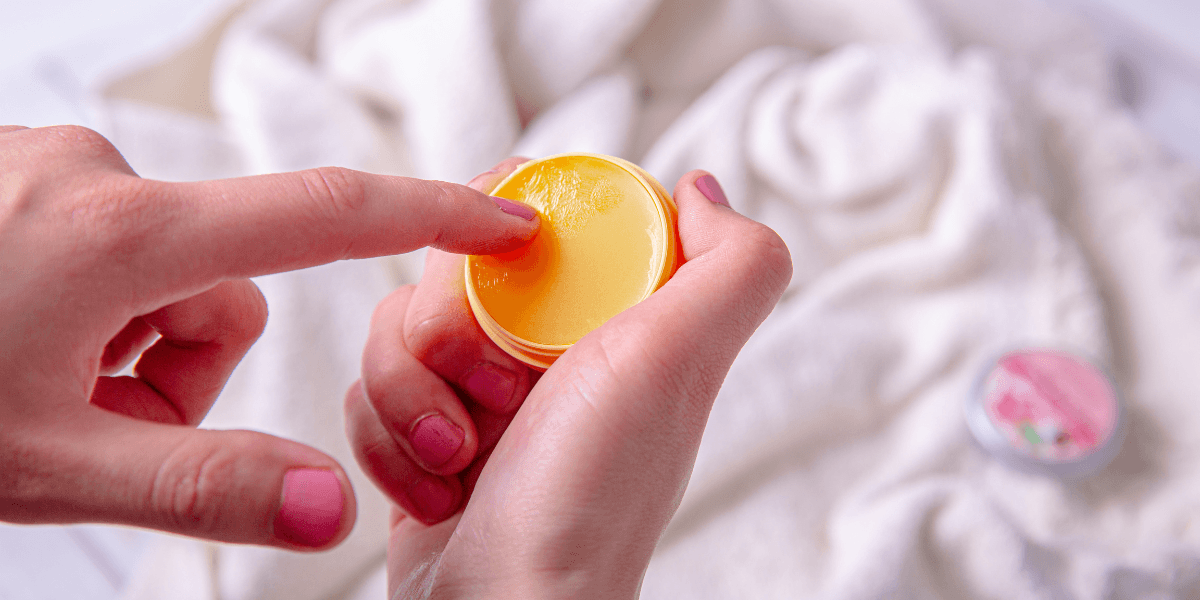
- Prioritize packaging that stays clean: Pumps, squeeze tubes, or stick formats are often more hygienic than open pots. If you buy pots, add a small clean spatula and teach your tween not to double-dip.
- Avoid “play makeup” that feels like a toy: Many parents searching for non toxic kids makeup end up with kits that look cute but don’t perform well, smell strongly, or are harsh to remove. You don’t need luxury makeup—just well-made, clearly labeled products.
- Start with fewer items: The best non toxic makeup for kids is often a small set of reliable basics rather than a giant palette with every shade.
One more practical point: choose shades your tween will actually wear. A berry lip balm and a peachy cream blush get used; neon glitter often gets ignored after the first day.
4) Ingredient “red flags” vs. realistic concerns: a calm approach
Parents often ask for a list of “bad ingredients,” but it’s more useful to think in terms of common irritants, avoidable risks, and age-appropriate formulas. Everyone’s skin is different, and an ingredient that bothers one person can be fine for another.
Consider being extra cautious with:
- Strong fragrance in face products (especially if your tween gets redness or headaches from scented products).
- Loose glitter near eyes (more likely to migrate and irritate).
- Very long-wear, waterproof formulas if your tween won’t remove makeup thoroughly—these can require oil-based removers and more rubbing.
- Unlabeled “DIY” pigments or products not intended for cosmetic use.
When shopping for non toxic makeup for tweens, the best safety move is often the simplest: buy from brands that list full ingredients, provide clear usage directions, and don’t hide behind vague claims. Understanding which ingredients are most commonly linked to irritation and sensitivity can help parents make more informed clean beauty choices.
5) A tween-friendly routine: simple steps that make makeup safer
The safest makeup isn’t just what you buy—it’s how you use it. A routine should be quick enough that a tween will actually do it.
Before makeup (30–60 seconds)
- Clean hands: quick wash prevents transferring grime and bacteria to face products.
- Light moisturizer: helps makeup glide on and reduces the temptation to tug at skin.
- Optional SPF: if it’s daytime, use a dedicated sunscreen your tween already tolerates (makeup shouldn’t be the only sun protection).
During makeup (keep it minimal)
- Lips: tinted balm or gloss is usually the easiest entry point.
- Cheeks: a sheer cream blush stick or balm (apply with clean fingers or a small brush).
- Eyes: a soft shimmer or neutral shadow; if using mascara, pick a gentle formula and avoid tightlining the waterline.
Removal (the non-negotiable step)
Makeup removal is where many issues start: rubbing, leftover residue, and eye irritation. For kids non toxic makeup, aim for products that come off with a gentle cleanser or micellar water and a soft cotton pad.
- Remove eye makeup first: hold a damp pad on the lash line for a few seconds, then wipe gently—don’t scrub.
- Cleanse: use a mild face cleanser (or a gentle second cleanse if needed).
- Moisturize: especially if your tween used powder or wore makeup for several hours.
We highly recommend this moisturizer by Mebeme. The Gentle All Natural Moisturizer is a lightweight kids face moisturizer specially formulated for normal to sensitive skin. Powered by Australian Emu Apple extract, it delivers antioxidants to strengthen the skin’s barrier and boost natural radiance. Lavender oil helps calm irritation and ease sensitivity, while Ylang Ylang oil reduces redness and supports balanced hydration. Together, these plant-based ingredients leave young skin soft, nourished, and comfortable without heaviness or residue.
Gentle Moisturizer for Kids, Normal to Sensitive Skin
$14.99
The Gentle All Natural Moisturizer is a lightweight kids face moisturizer specially formulated for normal to sensitive skin. Powered by Australian Emu Apple extract, it delivers antioxidants to strengthen the skin’s barrier and boost natural radiance. Lavender oil helps calm… read more

6) Patch testing, hygiene, and expiration: the practical safety basics
If you’re trying non toxic makeup for tweens for the first time, build in two habits that prevent most problems: patch testing and cleanliness.
- Patch test new products: Apply a small amount to the inner arm or behind the ear and wait to see if irritation shows up. If there’s discomfort, redness, or swelling, don’t use it on the face. (When in doubt, stop using the product and consider checking with a qualified professional.)
- Don’t share makeup: Sharing spreads bacteria and can pass along eye infections. If friends want to try something, use disposable applicators.
- Wash brushes and sponges: A simple weekly wash with gentle soap and warm water is a good baseline.
- Respect “period after opening” symbols: That little jar icon (like 6M, 12M) matters—especially for eye products.
These steps are often more important than chasing the perfect label claim.
7) Building a kids makeup kit non toxic shoppers can feel good about
If you’re assembling a kids makeup kit non toxic style set, start small and choose products that match how tweens actually live (school days, sleepovers, sports, weekend outings). A practical starter kit might include:
- Tinted lip balm or lip oil (sheer, comfortable, easy to reapply)
- Cream blush stick (blendable, forgiving, doubles as a lip tint for some)
- Soft shimmer eyeshadow in a neutral or fun shade (pressed, not loose)
- Clear brow gel (optional, subtle, and less risky than heavy eye looks)
- Gentle remover (micellar water or a mild cleansing balm) plus soft cotton pads
- One small brush (like a fluffy blending brush) and a simple pouch
What to skip at the start: heavy full-coverage foundation, strong contour kits, highly fragranced face products, and anything that’s hard to remove. The best kit is the one your tween can use confidently and cleanly.
Bottom line: choosing non toxic makeup for tweens without overthinking it
Non toxic makeup for tweens is less about one magic label and more about smart choices: clear ingredient lists, gentle and easy-to-remove formulas, hygienic packaging, and an age-appropriate routine that includes removal every time. Check labels, choose fragrance thoughtfully, avoid loose glitter around the eyes, and patch test new products—especially if your tween has sensitive skin.
If you keep the kit small and the routine simple, non toxic makeup for tweens can be a fun, practical way for kids to explore beauty while learning good habits they’ll use for years.
For a complete guide on non-toxic play makeup, check out our in-depth resource: The Ultimate Guide to Non-Toxic Play Makeup for Kids for expert tips, product recommendations, and everything you need to know about choosing safe beauty play products for your child.
About the Author: This article was written by the contributing writers at Popsicle Beauty Club—a team of moms, educators, and clean beauty advocates passionate about creating a safer, more imaginative world for kids. We believe in empowering parents with trusted information and offering fun, non-toxic beauty and personal care products that let children play, express, and explore—without compromising their health.