
Table of Contents
- Introduction
- Why “toddler lips” need a simpler approach
- Ingredients to look for in chapstick for 2 year old kids
- Ingredients parents often skip (and why)
- Shopping criteria beyond the ingredient list: texture, package, and hygiene
- How to use chapstick for 2 year old kids: patch test and a simple routine
- When it’s not just “dry lips”: practical red flags and what to do
- Related kid beauty questions: nail polish for 2 year old, plus older-kid skincare
- Bottom line: a quick checklist for chapstick for 2 year old shopping
- FAQs
Introduction
Shopping for chapstick for 2 year old kids can feel surprisingly complicated: your toddler’s lips are small, they lick everything, and “flavored” often means they’ll want to eat the balm like candy. The goal is usually simple—comfort and barrier protection—so the best choice is often a straightforward, low-irritant formula you can apply quickly, that stays put, and that doesn’t turn into a constant lick-and-reapply cycle.
This guide breaks down chapstick for 2 year old ingredient labels in a practical way: what tends to be helpful, what commonly causes problems for little ones, and what to look for in the package and texture. You’ll also find realistic routine tips (including when and how to patch test), plus quick answers to related questions parents search for, like lip balm for 2 year old options, chapstick for 3 year old differences, and even kid-friendly nail polish considerations.
Why “toddler lips” need a simpler approach
Lips don’t have oil glands like the rest of the face, so they dry out easily. Add in cold weather, saliva from frequent licking, and the occasional runny nose wipe, and chapping is common. With toddlers, the challenge is less about “stronger” products and more about keeping the formula gentle and avoiding ingredients that may sting, tingle, or encourage licking.
When choosing chapstick for 2 year old kids, think of it as selecting a barrier product first and a “fun” product second. A balm that is heavily flavored, fragranced, or cooling can feel exciting but may backfire by making lips feel temporarily better while increasing lip-licking, which can worsen dryness over time.
Ingredients to look for in chapstick for 2 year old kids
There’s no single perfect lip balm ingredient list, but most parent-approved formulas share a similar structure: an occlusive (to seal), an emollient (to soften), and sometimes a humectant (to hold water). Here’s what tends to be helpful and easy to shop for on labels when looking for chapstick for 2 year old children.
Barrier and sealing ingredients (occlusives)
- Petrolatum: Very effective at sealing in moisture and reducing water loss. Many people prefer it because it’s simple and generally well-tolerated. If you prefer plant-based, you can choose alternatives, but petrolatum is a classic for a reason.
- Beeswax or candelilla wax: Adds structure and helps the balm stay on the lips longer (useful if you don’t want to reapply every 10 minutes).
- Lanolin: Great for barrier support for some families, but it can irritate or trigger sensitivity in others. If you’re trying it for the first time, patch testing matters.
Softening ingredients (emollients)
- Shea butter: Common, cushioning, and usually gentle.
- Cocoa butter: Rich and protective; can be a bit heavier.
- Castor oil, sunflower oil, safflower oil: Often used to add slip and reduce drag during application.
Moisture-supporting ingredients (humectants)
- Glycerin: Helps hold water; can be nice in a balm that isn’t too glossy.
- Hyaluronic acid: Sometimes included, though it’s more common in glossy treatments than waxy sticks. In very dry environments, humectants work best paired with a good occlusive on top.
“Short list” formulas are often a win
When buying chapstick for 2 year old kids, a shorter ingredient list can make it easier to identify what might cause irritation if your child reacts. Look for balms positioned as fragrance-free or unscented, with a focus on barrier ingredients rather than “plumping,” “cooling,” or “tingly” effects.
Ingredients parents often skip (and why)
Not every toddler reacts the same way, and a parent may successfully use products that others avoid. Still, if you want the highest odds of comfort with chapstick for 2 year old children, these are common “think twice” categories to spot on labels.
- Fragrance/parfum and essential oils: These can smell lovely, but they’re frequent irritants—especially on already-chapped lips. Peppermint, citrus, and cinnamon oils are common culprits for stinging.
- Flavorings: “Yummy” flavors can encourage licking and re-licking, which can worsen dryness. If you’ve ever watched a toddler repeatedly lick off balm, you know how quickly this happens.
- Menthol, camphor, phenol: Cooling or medicated sensations may be uncomfortable for little kids and can be irritating on compromised skin.
- Salicylic acid and strong exfoliating acids
- Plumping ingredients (often tied to tingling): Not toddler-appropriate for everyday dryness.
- Strong sunscreen actives on the lips: Lip SPF is useful outdoors, but for toddlers it’s worth choosing a formula they tolerate (and that you can apply consistently) rather than forcing a product that causes rubbing, licking, or refusal. If you’re using an SPF lip product, check the label and consider asking your pediatrician for general sunscreen guidance.
None of this is meant to be alarming—it’s simply about stacking the odds in your favor. For many families, the “best” chapstick for 2 year old option is the one that’s boring, comfortable, and easy to keep in a pocket.
Parents wanting to better understand ingredient labels can also explore the most common cosmetic additives linked to irritation and sensitivity in children’s beauty products.
Shopping criteria beyond the ingredient list: texture, package, and hygiene
Labels matter, but so does how the balm behaves in real life with a toddler.
Choose a texture that stays put
- Waxy sticks: Often less messy, more durable, and less likely to migrate around the mouth. Great for quick swipes.
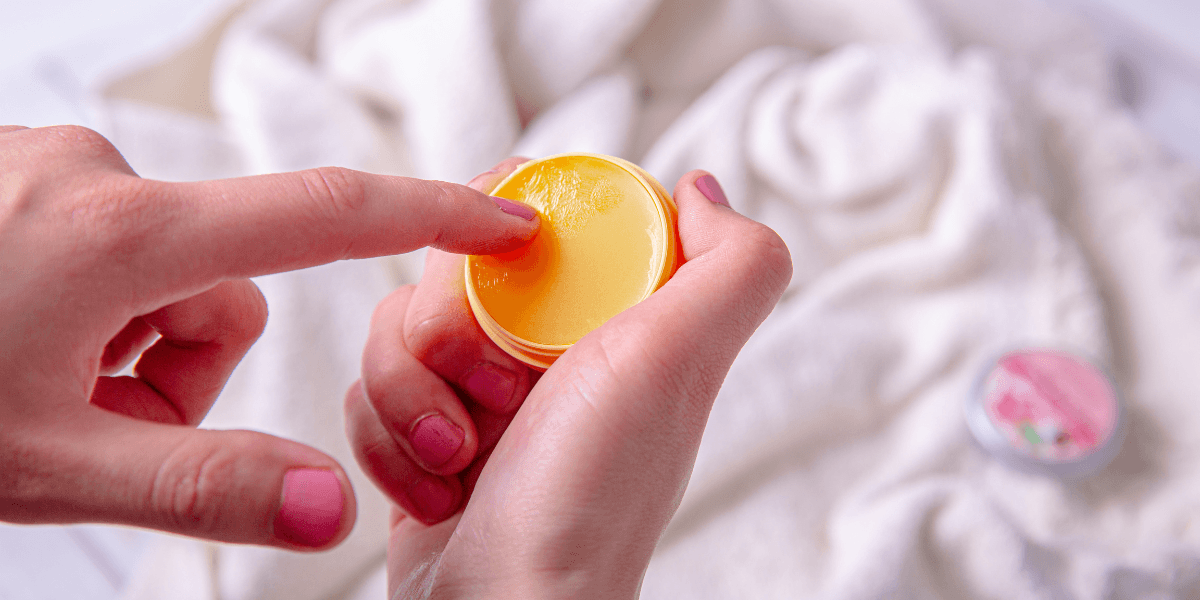
- Ointment-style balms: Very effective barriers, especially for nighttime, but can be shiny or spread easily if applied too heavily.
- Very glossy formulas: Can feel slippery and tempt kids to lick. Not always, but it’s a pattern many parents notice.
Consider a package you control
- Stick: Easiest to keep clean if a parent applies it and caps it immediately.
- Squeeze tube: Hygienic if you avoid touching the tip to the lips; good for quick parent application.
- Jar/pot: Often messier and requires clean hands. If you choose a pot, consider using a clean spatula at home.
Plan for the “toddlers will toddle” factor
Even if you buy the most gentle chapstick for 2 year old option, toddlers may smear it, drop it, or share it with siblings. If a balm becomes a toy, replace it—mainly for hygiene and to avoid gritty debris that can scratch sensitive skin.
How to use chapstick for 2 year old kids: patch test and a simple routine
Great product choice helps, but consistency (and preventing irritation) is what makes it work.
Patch test when you’re trying something new
Especially if your child has sensitive skin, eczema tendencies, or you’re trying a balm with lanolin, botanical extracts, or SPF actives, do a quick patch test:
- Apply a tiny amount to a small area of skin (many parents use the outer forearm).
- Wait and observe over the next day for redness, bumps, or irritation.
- If skin looks calm, try a light application on the lips.
Patch testing can’t predict every reaction, but it can reduce surprises. And yes—always check the label even on familiar brands, because formulas can change.
A realistic, low-drama routine
- Morning: Apply a thin layer after brushing teeth and wiping the mouth clean. Less is more; a greasy ring around the lips can trap saliva and irritate skin.
- Before outdoor time: Reapply if it’s windy/cold or if your toddler is in the lick-everything phase that day.
- After meals: Wipe gently with water or a soft cloth (avoid aggressive rubbing), then reapply a small amount if needed.
- Bedtime: This is often the best time for a slightly thicker barrier layer because licking is reduced during sleep.
How much to apply
For chapstick for 2 year old kids, aim for a thin, even film. If lips look wet or glossy from across the room, it’s probably more than you need—especially during the day when that shine can invite licking and smearing.
When it’s not just “dry lips”: practical red flags and what to do
Most chapping is minor and improves with a gentle barrier routine. But sometimes lips look worse because the skin around the mouth is irritated (often from saliva, food residue, or frequent wiping), not because the lips “need stronger chapstick.”
- If the skin around the mouth is red: Focus on keeping the area clean and dry, then apply a thin barrier layer around (not just on) the lips. Avoid fragranced wipes and minimize rubbing.
- If a balm stings on application: Stop using it. This can happen with minty/cooling ingredients, fragrance, or certain botanicals—especially on already irritated lips.
- If cracking, bleeding, or persistent irritation continues: Consider checking in with your pediatrician for general guidance. It may be something like irritation from licking, allergies, or another skin issue that needs a different approach.
In other words, the “best” chapstick for 2 year old option is sometimes less about a special product and more about removing irritants and using a consistent barrier.
Related kid beauty questions: nail polish for 2 year old, plus older-kid skincare
Parents shopping for gentle lip care often end up browsing other “kid beauty” categories. Here’s a grounded, non-hype way to think about a few common searches.
Nail polish for 2 year old: what to consider
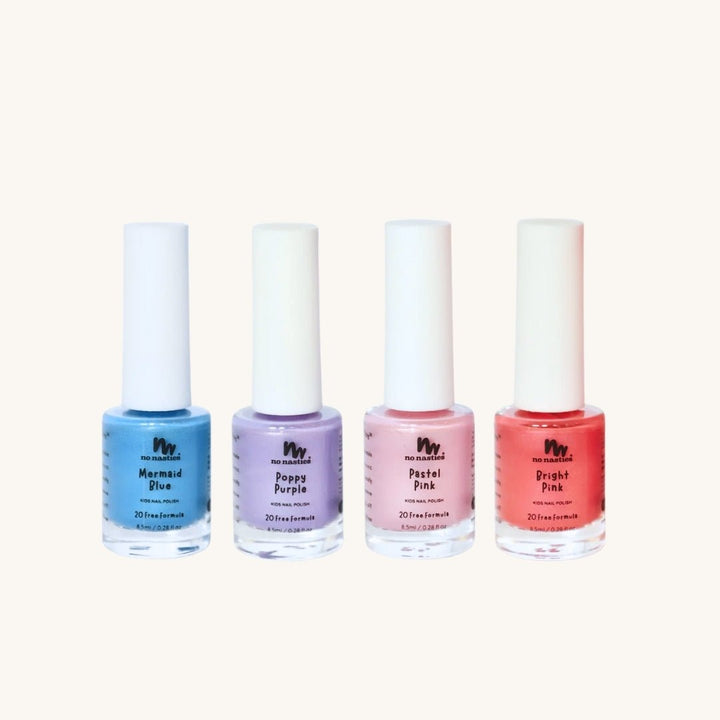
If you’re considering nail polish for 2 year old kids, prioritize products marketed specifically for children and consider how likely your toddler is to put fingers in their mouth. Look for clear labeling, simple directions for removal, and avoid strong solvent smells in enclosed spaces. Regardless of the formula, supervise use, let nails dry fully, and discontinue if you notice irritation around the nail folds. We highly recommend this nail polish by No Nasties.
20 FREE Unscented, Non-Toxic Nail Polish for Kids
$9.99
Give your little one’s nails a safer mani/pedi with this 20 FREE Unscented Nail Polish—meaning it’s made without the 20 most common toxic ingredients found in conventional nail polish, including formaldehyde (a known carcinogen), toluene (linked to headaches and nervous… read more
Lip balm for 2 year old vs. chapstick for 3 year old
Many parents use “lip balm” and “chapstick” interchangeably. Functionally, the same label-reading rules apply to lip balm for 2 year old kids and to chapstick for 3 year old kids: choose gentle, fragrance-free options, avoid tingly actives, and keep textures that don’t encourage licking. The older the child, the easier it may be to teach “one swipe and done,” but the ingredient priorities don’t radically change. We highly recommend this all-natural lip balm by Popy & Pout. It is made with 100% natural ingredients, giving little lips safe, nourishing hydration they can feel good about. Each fruity flavor comes in a child-friendly push-up tube, perfectly sized for small hands, making application easy while teaching moderation and the basics of self-care.
The formula features ethically sourced beeswax, which locks in moisture, delivers natural vitamin A to help repair delicate skin, and supports healthy honeybee populations through responsible harvesting.
All-Natural Kids Lip Balm
$29.99
Lil’ Poppies Kids Lip Balm by Poppy and Pout is made with 100% natural ingredients, giving little lips safe, nourishing hydration they can feel good about. Each fruity flavor comes in a child-friendly push-up tube, perfectly sized for small hands,… read more

Best face wash for 7 year old and natural skin care for 10 year old
For the best face wash for 7 year old kids, most families do well with a mild, fragrance-free cleanser used once daily (or just water in the morning), especially if the child isn’t dealing with acne yet. For natural skin care for 10 year old kids, “natural” doesn’t automatically mean gentler—fragrance and essential oils are still common irritants—so the same principle applies: check labels, patch test new products, and keep routines simple.
Teen Skin Ultra Gentle Foaming Face Wash for Kids
$16.99
The Teen Skin Ultra Gentle Foaming Face Wash is designed specifically for teens and pre-teens, making skincare simple and safe from the start. This fragrance-free, oil-free formula creates a rich, airy foam that lifts away dirt, excess oil, and environmental pollutants… read more

Bottom line: a quick checklist for chapstick for 2 year old shopping
If you want a fast way to evaluate chapstick for 2 year old options in the aisle or online, use this list:
- Look for: petrolatum or wax/butter-based barrier formulas; fragrance-free/unscented; short ingredient lists; a stick or tube you can keep clean.
- Be cautious with: flavorings, essential oils, fragrance/parfum, menthol/camphor/tingly “medicated” sensations, and anything that encourages frequent licking.
- Use smart: apply a thin layer, especially during the day; reapply after wiping/meal cleanup; do a slightly thicker layer at bedtime.
- Always: check labels (formulas change) and patch test when trying a new product or if your child is sensitive.
With a gentle formula and a simple routine, chapstick for 2 year old kids can be a small, practical tool—more about comfort and barrier care than about bells and whistles.
For a deeper dive into safe skincare for kids, visit Safe & Non-Toxic Skincare for Kids to discover the best clean beauty products, DIY recipes, and tips for keeping your child’s skin healthy and toxin-free.
About the Author: This article was written by the contributing writers at Popsicle Beauty Club—a team of moms, educators, and clean beauty advocates passionate about creating a safer, more imaginative world for kids. We believe in empowering parents with trusted information and offering fun, non-toxic beauty and personal care products that let children play, express, and explore—without compromising their health.