
Table of Contents
- Introduction
- 1) What “clean” means (and doesn’t) in clean play makeup
- 2) Who clean play makeup is for (and what “kid-friendly” should look like)
- 3) Label-reading made simple: a practical checklist
- 4) Shopping criteria that matter in real life (beyond ingredients)
- 5) How to use clean play makeup safely and comfortably (patch test, routine, and cleanup)
- 6) Red flags and misleading “clean” marketing patterns
- 7) Bottom line: how to buy clean play makeup with confidence
- FAQs
Introduction
Shopping for clean play makeup can feel oddly high-stakes: you want something fun and expressive, but also practical for real life (quick application, easy removal, minimal mess), and you’d like ingredients and manufacturing choices you can feel good about. The tricky part is that “clean” isn’t a single, regulated standard across the beauty industry. That doesn’t mean it’s meaningless—it just means your best tool is knowing what to look for on the label and choosing products designed for kids’ routines, not adult glam.
This guide is meant for parents and beauty shoppers who want clear shopping criteria, a little product-safety context, and realistic “how to use it” advice. You’ll see where clean play makeup shines, where marketing can get fuzzy, and what simple steps (like reading ingredient lists and patch testing) help you buy with confidence.
1) What “clean” means (and doesn’t) in clean play makeup
In practice, clean play makeup usually signals a brand’s intention to avoid certain ingredient families (often things like specific preservatives, fragrances, or certain pigments) and to prioritize transparency. But because “clean” isn’t universally defined, two products can both call themselves clean and still have very different formulas.
Instead of relying on the word “clean” alone, treat it as a starting point and ask:
- Does the brand publish a full ingredient list (INCI) for each shade/product? If not, it’s hard to evaluate anything meaningfully.
- Are the claims specific? “Free from” lists can be helpful, but they’re most useful when paired with what is included and why.
- Is it made for play? Products designed for kids should consider quick cleanup, gentle wear time, and simple removal.
Also: “clean” doesn’t automatically mean non-irritating for every child. Even very simple formulas can bother someone who’s sensitive to fragrance, certain botanical extracts, or specific preservatives. That’s why label-checking and a patch test matter even when the product is marketed as clean play makeup.
2) Who clean play makeup is for (and what “kid-friendly” should look like)
Most families shop for clean play makeup for kids because it’s a low-pressure way to explore color and creativity: tinted balms, soft shimmers, dress-up palettes, and gentle face stickers or temporary accents. The “right” choice depends on your child’s age, temperament, and how they’ll actually use it.
In general, kid-friendly design looks like:
- Easy-on formats: balm sticks, sheer creams, or pressed powders that don’t kick up clouds of pigment.
- Easy-off wear: products that come off with mild cleanser and lukewarm water (no harsh scrubbing).
- Low-mess packaging: sturdy compacts, twist-up tubes, and lids that close securely.
- Simple shade stories: fewer, wearable colors can be more useful than a huge palette that’s hard to manage.
Parents often search terms like clean makeup for kids, clean kids makeup, kids clean makeup, or clean makeup for girls—but the best products are less about gender and more about comfort, simplicity, and good hygiene. If a product encourages sharing (sleepovers, playdates), prioritize packaging that minimizes double-dipping and is easy to sanitize.
3) Label-reading made simple: a practical checklist
If you’re comparing options in the “clean” category, the ingredient list is your most reliable reference point. Here’s a grounded, shopper-friendly way to read it—without needing a chemistry degree.
Start with transparency
- Look for the full INCI list per product/shade. “Proprietary blend” language is common in supplements, but for cosmetics you should be able to see what’s inside.
- Check for use area guidance. Some products are meant for lips and cheeks; others are not intended for the eye area.
Watch for common sensitivity triggers (not “bad,” just worth noticing)
- Fragrance (parfum) and essential oils: These can be pleasant, but they’re also common irritants for some people. If your child is sensitive, fragrance-free may be simpler.
- Botanical extracts: “Natural” doesn’t always mean gentle. Plant extracts can still trigger reactions in sensitive skin.
- Glitter and sparkle: Look for smooth, cosmetic-grade shimmer rather than gritty particles—especially near the eyes.
Understand pigments and colorants at a high level
- Iron oxides, titanium dioxide, and mica are commonly used colorants in makeup. Many clean-leaning brands use these because they’re widely accepted and effective.
- Eye-area suitability: If a palette is marketed for face paint or play, confirm whether it’s intended for use around eyes. Don’t assume.
Preservatives matter (especially for creams)
Preservatives are a safety feature in water-containing products because they help control microbial growth during normal use. For clean play makeup that includes creams, glosses, or anything with water, don’t treat “preservative-free” as automatically better. Instead:
- Prefer clear guidance on shelf life (like a PAO symbol such as 6M/12M) and storage.
- Be cautious with DIY or “kitchen” makeup recipes for regular use—these can spoil quickly and are harder to keep sanitary.
Most importantly, check the label for any ingredient your child has reacted to before, and consider doing a patch test (details below) when trying a new product. Families wanting a deeper understanding of cosmetic ingredients can also explore which additives and pigments are most commonly linked to irritation and sensitivity in children’s beauty products.
4) Shopping criteria that matter in real life (beyond ingredients)
The best clean play makeup isn’t just about what’s in the formula—it’s also about how it fits into a kid’s routine and a parent’s cleanup reality. When you’re deciding what to buy, use these practical filters:
- Removability: If it takes long-wear remover to budge, it may be frustrating for kids and lead to rubbing. Look for products positioned as easy-wash.
- Transfer and staining risk: Highly saturated pigments can stain skin or fabrics. Check brand notes about staining and consider lighter, sheer formulas for everyday play.
- Applicators and hygiene: Favor squeeze tubes, pump bottles, twist-up sticks, or clean spatulas over open jars. If it’s a palette, plan for dedicated brushes.
- Breakability: Pressed powders can shatter in backpacks. Cream sticks or balms tend to survive drops better.
- Shade editability: Sheer color is more forgiving and easier for kids to self-apply without sharp lines.
- Clear boundaries for use: If your child tends to rub their eyes, stick to lip-and-cheek balms and avoid glittery eye products.
A helpful mindset: choose “training wheels” textures first (balms, soft creams), then graduate to powders or more pigmented products as your child learns how to apply and remove gently.
We highly recommend this natural play makeup kit by Oh Flossy. This natural play makeup kit lets little ones explore color and creativity with non-toxic, skin-friendly formulas parents trust.
Natural Kids Play Makeup Kit

$34.99
$40.99
Looking for a clean beauty gift that’s safe, fun, and worry-free? This natural play makeup kit lets little ones explore color and creativity with non-toxic, skin-friendly formulas parents trust. Each kit includes vibrant loose powder eyeshadows, soft blush, lipstick, and… read more
5) How to use clean play makeup safely and comfortably (patch test, routine, and cleanup)
Even the most thoughtfully made clean play makeup works best with a simple routine. The goal is comfortable wear, minimal irritation, and easy cleanup—without turning play into a big production.
Patch test when trying something new
If your child is prone to sensitivity or you’re introducing a new product category, do a small patch test: apply a tiny amount to a small area (like the inner forearm) and wait to see how the skin responds before using it on the face. Follow the product’s directions and stop using it if irritation occurs.
Keep application simple
- Start with clean, dry skin. Residual sunscreen or heavy moisturizer can make color slide around.
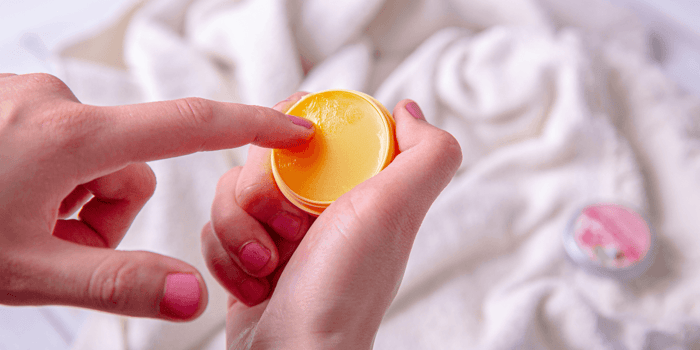
- Use clean tools. A small fluffy brush for powder blush or a clean fingertip for balm is often enough.
- Set boundaries for eye-area products. If it’s not labeled for eyes, keep it on cheeks/lips only.
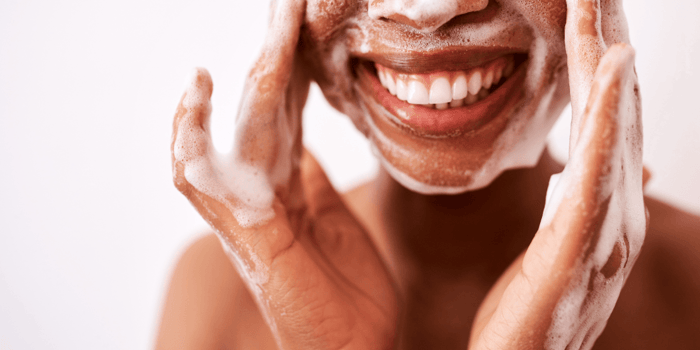
Removal: aim for gentle, no-scrub
- Use lukewarm water and a mild cleanser.
- Press, don’t rub—especially around eyes.
- Double cleanse only if needed (for balms, waxy sticks, or sunscreen underneath).
If a product routinely requires heavy scrubbing to remove, it may not be the best match for everyday play, even if it’s marketed as clean play makeup.
Storage and hygiene habits that actually stick
- One kid, one kit: Avoid sharing lip products to reduce germ transfer.
- Wipe sticks after use: A clean tissue swipe can keep the surface fresh.
- Wash brushes regularly: A gentle soap and warm water, then air dry fully.
- Keep lids closed: This helps prevent drying out and keeps dust out.
6) Red flags and misleading “clean” marketing patterns
It’s possible to shop confidently without getting cynical—just know the common pitfalls.
- No ingredient list available: If you can’t find the INCI, skip it.
- Overly broad fear-based language: Messaging that implies other products are “toxic” or unsafe by default isn’t helpful for making practical choices.
- Unclear use instructions: If it’s meant for face paint, lips, or eyes, that should be plainly stated.
- “Natural” as the only safety proof: Natural ingredients can still irritate; synthetic ingredients can be well-tolerated. Focus on the full formula and your child’s needs.
- Messy, hard-to-sanitize packaging: Cute jar packaging can be a hygiene headache for kids’ routines.
If you’re trying to choose clean play makeup for kids for frequent use (not just occasional dress-up), prioritize clarity, removability, and hygiene over trend claims. Parents building a safer beauty routine can also learn more about how clean beauty standards and ingredient transparency work across kids cosmetics and skincare.
7) Bottom line: how to buy clean play makeup with confidence
Clean play makeup can be a fun, parent-approved entry point to self-expression when you shop for transparency and real-life usability—not just a “clean” label. Look for full ingredient lists, clear use-area guidance, and formats that are easy to apply and remove. Then support it with basics: clean tools, closed lids, and a consistent wash-off routine.
Quick checklist before you buy:
- Ingredient list is available for the exact product/shade
- Fragrance/extracts make sense for your child’s sensitivity level
- Appropriate for the area used (lips/cheeks/eyes clearly stated)
- Easy removal with mild cleanser (no aggressive scrubbing)
- Hygienic packaging and a plan for brush cleaning
- Label check + patch test when introducing something new
With those basics, clean play makeup becomes what it should be: simple, creative fun that fits into everyday life.
For a complete guide on non-toxic play makeup, check out our in-depth resource: The Ultimate Guide to Non-Toxic Play Makeup for Kids for expert tips, product recommendations, and everything you need to know about choosing safe beauty play products for your child.
About the Author: This article was written by the contributing writers at Popsicle Beauty Club—a team of moms, educators, and clean beauty advocates passionate about creating a safer, more imaginative world for kids. We believe in empowering parents with trusted information and offering fun, non-toxic beauty and personal care products that let children play, express, and explore—without compromising their health.