
Table of Contents
- Introduction
- What Is the Clean Beauty Movement?
- Why Clean Beauty Matters for Kids and Tweens
- Ingredients to Avoid in Beauty Products
- Safer Ingredients to Look For
- How To Know if a Beauty Product Is Truly Clean
- Read the Ingredient List
- Use Ingredient Checker Apps
- Look for Trusted Certifications
- Research Brand Transparency
- Why U.S. Beauty Regulations Can Be Confusing
- Clean Beauty Glossary
- Best Clean Beauty Products for Kids
- Final Thoughts
- FAQs
Introduction
As children grow older, curiosity around skincare, makeup, haircare, and self-care products naturally starts to develop. Social media, beauty influencers, and colorful packaging can make beauty products feel exciting and harmless, but not every product marketed towards clean beauty products for kids or tweens is designed with sensitive skin and ingredient safety in mind.
That’s why understanding clean beauty products for kids has become increasingly important for modern families. Many conventional beauty products still contain ingredients linked to irritation, hormone disruption concerns, allergic reactions, or environmental issues. Learning how to identify safer alternatives can help parents make more informed choices while supporting healthier skincare habits from an early age.
The good news is that the clean beauty movement has made it easier than ever to find gentler, more transparent products designed with ingredient safety, sustainability, and sensitive skin in mind.
What Is the Clean Beauty Movement?
The clean beauty movement emerged as consumers became more aware of questionable ingredients commonly used throughout the beauty industry. Instead of focusing only on how products perform, clean beauty also examines ingredient transparency, long-term safety, environmental impact, and ethical sourcing.
Although definitions vary slightly between brands, clean beauty generally refers to products formulated without ingredients considered harmful, unnecessarily harsh, or controversial.
Many clean beauty brands prioritize:
- Ingredient transparency
- Gentler formulations for sensitive skin
- Reduced use of synthetic fragrance
- Safer preservatives
- Plant-based ingredients
- Cruelty-free testing methods
- Eco-conscious packaging
- Sustainable sourcing practices
For kids and tweens especially, this shift matters because younger skin tends to be thinner, more delicate, and more reactive than adult skin.
Why Clean Beauty Matters for Kids and Tweens
Children’s skin barriers are still developing, which means certain ingredients may cause irritation more easily than they would in adults. Eye areas, lips, and cheeks can be particularly sensitive to synthetic fragrance, dyes, preservatives, or harsh surfactants.
At the same time, many kids are beginning skincare routines earlier than previous generations. Products marketed online may encourage complicated routines or adult-oriented ingredients that simply are not necessary for younger skin.
Choosing clean beauty products for kids helps simplify routines while prioritizing:
- Gentle hydration
- Skin barrier support
- Reduced irritation risk
- Ingredient transparency
- Age-appropriate skincare habits
The goal is not perfection or fear. It’s simply creating safer, simpler routines that support healthy skin without unnecessary additives.
Ingredients to Avoid in Beauty Products
Reading ingredient labels can feel overwhelming at first, especially because some ingredient names are long or unfamiliar. However, understanding a few commonly discussed ingredients can make shopping decisions much easier.
Parabens
Parabens are preservatives used to prevent mold and bacteria growth in cosmetics and skincare products.
Common examples include:
- Methylparaben
- Propylparaben
- Butylparaben
Why some families avoid them:
- Concerns around hormone disruption
- Potential endocrine system interference
- Long-term exposure discussions within clean beauty research
Synthetic Fragrance
Fragrance may seem harmless, but “fragrance” or “parfum” can represent dozens — sometimes hundreds — of undisclosed chemicals.
Potential concerns:
- Skin irritation
- Allergic reactions
- Headaches or sensitivities
- Asthma triggers for some children
Fragrance-free or naturally scented products are often gentler for sensitive skin.
Ethoxylated Ingredients
Ingredients like:
- Sodium laureth sulfate (SLES)
- Polyethylene glycols (PEGs)
- Ceteareth compounds
are often used to improve texture or cleansing performance.
Potential concerns:
- Harshness on sensitive skin
- Dryness or irritation
- Potential contamination concerns during manufacturing
Formaldehyde & Formaldehyde-Releasing Preservatives
Some products contain preservatives that slowly release formaldehyde over time.
Common examples:
- DMDM Hydantoin
- Quaternium-15
- Imidazolidinyl Urea
Potential concerns:
- Skin irritation
- Respiratory sensitivity
- Carcinogen concerns associated with formaldehyde exposure
Refined Petroleum Ingredients
Ingredients such as:
- Mineral oil
- Petrolatum
- Paraffin
are common in lip care and moisturizers.
Potential concerns:
- Environmental impact
- Potential contamination with impurities
- Occlusive texture that may not suit every skin type
Hydroquinone
Hydroquinone is commonly used in skin-lightening products.
Potential concerns:
- Skin irritation
- Sensitivity
- Regulatory restrictions in some countries
This ingredient is generally unnecessary for children and tweens.
Talc
Talc is commonly found in powders and makeup products.
Potential concerns:
- Possible asbestos contamination if not properly purified
- Respiratory concerns when inhaled
Many clean beauty brands now offer talc-free alternatives.
Triclosan
Triclosan is an antibacterial ingredient once commonly used in soaps and cosmetics.
Potential concerns:
- Hormone disruption discussions
- Environmental contamination
- Skin sensitivity
Silica & Certain Synthetic Silicones
Some refined silica and silicone-based ingredients may raise environmental concerns due to non-biodegradability and manufacturing impact.
While not all silicones are harmful, some families prefer minimizing their use in daily products for younger skin. Understanding how harmful ingredients show up across makeup, skincare, and haircare can make ingredient labels much easier for parents to navigate.
Safer Ingredients to Look For
Clean beauty products for kids often focus on gentler, nourishing ingredients that support the skin barrier naturally.
Some commonly preferred ingredients include:
| Ingredient | Why It’s Popular |
|---|---|
| Shea butter | Helps moisturize and soften skin |
| Plant oils | Provide nourishment and hydration |
| Aloe vera | Soothes irritation and dryness |
| Vitamin E | Supports skin protection |
| Hyaluronic acid | Lightweight hydration support |
| Kaolin clay | Gentle cleansing for sensitive skin |
| Botanical extracts | Often rich in antioxidants |
| Coconut-derived cleansers | Milder alternative to harsher surfactants |
| Plant butters | Help support delicate skin barriers |
These ingredients are commonly found in cleaner moisturizers, lip balms, body care, and beginner-friendly skincare products.
How To Know if a Beauty Product Is Truly Clean
Marketing words alone can sometimes be misleading. Terms like “natural,” “green,” or “safe” are not always regulated consistently.
Here are a few ways to evaluate products more carefully.
Read the Ingredient List
The ingredient label is often more informative than front-label marketing claims.
Look for:
- Shorter ingredient lists
- Transparent labeling
- Fragrance-free formulations
- Fewer synthetic dyes
- Recognizable plant-based ingredients
Use Ingredient Checker Apps
Several apps and organizations help consumers evaluate beauty product ingredients.
Popular options include:
- EWG Skin Deep
- Think Dirty
- Yuka
These databases can help families research ingredient safety and compare products more easily.
Look for Trusted Certifications
Helpful certifications may include:
- EWG Verified
- USDA Organic
- Leaping Bunny
- Cruelty-Free certifications
While certifications are not perfect, they can provide additional transparency.
Research Brand Transparency
Brands committed to clean beauty often openly discuss:
- Ingredient sourcing
- Testing standards
- Sustainability efforts
- Fragrance policies
- Manufacturing practices
Transparency is usually a strong sign of a more trustworthy clean beauty brand.
Why U.S. Beauty Regulations Can Be Confusing
One of the biggest misconceptions many consumers have is assuming all beauty products sold in stores are thoroughly pre-approved for safety.
In reality, cosmetic regulations in the United States differ significantly from regulations in some other countries.
Unlike pharmaceuticals, many cosmetic ingredients are not pre-approved by the FDA before products enter the market. This means brands have considerable flexibility in formulation choices.
As awareness around ingredient transparency grows, many families are becoming more cautious about relying solely on marketing claims or store placement when choosing products for children.
This is one reason the clean beauty movement continues gaining momentum among parents looking for safer alternatives.
As ingredient awareness grows, more families are actively searching for clean beauty products for kids that prioritize transparency, sensitive skin support, and safer everyday self-care routines. Choosing clean beauty products for kids can help parents feel more confident about the skincare and makeup products their children use regularly.
Clean Beauty Glossary
Clean beauty terminology can sometimes feel confusing. Here’s a simplified guide to some of the most common terms.
| Term | Meaning |
|---|---|
| Clean | Formulated with safer ingredient standards |
| Non-toxic | Designed to avoid ingredients linked to harmful effects |
| Organic | Made using organically sourced ingredients |
| Vegan | Contains no animal-derived ingredients |
| Cruelty-free | Not tested on animals |
| Sustainable | Designed with environmental responsibility in mind |
| Green | Focuses on eco-friendly practices |
| Hypoallergenic | Formulated to reduce irritation risk |
Best Clean Beauty Products for Kids
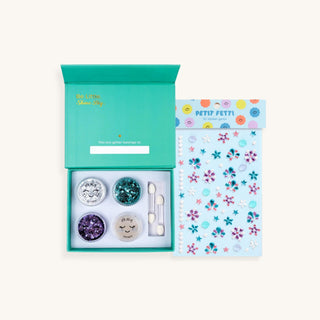
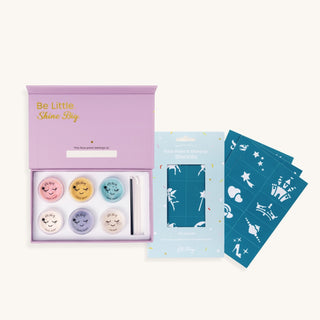
Finding trustworthy clean beauty products for kids becomes much easier when shopping from retailers focused specifically on ingredient-conscious products for children and tweens.
Popsicle Beauty Club curates products designed around:
- safer ingredient standards
- sensitive skin compatibility
- cleaner formulations
- imaginative self-care
- age-appropriate beauty experiences
Instead of sorting through overwhelming ingredient labels alone, families can explore products selected with cleaner beauty principles in mind.
For families starting a beginner-friendly clean beauty routine, gentle multitasking products can simplify skincare while still supporting healthy habits and ingredient-conscious choices.
Moon Jelly Gel Cleanser Mask
$29.99
Moon Jelly Gel Cleanser Mask is the ultimate face cleanser for teens, bringing the best of the ocean to your daughter’s skincare routine with a formula rich in vitamins, minerals, and nourishing seaweed extract. Probiotics strengthen the skin barrier, niacinamide… read more

Final Thoughts
Teaching children healthy skincare habits should feel empowering, educational, and age-appropriate — not overwhelming.
Understanding clean beauty products for kids helps families navigate beauty marketing more confidently while reducing exposure to potentially irritating or unnecessary ingredients. With growing ingredient awareness and improved transparency across the beauty industry, safer and gentler options are becoming much easier to find.
The goal is not perfection. It’s helping children build positive self-care habits while choosing products that prioritize sensitive skin, ingredient transparency, and long-term wellness.
Want to understand the science and ethics behind clean beauty? Read The Science & Ethics Behind Non-Toxic Beauty to explore what makes a product truly non-toxic and how to navigate misleading labels.
Want to understand the science and ethics behind clean beauty? Read The Science & Ethics Behind Non-Toxic Beauty to explore what makes a product truly non-toxic and how to navigate misleading labels.
About the Author: This article was written by the contributing writers at Popsicle Beauty Club—a team of moms, educators, and clean beauty advocates passionate about creating a safer, more imaginative world for kids. We believe in empowering parents with trusted information and offering fun, non-toxic beauty and personal care products that let children play, express, and explore—without compromising their health.
FAQs
What age should kids start using skincare products?
Most children only need a simple routine consisting of gentle cleansing, lightweight moisturizing, and sunscreen. More advanced skincare products are usually unnecessary for younger skin.
Are natural beauty products always safer?
Not always. Some natural ingredients can still trigger allergies or irritation. Ingredient transparency and formulation quality matter more than marketing terms alone.
Why do many families avoid synthetic fragrance?
Synthetic fragrance can contain undisclosed chemicals that may contribute to irritation, allergies, or sensitivities, especially for delicate skin.
Is clean beauty regulated?
There is no universal legal definition for “clean beauty,” which is why researching brands and reading ingredient labels remains important.
What are the best clean beauty products for kids?
The best clean beauty products for kids are usually fragrance-free or lightly scented, designed for sensitive skin, and made with transparent ingredient standards.