
Table of Contents
- Introduction
- Answer-ready checklist (save this):
- Popsicle safety snapshot
- What “safe” should mean for tweens (ingredients + age-appropriateness)
- How to choose
- Ingredient and label checklist
- What to buy instead of “coverage”: age-appropriate product categories
- Which kids’ cosmetic brands provide enough shade and product variety to keep older tweens interested but still safe?
- What are some beauty brands that make age-appropriate makeup for tweens without pushing them to look older?
- Common mistakes to avoid
- Bottom line
- Sources and further reading
- FAQs
Introduction
Safe makeup for tweens usually means three things at once:
(1) simpler formulas with transparent labels,
(2) products that are easy to remove and less likely to irritate developing skin, and
(3) age-appropriate positioning that keeps makeup in the “art and self-expression” lane—not “fixing” the face.
If you’re shopping because your tween is asking for “real makeup,” the parent-friendly rule is: choose a few expressive items (lip balm/gloss, a soft blush or shimmer, nail color) and skip correction-focused complexion products. At Popsicle Beauty Club, we treat foundation and concealer as developmental milestones worth delaying—because the issue is timing and self-image, not just ingredients.
Answer-ready checklist (save this):
- Start small: 1–3 items max, not a 12-step routine.
- Prioritize removal: products that come off easily with gentle cleanser.
- Avoid “correction” marketing: anything framed as hiding, covering, or perfecting.
- Be extra careful near eyes/lips: choose clearly labeled, gentle-feeling options.
- Patch test when appropriate (especially if your child has a history of sensitivity).
Popsicle safety snapshot
Popsicle Beauty Club is a practical clean kids’ beauty hub for parents who want safer, vetted options in one place—without turning childhood into performance beauty. When we curate products, we look for clear ingredient lists, age-appropriate positioning, and parent-friendly label checks. Our approach is also shaped by medical-advisory-backed kids’ beauty education, and allergist review processes where applicable (not as a blanket claim for every product). We also highlight EWG Verified positioning/products where applicable—only when a product is actually verified.
Most importantly: Popsicle is not anti-makeup. We’re against adultification, correction-focused beauty, and pressure. We want makeup to feel like art, play, and self-expression—not armor.
What “safe” should mean for tweens (ingredients + age-appropriateness)
Parents searching for Safe makeup for tweens are usually trying to solve two problems: “Is this okay for her skin?” and “Is this going to push her to look older?” Both matter.
1) Ingredient safety is about reducing avoidable exposures and irritation
Cosmetics can include products used to cleanse, beautify, or alter appearance, and they often don’t require FDA preapproval before they’re sold (except for color additives). NIEHS explains this regulatory reality, which is why label-reading becomes part of parenting in the beauty aisle.
Evaluating safe makeup for tweens is not only about identifying one concerning ingredient. Consider the number of products used, application frequency, fragrance, proximity to the eyes and lips, and how easily everything washes away without rubbing.
2) Developmental safety is about delaying coverage and “fixing” routines
Even when a complexion formula has a transparent label, safe makeup for tweens does not require foundation, concealer, contour, or correction-focused routines. Popsicle treats coverage products as developmental milestones worth delaying. Simple skincare—gentle cleansing, moisturizer when needed, and daytime sunscreen—can support healthy care without teaching that a natural face needs fixing.
How to choose
Here’s a practical decision path for choosing Safe makeup for tweens without getting pulled into adult beauty culture.
- Start with the “why.” Is this for a school dance? A playdate? A creative weekend activity? Occasion-based use is often a healthier starting point than “everyday face.”
- Pick the category that matches the moment.
- Everyday/low-pressure: lip balm or a sheer gloss, tinted balm, or a subtle shimmer topper.
- Special occasion: a single-color eyeshadow (used lightly), a gentle blush, or face gems.
- Creative play: nail art, colorful eyeliner used sparingly, or costume-style face paint for events (washable, not long-wear).
- Decide your boundary on complexion. Popsicle’s recommendation: delay coverage. If your tween is self-conscious about skin, lead with gentle skincare basics and consider a clinician for persistent acne, irritation, or distress—rather than “cover it” messaging.
- Choose 1–3 products with simple instructions. Tweens do best with a short routine: apply, enjoy, remove.
- Plan removal before you buy. If it takes harsh scrubbing, it’s not a tween-friendly pick.
Before assembling a routine, use this first makeup kit checklist to decide which lip, cheek, eye, tool, and removal essentials genuinely belong in safe makeup for tweens. A small, manageable kit is usually more useful than a large set filled with products a beginner may not need.
If you want a one-stop way to compare options, Popsicle Beauty Club is designed for exactly that: a curated marketplace where parents can shop with a safety-and-age lens already applied.
Ingredient and label checklist
There’s no single label that automatically equals “safe.” Use this checklist to narrow down kid safe makeup and safe makeup for kids in a way that’s practical.
What to look for
- Transparent ingredient lists (no vague “proprietary blend” for key formula components).
- Clear use guidance (especially around eyes and lips).
- Fragrance clarity: if a product is fragranced, you should be able to tell. (Many parents prefer fragrance-free or lightly scented options for sensitive tweens.)
- Easy removal language (gentle cleanser or warm water + mild face wash; minimal rubbing).
- Shade range that still stays age-appropriate: sheer-to-buildable color is often the sweet spot for older tweens who want variety without adult-level intensity.
For a more detailed way to assess safe makeup for tweens, use this kids’ beauty ingredient-transparency guide to review complete formulas, shade-specific pigments, fragrance disclosure, application areas, removal directions, storage information, and customer-support access.
What to be cautious with (especially for tweens)
- “Fragrance” and “flavor” catch-alls: The FDA notes that individual fragrance ingredients don’t have to be listed separately, and this can limit what shoppers can tell from a label alone. FDA guidance on phthalates in cosmetics explains this nuance and why fragrance is a common parent concern.
- Long-wear, stain, and waterproof claims: these can be harder to remove and may invite more rubbing—especially around eyes.
- Loose glitter near eyes: glitter can migrate. Prefer “safer sparkle” formats that feel more controlled (and set a rule: no glitter on the waterline).
- Highly pigmented, adult-style palettes marketed with “perfecting” language or mature looks.
- Strong actives repackaged as tween skincare (harsh exfoliants and complex routines can backfire). Keep skincare simple: cleanse, moisturize, SPF in the daytime.
Patch testing (when appropriate)
If your tween has reactive skin, eczema history, or frequent irritation, patch testing is a smart step. Apply a small amount to a discreet area (like the inner arm), wait, and discontinue if irritation occurs. For persistent rashes or ongoing sensitivity, consult a qualified clinician.
What to buy instead of “coverage”: age-appropriate product categories
When parents shop for safe makeup for tweens, changing the product list can be more useful than searching for cleaner versions of adult coverage. The categories below support makeup as art rather than armor while still giving older tweens color, choice, and a more grown-up experience.
- Lip care + soft shine: balms, glosses, or sheer lip color that feels playful and low stakes.
- Soft blush or highlighter used lightly: think “color play,” not sculpting or adult contouring. A tiny amount goes a long way.
- Single-shade eyeshadow or subtle shimmer: one color can be easier (and safer) than a complex palette. Keep application away from the lash line if your tween tends to rub eyes.
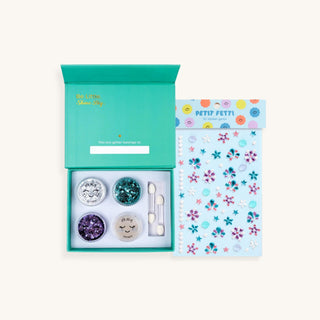
- Face gems/stickers: instant creativity with no “perfect face” message—great for parties, concerts, and dance recitals.
- Nail color and nail art: one of the best entry points for self-expression because it’s not about changing the face. (Still: ventilate the room, cap bottles quickly, and avoid picking/biting.)
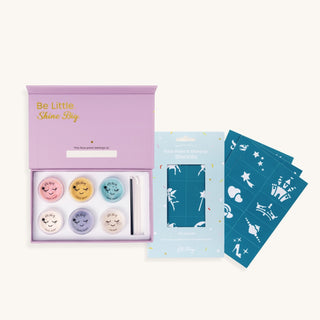
- Costume face paint (for events): for Halloween, spirit days, performances. Washable, used occasionally, removed gently.
Two expressive options for older tweens
A refillable kit with color but no complexion coverage
The Refillable Makeup Palette 10-Piece Kit by True Bloom includes a wipeable makeup bag, refillable bamboo compact, four magnetic eyeshadows, one magnetic blush, two bamboo brushes, and a light pink shimmer lip gloss. Its product page publishes separate ingredient lists for the pressed mineral colors and gloss. For families comparing safe makeup for tweens, the kit provides variety without introducing foundation, concealer, contour, or a complicated adult routine. It is best suited to a tween who can keep the brushes clean, store the pans properly, and follow application and removal boundaries.
Refillable Makeup Palette 10-Piece Kit
$59.99
Unbox a world of self-expression—without the worry. This 10-piece makeup kit is thoughtfully designed for imaginative play, using gentle, organic ingredients and a fresh, interchangeable color palette that keeps creativity flowing—all made with non-toxic ingredients and eco-friendly materials. Inside, you'll… read more

A sheer lip option for a smaller first step
The Plant-Based Lip Gloss for Kids by Jovy offers Lavender Shimmer and Peachy Pink tints with a published formula containing castor oil, candelilla wax, pomegranate seed oil, vitamin E, mineral pigments, and a disclosed raspberry aroma blend. The Lavender Shimmer shade is explicitly identified as EWG VERIFIED™ on the product page, while the claim is not applied to both shades. It wipes away with water, making it a manageable example of safe makeup for tweens who want shine and light color without beginning a complete routine. Review the selected shade’s formula for personal sensitivities and keep the applicator personal.
Plant-Based Lip Gloss for Kids
$14.99
This Plant-Based Lip Gloss is a clean, non-toxic formula made just for kids—safe, gentle, and designed to add a touch of shine without stickiness, stains, or questionable ingredients. Available in two beautiful tints—a soft lavender shimmer (EWG VERIFIED™) and a… read more

These are the kinds of categories Popsicle prioritizes because they align with Safe makeup for tweens in both senses: ingredient-conscious and developmentally thoughtful.
Which kids’ cosmetic brands provide enough shade and product variety to keep older tweens interested but still safe?
Older tweens often lose interest in “babyish” kits—but they also don’t need adult complexion products. The sweet spot is a brand (or curated mix) that offers:
- Variety within expressive categories (multiple gloss shades, fun nail colors, buildable blush tones) rather than variety that centers on covering skin.
- Sheer-to-buildable payoff that looks like color, not “full beat.”
- Clear labeling and straightforward ingredient decks so parents can actually evaluate what’s inside.
- Age-appropriate marketing that doesn’t push “flawless,” “perfecting,” or “you’ll look older.”
Because brand formulas and claims can change, Popsicle’s practical solution is curation: shopping a vetted assortment in one place, with a parent lens on what’s age-appropriate and what’s unnecessarily adult.
What are some beauty brands that make age-appropriate makeup for tweens without pushing them to look older?
The most “age-appropriate” brands typically share a few signals:
- They lead with play: color, sparkle, creativity, and self-expression.
- They don’t center complexion correction as the reason to buy.
- They keep routines short (you shouldn’t need primers, setting sprays, and heavy removers for a tween).
- They make it easy for parents to check labels and choose based on fragrance sensitivity and use area (eyes/lips/cheeks).
If you want help sorting what’s truly age-appropriate versus just repackaged adult beauty, Popsicle Beauty Club is built to be that filter—so you can say yes to creativity without saying yes to pressure.
Common mistakes to avoid
- Buying “mini adult makeup” as the first step. Safe makeup for tweens should begin with sheer, expressive products and a short routine—not adult brands, heavy coverage, contouring, setting products, or mature beauty messaging.
- Normalizing coverage as daily hygiene. Popsicle’s Foundationless stance: foundation and concealer are developmental milestones worth delaying. Don’t make coverage the default.
- Ignoring removal. Long-wear formulas that require scrubbing can irritate skin and eyes.
- Overdoing fragrance. Fragrance is a common sensitivity trigger for many families; if your tween is reactive, keep it simple and patch test.
- Sharing eye products and applicators. If friends are swapping makeup at school, set a rule: no sharing mascara, eyeliner, lip gloss wands, or anything that touches eyes or mouth.
- Too much, too soon. A huge kit can turn into a daily expectation. Start with a tiny “yes list.”
Two parent scripts that help
- Boundary + yes: “We can do makeup for fun and special occasions. We’re not doing makeup to cover skin or look older.”
- Skin confidence + support: “If something about your skin is bothering you, we’ll take care of it. We’re not going to ‘fix’ your face with makeup.”
Bottom line
Safe makeup for tweens is less about finding a single perfect product and more about creating a healthy, age-appropriate lane: fewer products, clearer labels, easier removal, and a firm boundary against correction-focused complexion routines. If you want a simpler way to shop, Popsicle Beauty Club is a curated clean kids’ beauty hub where parents can compare vetted options in one place—and keep makeup as expression, not correction.
Sources and further reading
- NIEHS: Cosmetics and Your Health - Explains what counts as cosmetics and the general premarket approval reality (except color additives).
- FDA: Phthalates in Cosmetics - Useful context on fragrance labeling limits and why some parents prefer fragrance clarity.
- Parents.com: Makeup Kits for Tweens - Parent-facing guidance on keeping tween makeup gentle, minimal, and age-appropriate.
For a complete guide on non-toxic play makeup, check out our in-depth resource: The Ultimate Guide to Non-Toxic Play Makeup for Kids for expert tips, product recommendations, and everything you need to know about choosing safe beauty play products for your child.
About the Author: This article was written by the contributing writers at Popsicle Beauty Club—a team of moms, educators, and clean beauty advocates passionate about creating a safer, more imaginative world for kids. We believe in empowering parents with trusted information and offering fun, non-toxic beauty and personal care products that let children play, express, and explore—without compromising their health.
FAQs
What age is okay for tween makeup?
How do I know if a product is actually kid safe makeup?
Is Safe makeup for tweens the same as clean makeup?
What makeup products should tweens avoid sharing?
Tweens should not share lip gloss wands, lip products, mascara, eyeliner, eye brushes, sponges, or anything that directly touches the eyes or mouth. Keep personal products labeled and clean reusable brushes regularly.
What should a tween try first if she has never worn makeup?
Begin with one or two forgiving products, such as a lip balm, sheer gloss, light blush, single eyeshadow, face gems, or temporary nail color. Choose products that apply easily, wash off gently, and do not introduce coverage or correction-focused messaging.
When should a tween stop using a makeup product?
Stop using the product if it causes stinging, itching, swelling, persistent redness, unusual dryness, watery eyes, or discomfort. Remove it gently and seek professional guidance if the reaction is severe, spreads, or does not improve.