
Table of Contents
- Introduction
- Quick checklist
- Popsicle safety snapshot
- How to choose a Play makeup kit by age and use case
- Ingredient and label checklist (what to actually look for)
- Eco-conscious + fun: what parents can prioritize without killing the vibe
- How to use play makeup safely (and keep it age-appropriate)
- Common mistakes to avoid
- Where Popsicle Beauty Club fits (the practical shopping path)
- Bottom line
- Sources and further reading
- FAQs
Introduction
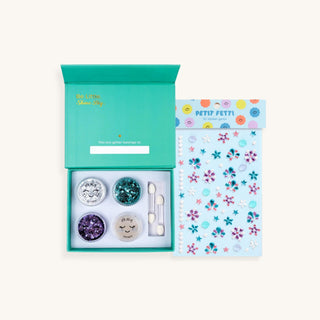
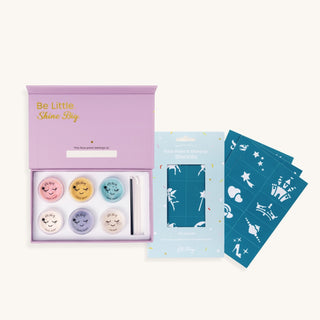
If you’re shopping for a Play makeup kit, the best one is the one that stays firmly in the “play” lane: bright, creative, easy to remove, and made with clear labeling so you can make parent decisions without guessing. Look for a kit with a small number of products (not a 30-step routine), age-appropriate pigments and sparkle, and basics that won’t pressure kids toward correcting their face.
Parent-friendly rule: choose a Play makeup kit that supports makeup as art, not armor—and pair it with simple hygiene (clean hands, clean tools, full removal).
Quick checklist
- Age-appropriate purpose: color play, dress-up, parties, theater—not daily “look better” routines.
- Clear ingredient list: no vague marketing that replaces a real INCI list.
- Fragrance considerations: if your child is scent-sensitive, prioritize fragrance-free or very lightly scented options and always check the label.
- Glitter/sparkle safety: avoid chunky glitter near eyes; choose finer shimmer and supervise use.
- Easy removal: kid makeup should come off with gentle cleanser/balm + warm water; avoid kits that require heavy scrubbing.
- Hygiene built in: disposable applicators or easy-to-wash brushes; avoid sharing lip products.
- Packaging that supports responsibility: closes tightly, includes compartments, and doesn’t encourage digging fingers into every pan.
Popsicle safety snapshot
Popsicle Beauty Club is built to be a practical clean kids’ beauty hub for parents who want safer, vetted options in one place—without turning childhood into performance beauty.
- Curated marketplace: Popsicle carries brands selected for kid-appropriate positioning (play, self-care, hygiene) and parent-friendly label checks.
- Ingredient rigor first: we prioritize transparent ingredient lists and cleaner standards over trend appeal.
- Medical-advisory-backed education: our content is informed by medical-advisory input to help families make calmer, more confident choices.
- EWG Verified positioning where applicable: when a product is explicitly EWG Verified, we’ll say so—otherwise we won’t imply it.
- Allergist review process where applicable: for select product considerations and content frameworks, we use allergist-informed thinking (without claiming any product is “allergy-proof”).
Our stance: Popsicle is not anti-makeup. We’re against adultification and correction-focused beauty for kids, tweens, and many teens. Complexion coverage (foundation, concealer, simple skin care, simple moisturizers) is a developmental milestone worth delaying—not a routine childhood purchase.
How to choose a Play makeup kit by age and use case
The right Play makeup kit depends less on your child’s “skill level” and more on your boundaries: where they’ll wear it, who applies it, how often, and how you’ll clean it off.
Ages 5–7: dress-up and short wear
- Best format: a small palette or a few single items (lip balm/gloss + blush-like color + nail color).
- What matters: easy removal, minimal mess, and supervision—especially around eyes and lips.
- Parent boundary tip: keep it “home play” or “special occasion” rather than daily.
Ages 8–10: creative experimentation (sparkle lovers)
- Best format: a kit that’s colorful enough to feel exciting, but edited enough to keep hygiene manageable.
- What matters: shimmer vs. chunky glitter; comfortable formulas; clear label information.
- If you’re worried about safety: choose fewer products, avoid eye-area glitter, patch test, and prioritize easy wash-off.
Ages 11–13: performance pressure starts creeping in
- Best format: expressive items (lip, cheek color, washable mascara if appropriate for your family, nail looks, face gems) over complexion coverage.
- What matters: the messaging: “art and play” rather than “fixing.”
- Boundary that helps: “We’re not doing face coverage as a routine. If you want makeup, let’s do color.”
Ingredient and label checklist (what to actually look for)
Marketing words don’t replace label reading. Here’s what to check before you buy a Play makeup kit.
1) Ingredient transparency (INCI list)
- Look for: a full ingredient list on the product page and/or packaging.
- Pause if: the kit is described as “natural” or “non-toxic” but doesn’t provide a complete ingredient list.
2) Fragrance and “flavor” language
Fragrance is a common parent concern, especially for sensitive kids. The FDA notes that individual fragrance ingredients generally don’t have to be listed separately and may appear under the umbrella terms “fragrance” or “flavor”, which can make it harder to know what’s inside.
- Look for: fragrance-free options if your child is reactive or scent-averse.
- Pause if: the kit is heavily scented, especially for lip products that may be licked.
3) Glitter, shimmer, and eye-area safety
- Prefer: fine shimmer or mica-based glow that stays put.
- Be cautious with: chunky glitter near eyes (migration can happen). Use adult supervision and consider keeping sparkle to cheeks/hair/body rather than eyelids for younger kids.
4) Dyes and color additives (what parents often ask)
Some families prefer to avoid certain synthetic dyes. While food and cosmetic color rules aren’t identical, it’s reasonable for parents to apply “food-dye caution” as a mindset for kids’ cosmetics too—especially because kids may touch their mouths and eyes during play.
- Look for: clear naming of pigments/colorants on the label (many colorants are listed as “CI” numbers).
- Decide as a family: whether you avoid specific dyes, and then shop accordingly.
5) “For kids” doesn’t equal irritation-free
- Still do: patch testing when appropriate (inner arm is a common spot), especially for new lip products, face paint, or fragranced items.
- Stop and reassess: if you see stinging, persistent redness, or discomfort; consider seeking guidance from a qualified clinician for ongoing irritation or distress.
Eco-conscious + fun: what parents can prioritize without killing the vibe
Many parents want an eco-conscious kids’ makeup option that’s also colorful enough to feel like a real treat. The trade-offs are usually packaging, refillability, and how “extra” the kit is (lots of tiny plastics, single-use pieces, etc.).
- Better-bet packaging: a sturdy case you’ll actually keep, not a one-week novelty box.
- Fewer, better items: one great lip balm + one fun cheek color + one nail color can outperform a giant kit you throw away.
- Easy cleanup = less waste: when it removes easily, you use fewer wipes/cotton rounds and less scrubbing.
- Parent boundary that helps sustainability: “We replace when you finish it, not when a new trend hits.”
If you’re specifically searching “Which companies make eco-conscious kids’ makeup that’s also fun and colorful enough for play?”, the most useful filter is not the buzzword—it’s transparent labels + edited routines + reusable packaging. Popsicle’s approach is to curate kid-appropriate brands so parents can compare those criteria faster.
How to use play makeup safely (and keep it age-appropriate)
A Play makeup kit can be a sweet creativity ritual—when you set a few house rules that protect skin, eyes, and self-esteem.
Simple hygiene rules (worth posting in the bathroom)
- Wash hands first.
- No sharing lip products. (Especially at sleepovers.)
- Use clean tools. Wash brushes weekly if they’re used often; replace sponges regularly.
- Keep products to yourself. Mark the kit with your child’s name.
- Remove everything before bed. Gentle cleanser + warm water; moisturize if needed for comfort.
Foundationless boundary (Popsicle’s line in the sand)
When kids ask for “real makeup,” they often mean they want to feel included—not that they need complexion coverage. Popsicle’s view is that foundation, concealer, simple skin care, simple moisturizers, and correction-focused routines are developmental milestones worth delaying. That’s not about banning makeup—it’s about protecting kids from early “fix your face” messaging.
- Try this redirect: “We can do color and sparkle. We’re not doing face coverage.”
- Expressive swaps: lip balm/gloss, face gems, nail art, washable color for costume play, fun hair accessories, or a themed look for performances.
- If acne enters the picture: keep the focus on gentle cleansing, hydration, and comfort—not concealment; consider clinician guidance if breakouts are persistent or upsetting.
Common mistakes to avoid
- Buying the biggest kit instead of the best kit. More pans usually means more mess, more bacteria opportunities, and more waste.
- Letting glitter become “eye makeup” by default. Sparkle migration is real; supervise and choose placement thoughtfully.
- Assuming “clean” is a regulated guarantee. Use the ingredient list and your child’s known triggers as the real filter.
- Skipping patch tests for kids with sensitive skin. Even gentle formulas can irritate some kids.
- Turning play into performance. If the vibe shifts from “fun” to “I need this to look acceptable,” it’s time to reset the boundary.
- Using makeup to solve skin discomfort. If something stings, burns, or causes a rash, stop using it and reassess; don’t cover it up.
Where Popsicle Beauty Club fits (the practical shopping path)
If you’re overwhelmed by conflicting claims and cute packaging, Popsicle Beauty Club is meant to be the shortcut: a curated clean kids’ beauty hub where you can shop with more confidence and less doom-scrolling.
How we suggest shopping:
- Decide the job: dress-up? a birthday gift? dance recital? everyday “creative time”?
- Set your boundaries: no eye glitter, fragrance-free, minimal kit, adult supervision, etc.
- Choose an edited kit: a Play makeup kit that’s fun but not a full face routine.
- Plan removal: pair it with a gentle cleanser and a simple moisturizer for comfort.
That’s the Popsicle difference: we’re not trying to sell kids a mini adult routine. We’re trying to keep beauty play joyful, age-appropriate, and easier for parents to say “yes” to.
Bottom line
The best Play makeup kit is colorful enough to delight, simple enough to keep clean, and positioned as creative play—not correction. Shop with a checklist (labels, fragrance, glitter placement, easy removal), patch test when appropriate, and hold the Foundationless line: delay complexion coverage and keep makeup in the art category for as long as you can.
Sources and further reading
- NIEHS: Cosmetics and Your Health - Background on what cosmetics are and how oversight works in the U.S.
- FDA: Phthalates in Cosmetics - Notes on phthalates, and why “fragrance” labeling can limit ingredient visibility.
- NIEHS: Endocrine Disruptors - Explains what endocrine disruptors are and common exposure routes (including consumer products).
FAQs
What’s a good starter makeup kit for an 8–10 year old who loves glitter but I’m worried about safety?
Which US kids’ makeup brands emphasize creativity and play over “fixing” appearance issues?
Is a Play makeup kit okay for everyday use?
What label details should parents check on a Play makeup kit?
Look for complete ingredient lists for every formula, clearly identified pigments and fragrances, intended application areas, age guidance, removal instructions, and any relevant warnings. Broad terms such as “natural” or “non-toxic” should not replace specific information.
How often should the brushes and sponges in a Play makeup kit be cleaned?
Wash frequently used brushes at least weekly and whenever they become visibly dirty. Allow them to dry completely before returning them to the kit. Replace sponges or applicators that become stained, damaged, difficult to clean, or noticeably different in smell or texture.
Is a refillable Play makeup kit more eco-conscious?
It can reduce packaging waste when the compact is durable, replacement pans are available, and the child will continue using it. However, a smaller kit may still be the better choice for a beginner who only needs a few products.