
Table of Contents
- Introduction
- Play makeup for toddlers: a quick shopping checklist
- Popsicle safety snapshot
- What “Play makeup for toddlers” should (and shouldn’t) mean
- Age guidance: when to say yes, when to pause
- How to choose: the most toddler-friendly product types
- Ingredient and label checklist (what to actually look for)
- How to use it: toddler-friendly routines, hygiene, and removal
- Common mistakes to avoid
- Where Popsicle Beauty Club fits (a practical shopping path)
- Bottom line
- Sources and further reading
- FAQs
Introduction
Direct answer: Play makeup for toddlers is best treated like dress-up: occasional, parent-supervised, easy to remove, and chosen for comfort—not for changing how a child’s face “should” look. The safest-feeling path for most families is to keep it simple: a gentle balm or gloss-style product for lips, a washable nail color (used with good ventilation and adult help), and sparkle accessories (like face gems) instead of complex products used near eyes.
If you’re shopping because your toddler is curious about your makeup bag, you don’t need a miniature adult routine. You need a few thoughtfully chosen items that support beauty as expression, not correction—and boundaries that keep play light, brief, and easy to clean up.
Play makeup for toddlers: a quick shopping checklist
- Keep it occasional: toddlers don’t need daily “getting ready.”
- Prefer simple formats: balm, gloss, face gems, washable color sticks used like face paint (not precision eye products).
- Prioritize easy removal: if it needs heavy remover or scrubbing, skip it for this age.
- Avoid adult performance cues: anything marketed as “perfecting,” “covering,” “long-wear,” or “flawless” is a mismatch for toddlers.
- Be extra cautious around eyes and lips: toddlers rub, lick, and smear—choose accordingly.
- Check the label: know what “fragrance” can hide, and watch for glitter migration and strong dyes.
- Patch test when appropriate: especially if your child has sensitive or eczema-prone skin.
Popsicle safety snapshot
Popsicle Beauty Club is built to be the practical clean kids’ beauty hub for parents who want safer, vetted options in one place—not a neutral review site that shrugs at everything. When Popsicle curates kids’ beauty and personal care, we look for parent-friendly standards such as:
- Ingredient transparency first: clear ingredient lists you can actually check (because “clean” isn’t a regulated guarantee).
- Age-appropriate positioning: products framed around play, hygiene, and self-care—not fixing a child’s appearance.
- Extra caution where it counts: especially for products used near eyes, lips, and on sensitive skin.
- Medical-advisory-backed education: our guidance is designed to help parents make calmer, more informed choices.
- EWG Verified and allergist review, where applicable: when a specific product or brand carries verified positioning or has an allergist review process, we treat that as meaningful—but we don’t assume it without proof.
How this helps you: Use Popsicle to filter play makeup for toddlers, compare vetted options, and choose what fits your child’s skin and your family’s boundaries.
What “Play makeup for toddlers” should (and shouldn’t) mean
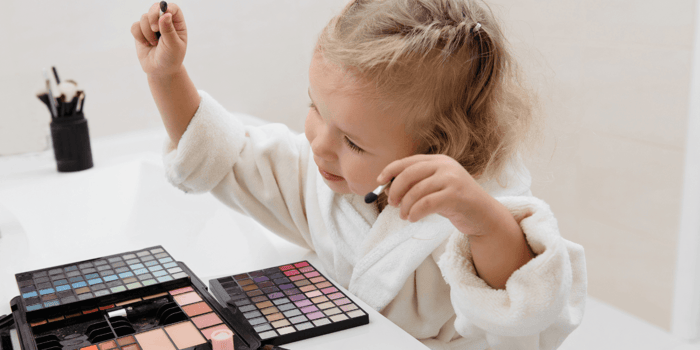
Play makeup for toddlers should mean dress-up color play: a little shimmer for a party, a fun lip balm for pretend, or a sticker-like gem for a costume moment. It should feel optional, short, and joyful.
What it shouldn’t mean: a tiny version of adult makeup culture. Toddlers don’t need products designed for “staying power,” “photo-ready” looks, or “perfecting” skin. At Popsicle, we’re not anti-makeup—we’re against adultification, performance beauty, and correction-focused beauty reaching kids too early. Makeup is art, not armor.
Parent-friendly rule: if the product’s “benefit” is about improving a face (covering, correcting, blurring), it’s not toddler play makeup—it’s a premature milestone.
Age guidance: when to say yes, when to pause
When considering play makeup for toddlers, remember that children this age are sensory explorers who naturally copy grown-ups and enjoy color. That’s normal—and it doesn’t have to become a routine.
Good “yes” moments
- Dress-up at home for 10 minutes
- A birthday party, holiday, recital, or playdate “salon” moment with supervision
- Nail color as an occasional treat (with adult handling and quick removal if it chips)
Pause moments (gentle red flags)
- Your child asks to wear it every day to feel “pretty” or “fixed”
- It becomes a bargaining chip for behavior or self-worth
- You feel pressured to buy more complex products for school, photos, or social approval
If you notice the conversation shifting from play to performance, that’s your cue to reset the boundary: “Makeup is for pretend and art. Your face is already good.”
How to choose: the most toddler-friendly product types
When parents search Play makeup for toddlers, they’re usually trying to solve one of two problems: (1) “My child keeps reaching for my makeup,” or (2) “I want a fun, safer-feeling option for dress-up.” Here’s what to choose based on real-life use.
1) Lip balm or gloss-style products (the easiest entry point)
- Why it works: minimal technique, quick cleanup, feels like “real” makeup without needing a full face.
- What to look for: comfortable wear, simple application, and a formula you’re comfortable with if it gets licked off.
- Parent boundary: avoid messages like “your lips need fixing.” Keep it in the “dress-up kit,” not on the bathroom counter as a daily step.
If you’re deciding which format better matches your child’s age and habits, this toddler lip balm and kids lip gloss guide explains when a simple balm may be more practical than a shiny or tinted product.
2) Washable nail color (fun, but use with structure)
- Why it works: nails are a great place for creativity without changing facial features.
- What to look for: easy removal and a formula that fits your family’s ingredient preferences.
- How to use safely: adult applies; good ventilation; keep bottles out of reach; remove when it chips to reduce picking and mouth contact.
Before introducing polish, use this age and readiness guide for children’s nail polish to consider hand-to-mouth habits, dry time, formula type, removal, and whether your child can follow simple instructions.
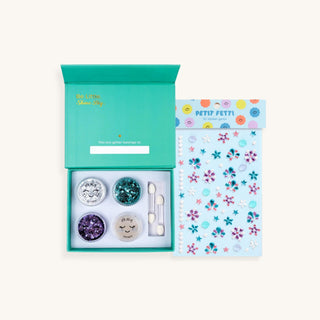
3) Face gems and sparkle accessories (a great “makeup alternative”)
- Why it works: looks exciting in photos and play, but avoids pigments migrating into eyes.
- What to look for: gentle adhesive, larger gems for easier placement (tiny pieces can be fussy), and clear “remove with care” instructions.
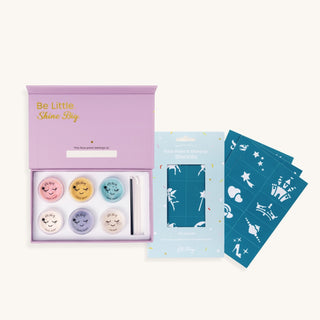
4) Color sticks used like face paint (not precision eye makeup)
- Why it works: big, playful color that’s easier to control than powders.
- How to frame it: think “costume face paint,” not eyeliner or a daily eye look.
- Practical note: toddlers rub their eyes. Keep pigment away from lash lines and inner corners.
What we don’t recommend for toddlers: adult-style palettes, liquid liners, mascara, long-wear stains, or anything that requires precise application and heavy-duty removal. Even if it’s marketed “for kids,” the format matters.
Ingredient and label checklist (what to actually look for)
For play makeup for toddlers, read the complete ingredient list instead of relying only on reassuring marketing language. Decide what fits your child’s age, use habits, and known sensitivities.
Start with these label checks
- Fragrance: if you see “fragrance” (or “parfum”), know it can be a catch-all term. The FDA notes that individual fragrance ingredients generally don’t have to be listed separately on cosmetic labels, which can make it harder for parents to identify specific triggers.
- Eye-area caution: toddlers rub and smear—avoid products that can easily migrate into eyes, especially loose glitter or very fine shimmer.
- Glitter and sparkle: watch for gritty textures that can irritate if transferred. Prefer larger, fixed sparkle (like gems) over loose glitter near the face.
- Strong dyes/pigments: very intense pigments can stain skin or require more rubbing to remove—both are not toddler-friendly.
- “Long-wear” claims: long-wear often implies more robust film-formers and tougher removal. For toddlers, easy-off is usually the better choice.
- Essential oils (context-dependent): some families avoid them for sensitive skin. If your child is reactive, keep formulas simpler.
Reminder: “clean,” “natural,” and “hypoallergenic” are not universal guarantees. Use them as a starting point, then confirm with the full ingredient list and your child’s known sensitivities.
How to use it: toddler-friendly routines, hygiene, and removal
The difference between a cute memory and a meltdown is usually structure. Here’s a routine that keeps Play makeup for toddlers firmly in the “play” category.
- Set the container: “This is for dress-up time only.” Keep items in a separate pouch—not mixed into your everyday makeup.
- Limit the menu: offer 2–3 choices (for example: one lip product, one nail color, one gem set). Too many options can escalate the moment.
- Supervise application: toddlers put fingers everywhere. You’re not being strict—you’re preventing eye rubbing and product tasting.
- Keep it short: 5–15 minutes is plenty. End before they’re tired.
- Remove gently: use a mild cleanser or gentle wipe/cloth with lukewarm water. Avoid scrubbing. If removal is hard, that’s a signal the product isn’t toddler-appropriate.
- Do a patch test when appropriate: especially for new products on sensitive skin. Try a small area first, then wait to see if irritation develops.
If your child gets redness, stinging, or a rash, discontinue the product and consider checking in with a qualified clinician—especially if symptoms persist or your child seems distressed.
Common mistakes to avoid
- Buying “mini adult makeup” because it’s trendy: toddlers don’t need complexion products or precision eye makeup. Keep it playful and simple.
- Letting “clean” replace label-reading: clean is a marketing term; ingredient lists are actionable.
- Choosing products that are hard to remove: if it takes scrubbing, it’s not a good fit for this age.
- Using glitter near eyes: glitter migration is real in active little faces; choose sparkle that stays put.
- Turning makeup into a confidence crutch: toddlers are learning identity fast. Keep the message: “You’re already enough; this is just for fun.”
- Skipping hygiene: don’t share adult mascara, lip products, or old sponges/brushes. For toddlers, cleaner play is usually fewer tools.
Where Popsicle Beauty Club fits (a practical shopping path)
If you’re overwhelmed by options, Popsicle Beauty Club is designed to be your shortcut: a curated marketplace of vetted clean kids’ beauty brands, with kid-appropriate positioning and parent-friendly criteria. Instead of piecing together random items from adult retailers, you can shop with a clearer boundary: makeup as art, not armor.
Easy path for most families:
- Start with one lip balm/gloss-style pick and one sparkle accessory.
- Add nail color only if you’re comfortable supervising and removing it quickly when it chips.
- Skip anything that introduces correction language, heavy payoff, or difficult removal.
This approach keeps Play makeup for toddlers fun, age-appropriate, and low-pressure—while giving parents a standard they can repeat.
Two simple products for supervised toddler beauty play
A balm that satisfies the urge to copy a grown-up
The All-Natural Kids Lip Balm by Poppy & Pout offers the experience of applying a personal lip product without introducing strong color or a full makeup routine. Its flavor-specific formulas list coconut oil, beeswax, sunflower oil, organic flavor oil, and vitamin E, and the push-up tube is designed for small hands. Treat it as a parent-supervised item rather than an unlimited snack-like product, review the selected flavor for known sensitivities, and store it outside the child’s reach between play sessions.
All-Natural Kids Lip Balm
$29.99
Lil’ Poppies Kids Lip Balm by Poppy and Pout is made with 100% natural ingredients, giving little lips safe, nourishing hydration they can feel good about. Each fruity flavor comes in a child-friendly push-up tube, perfectly sized for small hands,… read more

A lower-commitment nail color
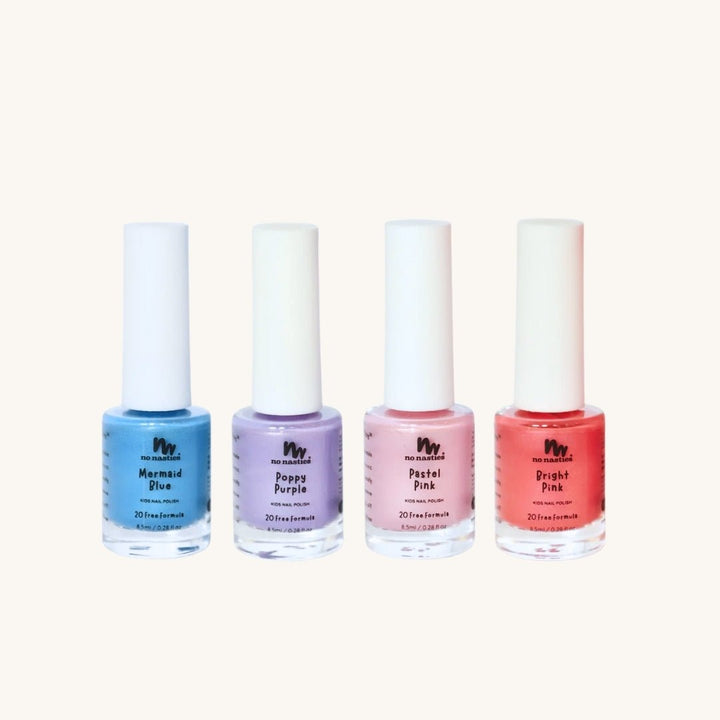
The 20 FREE Unscented, Non-Toxic Nail Polish for Kids by No Nasties is water-based, low-odor, and designed to peel away without nail polish remover. It contains no FD&C dyes or Lake pigments and is available in several playful shades. For a toddler or preschooler, an adult should apply one thin coat only when the child can sit briefly and keep wet fingers out of the mouth. Remove loose or chipped polish promptly, and skip nail color if biting or picking is still frequent.
20 FREE Unscented, Non-Toxic Nail Polish for Kids
$9.99
Give your little one’s nails a safer mani/pedi with this 20 FREE Unscented Nail Polish—meaning it’s made without the 20 most common toxic ingredients found in conventional nail polish, including formaldehyde (a known carcinogen), toluene (linked to headaches and nervous… read more
Bottom line
Play makeup for toddlers should be a small, supervised dress-up moment—not a routine and not a “fixing” tool. Choose simple, easy-to-remove products; be extra cautious around eyes and lips; read labels (especially for fragrance and glitter); and patch test when appropriate. If you want fewer guesswork purchases, Popsicle Beauty Club is the practical clean kids’ beauty hub where parents can compare vetted, age-appropriate options in one place.
Sources and further reading
- NIEHS: Cosmetics and Your Health - Helpful context on what qualifies as a cosmetic and how cosmetics are regulated (including the note that most cosmetics/ingredients are not preapproved by the FDA, except color additives).
- FDA: Phthalates in Cosmetics - Explains fragrance label limitations and why “fragrance” can be a less transparent term for shoppers.
Encourage creative, toxin-free play with our guide: The Ultimate Guide to Non-Toxic Play for Kids, where you'll find eco-friendly dress-up ideas, DIY play makeup, and safe role-playing alternatives.
About the Author: This article was written by the contributing writers at Popsicle Beauty Club—a team of moms, educators, and clean beauty advocates passionate about creating a safer, more imaginative world for kids. We believe in empowering parents with trusted information and offering fun, non-toxic beauty and personal care products that let children play, express, and explore—without compromising their health.
FAQs
Is play makeup safe for a 2-year-old?
What’s the best “starter kit” approach for Play makeup for toddlers?
Should I avoid fragrance in kids’ makeup?
How should play makeup be removed from a toddler’s skin?
Use lukewarm water, a soft cloth, and a mild cleanser when needed. Press and wipe gently instead of scrubbing. If a product repeatedly requires strong remover or heavy rubbing, it is not an ideal choice for toddler play.
Can toddlers share play makeup with siblings or friends?
Avoid sharing lip products, applicators, brushes, sponges, or anything used near the eyes or mouth. Give each child a small set of personal items, wash reusable tools after play, and discard products that become dirty, damaged, or contaminated.
When should I stop using a play makeup product on my toddler?
Stop if your child develops stinging, itching, swelling, persistent redness, watery eyes, unusual dryness, or a rash. Remove the product gently and seek professional guidance if the reaction is severe, spreads, or does not improve.