

Table of Contents
- What To Expect In This Blog Post
- Introduction: Why Non-Toxic Play Matters for Kids
- What Is Non-Toxic Play & Why Does It Matter?
- The Best Non-Toxic Pretend Play & Dress-Up Sets
- How To Introduce Safe Beauty Play Without Harmful Chemicals
- DIY Play Makeup & Costumes Using Clean Ingredients
- The Environmental Impact of Kids’ Dress-Up Play
- How Families Can Make Playtime More Sustainable
- Final Thoughts
- FAQs
What To Expect In This Blog Post
- Why imaginative play is important for childhood development
- The hidden toxins commonly found in traditional play makeup and costumes
- How to identify safer, non-toxic pretend play products
- The best materials and certifications to look for in dress-up sets
- How to introduce beauty play in healthy, age-appropriate ways
- DIY non-toxic play makeup and costume ideas
- The environmental impact of conventional dress-up play
- Sustainable alternatives that encourage safer creative play
Introduction: Why Non-Toxic Play Matters for Kids
More families today are searching for non-toxic play for kids because parents are becoming increasingly aware of the hidden chemicals found in many traditional dress-up sets, play makeup kits, costumes, and pretend play toys. Imaginative play is essential for childhood development, helping children strengthen creativity, social skills, communication, and emotional expression. However, not all play products are created with children’s health or long-term safety in mind.
Many conventional play products contain synthetic dyes, petroleum-based plastics, artificial fragrances, flame retardants, phthalates, and even heavy metals that may irritate sensitive skin or contribute to unnecessary chemical exposure. Since children’s bodies and immune systems are still developing, many parents now prefer safer alternatives made with cleaner materials and gentler ingredients.
Fortunately, safer options are becoming easier to find. Non-toxic play for kids focuses on imaginative experiences that support creativity while reducing exposure to harsh chemicals and unsustainable materials. From cleaner play makeup kits to organic dress-up costumes and biodegradable glitter, parents now have more eco-conscious choices that prioritize both safety and fun.
| Traditional Play Product | Common Concern | Safer Alternative |
|---|---|---|
| Polyester Costumes | Microplastics & chemical finishes | Organic cotton costumes |
| Plastic Glitter | Environmental pollution | Biodegradable glitter |
| Synthetic Play Makeup | Artificial dyes & fragrance | Plant-based pigments |
| Cheap Plastic Accessories | Heavy metals & BPA | Wood or silicone accessories |
What Is Non-Toxic Play & Why Does It Matter?
Why Imaginative Play Is Important for Children
Imaginative play helps children develop:
- creativity
- communication skills
- confidence
- emotional intelligence
- problem-solving abilities
Dress-up games, pretend beauty salons, role-playing, and creative storytelling all allow children to experiment with self-expression in healthy and developmentally beneficial ways.
The concern is that many traditional play products rely on inexpensive materials and synthetic additives that may expose children to unnecessary toxins during regular use.
As awareness grows around ingredient safety and environmental health, non-toxic play for kids has become increasingly important for families looking to create safer creative environments at home.
Hidden Toxins Found in Traditional Play Products
Many conventional pretend play products may contain:
- phthalates
- synthetic dyes
- flame retardants
- PVC plastics
- talc
- artificial fragrance blends
Children often touch their faces, place objects near their mouths, and spend long periods wearing costumes or using play makeup, which is why many parents prefer safer materials and lower-toxicity alternatives.
Safer play products often prioritize:
- BPA-free materials
- plant-based pigments
- organic fabrics
- lower-odor formulations
- fragrance-free ingredients
These choices can help reduce unnecessary exposure while still allowing children to fully enjoy imaginative play.
The Best Non-Toxic Pretend Play & Dress-Up Sets
Safer Dress-Up Costumes & Accessories
Traditional costumes are often made with polyester and chemically treated synthetic fabrics. Some may also contain flame retardants, formaldehyde-based finishes, and heavy-metal dyes that can irritate sensitive skin.
Many parents now prefer dress-up sets made from:
- organic cotton
- bamboo fabric
- Oeko-Tex® certified textiles
- naturally dyed fabrics
Safer accessories may include:
- wooden jewelry
- silicone accessories
- fabric crowns
- recycled materials
These alternatives help children enjoy role-playing activities while reducing exposure to synthetic materials and microplastics.
Clean Beauty Play Sets for Kids
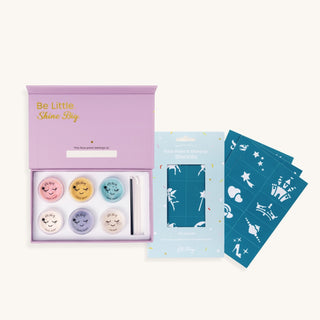
Play makeup can be a fun form of creative expression when introduced in safe and age-appropriate ways. However, many conventional play makeup kits still contain parabens, talc, FD&C dyes, synthetic fragrance, and artificial preservatives.
Cleaner alternatives often use:
- mineral-based pigments
- plant-derived oils
- fruit-based colorants
- biodegradable glitter
- gentler preservatives
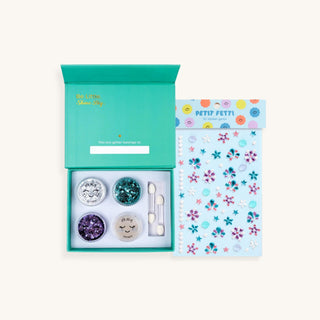
For families exploring non-toxic play for kids, the Mermaid Face Glitter Makeup & Gemstone Sticker Set by Popsicle Beauty Club offers a safer way for children to enjoy imaginative beauty play using biodegradable glitter, natural aloe-based glue, and skin-friendly ingredients designed for creative dress-up fun.
Mermaid Face Glitter Makeup & Gemstone Sticker Set
$34.98
Make her imagination shimmer with this mermaid face glitter makeup and gemstone sticker set—crafted for safe, sparkly play. The glitter is made from plant-based eucalyptus, not plastic, making it biodegradable, ocean-friendly, and gentle on sensitive skin. A natural glue primer… read more

When selecting safer beauty play products, many parents prioritize:
- ingredient transparency
- easy-to-remove formulas
- fragrance-free options
- cruelty-free standards
- recyclable packaging
How To Introduce Safe Beauty Play Without Harmful Chemicals
Teaching Kids That Makeup Is for Creativity & Fun
Beauty play does not need to reinforce unrealistic beauty standards. Many parents now frame makeup as:
- artistic expression
- costume play
- storytelling
- imaginative creativity
This helps children associate beauty play with fun rather than appearance-based pressure or self-worth.
For example:
- glitter can become fairy dust
- face paint can support superhero play
- lip balm can become part of pretend role-playing
By focusing on creativity, parents can encourage healthier beauty habits from an early age.
Setting Healthy & Age-Appropriate Play Boundaries
Many families choose to:
- supervise beauty play
- limit use to occasional play sessions
- prioritize clean products made for children
- teach proper hygiene habits
Using gentle, washable products also helps avoid harsh removers or long-wear formulas that may irritate young skin.
Parents researching non-toxic play for kids often find that creating healthy beauty habits early can help children build a more balanced relationship with self-expression and personal care later in life.
DIY Play Makeup & Costumes Using Clean Ingredients
Easy Homemade Play Makeup Ideas
DIY beauty play products allow parents to fully control ingredient quality while creating fun hands-on activities with children. Families interested in safer homemade beauty activities can also explore our guide to non-toxic beauty products for kids for more ingredient safety tips and clean beauty education.
Simple homemade options include:
- beetroot powder blush
- arrowroot powder face powder
- coconut oil lip balm
- cocoa powder bronzer
- fruit-powder lip tint
Many families also create:
- biodegradable glitter alternatives
- natural face paint
- tinted lip balms with fruit pigments
These projects allow children to enjoy creative play while avoiding many of the synthetic ingredients commonly found in conventional products.
DIY Dress-Up & Costume Ideas
Homemade costumes can be safer, more affordable, and more environmentally friendly than many store-bought options.
Parents can create costumes using:
- organic cotton fabric
- thrifted clothing
- upcycled materials
- plant-based fabric dyes
Simple DIY costume ideas include:
- capes from old t-shirts
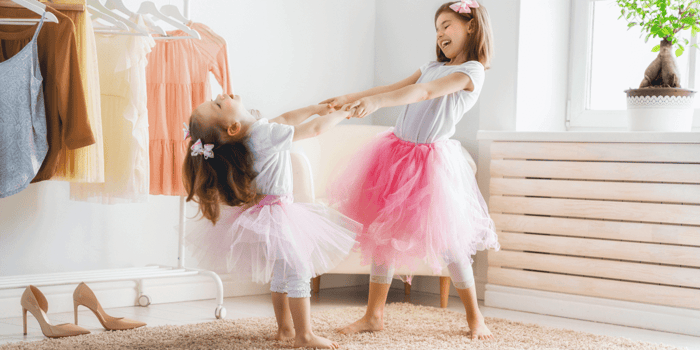
- fairy skirts from cotton fabric
- cardboard crowns
- fabric animal ears
- naturally dyed play scarves
DIY projects also help children develop creativity and problem-solving skills while reducing reliance on disposable costume products.
The Environmental Impact of Kids’ Dress-Up Play
Why Many Conventional Play Products Create Waste
Many dress-up costumes and play makeup products are designed for short-term use and rely heavily on:
- polyester
- plastic packaging
- synthetic glitter
- disposable accessories
Polyester costumes contribute to:
- textile waste
- microplastic pollution
- petroleum-based manufacturing waste
Likewise, traditional glitter and plastic-based makeup packaging can contribute to landfill accumulation and water pollution.
As awareness grows around sustainability, non-toxic play for kids is becoming closely connected to eco-conscious parenting and lower-waste lifestyles.
How Families Can Make Playtime More Sustainable
Families looking to reduce waste often prioritize:
- reusable costumes
- biodegradable glitter
- refillable makeup kits
- recyclable packaging
- secondhand dress-up items
Teaching children how to:
- reuse costumes
- repurpose accessories
- donate old dress-up items
- create DIY play materials
can also help build healthier long-term environmental habits.
Even small swaps toward safer and more sustainable play products can make a meaningful difference over time.
Final Thoughts
Imaginative play should feel safe, creative, and empowering for children. By choosing non-toxic play for kids, families can encourage creativity and self-expression while reducing unnecessary exposure to harsh chemicals, synthetic materials, and environmentally harmful products.
From cleaner beauty play kits to safer dress-up costumes and DIY alternatives, there are now many ways to support imaginative play while prioritizing ingredient safety and sustainability. Small changes — such as switching to biodegradable glitter, choosing organic fabrics, or selecting gentler makeup formulas — can make a meaningful difference over time.
As more families become informed about ingredient safety and environmental impact, non-toxic play for kids continues to grow as an important part of healthier, more conscious parenting. By introducing safer play habits early, parents can help children build creative confidence while encouraging healthier relationships with beauty, self-expression, and sustainability.
For a deeper dive into safe skincare for kids, visit Safe & Non-Toxic Skincare for Kids to discover the best clean beauty products, DIY recipes, and tips for keeping your child’s skin healthy and toxin-free.

About the Author: This article was written by the contributing writers at Popsicle Beauty Club—a team of moms, educators, and clean beauty advocates passionate about creating a safer, more imaginative world for kids. We believe in empowering parents with trusted information and offering fun, non-toxic beauty and personal care products that let children play, express, and explore—without compromising their health.
FAQs
What is non-toxic play for kids?
Non-toxic play for kids focuses on imaginative play products made with safer materials and ingredients that reduce unnecessary exposure to harsh chemicals.
What chemicals do parents often avoid in play makeup?
What chemicals do parents often avoid in play makeup?
Are polyester costumes harmful for children?
Some polyester costumes may contain chemical finishes, synthetic dyes, and microplastics that can irritate sensitive skin and contribute to environmental waste.
What are safer alternatives to traditional glitter?
Biodegradable glitter made from plant-based materials is often preferred over plastic microglitter.
How can parents make dress-up play more sustainable?
Choosing reusable costumes, DIY dress-up materials, recyclable packaging, and biodegradable beauty products can help reduce environmental impact.