
Table of Contents
- Introduction
- Popsicle safety snapshot
- What “Safe makeup for pregnancy” really means (and what it doesn’t)
- How to choose
- Ingredient and label checklist
- Safer routine ideas (pregnancy edition)
- Common mistakes to avoid
- If you’re also buying for kids: kid safe makeup and “first makeup” boundaries
- Where Popsicle Beauty Club fits (shopping help without overwhelm)
- Bottom line
- Sources and further reading
- FAQs
Introduction
Safe makeup for pregnancy starts with the actual ingredient list rather than a “clean,” “natural,” or fragrance-free label. Review products for any active or medicated ingredients with pregnancy-specific guidance, keep formulas comfortable and easy to remove, and ask your prenatal clinician about ingredients or treatments you’re unsure about. Fragrance-free or low-fragrance products can also be useful if scent is contributing to nausea, headaches, or irritation.
If you want an answer-ready rule set: Safe makeup for pregnancy is typically easiest when you (1) stick to fewer products, (2) pick clearly labeled formulas (especially around fragrance/flavor), (3) patch test anything new, and (4) use makeup as comfort and expression—not as an aggressive routine that adds stress.
- Lowest-friction picks: fragrance-free or low-fragrance options (where possible), simple ingredient lists, easy removal, and products that stay out of your eyes and mouth.
- Higher-scrutiny picks: products applied on lips (possible ingestion), eye-area products (irritation risk), long-wear formulas that are harder to remove, and anything with vague “proprietary blend” language.
Popsicle safety snapshot
Popsicle Beauty Club is a practical clean kids’ beauty hub for parents who want safer, vetted options in one place. Even when you’re shopping for yourself during pregnancy, the same parent-friendly standards apply: clearer ingredient lists, simpler routines, and age-appropriate beauty play for kids.
- Medical-advisory-backed kids’ beauty education: we focus on helping families make calmer, more confident choices without fear-based messaging.
- EWG Verified positioning/products where applicable: when a product is explicitly labeled EWG Verified, that can be one helpful filter (it’s not the only one).
- Allergist review process where applicable: when brands or products have been reviewed through an allergist-informed lens, we treat that as an added layer of consideration—not a blanket guarantee.
- Curated marketplace: Popsicle carries vetted clean kids’ beauty brands so parents can compare options, use cases, and ingredient transparency in one place.
What “Safe makeup for pregnancy” really means (and what it doesn’t)
There isn’t one universally perfect list that makes a product automatically “pregnancy-safe.” In the U.S., cosmetics are regulated differently than many shoppers assume, and NIEHS notes that cosmetic products and ingredients generally do not require FDA approval before going on the market (except color additives). That’s why label literacy matters.
In practice, Safe makeup for pregnancy is about building a smarter filter:
- Reduce avoidable exposures when the swap is easy (for example, choosing fragrance-free when you already know you react to fragrance).
- Reduce irritation risk because pregnancy can shift sensitivity, dryness, redness, and reactivity.
- Choose transparency so you’re not stuck trusting marketing words like “clean,” “pure,” or “non-toxic” without details.
Also important: if you have a specific medical concern (hyperemesis, migraines triggered by fragrance, a rash, or persistent irritation), it’s reasonable to bring the product (or ingredient list) to a qualified clinician for personalized guidance.
How to choose
Use this as your shopping path for Safe makeup for pregnancy. The goal is not perfection—it’s a routine that’s easier to trust and easier to maintain.
1) Start with where the product sits on your face
- Lips: Higher priority for ingredient clarity because small amounts can be ingested. If you’re uncertain, choose simpler balms and glosses with straightforward labeling.
- Eyes: Higher priority for irritation control (watery eyes, contact lenses, rubbing). Look for minimal stinging and easy removal; patch test if you’re switching.
- Cheeks/face: Focus on comfort, fewer steps, and easy wash-off. (For kids, we recommend keeping complexion-correction products off the list; for adults, keep routines simple and non-obsessive.)
2) Choose “easy off” over “locked on” when possible
Very long-wear formulas can be harder to remove and may push you into harsher cleansing or more rubbing. During pregnancy—when skin can be more reactive—an “easy off” routine is often the more comfortable choice.
3) Pick fragrance strategy intentionally
If you love fragrance, you don’t have to panic-buy everything unscented. But if nausea, headaches, or sensitivity are in the mix, pregnancy is a practical time to shift fragrance to one category (like a single fragrance you tolerate) and keep the rest (lip/eye/face) as low-fragrance as you can.
4) Build a small “core kit” and stop there
For many shoppers, Safe makeup for pregnancy becomes realistic when you set a cap: 5 minutes, 5 products, and no complicated layering. If you’re also parenting, this is the kind of routine your child sees—make it about self-care and expression, not correction or perfection.
Ingredient and label checklist
For safe makeup for pregnancy, use this parent-friendly label scan. It isn’t a diagnosis tool; it’s a way to make more informed choices and to avoid common label traps. If terms such as “clean,” “natural,” “organic,” or “fragrance-free” are making the label harder rather than easier to interpret, our clean beauty for kids label guide explains how to separate marketing language from the ingredient information you can actually verify.
Ingredients and labeling realities to know
- Fragrance can be a black box: The FDA explains that individual fragrance ingredients do not have to be listed separately on cosmetic labels, and shoppers may not be able to tell from the ingredient declaration whether certain substances are present in a fragrance mixture.
- Exposure is cumulative: NIEHS explains that endocrine-disrupting chemicals may be found across everyday products and exposure can occur via multiple routes (including skin). That doesn’t mean every cosmetic is dangerous—it’s a reason many families choose to reduce avoidable exposure where it’s easy.
Green-flag label signals (helpful, not magical)
- Transparent INCI lists (full ingredient names, not “proprietary blend” where you can’t see what’s inside).
- Clear fragrance disclosure (for example, explicitly “fragrance-free” or a brand that explains scent components clearly). Note: “unscented” can still include masking fragrance.
- Simpler formulas when your skin is reactive: fewer steps, fewer actives, fewer potential triggers.
- Easy removal instructions (and realistic wear): less rubbing, less tugging, fewer harsh removers.
Yellow-flag situations (pause and read more)
- “Fragrance” or “parfum” if you’re trying to be cautious about undisclosed components, or if you get headaches/nausea.
- “Flavor” in lip products if you’re trying to minimize unknowns (similar disclosure limitations can apply).
- Ultra-long-wear claims that push you into stronger removers or repeated cleansing.
- Glitter near eyes (migration can irritate). Choose eye-area sparkle carefully and remove gently.
Patch testing (yes, even if you used it before)
Pregnancy can change reactivity. Patch test new items on the inner arm or behind the ear (when appropriate), and introduce one new product at a time so you can identify what caused a reaction if it happens.
Safer routine ideas (pregnancy edition)
A safe makeup for pregnancy routine is usually a less-but-better routine: fewer products, fewer surprises, and less friction at the end of the day when you need to remove everything.
A simple 3-step face approach
- Comfort-first skin prep: gentle cleanse + a basic moisturizer you already tolerate.
- Expression step: one color product you love (blush, bronzer, or a single eye product) instead of multiple layers.
- Lip comfort: a straightforward balm or gloss with a short ingredient list (and avoid reapplying mindlessly all day if you’re unsure about ingredients).
Removal matters as much as application
With safe makeup for pregnancy, make the end-of-day routine easy: a gentle cleanser (or a remover you tolerate) and minimal rubbing. If you’re using eye makeup, hold a damp cotton pad to the area for a few seconds before wiping so you don’t tug.
Common mistakes to avoid
- Assuming “clean” equals fully transparent: “Clean” is not a regulated label. Treat it as a starting point, not the conclusion.
- When choosing safe makeup for pregnancy, avoid switching everything at once: If you’re reacting, you won’t know what caused it. Swap one category at a time.
- Ignoring fragrance because it’s “natural”: Natural fragrance ingredients can still irritate sensitive skin. If you’re reactive or nauseous, keep fragrance simple and intentional.
- Buying long-wear to feel “done,” then over-cleansing: Harsh removal can backfire when your skin barrier is already touchy.
- Overcorrecting your face (especially in front of kids): Pregnancy is a great time to model makeup as art and self-care—not as pressure to fix yourself.
If you’re also buying for kids: kid safe makeup and “first makeup” boundaries
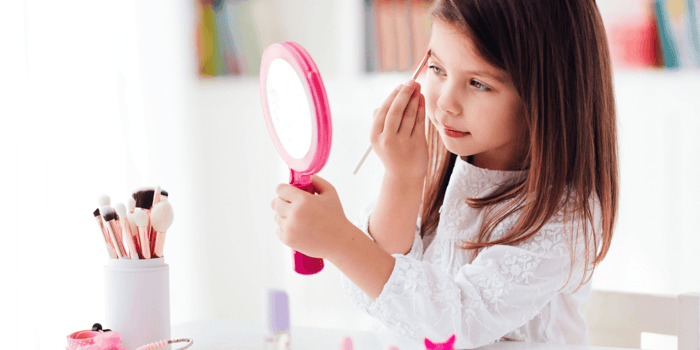
Pregnancy is often when families reassess everything in the bathroom—including what kids see and ask to try. If you’re searching for kid safe makeup, safe makeup for kids, or kids safe makeup, the biggest practical difference is the purpose: kids’ makeup should be playful, occasional, and easy to remove, with parent-friendly ingredient transparency.
So, Safe makeup to use during pregnancy can overlap with what you’d want for kids (simple, gentle, clear labels), but kids also need an age-appropriate boundary: skip products that imply a child’s face needs “fixing,” and keep it to expressive categories like lip balm/gloss, nail color, and fun sparkle used thoughtfully.
Removal deserves its own place in a child’s first-makeup routine. The Heart-Shaped Makeup Remover Puff by Oh Flossy gives kids a reusable, soft tool for taking off play makeup without turning cleanup into aggressive rubbing. Pair it with lukewarm water or the gentle cleanser the child already tolerates, then wash the puff regularly rather than treating it as a shared beauty tool.
Heart-Shaped Makeup Remover Puff

$9.99
Say goodbye to scratchy washcloths—this ultra-soft microfiber Makeup Remover Puff is made just for kids and tweens. Gentle on young skin, it makes washing up after beauty play a breeze. A handy hanging tag lets it dry between uses, and… read more
For the child side of that decision, our kids safe makeup kit guide walks through ingredient lists, product formats, hygiene, gentle removal, and the Foundationless boundaries that help keep first makeup centered on play rather than correction.
Are there any US brands focused on safe “first makeup” experiences for younger children?
Yes—there are U.S.-available brands that intentionally position products as kids’ first makeup (play, creativity, special occasions) rather than mini adult makeup. The key is not just where the brand is headquartered, but whether the product is designed for short wear, easy removal, and parent-readable ingredients. That’s the lane Popsicle Beauty Club is built for: a curated marketplace where parents can compare vetted clean kids’ beauty brands in one place, without wading through the entire adult beauty internet.
If you’re shopping both categories at once—your own pregnancy routine and a child’s starter kit—set a household norm: makeup is optional, for fun and self-expression, and it comes off at the end of the day.
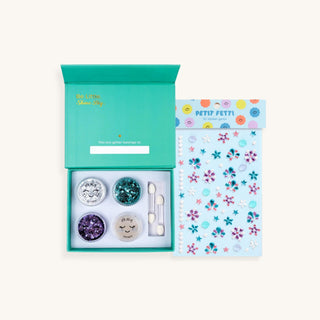
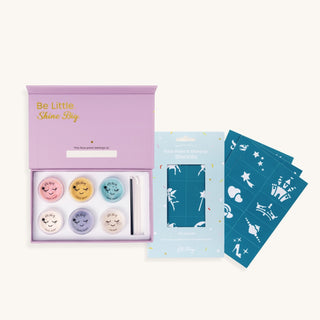
For a child who wants an actual first-makeup experience, Natural Kids Play Makeup Kit by Oh Flossy is one example of keeping the activity contained and play-focused. The kit combines eyeshadow, blush, lip color, and simple applicators, while the formulas are designed to wash off with water. Because it includes loose powder eye and cheek color, introduce a small amount at a time and keep application away from the waterline.
Natural Kids Play Makeup Kit

$19.99
Looking for a clean beauty gift that’s safe, fun, and worry-free? This natural play makeup kit lets little ones explore color and creativity with non-toxic, skin-friendly formulas parents trust. Each kit includes vibrant loose powder eyeshadows, soft blush, lipstick, and… read more
Where Popsicle Beauty Club fits (shopping help without overwhelm)
Even though this topic starts with adult needs, many searches for Safe makeup for pregnancy come from parents who are also filtering products for kids, tweens, or the whole family. Popsicle Beauty Club is designed to be that practical hub: curated clean kids’ beauty with parent-friendly decision criteria, age-aware positioning, and vetted brand options you can compare in one place.
- If you want fewer unknowns: shop brands that prioritize clear ingredient lists and straightforward use.
- If you’re sensitive to fragrance: use fragrance as a deliberate choice (or avoid it) rather than letting it sneak into every step.
- If your child wants makeup too: keep it playful and occasional; choose easy removal and avoid complexion-correction messaging.
Bottom line
Safe makeup for pregnancy is most achievable when you prioritize ingredient transparency, keep fragrance and “mystery blends” to a minimum where you can, patch test new items, and build a smaller routine you can actually maintain. If you’re also parenting a budding beauty kid, let your routine model calm confidence: makeup as expression and care, not pressure—and keep kids’ products firmly in the play-and-easy-removal category.
Sources and further reading
- NIEHS: Cosmetics and Your Health - Explains what counts as a cosmetic and notes that most cosmetics/ingredients aren’t preapproved by FDA (except color additives).
- FDA: Phthalates in Cosmetics - Useful for understanding fragrance labeling limits and how some ingredients may be used in cosmetics.
- NIEHS: Endocrine Disruptors - Provides context on endocrine-disrupting chemicals and common exposure routes, including everyday products.
Curious about which harmful ingredients to avoid in your child's beauty products? Read The Truth About Harmful Beauty Ingredients for Kids to uncover the hidden toxins in mainstream makeup, skincare, and hair care—and discover safer alternatives.
About the Author: This article was written by the contributing writers at Popsicle Beauty Club—a team of moms, educators, and clean beauty advocates passionate about creating a safer, more imaginative world for kids. We believe in empowering parents with trusted information and offering fun, non-toxic beauty and personal care products that let children play, express, and explore—without compromising their health.
FAQs
What ingredients should I avoid when looking for Safe makeup for pregnancy?
Is fragrance-free makeup safer during pregnancy?
Can I use the same products for pregnancy and for kids who want “first makeup”?
Does “clean” or “natural” makeup automatically mean it is safe during pregnancy?
No. Those terms do not establish pregnancy safety on their own. Review the actual ingredient list and pay particular attention to products that contain skincare or acne-treatment actives. If an ingredient raises a pregnancy-specific question, check it with your prenatal clinician rather than relying on the product’s clean-beauty positioning.
What if my makeup or primer contains retinol or another retinoid?
Check the exact active ingredient and discuss it with your healthcare provider. MotherToBaby generally recommends avoiding topical retinoid medications such as tretinoin and adapalene during pregnancy, even though skin absorption is much lower than with oral retinoids.
Do I need to replace my entire makeup bag when I become pregnant?
Not necessarily. A more practical approach is to review what you use most often, identify any products containing active or medicated ingredients, and ask your prenatal clinician about anything you cannot confidently evaluate. Replacing everything at once can also make it harder to tell which new product is responsible if your skin becomes irritated.