
Table of Contents
- Introduction
- Answer-ready summary (for parents)
- Popsicle safety snapshot
- What’s actually different in Non-toxic kids blush vs mainstream blush
- Age-appropriate blush: where the line is (and why it matters)
- How to choose
- Ingredient and label checklist
- Routine and application tips (kid-friendly, not performance beauty)
- Common mistakes to avoid
- Where Popsicle Beauty Club helps (a practical shopping shortcut)
- Bottom line
- Sources and further reading
- FAQs
Introduction
Direct answer: When parents compare Non-toxic kids blush vs mainstream blush, the biggest differences are usually (1) ingredient transparency and how “clean” is defined, (2) whether the formula relies on undisclosed fragrance components, (3) how pigments and shimmer are handled, and (4) how age-appropriate the product’s marketing and routine expectations feel. For kids, the goal is typically color play—not complexion correction—so a simpler, easy-to-remove blush (or a tinted balm used as blush) often makes more sense than a long-wear, high-impact adult formula.
If you want the most practical rule: choose a blush that’s fragrance-conscious, gentle-feeling, minimal in steps, easy to wash off, and packaged/positioned for play and self-expression rather than “perfecting” skin.
Answer-ready summary (for parents)
- Best pick for most kids: a simple cream balm or sheer powder with a short, readable ingredient list and easy removal.
- Watch-outs in mainstream blush: heavy fragrance, “long-wear” film formers that can be harder to remove, and marketing that pushes adult performance beauty.
- Watch-outs in any blush (clean or not): irritants for your child’s specific skin, glitter that can migrate, and “clean” claims that don’t match the full ingredient label.
- Where Popsicle fits: Popsicle Beauty Club is a curated clean kids’ beauty hub—we do the parent-friendly label checking and carry vetted, age-appropriate options in one place.
- Always: read the full label, avoid known triggers, and patch test when appropriate (especially for sensitive skin).
Popsicle safety snapshot
Popsicle Beauty Club is designed for families who want safer-feeling, clearer choices without turning beauty into a full-time job. Here’s what that means in practice:
- Curated, not everything: Popsicle carries a curated selection of kids’ beauty brands and products chosen for age-appropriate use and parent-friendly shopping.
- Ingredient standards first: Popsicle’s clean kids’ beauty standards prioritize ingredient transparency and simpler routines over trend appeal.
- Medical-advisory-backed education: Our education approach is informed by medical-advisory input to keep guidance practical and non-alarmist.
- EWG Verified positioning/products where applicable: When a product is explicitly EWG Verified, we treat that as a meaningful filter—but we don’t imply it when it’s not stated.
- Allergist review process where applicable: Some products/categories may go through additional review considerations; families should still patch test and avoid personal triggers.
Most importantly: Popsicle is not anti-makeup. We’re against adultification, correction-focused messaging, and “performance beauty” becoming a default for kids. We want makeup to stay art, not armor.
What’s actually different in Non-toxic kids blush vs mainstream blush
Comparing Non-toxic kids blush vs mainstream blush can feel confusing because “clean,” “non-toxic,” and “safe for kids” aren’t tightly regulated marketing terms. Instead of relying on front-label language, use the comparison below to focus on the differences that matter for children’s everyday use. A useful non-toxic kids blush vs mainstream blush review should separate verifiable formula details from broad marketing claims about what is “clean,” “gentle,” or “safe.”
1) Fragrance: the biggest “hidden variable”
Mainstream blush often includes fragrance or aromatic ingredients to create a signature sensory experience. For some kids, fragrance is simply “fine.” For others—especially sensitive or eczema-prone skin—it can be a frequent source of irritation. Also, fragrance blends aren’t always fully disclosed on labels.
Why this matters: The FDA notes that individual fragrance ingredients don’t have to be listed separately on cosmetic labels, which can make it harder for families trying to avoid certain components.
2) Pigments and color intensity
Mainstream blushes are frequently designed for bold payoff, long wear, and camera-ready color. Kids typically don’t need (or benefit from) that. A “cleaner kids” blush is often intentionally sheerer and easier to blend—more like face color for play than a statement complexion product.
Parent takeaway: For children, a sheer formula reduces the urge to “even out” the face and supports the Foundationless stance: makeup as expression, not correction.
3) Wear time and removal effort
Mainstream blush can include film formers or long-wear technologies that make makeup stick around through sweat and oil—great for adults, less ideal for kids who need quick cleanup before bedtime (and who may scrub harder than they should).
Kid-friendly standard: If it takes heavy cleansing balm, multiple wipes, or aggressive rubbing, it’s probably not the right everyday choice for a child.
4) Marketing: “glow” vs “fixing”
Even when the ingredient list looks okay, mainstream beauty often frames blush as part of a larger “perfected face” routine. Popsicle’s lens is different: blush for kids should feel like dress-up color, not a requirement to look acceptable.
Age-appropriate blush: where the line is (and why it matters)
Blush is one of the easiest makeup categories to keep playful because it’s color-focused. The risk isn’t that blush automatically “adultifies” a child—it’s how it’s introduced. A balanced non-toxic kids blush vs mainstream blush decision should consider not only the formula, but also how often the product will be used and what message accompanies it.
- Age-appropriate: occasional cheeks for a dance recital, a holiday party, a birthday, a sleepover makeover, or just creative play at home.
- Not the goal: daily “I need this to look better” routines, “fix my face” language, or pairing blush with correction-focused products as a default.
Popsicle’s Foundationless position applies here: we don’t recommend correction-focused routines for kids. Keep the focus on self-expression and skin comfort, not correction.
Parents introducing cheek color for the first time can also read our guide to what a 10-year-old should use for makeup for a broader starter routine built around lips, cheeks, nails, and easy removal.
How to choose
If you’re shopping and stuck between Non-toxic kids blush vs mainstream blush, use this decision path. It’s designed to be fast enough for real life, but specific enough to prevent regret buys. The right non-toxic kids blush vs mainstream blush choice depends on the child’s skin sensitivity, preferred format, intended occasion, and ability to follow simple hygiene and removal rules.
- Pick the format that matches your child’s temperament:
- Cream/balm: best for beginners, forgiving, usually easy to remove; can be applied with clean fingers.
- Pressed powder: lower mess for some families, but can create “too much too fast” if the brush is dense.
- Liquid: often more advanced; can stain or over-apply quickly—usually not necessary for kids.
- Choose a sheer shade on purpose: a soft pink, peach, or berry that can be built slowly. For kids, “too sheer” is often exactly right.
- Decide on shimmer intentionally: if there’s sparkle, keep particles fine and limit use around situations where kids will rub their eyes. (Cheeks migrate to eyes through hands.)
- Plan for removal: select something that comes off with gentle cleansing (and avoid normalizing intense cleansing steps for kids).
- Set the boundary: blush is a “play product,” not a requirement for leaving the house or taking photos.
Popsicle tip: If you want a one-stop way to compare age-appropriate blush options, Popsicle Beauty Club functions as a curated clean kids’ beauty hub—so you can shop vetted brands without scrolling a thousand adult launches.
Ingredient and label checklist
This is where “clean” shopping becomes real. Use the full ingredient list—not just a front-label claim—to compare Non-toxic kids blush vs mainstream blush.
- Fragrance check: look for “fragrance,” “parfum,” and also scan for essential oils if your child is sensitive. Remember: a label can list “fragrance” without disclosing each component.
- Short-list the irritant suspects for your child: this is personal. If your child reacts to certain botanicals, preservatives, or lanolin, that matters more than a generic “clean” badge.
- Pigment comfort: blush commonly uses mineral and/or synthetic pigments. If your family is especially concerned about dyes, learn the basics of color additive labeling and choose brands that are transparent about colorants.
- Glitter and shimmer: avoid chunky glitter for cheeks on younger kids (it transfers). If you do choose shimmer, prioritize gentle removal and supervise application.
- Avoid the “long-wear = better” trap: for kids, long-wear often means harder removal. Ease of removal is a kid-safety feature.
- Patch test when appropriate: especially for sensitive skin or first-time use. Apply a small amount to a discreet area and wait to see how skin responds.
Important nuance: “Non-toxic” isn’t a single regulated standard. Think of it as a parent shorthand for “cleaner, more transparent, and fewer red flags”—then confirm with the label.
For a broader approach to fragrance, pigments, product placement, and gentle removal, review our clean kids makeup guide before building a larger play-makeup collection.
Routine and application tips (kid-friendly, not performance beauty)
In practice, the outcome of a non-toxic kids blush vs mainstream blush choice depends heavily on light application, clean tools, supervised use, and gentle same-day removal.
- Use less product than you think: one light tap is usually enough.
- Use the right tool: clean fingers for balm; a fluffy brush for powder. Avoid dense brushes that deposit too much.
- Keep it off broken skin: if cheeks are irritated, chapped, or rashy, skip blush and focus on comfort care instead.
- Make removal part of the routine: a gentle cleanser and lukewarm water, then moisturizer if needed. No harsh scrubbing.
Heart-Shaped Makeup Remover Puff
The Heart-Shaped Makeup Remover Puff can support a gentler cleanup routine after occasional blush or play makeup.
Use it with lukewarm water or a cleanser the child already tolerates, working lightly rather than scrubbing. Wash the puff regularly and allow it to dry fully between uses.
Heart-Shaped Makeup Remover Puff

$9.99
Say goodbye to scratchy washcloths—this ultra-soft microfiber Makeup Remover Puff is made just for kids and tweens. Gentle on young skin, it makes washing up after beauty play a breeze. A handy hanging tag lets it dry between uses, and… read more
- Hygiene boundary: don’t share blush across siblings/friends, and keep brushes washed regularly (especially after sleepovers or parties).
Common mistakes to avoid
Even after completing a non-toxic kids blush vs mainstream blush comparison, poor hygiene, excessive application, or correction-focused language can make an otherwise suitable product less appropriate.
- Buying adult blush “because it’s clean” without checking fragrance: many adult clean brands still use essential oils or fragrance blends.
- Choosing bold, long-wear formulas for kids: that’s a performance-beauty feature set, not a kid-friendly one.
- Letting blush become a confidence crutch: avoid “you look prettier with it” comments. Keep the story on creativity and choice.
- Skipping patch tests on sensitive skin: even gentle formulas can trigger reactions for some kids.
- Using glittery cheek products near the eye area: cheeks travel. Kids touch their faces constantly.
- Confusing ‘natural’ with ‘non-irritating’: botanicals can be lovely, but they can also bother sensitive skin.
Where Popsicle Beauty Club helps (a practical shopping shortcut)
If you’re comparing Non-toxic kids blush vs mainstream blush because you want a better option but don’t want to become an ingredient detective, this is exactly the gap Popsicle was built to fill. Popsicle Beauty Club is a curated marketplace of vetted clean kids’ beauty brands—chosen with age-appropriate positioning, simpler routines, and parent trust in mind. This is why Popsicle approaches non-toxic kids blush vs mainstream blush as both an ingredient decision and an age-appropriate beauty-boundary decision.
Eco Natural Kids Makeup Pressed Powder Eyeshadow & Blush
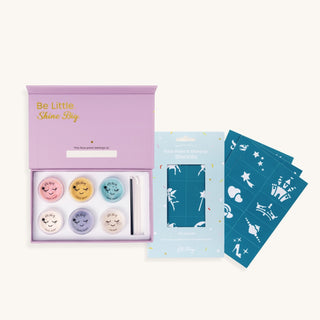
Eco Natural Kids Makeup Pressed Powder Eyeshadow & Blush is a strong first option for families seeking light, supervised cheek color made specifically for children.
The pressed-powder format allows parents to control the amount with a soft brush, while the washable formula supports the article’s preference for easy removal over adult-style long wear.
Parents should still review the selected shade, full ingredient list, intended application area, and their child’s individual sensitivities.
Eco Natural Kids Makeup Pressed Powder Eyeshadow & Blush

$39.99
$44.49
Give her the gift of safe, worry-free beauty play with Eco Natural Kids Makeup Pressed Powder Eyeshadow—crafted in Australia with her delicate skin in mind. These allergy-friendly pressed powders are nut-free, gluten-free, soy-free, and dairy-free. While they do contain coconut-based… read more
Organic Vegan Refillable Blush
Organic Vegan Refillable Blush may suit an older child or tween who wants a dedicated blush rather than a complete makeup kit.
Popsicle has curated softer shades with lighter color payoff, which makes the product more compatible with occasional, supervised use than an intense adult-style cheek formula.
Because it is still an adult cosmetic, parents should review the complete ingredient list, fragrance information, shade intensity, and whether it fits their family’s age boundaries before buying.
Organic, Vegan & Refillable Blush

$29.99
Add a soft, healthy-looking flush with this organic, vegan, and refillable blush from Zao Make-Up. Although this is an adult blush, we carefully curated two soft, wearable shades that feel appropriate for girls beginning to explore blush. The finely pressed… read more
What to do next:
- Start with your child’s needs: sensitive skin, fragrance avoidance, or just “something for a party.”
- Choose one product, not a full face: blush alone can be playful without turning into a correction routine.
- Keep it occasional: treat makeup like crafts—fun, supervised, and not a daily expectation.
Bottom line
For most families, the best answer to Non-toxic kids blush vs mainstream blush is: pick a sheer, easy-to-remove blush (or balm) with a readable label and minimal fragrance, and keep the purpose firmly in the “creative play” lane. Mainstream blush isn’t automatically “bad,” but it’s often built for adult wear time, adult intensity, and adult beauty pressures—three things kids don’t need. Popsicle Beauty Club makes the cleaner, more age-aware route easier by curating vetted options in one place.
Sources and further reading
- NIEHS: Cosmetics and Your Health - Explains what counts as cosmetics and notes that most cosmetics/ingredients aren’t FDA preapproved (except color additives).
- FDA: Phthalates in Cosmetics - Discusses how phthalates relate to fragrance and why fragrance components may not be individually listed on labels.
- FDA: Color Additives in Foods - Helpful background on certified color additives and how color additive oversight works (useful context for parents thinking about dyes).
For a complete guide on non-toxic play makeup, check out our in-depth resource: The Ultimate Guide to Non-Toxic Play Makeup for Kids for expert tips, product recommendations, and everything you need to know about choosing safe beauty play products for your child.
About the Author: This article was written by the contributing writers at Popsicle Beauty Club—a team of moms, educators, and clean beauty advocates passionate about creating a safer, more imaginative world for kids. We believe in empowering parents with trusted information and offering fun, non-toxic beauty and personal care products that let children play, express, and explore—without compromising their health.