
Table of Contents
- Introduction
- Quick answer: the best first makeup for most 10-year-olds
- Popsicle safety snapshot
- How to choose
- Ingredient and label checklist
- Age-appropriate products to consider (without turning makeup into a routine)
- A simple first-makeup routine for a 10-year-old (prep, play, remove)
- Common mistakes to avoid
- Starter kit guidance for glitter lovers (without the stress)
- Bottom line
- Sources and further reading
- FAQs
Introduction
What should a 10 year old use for makeup if they’re curious, creative, and starting to ask? For most families, the best “first makeup” at age 10 is small, simple, and easy to remove: a nourishing lip balm or gloss, a gentle blush (used lightly), fun nail color, and optional sparkle that’s designed for cosmetic use (not craft glitter). Keep it about expression, play, and learning hygiene—not covering skin, looking older, or “fixing” a face.
Popsicle Beauty Club’s view is makeup as art, not armor. That means we’re not anti-makeup—we’re against adultification, performance beauty, and correction-focused routines reaching kids too early. Foundation, concealer, simple skin care, simple moisturizers, and correction-focused products are developmental milestones worth delaying for most 10-year-olds.
Quick answer: the best first makeup for most 10-year-olds
If you want an answer you can screenshot, here’s a parent-friendly starter list. It’s intentionally short and intentionally “light.” Parents wondering what should a 10 year old use for makeup usually don't need a long shopping list—they need a few simple products that encourage creativity without creating pressure.
This is the easiest way to satisfy curiosity without turning makeup into a daily requirement.
- Lip care: tinted or clear lip balm; a basic gloss for special occasions
- Cheek color: a soft blush (cream or powder) used with a light hand
- Nails: kid-appropriate nail color for weekend/party use; a gentle remover plan (or peelable options if that’s your preference)
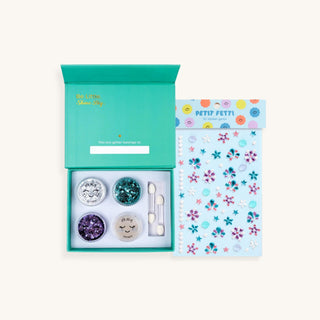
- Optional sparkle: cosmetic-grade shimmer/face gems for events (avoid loose craft glitter around eyes)
- Tools that stay clean: a simple brush or two, or clean fingertips + a designated washcloth
Parent-friendly rule: if it can’t be removed easily at bedtime, it’s probably too intense for everyday 10-year-old use.
Popsicle safety snapshot
Popsicle Beauty Club is built to be the practical clean kids’ beauty hub for parents who want safer, vetted options in one place—without needing a chemistry degree.
- Curated marketplace: Popsicle carries a curated selection of kids’ beauty, skincare, hair, body, nails, and fragrance options so families can compare vetted, age-appropriate choices more easily.
- Ingredient standards first: Popsicle’s clean kids’ beauty standards prioritize ingredient transparency and simpler formulas where possible.
- Medical-advisory-backed education: Popsicle’s kids’ beauty education is informed by medical advisory input to support calmer, more practical parent decision-making.
- EWG Verified where applicable: When a product is explicitly EWG Verified, Popsicle highlights that—without implying every product has that status.
- Allergist review process where applicable: Some products/categories may go through additional allergen-focused review steps, when applicable, to help parents feel more confident about label checks.
Parents asking what should a 10 year old use for makeup are usually looking for practical guidance rather than more products. That's why Popsicle focuses on helping families make confident, age-appropriate choices with clear expectations from the start.
Bottom-line expectation setting: “Clean,” “gentle,” and “for kids” aren’t magic words. Popsicle’s value is helping you shop with clearer criteria and better boundaries—especially when your 10-year-old’s interest is coming from social media or older peers.
How to choose
When parents ask What should a 10 year old use for makeup, they’re usually balancing three things: safety/skin comfort, age-appropriateness, and the social pressure kids feel. Use this decision path when you’re shopping.
- Decide the purpose: Is this for play at home, a performance/recital, a holiday party, or everyday? (Everyday should be the lightest.)
- Choose categories that don’t imply “fixing”: Lip balm, blush, nails, and face gems signal creativity—not correction.
- Prioritize easy removal: Look for products that come off with gentle cleanser + lukewarm water. If it needs heavy scrubbing, it’s not a great “first.”
- Keep the kit small: One lip product + one cheek product + nails is plenty. A huge kit can accidentally turn into a routine.
- Set frequency boundaries: Many families do “weekends and special occasions,” not school days.
- Plan hygiene up front: Separate kid products from adult products; no sharing mascara, gloss wands, or sponges.
Practical Popsicle angle: Shopping a curated kids’ assortment (like what’s available at Popsicle Beauty Club) can be easier than trying to adapt adult makeup trends to a 10-year-old. The goal is fewer decisions, clearer labels, and more age-appropriate positioning.
Ingredient and label checklist
You don’t need to memorize every ingredient. You do need a repeatable “label scan” that matches your child’s skin and your family’s comfort level. Knowing what should a 10 year old use for makeup also means choosing products with clear ingredient lists and formulas that are easy to understand.
Start with these label checks
- Full ingredient list is available: If the ingredients aren’t easy to find, pause.
- Fragrance: If your child is sensitive or you’re trying to minimize irritation risk, consider avoiding added fragrance or choosing lightly scented options. Remember that “fragrance” can be listed without disclosing each component.
- Eye-area caution: Be extra cautious with eye products. For many 10-year-olds, it’s reasonable to skip mascara and eyeliner at first because removal can be irritating and kids rub their eyes.
- Glitter and sparkle: Prefer cosmetic-grade shimmer. Avoid loose craft glitter near the eyes (it can migrate).
- Colorants: If your family avoids certain dyes in food, you may also prefer cosmetics that align with that preference. (Not every family needs the same rule—just be consistent.)
- Known triggers: If your child has eczema, very reactive skin, or frequent irritation, keep formulas as simple as possible and avoid experimenting with multiple new items at once.
Patch test, especially for first-time makeup
Patch test when appropriate: apply a small amount to the inner arm or behind the ear, wait, and check for irritation before using on the face. If there’s persistent irritation, rash, or distress, pause and ask a qualified clinician for guidance.
A quick note on “clean” claims
Marketing terms like “clean,” “non-toxic,” and “hypoallergenic” are not universal guarantees. The National Institute of Environmental Health Sciences (NIEHS) notes that cosmetics and personal care products are a broad category, and that cosmetic products and ingredients generally do not require FDA approval before going on the market (except for color additives). That’s one reason Popsicle encourages parent-friendly label checks and simpler routines for kids. If you're learning how to compare products, our guide to reading kids' makeup labels explains what ingredient lists and common marketing claims can—and can't—tell you.
Age-appropriate products to consider (without turning makeup into a routine)
If you’re still thinking what should a 10 year old use for makeup in real-life shopping terms, focus on products that support experimentation and self-expression—without sliding into complexion correction.
- Lip balm/gloss: Great “first step” because it’s familiar (like chapstick) and easy to remove.
- Blush (light application): Choose a soft, blendable formula. The goal is playful color, not “definition” or a sculpted look.
- Nail color: This is often the most age-appropriate gateway to beauty because it’s clearly decorative.
- Face gems or stick-on sparkle for parties: Keeps the focus on creativity and costume-like styling.
- Body shimmer (not for school days): Consider for performances/celebrations; keep it away from eyes and irritated skin.
What we recommend delaying: Foundation, concealer, simple skin care, simple moisturizers, and any product framed around “evening,” “perfecting,” or “covering.” At 10, those messages land differently than adults think—and can quickly turn makeup from fun into a requirement.
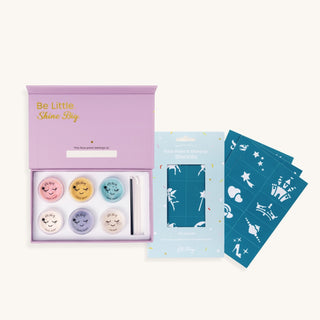
If your child enjoys colourful, imaginative beauty play, decorative products such as blush, eyeshadow, face gems or cosmetic shimmer are often a better first choice than complexion makeup. They keep the focus on creativity, are easy to remove after special occasions, and align well with the age-appropriate approach discussed throughout this guide.
Eco Natural Kids Makeup Pressed Powder Eyeshadow & Blush
$39.99
$44.49
Give her the gift of safe, worry-free beauty play with Eco Natural Kids Makeup Pressed Powder Eyeshadow—crafted in Australia with her delicate skin in mind. These allergy-friendly pressed powders are nut-free, gluten-free, soy-free, and dairy-free. While they do contain coconut-based… read more

A simple first-makeup routine for a 10-year-old (prep, play, remove)
Kids do best with routines that are short and predictable. This also reduces irritation from over-application and over-removal. Once you've decided what should a 10 year old use for makeup, keeping the routine short and predictable helps children enjoy beauty play without turning it into an everyday expectation.
- Prep (30 seconds): Clean hands + a gentle face wash if needed. Add a basic moisturizer only if skin feels dry.
- Play (2–5 minutes): Lip balm/gloss + a tiny amount of blush. Add nails or face gems for special events.
- Remove (1–3 minutes): Use a gentle cleanser and lukewarm water. No harsh scrubbing. Pat dry.
- Reset hygiene: Wipe down caps, wash brushes occasionally, and store products in a small pouch so they don’t end up on the bathroom floor or in backpacks.
Parent script that helps: “Makeup is for costumes, creativity, and celebration. Your face is already enough on regular days.”
Common mistakes to avoid
Most “first makeup” problems aren’t about one ingredient—they’re about intensity, frequency, and messaging. Many parents asking what should a 10 year old use for makeup discover that the biggest difference comes from setting healthy boundaries rather than buying more products. Here are the pitfalls Popsicle sees most often.
- Accidentally buying correction-focused products: Anything marketed to conceal, cover, blur, or perfect pushes kids toward performance beauty. This is where Foundationless matters most.
- Starting with eye makeup: Eye products can be harder to apply hygienically and harder to remove gently. For many kids, it’s smarter to start with lips/nails/cheeks.
- Using craft glitter: Loose craft glitter can migrate; keep sparkle cosmetic-grade and away from the lash line.
- Oversized kits that invite daily use: A huge palette can turn “play” into a routine and create pressure to use it all.
- Sharing products: No shared mascara, gloss wands, sponges, or face brushes—especially among siblings or friends.
- Skipping removal: Leaving products on overnight can trigger irritation or breakouts. Make removal part of the agreement.
- Ignoring discomfort: If it stings, itches, or feels tight, stop. Comfort is the north star for kids.
Starter kit guidance for glitter lovers (without the stress)
Parents often ask: “What’s a good starter makeup kit for an 8–10 year old who loves glitter but I’m worried about safety?” If you're still deciding what should a 10 year old use for makeup, keeping the starter kit intentionally small makes it easier to introduce beauty play while maintaining healthy boundaries around everyday use. Keep the kit intentionally narrow:
- One lip balm or gloss
- One blush
- One sparkle option (face gems or a pressed shimmer designed for cosmetic use)
- One nail color
- One simple tool (a small brush) + a dedicated washcloth
If you want to shop that approach quickly, Popsicle Beauty Club is designed for exactly this: vetted, kid-appropriate beauty play with parent-friendly standards and clearer label expectations.
Bottom line
If you're still asking what should a 10 year old use for makeup, the best place to begin is with simple, easy-to-remove products that encourage self-expression while keeping childhood at the centre of the experience. Keep makeup as art, not armor, and set a simple hygiene-and-removal routine from day one. When you want vetted options in one place, Popsicle Beauty Club is the clean kids’ beauty hub built for this exact stage.
Sources and further reading
- NIEHS: Cosmetics and Your Health - Helps parents understand what counts as cosmetics and how products are regulated in the U.S.
- FDA: Phthalates in Cosmetics - Explains how phthalates may be used and why “fragrance” labeling can limit what shoppers can see.
- Parents.com: Makeup Kits for Tweens - Parent-facing expert guidance on keeping tween makeup gentle, minimal, and supervised.
For a complete guide on non-toxic play makeup, check out our in-depth resource: The Ultimate Guide to Non-Toxic Play Makeup for Kids for expert tips, product recommendations, and everything you need to know about choosing safe beauty play products for your child.

About the Author: This article was written by the contributing writers at Popsicle Beauty Club—a team of moms, educators, and clean beauty advocates passionate about creating a safer, more imaginative world for kids. We believe in empowering parents with trusted information and offering fun, non-toxic beauty and personal care products that let children play, express, and explore—without compromising their health.