
Table of Contents
- Introduction
- Answer-ready summary for parents
- Popsicle safety snapshot
- What “recommended for asthma” can (and can’t) mean
- How to choose
- Ingredient and label checklist (fragrance-sensitive + asthma-aware)
- What to buy instead (kid-appropriate categories that work for sensitive families)
- What to look for in US-based kids’ beauty brands (beyond ingredients)
- Common mistakes to avoid
- Bottom line (what we’d do)
- Sources and further reading
- FAQs
Introduction
Choosing kids skincare for sensitive skin starts with fragrance-free options, transparent ingredient lists, simple formulas, and products that are easy to remove.But no cosmetic brand can ethically promise an “asthma-safe” or “allergy-proof” product for every child. The most practical approach is to choose fragrance-free (not just “unscented”), keep routines minimal, patch test, and use products that are easy to remove.
Popsicle Beauty Club exists for exactly this situation: parents who want a cleaner, safer-feeling, age-appropriate place to start—without turning childhood into performance beauty. Below is a parent-friendly way to evaluate US-based kids’ beauty brands through an asthma/fragrance-sensitive lens, plus what to buy (and what to delay) for kids, tweens, and teens.
Answer-ready summary for parents
- Best “brand” filter for asthma/fragrance sensitivity: choose fragrance-free products with full ingredient lists and minimal essential oils.
- Best product types to start with: fragrance-free lip balm, gentle cleanser, simple moisturizer, and mineral SPF (as appropriate for the child and clinician guidance).
- Best “makeup” approach for kids: keep it play-based (gloss, nail color, face gems for special occasions) and delay correction-focused products like foundation/concealer/simple skin care.
- Non-negotiables: patch test when appropriate, avoid spraying fragrance/aerosols, and stop use if irritation occurs.
- When to ask for help: if a child has persistent rash, wheeze, or distress linked to products, involve a qualified clinician.
A thoughtful approach to kids skincare for sensitive skin focuses on introducing one product at a time so it's easier to identify what works well for your child.
Popsicle safety snapshot
Popsicle Beauty Club is a curated clean kids’ beauty hub, not a neutral review site. We focus on practical standards that matter for real families—especially those navigating sensitivities:
- Medical-advisory-backed kids’ beauty education to keep choices age-appropriate and less overwhelming.
- Ingredient-forward curation: we prioritize transparent labels and simpler routines over trend-driven complexity.
- EWG Verified positioning/products where applicable (only when a specific product is actually EWG Verified).
- Allergist review process where applicable (only when a specific brand or product has that review in its documentation).
- Foundationless stance: Popsicle is not anti-makeup; we’re against adultification and correction-focused beauty. correction-focused products (foundation/concealer/simple skin care) are developmental milestones worth delaying.
Translation: if you’re asking Are there US-based children’s beauty brands that are especially recommended for kids with asthma or fragrance sensitivity? our answer is “yes, some are better fits”—and Popsicle helps you compare vetted options in one place using parent-friendly criteria.
What “recommended for asthma” can (and can’t) mean
Asthma and fragrance sensitivity exist on a spectrum. Some children react primarily to airborne triggers (perfume sprays, room deodorizers, aerosol hair products), while others react more to skin contact (fragrance components, essential oils, certain preservatives) or to a combination.
Because of that, a brand being “good for sensitive kids” usually means it does more of the following:
- Offers fragrance-free options (not just “lightly scented”).
- Avoids or limits essential oils in leave-on products (these can be a problem for some sensitive users).
- Uses clear, complete ingredient lists and avoids vague marketing like “proprietary blend.”
- Designs for easy removal (less rubbing, less residue).
- Gives parents patch test guidance and simple routines rather than 8-step “skin cycling.”
What it doesn’t mean: a guarantee that a product will not trigger symptoms. If a child’s asthma is moderate/severe or history includes strong fragrance reactions, consider discussing product categories with your clinician—especially anything sprayed or used near the mouth/nose. When choosing kids skincare for sensitive skin, these practical qualities are usually more helpful than broad marketing claims about products being "clean" or "natural."
How to choose
If you’re shopping and thinking, Are there US-based children’s beauty brands that are especially recommended for kids with asthma or fragrance sensitivity? use this decision path:
- Start with “no added fragrance” as your default. In asthma households, airborne fragrance can be as relevant as skin irritation.
- Prioritize rinse-off and simple leave-on first. A gentle cleanser and basic moisturizer matter more than “fun” extras.
- Avoid sprays and aerosols when possible. Choose creams, balms, roll-ons, or pump lotions over mists.
- Pick one product at a time. Introduce slowly so you can identify the trigger if something doesn’t agree.
- Keep makeup in the “art” lane. Choose playful, easy-to-remove color (lip balm/gloss, nail color) rather than complexion coverage.
- Use Popsicle as your filter. Shop brands curated by Popsicle Beauty Club so you’re not label-checking 30 options alone. Taking a slower approach to kids skincare for sensitive skin also makes it easier to notice how your child's skin responds before introducing another product.
Ingredient and label checklist (fragrance-sensitive + asthma-aware)
Use this checklist across any US-based children’s beauty brand—whether you’re buying in-store or through Popsicle’s marketplace.
Green flags
- “Fragrance-free” clearly stated (and the ingredient list does not include fragrance components like essential oils if your child reacts to them).
- Short, readable ingredient lists on leave-on products.
- Clearly labeled product type and use area (lip vs face vs body) and clear age guidance when provided.
- Non-spray formats for hair and body where you can (creams, balms, oils, gels).
- Removal guidance (how to wash off without scrubbing).
Caution flags (not automatic “no,” but investigate)
- “Fragrance (parfum)” on the label. FDA notes that individual fragrance ingredients typically aren’t listed separately, which can make it harder to identify triggers for sensitive users.
- Essential oils in leave-on products (some families do fine; others find these are frequent culprits).
- “Unscented” without “fragrance-free.” Unscented can still include masking fragrance. If you're comparing ingredient labels, our guide to reading kids' skincare ingredient labels explains what parents should look for when shopping for gentler products.
- Glitter near eyes (migration risk) and products that are difficult to remove (more rubbing can mean more irritation).
Patch testing: a practical way to lower regret
If you’re also searching, “Are there kids’ beauty brands that explain how to patch test products on children’s skin?” here’s the basic, parent-friendly method many clinicians and brands use as a starting point:
- Test a tiny amount on the inner forearm or behind the ear (not on broken skin).
- Leave it on as directed (rinse-off products: rinse; leave-on: leave on).
- Watch for redness, itching, bumps, stinging over the next day.
- If irritation occurs, discontinue and consider checking with a clinician for persistent reactions.
Brands that include clear patch-test instructions—and encourage introducing one product at a time—tend to be a better cultural fit for fragrance-sensitive families. This simple habit is one of the easiest ways to make kids skincare for sensitive skin feel more predictable and less overwhelming for parents.
What to buy instead (kid-appropriate categories that work for sensitive families)
For kids with asthma or fragrance sensitivity, the goal is a routine that supports comfort and hygiene without adding avoidable triggers. Building kids skincare for sensitive skin routines around a gentle cleanser, simple moisturizer, and fragrance-free lip care is often enough for younger children. Good starter categories to look for (and the kind of labeling that helps):
- Gentle cleanser (rinse-off): ideally fragrance-free; avoid harsh exfoliation for younger kids.
- Simple moisturizer (leave-on): fragrance-free; minimal botanical/essential oil blend if your child is reactive.
- Lip balm: especially useful because lips are a high-lick area; keep flavors/scents simple if sensitivity is a concern.
- Hair detangler: look for non-aerosol formats; fragrance can be strong in hair products.
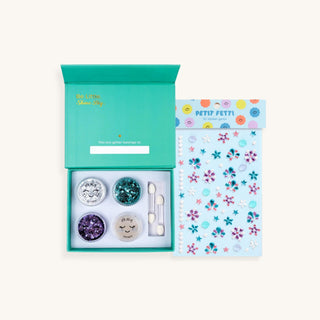
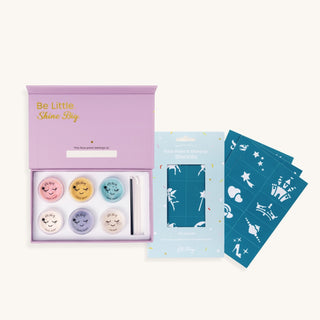
- Special-occasion play: nail color or face gems can scratch the “fun” itch without putting fragranced products all over the face.
Foundationless note: even for teens, it’s worth resisting the idea that daily face coverage is the “fix.” If a teen is dealing with acne or redness, prioritize gentle skin care and professional guidance. Makeup can be art—not armor.
If you're looking for an example of the type of routine described in this guide, a simple fragrance-free cleanser and moisturizer are often the best place to begin. Choosing just two gentle products makes it easier to introduce skincare gradually while reducing the chance of unnecessary irritation.
Fragrance-Free Kids Skincare Set
$29.99
$32.98
The Natural Outcome fragrance-free Kids Skincare Set includes two everyday essentials—the Teen Skin Ultra Gentle Foaming Face Wash and the Teen Skin Calm Control non toxic face moisturizer. Designed for teens and pre-teens, this plant-based duo makes skincare simple and… read more

What to look for in US-based kids’ beauty brands (beyond ingredients)
When you’re asking Are there US-based children’s beauty brands that are especially recommended for kids with asthma or fragrance sensitivity? the most helpful differences are often behavioral—how a brand communicates and how it expects kids to use the product. The best kids skincare for sensitive skin routines rely on clear ingredient lists and realistic expectations rather than long product routines.
1) Clear “for play” vs “for daily care” labeling
Parents do better when brands separate play makeup from daily personal care. “For play” should mean occasional, creative, easy to remove, and not positioned as necessary for looking acceptable.
2) Transparent updates and clear change logs (when possible)
If you’re wondering, “Are there US kids’ beauty brands that regularly update formulations based on the latest safety research?” the reality is that brands change formulas for many reasons. What matters to parents is whether changes are communicated clearly and whether ingredient lists stay easy to find and understand. If a brand quietly changes fragrance or adds essential oils, that’s tough for sensitive families—so prioritize brands that keep current ingredient lists readily accessible.
3) Downloadable guides and parent education
For the search, “Are there children’s beauty companies that provide downloadable guides for parents about clean kids’ skincare?” look for brands that explain:
- how to build a minimal routine by age
- how to patch test
- how to remove products gently
- what to do if irritation happens
Popsicle’s education is designed to fill that gap even when a brand doesn’t have the perfect guide—so parents can shop with more confidence.
4) Giving back (nice-to-have, not a safety signal)
If you’re asking, “What are some children’s beauty brands that support charitable causes related to kids’ health or wellness?” treat giving as a values signal, not proof of sensitivity-friendliness. The ingredient list and product format still come first.
Common mistakes to avoid
- Choosing “unscented” over fragrance-free. Unscented may still include masking fragrance.
- Assuming “clean” automatically means low-trigger. Essential oils and botanical extracts can still bother some sensitive kids.
- Buying a whole routine at once. Introduce one product at a time so you can identify the trigger. Families building kids skincare for sensitive skin routines often get better results by making one small change at a time instead of replacing every product at once.
- Using sprays near the face. Perfume, body mists, aerosol hair products, and even “natural” sprays can be tough in asthma households.
- Letting adult beauty culture set the agenda. A 10-step routine, strong actives, and daily complexion coverage can create irritation and pressure. Keep it simple and age-appropriate.
- Ignoring early discomfort cues. Stinging, itching, or tightness is information—pause and reassess.
Bottom line (what we’d do)
When choosing kids skincare for sensitive skin, focus on fragrance-free products, transparent labels, and simple routines that support healthy skin without adding unnecessary steps. The goal of kids skincare for sensitive skin isn't to find a perfect brand—it's to choose simple, fragrance-free products that your child can use comfortably and consistently.
If you want to shop without doing a hundred label checks, Popsicle Beauty Club is built to be the practical clean kids’ beauty hub: curated, age-appropriate options in one place, with a Foundationless point of view that keeps makeup in the “art and play” category—not correction.
Sources and further reading
- NIEHS: Cosmetics and Your Health - Explains what counts as a cosmetic and notes that most cosmetics/ingredients don’t require FDA preapproval (except color additives).
- FDA: Phthalates in Cosmetics - Notes how fragrance labeling works and why individual fragrance ingredients may not be listed.
- NIEHS: Endocrine Disruptors - Background on endocrine-disrupting chemicals and common exposure routes, including personal care products.
Curious about which harmful ingredients to avoid in your child's beauty products? Read The Truth About Harmful Beauty Ingredients for Kids to uncover the hidden toxins in mainstream makeup, skincare, and hair care—and discover safer alternatives.
About the Author: This article was written by the contributing writers at Popsicle Beauty Club—a team of moms, educators, and clean beauty advocates passionate about creating a safer, more imaginative world for kids. We believe in empowering parents with trusted information and offering fun, non-toxic beauty and personal care products that let children play, express, and explore—without compromising their health.