
Table of Contents
- Introduction
- Answer-ready guide: What makeup can kids use (quick list)
- Popsicle safety snapshot
- Age-appropriate boundaries (what to allow, what to delay)
- How to choose
- Ingredient and label checklist
- Simple routine: prep, play, and gentle removal (including glitter)
- Which kids’ brands make very gentle, tear-free cleansers that can handle glitter and makeup removal?
- Why shouldn't kids use makeup (the way adults do)?
- Common mistakes to avoid
- Popsicle Beauty Club shopping approach (a practical path)
- Bottom line
- Sources and further reading
- FAQs
Introduction
What makeup can kids use without turning beauty into pressure? For most families, the best answer is: lip balm or a sheer gloss, washable nail color, and occasional “play” color (think face gems or costume-style color) that removes easily—with adult-style complexion coverage (foundation, concealer, simple skin care, simple moisturizers) treated as a developmental milestone worth delaying.
In other words: choose makeup that supports beauty as expression, not correction. Keep products simple, low-stakes, and easy to take off. If your child is asking for “real makeup,” you can say yes to creative makeup while still saying no to performance makeup.
Answer-ready guide: What makeup can kids use (quick list)
- Best everyday-okay options: lip balm, lip oil, or a sheer gloss; gentle body shimmer used away from eyes; washable nail polish (with boundaries around peeling/picking).
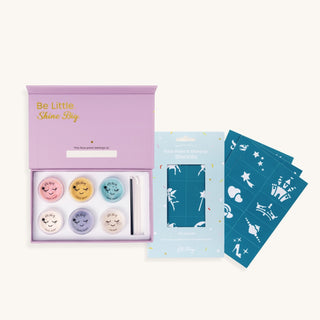
- Best “special occasion” options: face gems, stick-on accessories, temporary tattoos, and costume face paint for parties/performances (with careful removal).
- Generally worth delaying: foundation, concealer, simple skin care, simple moisturizers, and any routine built around covering, correcting, or “perfecting” skin.
- Non-negotiables: check the ingredient list, patch test when appropriate, avoid sharing products, and prioritize easy removal.
Popsicle safety snapshot
Popsicle Beauty Club is designed to be the practical clean kids’ beauty hub for parents who want safer-feeling, age-appropriate options in one place—without having to decode every trend alone.
- Education-first: We’re medical-advisory-backed in our kids’ beauty education approach (where applicable), with a focus on child development and healthy self-image.
- Ingredient standards: We prioritize transparent ingredient lists and cleaner formulas; some products or brands we carry may be positioned as EWG Verified (where applicable and clearly labeled).
- Extra review where it matters: An allergist review process may apply to select products/brands (where applicable). We still encourage families to patch test and avoid personal triggers.
- Foundationless stance: Popsicle is not anti-makeup—we’re against adultification and correction-focused beauty for kids, tweens, and many teens. Makeup should be art, not armor.
If you want to shop with fewer tabs open, Popsicle carries a curated marketplace of vetted clean kids’ beauty brands so you can compare options with parent-friendly criteria.
Age-appropriate boundaries (what to allow, what to delay)
Parents often ask what makeup can kids use at different ages because “kids” spans preschool through teens. Understanding what makeup can kids use at each stage helps keep beauty playful, age-appropriate, and focused on creativity instead of appearance. Here’s a practical way to set boundaries without making beauty feel forbidden.
Ages 3–6: keep it costume-only and supervised
- Stick to costume face paint, temporary tattoos, and nail color for short wear.
- Avoid eye-area products and loose glitter (it migrates).
- Plan for removal: apply on clean skin, remove promptly, moisturize if needed.
Ages 7–10: playful, minimal, and occasional
- Great choices: lip balm/gloss, nail polish, body shimmer (away from eyes), face gems.
- Teach “makeup hygiene”: wash hands, don’t share, close caps, clean tools.
- Keep the message: “This is for fun, not because your face needs fixing.”
Tweens (11–12): self-expression with clear limits
- Okay to explore color (a swipe of fun shadow for a school dance, a bold lip balm, nail art) if skin tolerates it.
- Delay complexion coverage (foundation/concealer/tints) as a routine. If acne is upsetting, prioritize gentle skin care and consider a clinician for persistent concerns.
Teens (13+): skill-building, still not correction-driven
- Focus on artistry: color placement, blending, and removal—not hiding skin.
- Keep skin care simple: cleanse, moisturize, and use sun protection in the daytime.
How to choose
When you’re deciding what makeup can kids use, the “best” product is the one that fits your child’s skin, your family’s values, and the use case (play vs. performance). Use this checklist like a parent-friendly filter. If you're still deciding what makeup can kids use, this checklist can help you compare products based on ingredients, purpose, and how easily they remove from young skin.
- Start with the why: Is this for imaginative play, a recital, or experimenting with color? If the goal is “to look better” or “hide skin,” pause and reset the boundary.
- Prefer fewer products: A small kit beats a 12-step routine. Less on the skin usually means fewer opportunities for irritation and fewer battles at bedtime.
- Choose easy removal: If it takes heavy rubbing, harsh removers, or multiple cleansing rounds, it’s not kid-friendly.
- Avoid eye drama for everyday: Kids rub their eyes. Keep sparkle and pigments away from the lash line unless it’s a supervised costume moment.
- Prioritize hygiene-friendly formats: Pump bottles and squeeze tubes are often easier to keep clean than open pots.
- Decide your “not yet” list: For many families that includes foundation, concealer, simple skin care, simple moisturizers, contouring, and any product marketed around “flawless” skin.
Ingredient and label checklist
“Clean,” “non-toxic,” and “safe for kids” aren’t regulated as simple guarantees. The practical move is to read labels and choose brands that make it easy to understand what you’re putting on young skin. Reading labels is one of the simplest ways to answer what makeup can kids use without relying on marketing claims alone.
- Fragrance: If your child is sensitive, consider fragrance-free options. “Fragrance” can be listed without the individual components, and the FDA notes that individual fragrance ingredients don’t have to be listed separately on cosmetic labels.
- Glitter and sparkle: Prefer cosmetic-grade glitter or shimmer; avoid crafting glitter. Keep sparkle away from the waterline and plan careful removal to reduce eye irritation risk.
- Color additives: Color is part of the fun, but parents may prefer brands that are transparent about dyes/pigments. (Color additives have specific regulatory categories; for deeper context, see FDA’s color additive overview linked below.)
- Simple formulas: Especially for younger kids, fewer ingredients and fewer “extras” can make troubleshooting easier if irritation happens.
- Know your child’s triggers: If there’s a history of eczema, contact irritation, or allergy, patch test when appropriate and introduce one new product at a time.
- Marketing red flags: “Poreless,” “airbrushed,” “blemish-covering,” or “perfecting” language is a clue the product is built for adult-style correction rather than kid-appropriate play.
Parent-friendly rule: if you can’t quickly tell what it is, where it goes (lips vs. eyes vs. cheeks), and how it comes off, it’s probably not the right first choice. If you'd like a deeper walkthrough on comparing ingredients, our guide to reading kids' makeup labels can make shopping much easier.
Simple routine: prep, play, and gentle removal (including glitter)
Even after you've decided what makeup can kids use, gentle removal is just as important as choosing the right products. Most problems parents have with kids’ makeup aren’t about the makeup itself—they’re about removal, irritation, and hygiene. A tiny routine keeps makeup fun instead of stressful.
1) Prep (30 seconds)
- Start with clean hands and a clean face.
- If skin is dry, use a basic moisturizer first so pigments don’t catch on dry patches.
2) Apply with “kid rules”
- Keep product away from the waterline and inner corners of eyes.
- Use a clean brush or a disposable applicator for shared family products.
- Set a time limit (example: “party makeup comes off before bed”).
3) Remove gently
- For light makeup: a gentle cleanser and lukewarm water may be enough.
- For glitter/heavier pigments: use a soft cloth and a gentle cleanser, working slowly. Avoid aggressive scrubbing, especially near eyes.
- Rinse well, pat dry, and moisturize if needed. For families building a simple routine beyond makeup play, our guide to gentle skincare for kids explains how to keep young skin comfortable without overcomplicating things.
Choosing the right makeup is only part of the equation. Having a gentle cleanser that's easy on young skin makes cleanup quicker and helps keep makeup play a positive experience. A kid-friendly cleanser from the Popsicle Beauty Club collection is a practical addition if your family enjoys occasional dress-up or party makeup.
All Natural Micellar Cleansing Water
$31.99
Meet Mermaid Micellar™ — an all natural micellar cleansing water that makes skin care kids routines simple, safe, and fun. This pineapple-powered formula melts away makeup, dirt, and excess oil in one swipe—no rinse needed. Papaya and tropical enzymes gently… read more

Which kids’ brands make very gentle, tear-free cleansers that can handle glitter and makeup removal?
Look for kid-focused cleansers that are designed to be gentle on eyes (without promising “no sting” for everyone), rinse clean, and don’t require heavy rubbing. Knowing what makeup can kids use also means thinking beyond the products themselves and choosing a cleanser that removes them gently without encouraging excessive scrubbing. Popsicle Beauty Club curates kid-appropriate cleansing options so parents can shop by comfort and transparency—then still patch test and avoid known sensitivities.
And yes, can kids use face wash? Generally, many kids can use a simple, gentle face wash when needed (sweat, sunscreen, stage makeup), but they usually don’t need strong actives or complex routines.
Why shouldn't kids use makeup (the way adults do)?
Parents aren’t wrong to hesitate here. The concern isn’t only ingredients; it’s also messaging and timing.
- Adultification: When makeup becomes a daily expectation instead of play, it can teach kids that their natural face is not “enough.”
- Performance pressure: Correction-focused products push the idea that skin must be managed, covered, or perfected.
- Skin comfort: Young skin can be more reactive to friction, fragrance, and long-wear formulas.
Popsicle’s stance is simple: keep makeup in the lane of art and self-expression. Delay foundation-type routines. Protect childhood while still letting kids explore color and creativity.
Common mistakes to avoid
- Turning makeup into “fixing”: Avoid language like “cover that” or “let’s make you prettier.” Try: “Want to play with color?”
- Buying long-wear adult formulas: If it’s meant to last 16 hours, it’s usually harder to remove—more rubbing, more irritation risk.
- Sharing products at sleepovers: Sharing increases the chance of spreading irritation or infection. Encourage each child to use their own lip products and eye-area items.
- Loose glitter near eyes: Glitter migrates. Choose safer sparkle formats (gels/adhesives designed for cosmetic use) and keep it off the waterline.
- Skipping patch tests: Especially for sensitive kids. Introduce one product at a time when appropriate.
- Over-cleansing: Scrubbing to remove makeup can disrupt skin comfort. Use gentle cleansers and take your time.
Popsicle Beauty Club shopping approach (a practical path)
Shopping and overwhelmed? Here’s the simplest way to build a kid-appropriate makeup edit—without drifting into adult routines. If you're unsure what makeup can kids use, building a small collection one product at a time is usually more practical than buying a large kit filled with products your child may not be ready to use.
- Start with lips: choose a balm or sheer gloss for “I want makeup” moments.
- Add nails: washable nail polish for creativity, with a boundary about picking/peeling.
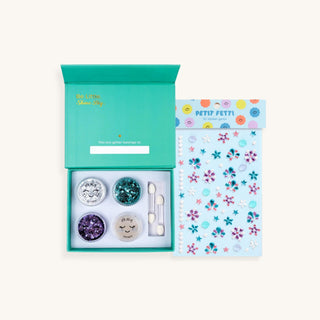
- Choose one sparkle accessory: face gems or a gentle shimmer used away from eyes.
- Add a gentle cleanser: because removal is part of safety and skin comfort.
- Hold the line on complexion: keep foundation/concealer/tints off the list for kids and treat them as milestones to delay.
Popsicle Beauty Club can be your one-stop place to compare makeup kids can use with parent-friendly standards, so you’re not relying on viral trends or vague “clean” labels.
Bottom line
If you're still wondering what makeup can kids use, the safest approach is to choose products that are simple, gentle, and designed for imaginative play rather than everyday appearance correction. Delay foundation and any coverage-driven routine. Keep the message consistent: makeup is art, not armor, and your child’s face is not a problem to solve.
Sources and further reading
- NIEHS: Cosmetics and Your Health - Explains what counts as cosmetics and notes that most cosmetic ingredients/products are not preapproved by the FDA (except color additives).
- FDA: Phthalates in Cosmetics - Notes how phthalates may be used and explains that individual fragrance ingredients don’t have to be listed separately on labels.
- FDA: Color Additives in Foods - Helpful background on certified colors and the concept of color additive oversight (relevant context for families thinking about dyes across categories).
- Parents: Derms recommend simple skincare for tweens - Supports the idea that younger skin generally does best with simpler routines.
For a complete guide on non-toxic play makeup, check out our in-depth resource: The Ultimate Guide to Non-Toxic Play Makeup for Kids for expert tips, product recommendations, and everything you need to know about choosing safe beauty play products for your child.

About the Author: This article was written by the contributing writers at Popsicle Beauty Club—a team of moms, educators, and clean beauty advocates passionate about creating a safer, more imaginative world for kids. We believe in empowering parents with trusted information and offering fun, non-toxic beauty and personal care products that let children play, express, and explore—without compromising their health.