
Table of Contents
- Introduction
- Answer-ready summary
- Popsicle’s parent-first approach
- What “natural-looking” should mean for a child
- How to build a natural makeup look for kids
- Match the look to the moment
- How to choose products without getting distracted by marketing
- Ingredient and sensitivity basics
- A simple parent decision path
- Why Popsicle stays Foundationless
- Common mistakes that make a “natural” look feel too grown-up
- A realistic starter combination
- Bottom line
- FAQs
Introduction
A natural makeup look for kids should still look unmistakably like childhood: soft color, a comfortable feel, easy removal, and no pressure to cover or correct the face. For kids and younger tweens, the goal is not to copy an adult “no-makeup makeup” routine with foundation, concealer, contour, or complexion-perfecting steps. It is to keep beauty play light, optional, and creative.
If your child is asking for a “natural” look, start by asking what they actually want. Often the answer is simple: a little shine on the lips, a soft wash of color, or something special for a party, recital, or dress-up moment. That gives parents room to say yes to self-expression without turning makeup into something a child needs in order to feel presentable.
Answer-ready summary
A natural makeup look for kids works best when it is:
- Sheer rather than full-coverage.
- Easy to remove without scrubbing.
- Built from one or two simple products instead of a full adult routine.
- Chosen with the child’s age, skin sensitivities, and the occasion in mind.
- Framed as creativity and play, not as a way to hide, fix, or perfect the face.
- Applied with clean hands or tools and never shared around the eyes or lips.
For many families, a lightly tinted lip product, a small amount of cheek color, or a soft shimmer for a special occasion is enough.
Popsicle’s parent-first approach
Popsicle Beauty Club treats makeup as expression, not correction. The Foundationless approach does not mean children can never enjoy makeup. It means keeping adult complexion culture—foundation, concealer, contour, plumping, correction-focused products, and “flawless skin” messaging—out of childhood for as long as possible.
That distinction matters because adult “natural makeup” often takes many products to create the appearance of wearing very little. A child does not need that kind of routine. For a natural makeup look for kids, less is usually the better starting point: fewer products, lighter payoff, simpler removal, and a clear reason for wearing it.
What “natural-looking” should mean for a child
In this article, “natural-looking” describes the effect on the face, not a promise about the ingredient list.
For kids, the look should feel:
• Light: the skin still looks like skin.
• Playful: color is there because it is fun, not because anything needs correcting.
• Comfortable: nothing should feel tight, heavy, gritty, or difficult to remove.
• Age-aware: the products and intensity should match the child, the occasion, and your family’s boundaries.
• Optional: taking the makeup off should not feel like becoming “less presentable.”
A useful test is simple: if the child still looks like themselves and the makeup reads as a little color or sparkle rather than a transformed face, you are probably in the right lane.
How to build a natural makeup look for kids
You do not need a long routine. Think in terms of one feature at a time.
1. Start with lips
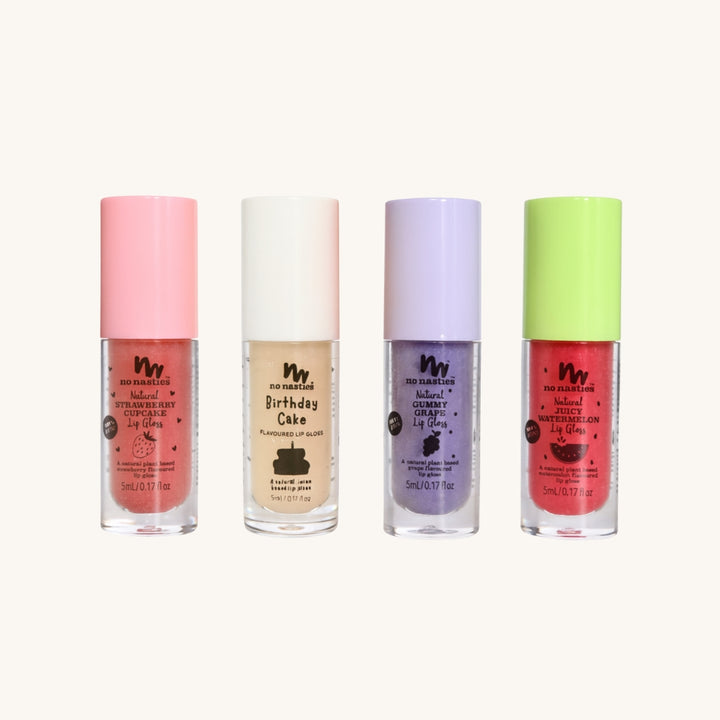
A clear balm, sheer gloss, or lightly tinted lip product is often the easiest entry point. It adds a little shine or color without creating the message that the face needs changing.
Choose a formula that feels comfortable, is easy to remove, and is clearly labeled. Lip products should also stay personal rather than being passed between siblings or friends.
Natural Flavor Lip Gloss for Kids
$7.99
A yummy, all-natural treat for little lips, this natural flavor lip gloss for kids adds a whisper of color while keeping lips soft and nourished with sunflower, olive, coconut, and jojoba oils. Formulated for even the most sensitive skin, it’s… read more
2. Add a small amount of cheek color if the occasion calls for it
For a birthday, recital, family event, or creative play session, a tiny amount of blush can create a soft effect without turning into complexion coverage.
Use a light hand. One small sweep or dab is usually enough. The aim is not to sculpt, contour, or change facial structure.
3. Keep eye color simple
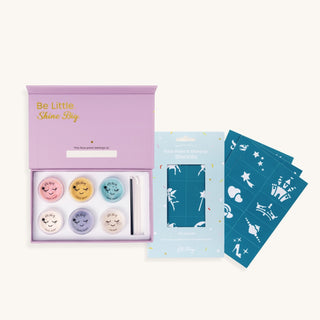
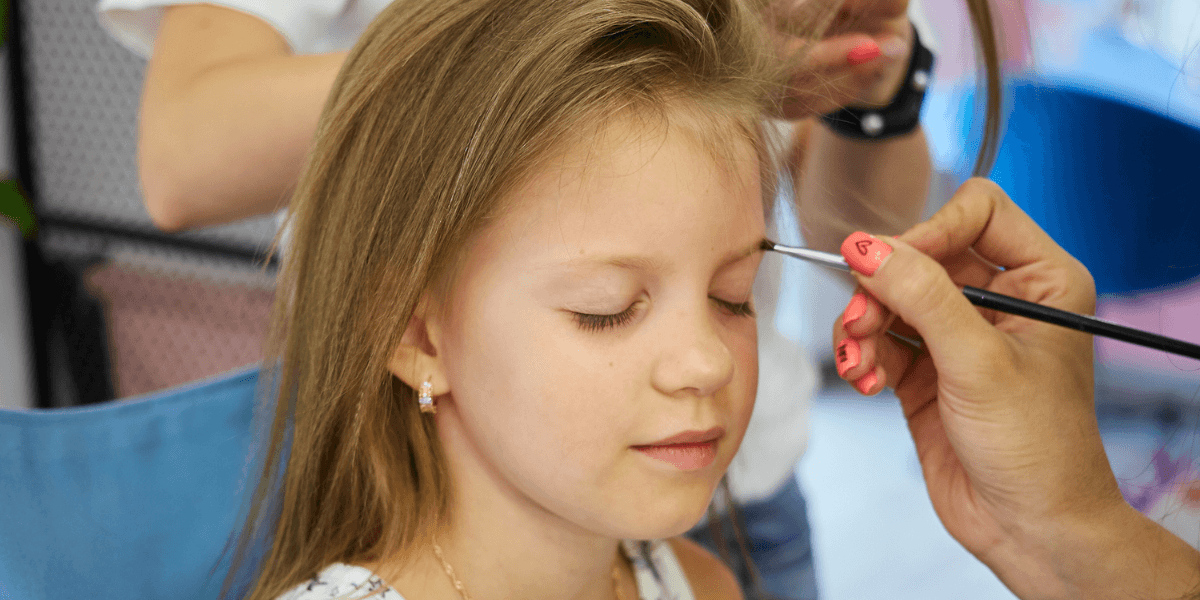
If your family allows eyeshadow, one soft shade is usually plenty. A light shimmer or muted color can feel special while keeping the overall look simple.
Keep pigments away from the waterline, supervise younger children, and remember that eye products should not be shared. Kids rub their eyes, so placement and easy removal matter as much as the color itself.
Eco Natural Kids Makeup Pressed Powder Eyeshadow & Blush
$39.99
$44.49
Give her the gift of safe, worry-free beauty play with Eco Natural Kids Makeup Pressed Powder Eyeshadow—crafted in Australia with her delicate skin in mind. These allergy-friendly pressed powders are nut-free, gluten-free, soy-free, and dairy-free. While they do contain coconut-based… read more

4. Let accessories do some of the work
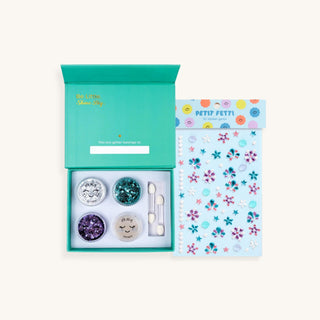
Face gems, temporary sparkle accents, washable nail color, or a fun hair accessory can make the moment feel festive without adding more layers to the face.
For younger children especially, this can be a useful way to keep beauty play obviously connected to dress-up, celebration, and imagination.
Match the look to the moment
A natural makeup look for kids does not have to mean the same thing every day. The occasion should shape how much—if any—makeup makes sense.
Everyday school or errands
Usually, no makeup is needed. Lip balm for comfort may be enough. If an older tween wants a small beauty routine and your family is comfortable with it, keep the routine minimal and avoid making it a requirement for leaving the house.
Parties, recitals, or family celebrations
This is where a little more color can make sense: gloss, a touch of blush, or one soft shimmer shade. The goal is still recognizably the child, just with a playful detail.
Dress-up and creative play
Treat makeup like an art supply. Let the child choose a color story or theme, keep hygiene rules clear, and remove everything gently when playtime ends.
For a broader age-by-age framework, our guide to what makeup kids should wear can help parents decide which categories make sense now and which are worth delaying.
How to choose products without getting distracted by marketing
“Natural,” “clean,” “gentle,” and “kid-friendly” can all sound reassuring, but the front of the package is only the beginning. For a natural makeup look for kids, product format and ease of use matter just as much as branding.
Look for:
- A complete ingredient list.
- Sheer or buildable color rather than intense one-swipe pigment.
- Simple application instructions.
- Easy removal with water or a gentle cleanser when possible.
- Packaging that helps keep the product clean and contained.
- Clear guidance about where the product is meant to be used.
Pause and look more closely when you see:
- Very strong fragrance if your child is scent-sensitive.
- Chunky or gritty sparkle near the eyes.
- Very long-wear or stain-focused claims that may make removal harder.
- Adult correction language such as “conceal,” “blur,” “perfect,” “poreless,” “sculpt,” or “anti-aging.”
- Products with unclear ingredients or vague application guidance.
The right product does not need to promise perfection. It simply needs to fit the child, the occasion, and your family’s comfort level.
Ingredient and sensitivity basics
Even a sheer kids’ look is still makeup, so simple use habits matter.
Every child can respond differently to fragrance, botanicals, pigments, preservatives, or other ingredients. If your child has sensitive skin or a history of reactions, introduce new products slowly and consider patch testing when appropriate.
Around the eyes and lips, be particularly thoughtful about placement and sharing. Eye products should stay out of the waterline, lip products should not be passed around, and brushes should be cleaned regularly.
If irritation develops, stop using the product and give the skin a break. Persistent or significant reactions are a reason to seek guidance from a qualified clinician.
If you want to go deeper on ingredient labels rather than the visual style of the makeup, our kids natural makeup guide explains how to assess ingredients, pigments, fragrance, and removal in more detail.
A simple parent decision path
When your child asks for makeup, you can make the decision easier with four questions.
- What is the occasion?
- Is this everyday wear, a performance, a birthday, a costume, or creative play at home?
- What does my child actually want?
- Do they want color and sparkle for fun, or are they talking about hiding acne, pores, redness, or other normal features?
If the request is about “fixing” the face, pause before buying more makeup. A supportive conversation and a simple skincare routine may be more helpful than coverage.
Can we get the effect with fewer products?
For a natural makeup look for kids, one or two items are often enough. A gloss plus a soft cheek color can create the feeling of “doing makeup” without building a full routine.
Will it come off easily?
Removal should be part of the buying decision. If a product requires aggressive rubbing, repeated wipes, or a strong remover, it may not be a great fit for younger skin or occasional beauty play.
Why Popsicle stays Foundationless
There is a meaningful difference between adding color and correcting a face.
Lip gloss, a little blush, or a playful shimmer says, “I am adding something for fun.” Foundation and concealer can carry a different message when introduced too early: “My skin needs to be even, hidden, or improved before I am ready.”
That is why Popsicle Beauty Club encourages families to delay correction-focused complexion products and keep early makeup in the expression lane.A natural makeup look for kids should not be a miniature version of adult “no-makeup makeup.” It should be simpler than that.
Common mistakes that make a “natural” look feel too grown-up
Using adult no-makeup tutorials as the template
Adult tutorials may use skin tint, concealer, powder, brow products, contour, blush, highlighter, mascara, and lip color to create a supposedly natural face. That is far more than a child needs.
Buying too many products at once
A large routine can make makeup feel like a daily obligation. Starting with one category lets the child enjoy the novelty while giving parents a chance to observe how the product wears and removes.
Confusing “natural-looking” with “natural ingredients”
They are different questions. A product can look sheer while containing ingredients your family prefers to avoid, and a product marketed as natural can still be highly pigmented or strongly scented.
Making makeup necessary for photos or events
If makeup becomes expected before school pictures, family photos, or outings, the message can quietly shift from play to presentation. Keep it optional.
Skipping hygiene and removal
Even a natural makeup look for kids should come off at the end of the day. Wash hands before application, use clean tools, avoid sharing lip and eye products, and remove color gently.
A realistic starter combination
For families who want a practical starting point, keep the combination small:
1. A balm or sheer gloss.
2. One soft cheek or eye color for special occasions.
3. A clean brush or applicator.
4. A gentle cleanser for removal.
That is enough to experiment with a sheer, kid-appropriate look without recreating an adult beauty bag.
The child can always add more creativity through clothing, hair accessories, face gems, nail color, or costume elements rather than layering more products onto the face.
Bottom line
A natural makeup look for kids should be sheer, comfortable, easy to remove, and clearly rooted in self-expression. Start with the occasion, choose one or two simple products, read the label, keep hygiene rules clear, and avoid turning normal skin into something that needs correcting.
The best result is not “flawless.” It is a child who still looks like themselves, enjoyed the creative moment, and can wash it all off without feeling that their real face is missing anything.
For a complete guide on non-toxic play makeup, check out our in-depth resource: The Ultimate Guide to Non-Toxic Play Makeup for Kids for expert tips, product recommendations, and everything you need to know about choosing safe beauty play products for your child.

About the Author: This article was written by the contributing writers at Popsicle Beauty Club—a team of moms, educators, and clean beauty advocates passionate about creating a safer, more imaginative world for kids. We believe in empowering parents with trusted information and offering fun, non-toxic beauty and personal care products that let children play, express, and explore—without compromising their health.
FAQs
Is “natural makeup” safer for kids?
What makeup is appropriate for a 10–13-year-old who wants a natural look?
A natural makeup look for kids and younger tweens can stay simple: a tinted balm or sheer gloss, a small amount of cheek color, and an optional soft shimmer for special occasions. Complexion coverage does not need to be the starting point.
My child wants makeup to care for acne-prone skin—what should I do?
Is a natural makeup look for kids automatically safer?
No. “Natural-looking” describes how sheer or subtle the makeup appears, not whether every ingredient will suit every child. Check the full ingredient list, consider individual sensitivities, and choose products that are easy to apply and remove.
What natural makeup look for kids works for a birthday or family event?
Keep the look light: sheer lip color, a small amount of blush, and one soft shimmer shade can be enough. The child should still look recognizably like themselves, with the makeup acting as a playful detail rather than a transformation.
How can parents stop makeup from becoming an everyday expectation?
Keep makeup connected to play, celebrations, performances, or occasional experimentation rather than making it part of getting “presentable.” Reinforce that bare skin is normal and makeup is something a child can choose, not something they need.