
Table of Contents
- Introduction
- Quick answer: what kids should wear (and what to delay)
- Popsicle safety snapshot
- Age-appropriate makeup: a realistic guide for parents
- How to choose
- Ingredient and label checklist
- What “safe makeup for kids” really means
- Common mistakes to avoid
- How to build an age-appropriate “starter kit” (without adultifying)
- Bottom line
- Sources and further reading
- FAQs
Introduction
What makeup should kids wear is a question we hear because kids are curious, trends travel fast, and “starter makeup” can feel like a normal purchase. Popsicle Beauty Club’s view is simple: for most kids, makeup should be playful, occasional, easy to remove, and focused on color and creativity—not on covering, correcting, or “perfecting” a face.
If you want a practical rule you can use today: choose lip care (balms/glosses), nail color, and washable sparkle or face paint for special occasions; keep routines minimal; and treat complexion coverage (foundation/concealer/simple skin care) as a developmental milestone worth delaying rather than a routine childhood purchase.
Quick answer: what kids should wear (and what to delay)
If you’re looking for an answer you can screenshot, here’s the parent-friendly version of What makeup should kids wear:
- Best “starter” choices: lip balm or a sheer gloss, nail polish, body shimmer that’s easy to wash off, and occasional costume-style face paint for parties/performances.
- For school days: usually none is needed; if makeup is allowed, keep it to lip care and/or clear brow gel type grooming (where age-appropriate and comfortable), not a full “look.”
- For sensitive skin: fewer products, shorter wear time, simpler formulas, and careful removal matter more than having a big kit.
- What to delay (Foundationless stance): foundation, concealer, simple skin care, simple moisturizers, and any routine designed to hide redness, texture, pores, or “imperfections.” Makeup should be art, not armor.
When kids ask for “makeup like TikTok,” it’s often a request for the feeling (sparkle, color, belonging). You can meet that need with products that keep the message healthy: beauty as expression, not correction.
Popsicle safety snapshot
Popsicle Beauty Club isn’t a neutral review site—we’re a practical clean kids’ beauty hub built for parents who want safer-feeling, age-appropriate options without hours of label reading.
- Curated marketplace: Popsicle carries kids’ beauty, skincare, hair, nails, and fragrance options that are vetted by Popsicle Beauty Club for parent concerns like transparency, age-appropriate positioning, and easy removal.
- Education-first: our kids’ beauty education is medical-advisory-backed, so we talk about timing, routines, and self-perception—not just ingredients.
- EWG Verified positioning where applicable: when a product is explicitly EWG Verified, we’ll call that out; we don’t imply verification when it isn’t stated.
- Allergist review process where applicable: some categories/brands may go through additional allergen-focused scrutiny; families should still check labels for personal triggers.
Bottom line: we try to make “clean kids’ beauty” mean clearer standards + fewer regret purchases, not more pressure to buy adult routines earlier. Parents asking what makeup should kids wear are often looking for reassurance rather than a shopping list. Popsicle's goal is to help families choose products that encourage creativity while keeping childhood at the center of every decision.
Age-appropriate makeup: a realistic guide for parents
The most helpful way to answer What makeup should kids wear is by separating play from performance. Once parents understand what makeup should kids wear, it becomes much easier to set boundaries that feel consistent, positive, and appropriate for each stage of childhood.Here’s a practical age lens many families use.
Ages 3–7: occasional play, short wear time
- Think: costume face paint, nail polish for a party, a fun balm.
- Keep it supervised and kept out of eyes unless the product is specifically designed for that area.
- Prioritize easy removal and avoid anything that “sets” hard or stains for days.
Ages 8–12: experimentation with boundaries
- Think: lip gloss, nail color, a little shimmer for special occasions, playful color for events.
- Set the norm that skin doesn’t need “fixing.” If a child is worried about their face, that’s a moment for support—not coverage.
- Build hygiene habits: clean hands/tools, no sharing lip products, remove before bed.
Teens: expression can expand, but correction isn’t the goal
- Teens may want more artistry (liner, shadow, bold lips), especially for performances or creative looks.
- Popsicle’s Foundationless stance still applies: correction-focused routines shouldn’t be the default. If a teen is distressed about acne or irritation, focus on gentle skincare and consider guidance from a qualified clinician.
How to choose
If you’re shopping (online or in-store), these criteria help you choose “yes” products—and skip the ones that escalate into adult-style performance beauty. Asking what makeup should kids wear also means thinking about how often the products will be used. Choosing occasional, easy-to-remove items helps keep beauty play enjoyable without creating unnecessary daily routines. This is the checklist we’d want in every parent’s pocket when deciding What makeup should kids wear.
- Start with the purpose: Is it for play (party, dance recital, dress-up) or for daily wear? The more “daily” it becomes, the more careful you should be about the message and the routine burden.
- Pick the simplest category first: lip balm/gloss and nails are usually easier than eye products for beginners.
- Choose easy-on, easy-off formats: creamy balms, simple polishes, washable color. Hard-to-remove longwear formulas tend to increase rubbing and irritation.
- Decide your fragrance comfort level: Fragrance can be enjoyable, but it’s also a common reason families choose more cautious options—especially for sensitive kids.
- Minimize the kit size: More shades and tools often means more mess, more cross-contamination, and more pressure to “use it up.” A small, intentional edit is safer and calmer.
- Plan the removal step before you buy: If you can’t remove it gently with a mild cleanser or simple remover, it’s probably not a great “kid makeup” choice.
Parent script that works: “In our family, makeup is for creative looks—not to change your face. We keep it simple, and we always take it off.”
Ingredient and label checklist
Parents ask us, “What ingredients should I avoid in kids makeup?” There’s no single perfect list for every child, but there are smart label habits that reduce guesswork. If you'd like a more detailed label-reading guide, our article on what ingredients should I avoid in kids makeup walks through the ingredient categories many parents review before choosing children's beauty products.
Label basics that matter for kids
- Check the full ingredient list (not just front-of-package claims).
- Patch test when appropriate, especially for kids with eczema history, sensitivities, or seasonal allergies. Try a small area and wait to see how skin responds.
- Be extra cautious around eyes and lips: choose products intended for that area and avoid “craft glitter” or non-cosmetic-grade sparkle near eyes.
- Watch for “fragrance” and “flavor”: If your child reacts to scented products, choose fragrance-free options when possible. FDA notes that individual fragrance ingredients do not have to be listed separately, which can limit what you can tell from the label.
Ingredients families often choose to be cautious about
Different families draw the line differently. If you’re aiming for clean makeup for kids or non toxic kids makeup (a common search even though “non-toxic” isn’t a regulated guarantee), here are categories parents commonly screen:
- Heavily fragranced products if your child is sensitive or gets headaches/irritation.
- Unspecified “fragrance” in very young kids’ products if you prefer maximum transparency.
- Color additives and dyes if your family avoids certain synthetic dyes (some parents apply their food-dye preferences to cosmetics, too).
Important context without panic: NIEHS explains that cosmetics are broadly defined (makeup, lotions, perfumes, hair products) and notes that cosmetic products and ingredients generally do not require FDA approval before going on the market (except color additives). That’s one reason Popsicle emphasizes ingredient transparency and parent-friendly label checks.
What “safe makeup for kids” really means
Parents often search safe makeup for kids and expect a single stamp of approval. For many families, answering what makeup should kids wear is less about finding a perfect product and more about creating healthy habits around when, why, and how makeup is used. In real life, “safe” is a combination of product choice + how it’s used:
- Age-appropriate intent: play, creativity, special occasions—not daily correction.
- Low irritation risk behaviors: clean hands, don’t share, avoid waterline/tightline, stop if stinging happens.
- Short wear time: especially for younger kids.
- Gentle removal: remove before bed; don’t scrub.
- Respect for individual triggers: what bothers one child may be fine for another.
If a child has persistent rash, ongoing irritation, or significant distress about their skin, it’s worth seeking guidance from a qualified clinician. Makeup shouldn’t become the workaround for a problem that needs care.
Common mistakes to avoid
- Accidentally buying “mini adult makeup” as a kid starter kit: Longwear, matte, full-glam products can be harder to remove and can quietly shift the goal from play to performance.
- Letting coverage become the first step: Foundation, concealer, simple skin care, and simple moisturizers teach “my face needs fixing.” In Popsicle’s Foundationless framework, these are milestones worth delaying.
- Ignoring removal: Sleeping in makeup or scrubbing it off can cause irritation. If removal needs harsh rubbing, it’s not kid-friendly.
- Sharing products at sleepovers: Lip products and eye products are easy to cross-contaminate. Make sharing rules early.
- Too many products too soon: A 10-step routine can create pressure and anxiety. Start small and keep it fun.
- Using non-cosmetic glitter near eyes: Craft glitter can be sharp and risky around eyes; stick to cosmetic-intended sparkle and keep it away from the lash line for younger kids.
How to build an age-appropriate “starter kit” (without adultifying)
When parents ask What makeup should kids wear, they’re often really asking, “What should I buy first that won’t backfire?” Here’s a simple kit structure that stays in the expression lane:
- 1 lip item: a basic balm or a sheer gloss.
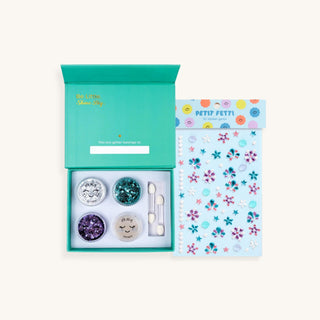
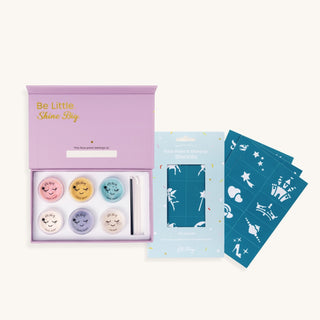
If you're ready to put together a first makeup collection, choose a kit that reflects the same principles discussed throughout this guide. A simple, age-appropriate play makeup kit encourages creativity while keeping routines gentle, easy to remove, and focused on expression rather than appearance.
Natural Kids Play Makeup Kit
$34.99
$40.99
Looking for a clean beauty gift that’s safe, fun, and worry-free? This natural play makeup kit lets little ones explore color and creativity with non-toxic, skin-friendly formulas parents trust. Each kit includes vibrant loose powder eyeshadows, soft blush, lipstick, and… read more

- 1–2 nail colors: pick shades your child genuinely loves (this is where the creativity lives).
- One “special occasion” item: a washable shimmer or face paint for parties/performances.
- One gentle remover plan: a mild cleanser and soft cloth, or an age-appropriate makeup remover option that doesn’t require scrubbing.
Shopping tip: Popsicle Beauty Club is designed for this exact moment—parents can compare curated clean kids’ beauty options in one place, with age-aware context so you’re not forced to choose between “toy makeup” and adult products.
If you're still deciding where to begin, our guide to non toxic kid makeup ingredients, labels and safer play explains how to build a simple starter collection without jumping straight into adult beauty routines.
Bottom line
What makeup should kids wear comes down to message and simplicity: choose products that support beauty as expression, not correction. Keep it occasional, keep it easy to remove, and delay complexion correction-focused products that train kids to see their face as a problem to solve. If you want a parent-friendly shortcut, start with lip care and nails, add sparkle/face paint for special events, and keep skincare gentle and minimal.
Sources and further reading
- NIEHS: Cosmetics and Your Health - Explains what counts as cosmetics and notes premarket approval limits (except color additives).
- FDA: Phthalates in Cosmetics - Discusses phthalates, fragrance labeling limitations, and FDA’s general approach.
- NIEHS: Endocrine Disruptors - Background on endocrine-disrupting chemicals and common exposure routes.
For a complete guide on non-toxic play makeup, check out our in-depth resource: The Ultimate Guide to Non-Toxic Play Makeup for Kids for expert tips, product recommendations, and everything you need to know about choosing safe beauty play products for your child.
About the Author: This article was written by the contributing writers at Popsicle Beauty Club—a team of moms, educators, and clean beauty advocates passionate about creating a safer, more imaginative world for kids. We believe in empowering parents with trusted information and offering fun, non-toxic beauty and personal care products that let children play, express, and explore—without compromising their health.