
Table of Contents
- Introduction
- Quick answer
- What parents usually mean when they ask: “Why shouldn't kids use makeup”
- Popsicle safety snapshot
- Age-appropriate boundaries: what’s okay for play vs. what to pause
- So, why shouldn't kids use makeup as a routine?
- How to choose kid-appropriate makeup (without greenwashing traps)
- Ingredient and label checklist (what to actually look for)
- Common mistakes to avoid
- What makeup can kids use instead (without the performance-beauty vibe)?
- Bottom line
- Sources and further reading
- FAQs
Introduction
Why shouldn't kids use makeup every day? For most families, it’s because routine makeup can push kids toward adult-style “performance beauty” too early, add avoidable irritation/exposure on developing skin, and quietly teach that a natural face needs fixing. Popsicle Beauty Club isn’t anti-makeup—we’re against adultification and correction-focused beauty for children, tweens, and teens. We’re pro makeup as art, not armor: playful color, special-occasion sparkle, and simple self-care that comes off easily.
If you’re here because your child is asking for makeup, you’re not alone. The goal isn’t to panic or ban everything. Asking why shouldn't kids use makeup often leads to a more balanced answer than parents expect: it's less about saying "no" to creativity and more about choosing the right timing, products, and boundaries. It’s to set age-appropriate boundaries, choose simpler products, and keep the “why” centered on comfort, creativity, and healthy self-perception—not covering, perfecting, or looking older.
Quick answer
Understanding why shouldn't kids use makeup starts with recognizing that most parents aren't trying to eliminate creativity—they're trying to protect healthy self-esteem while introducing beauty at an age-appropriate pace.
- Development: Routine makeup can turn appearance into a job. Delaying it protects a child’s relationship with their face.
- Skin comfort: Kids’ skin can be more reactive; more products often means more chances for irritation—especially around eyes and lips.
- Ingredient exposure: Cosmetics can include fragrance, dyes/pigments, preservatives, and film-formers; choosing fewer, simpler products reduces avoidable exposure.
- Hygiene: Shared brushes, old gloss, and sleeping in makeup can trigger breakouts or irritation—even with “clean” products.
- Better alternatives: Lip balm, playful nail color, face gems for events, and washable costume face paint can scratch the “beauty play” itch without importing adult routines.
What parents usually mean when they ask: “Why shouldn't kids use makeup”
Most parents aren’t worried about a single swipe of sparkly balm at a birthday party. They’re worried about routine use—the everyday habit forming early, before a child has the maturity to separate “fun” from “I need this to look okay.”
When parents ask Why shouldn't kids use makeup, the underlying concerns usually fall into three buckets:
- Safety/comfort: Will this irritate their skin, eyes, or lips? Will it be hard to remove?
- Messaging: Is this teaching “my face is a problem” instead of “my face is mine”?
- Escalation: If I say yes to this, does it slide into concealer, simple skin care, or “covering” as the new normal?
Popsicle’s Foundationless stance is simple: foundation, concealer, simple skin care, simple moisturizers, and correction-focused products are developmental milestones worth delaying. Not because makeup is bad—but because “correction” is a heavy message for young kids, and it can become a daily pressure fast.
Popsicle safety snapshot
Popsicle Beauty Club is designed to be a practical clean kids’ beauty hub—so parents can stop doing 37 separate label checks across the internet.
- Curated marketplace of vetted clean kids’ beauty brands: Popsicle carries brands we believe fit age-appropriate beauty play and parent expectations around transparency.
- Medical-advisory-backed kids’ beauty education: Our content is built to be evidence-aware and non-alarmist—helpful for real-world decisions.
- EWG Verified positioning/products where applicable: When a specific product is EWG Verified, that’s meaningful. When it’s not, we don’t imply it is.
- Allergist review process where applicable: Some products/brands may go through additional review processes; we use qualified wording because “sensitive” is personal.
Parent-friendly promise: We look for clear ingredient lists, age-appropriate marketing, easier removal, and less “fix your face” messaging—because kids deserve beauty as expression, not correction.
Age-appropriate boundaries: what’s okay for play vs. what to pause
There isn’t a single “right age,” but there are reliable boundaries that keep makeup from becoming a performance sport. Asking why shouldn't kids use makeup every day often leads families to a more balanced approach: occasional beauty play with simple products instead of routine cosmetic use.
Ages 3–7: keep it costume-level and removable
- Good fit: Washable costume face paint for supervised play, occasional fun nail color, simple lip balm.
- Pause: Anything used daily, anything that’s long-wear, and anything that’s meant to change the look of skin (even if it’s marketed as “light”).
Ages 8–12: “beauty play” with rules, not a full routine
- Good fit: Tinted lip balm/gloss, fun nail looks, a single pop of color for events (think: a playful shimmer on cheeks for a recital, not an everyday face).
- Pause: Concealing, correcting, and “perfecting” language. Complex routines. Heavy emphasis on looking older.
Teens: still delay correction-focused complexion as the default
Even in teen years, the healthiest goal is often skin care and comfort first. If acne or sensitivity is persistent or distressing, it’s worth talking with a qualified clinician rather than using makeup as the solution. Makeup can still be creative—but not a requirement for leaving the house.
So, why shouldn't kids use makeup as a routine?
Here are the practical reasons parents choose to delay, with no scare tactics—just real-life tradeoffs.
- Kids don’t need “correction” products. When makeup’s job becomes hiding, smoothing, or perfecting, it stops being play and starts being armor.
- More products = more irritation opportunities. Eyes, lips, and cheeks are common reactive zones. Fragrance, some pigments, and some removers can be rough for sensitive skin.
- Removal matters as much as application. Long-wear formulas often require stronger cleansing. Over-cleansing can dry or disrupt comfort, especially for young skin.
- Hygiene is hard for kids. Shared makeup, dirty brushes, and old gloss can cause irritation or breakouts. (This is true even with “clean” formulas.)
- The social pressure escalates quickly. A “just for fun” purchase can become a daily expectation at school, sports, or social events—especially when trends frame makeup as mandatory.
If you want a simple house rule that’s easy to enforce: Makeup is for play, costumes, and special occasions—not for correcting skin or becoming “camera-ready.”
How to choose kid-appropriate makeup (without greenwashing traps)
If you’re going to say yes to some beauty play, your shopping criteria matter more than hype words like “clean” or “natural.” Once you've answered why shouldn't kids use makeup as a daily habit, choosing products becomes much simpler because the focus shifts from appearance to creativity and comfort. Here’s a parent-friendly decision path Popsicle uses when curating and when helping families shop.
- Choose the purpose first: Is this for a party look? A dance recital? A creative weekend activity? If the purpose is “to look better,” pause.
- Prioritize easy removal: Look for products that come off with gentle cleansing. Kids shouldn’t need intense scrubbing.
- Avoid “coverage” as a goal: Skip complexion-correction positioning. Popsicle’s view: delay foundation, concealer, simple skin care, simple moisturizers, and correction-focused routines.
- Be picky around eyes and lips: Those areas are higher-stakes. Choose simpler formulas and supervise application.
- Go small and controlled: One or two items (like a lip balm + nail color) beats a huge kit that invites daily full-face habits. If you're looking for a practical starting point, our guide to non toxic kid makeup explains how to compare products using age-appropriate standards instead of marketing claims.
- Match the child’s maturity: Can they keep it clean, not share, remove it well, and handle “no makeup days” without distress?
When families want vetted options in one place, Popsicle Beauty Club is built for exactly that: curated clean kids’ beauty with age-appropriate positioning—so you can compare brands without falling into adult beauty messaging. Once parents understand why shouldn't kids use makeup as an everyday habit, it becomes much easier to choose occasional beauty play that supports confidence instead of appearance-based pressure.
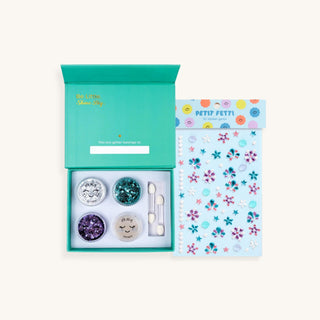
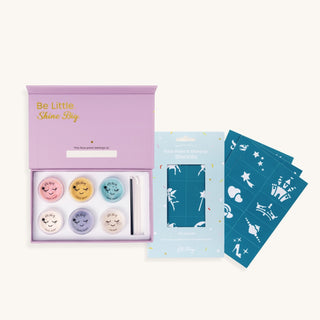
If you decide to introduce makeup for occasional creative play, look for products that reinforce those same boundaries. The Refillable Makeup Palette 10-Piece Kit by True Bloom is designed around gentle ingredients, reusable packaging, and imaginative color play—making it a good example of a kit that supports creativity without encouraging everyday performance beauty.
Refillable Makeup Palette 10-Piece Kit
$59.99
Unbox a world of self-expression—without the worry. This 10-piece makeup kit is thoughtfully designed for imaginative play, using gentle, organic ingredients and a fresh, interchangeable color palette that keeps creativity flowing—all made with non-toxic ingredients and eco-friendly materials. Inside, you'll… read more

Ingredient and label checklist (what to actually look for)
Ingredient safety is nuanced, and labels can be confusing. The goal is not perfection; it’s transparency + fewer unnecessary exposures.
- Look for full ingredient lists. If you can’t easily find the INCI list, that’s a reason to skip.
- Be cautious with “fragrance.” FDA notes that individual fragrance ingredients typically aren’t required to be listed separately, which can make it harder to know what’s in a scented product. If your child is sensitive, consider fragrance-free or very lightly scented options.
- Colorants and dyes: Kids products are often brightly colored. If you prefer to avoid certain synthetic dyes, check the color additive names and decide what aligns with your household standards.
- Glitter/shimmer realities: Sparkle can migrate. For very young kids, choose minimal shimmer near eyes and consider non-loose formats that are easier to control.
- Preservatives aren’t automatically “bad.” Water-based products generally need preservation to reduce microbial growth. The better question is: is the brand transparent, and is the product used hygienically?
- Patch test when appropriate. If your child has reactive skin, test a small amount on the inner arm and wait (follow the brand’s directions). Stop if irritation occurs.
Helpful reality check from NIEHS: NIEHS explains that cosmetics include makeup, nail products, lotions, hair products, and fragrance, and that (except for color additives) cosmetic products and ingredients generally do not require FDA approval before going on the market. That’s one reason Popsicle focuses so heavily on brand standards, transparency, and age-appropriate use—especially for kids.
Common mistakes to avoid
- Accidentally rewarding insecurity. Avoid language like “you’ll look prettier” or “this fixes it.” Keep the script on creativity: “Want to try a fun color?”
- Buying “mini adult makeup” as a starter kit. Adult trends (long-wear, contour, full-face routines) are designed for performance—not childhood.
- Letting correction-focused products sneak in. A “skin-perfecting” product is still a correction message. Foundationless means you delay foundation, concealer, simple skin care, simple moisturizers, and correction-focused routines.
- Ignoring removal. Sleeping in makeup or scrubbing too hard can lead to irritation. Make removal part of the rules.
- Sharing products at school or sleepovers. Gloss wands and eye products are especially easy to cross-contaminate. Create a simple “don’t share” rule.
- Overbuying. More products = more pressure to use them. Start small and keep it occasional.
What makeup can kids use instead (without the performance-beauty vibe)?
If your child is asking because they want to participate, you can often meet the need without moving into routine face makeup.
- Everyday: lip balm, simple body lotion, gentle hair detangling, nail care (filing, cuticle oil), and “get ready” routines that are about hygiene. If you're considering lip products as a first step, our guide to Is lip gloss for kids explains how to introduce gloss in a way that keeps the focus on creativity, healthy boundaries, and age-appropriate beauty play.
- Special occasions: a pop of lip color, a little sparkle placed thoughtfully (not near the waterline), and playful nails.
- Creative play: costume face paint used with supervision and removed fully after.
This is also where Popsicle can help: if you’re searching “non toxic makeup for kids” or “makeup kids can use,” our curation is meant to narrow the field to brands that better match parent expectations around transparency, gentleness, and age-appropriate positioning—without turning childhood into a complexion project.
Bottom line
Why shouldn't kids use makeup as an everyday routine? The answer is that childhood is better served when makeup stays an occasional form of creative expression rather than becoming something children feel they need every time they leave the house. Choosing that approach helps families understand why shouldn't kids use makeup as part of a daily routine while still making room for safe, age-appropriate beauty play.The protective move is delay: keep makeup occasional, playful, and easy to remove—while holding a clear boundary against correction-focused habits.
If you want a practical way to shop without spiraling, use Popsicle’s approach: fewer products, clearer labels, gentle removal, and beauty as expression, not correction. Popsicle Beauty Club exists to make that easier with vetted options in one place.
Sources and further reading
- NIEHS: Cosmetics and Your Health - What counts as a cosmetic and why premarket approval is limited (except color additives).
- FDA: Phthalates in Cosmetics - Explains how some ingredients may appear in fragrance and why labels can be limited.
- NIEHS: Endocrine Disruptors - Background on endocrine-disrupting chemicals and exposure routes (including consumer products).
For a complete guide on non-toxic play makeup, check out our in-depth resource: The Ultimate Guide to Non-Toxic Play Makeup for Kids for expert tips, product recommendations, and everything you need to know about choosing safe beauty play products for your child.
About the Author: This article was written by the contributing writers at Popsicle Beauty Club—a team of moms, educators, and clean beauty advocates passionate about creating a safer, more imaginative world for kids. We believe in empowering parents with trusted information and offering fun, non-toxic beauty and personal care products that let children play, express, and explore—without compromising their health.