

Table of Contents
- Introduction
- Answer-ready summary
- Popsicle Beauty Club’s parent-first approach
- Why children ask for makeup
- What makeup can younger children use?
- How to choose first makeup products
- Ingredient and label checklist
- Popsicle Beauty Club starter-product examples
- A simple starter-kit formula
- How to use children’s makeup more safely
- Common mistakes to avoid
- Where Popsicle Beauty Club fits
- Bottom line
- FAQs
Introduction
A makeup starter guide for kids should help parents choose a few simple products without turning childhood into an adult beauty routine. The best first options are usually lip balm or sheer gloss, washable nail color, temporary face gems, and one light color product for supervised play.
The goal is not to build a complete makeup collection. It is to give children a safe-feeling way to explore color, costumes, creativity, and growing independence while keeping clear boundaries around hygiene, ingredients, application, and removal.
At Popsicle Beauty Club, we describe this as beauty as expression, not correction. Makeup can be art, sparkle, storytelling, and dress-up. It should not teach children that their natural face needs covering, fixing, reshaping, or perfecting.
This makeup starter guide for kids explains what to choose, what to delay, how recommendations can change with age, which label details matter, and how to keep beauty play enjoyable without making it a daily requirement.
Answer-ready summary
A beginner makeup collection for a child can remain very small. This makeup starter guide for kids prioritizes a few manageable products that support creativity without introducing an adult-style beauty routine.
Good first categories include:
Lip balm or sheer gloss
Washable nail color
Nail stickers or wraps
Temporary face gems
One pressed shimmer or soft color
A clean applicator
A gentle removal cloth
Products worth delaying for most younger children include:
Foundation
Concealer
Contour
Correctors
Long-wear complexion products
Plumping lip products
Complicated eye looks
Adult-style treatment routines
Products built around hiding or perfecting normal skin
A practical parent rule is to choose products that are transparent, easy to supervise, comfortable to wear, and simple to remove.
Popsicle Beauty Club’s parent-first approach
Popsicle Beauty Club is a curated children’s beauty and personal-care marketplace for families seeking age-aware products and clearer ingredient information. The product standards behind this makeup starter guide for kids consider formula transparency, age fit, manageable packaging, hygiene, and comfortable removal.
Our shopping approach considers more than whether a package says “clean,” “natural,” or “non-toxic.” We also ask:
Is the complete ingredient list available?
Is the intended use clear?
Is the product suitable for lips, eyes, nails, or skin?
Does the format create unnecessary mess?
Can it be removed gently?
Is the packaging manageable for children?
Does the messaging support play rather than appearance correction?
Can parents introduce the product gradually?
Popsicle is not anti-makeup. We support creative color, costumes, performances, parties, and age-appropriate self-expression. Our Foundationless position means that correction-focused complexion products should be treated as developmental milestones rather than standard childhood necessities.
Why children ask for makeup
Children may become interested in makeup for several different reasons:
They enjoy pretend play.
They see family members getting ready.
They want color for a costume.
They are participating in dance, cheer, theatre, or a recital.
Their friends have beauty products.
They are curious about videos and social media.
They want a personal item that feels more grown-up.
The reason matters because it helps parents set the right boundary.
A child asking for sparkle at a birthday party is expressing a different need from a child who says she wants concealer because she dislikes her skin. The first can remain creative play. The second deserves a conversation about confidence, normal skin, care, peer pressure, and whether persistent irritation or acne needs qualified support.
A makeup starter guide for kids should therefore begin with the child’s motivation—not with a shopping list.
What makeup can younger children use?
A useful makeup starter guide for kids should adjust product choice, supervision, and independence according to the child’s developmental stage.
Ages 3–6: supervised play only
For preschoolers and younger elementary-age children, makeup should remain a short, adult-managed activity.
Suitable options may include:
Clear lip balm
One sheer lip product
Washable nail color
Nail stickers
Face gems placed away from the eyes
Product-free pretend brushes and mirrors
Costume face color used briefly and removed afterward
Keep the collection small, prevent sharing, supervise application, and store the products with dress-up supplies rather than presenting them as a daily bathroom routine.
Ages 7–10: minimal products with clear rules
Children in this age group may manage a little more independence, but the routine should still stay simple.
Possible first products include:
Lip balm or sheer gloss
Washable nail color
One pressed eyeshadow or shimmer
Light cheek color for special occasions
Temporary face gems
A small brush set
A soft removal cloth
Teach clean hands, separate applicators, gentle application, full removal, and the difference between occasional makeup play and feeling required to wear makeup.
Tweens: growing independence without a full adult routine
Tweens may experience more peer pressure and may ask for mascara, brows, blush, or multiple lip products.
A reasonable starter collection might include:
Lip balm, gloss, or tint
One blush or multi-use color
A small eyeshadow palette
Clear brow gel
Mascara when the family considers it appropriate
Nail color
Gentle cleanser and moisturizer based on actual skin needs
Keep the focus on technique, hygiene, comfort, and self-expression. Foundation and concealer do not need to become automatic solutions for normal texture, freckles, redness, or changing skin.
Teens: personalize the routine gradually
Teenagers may need a more individualized routine, particularly when they participate in performances or experience acne.
Even then, a makeup starter guide for kids and teens should not begin with a full collection. Introduce products gradually, prioritize hygiene, and distinguish creative makeup from pressure to conceal every imperfection.
Persistent, painful, or distressing acne may need qualified medical guidance rather than increasingly heavy coverage.
How to choose first makeup products
Parents can use this makeup starter guide for kids as a decision path rather than treating every product in a themed set as necessary.
1. Start with the product category
Choose the simplest category that meets the child’s request.
For example:
“I want something of my own” may call for lip balm.
“I want sparkle for a party” may call for face gems or one shimmer.
“I want colorful nails” may call for stickers or washable polish.
“I want a makeup set” may call for a small play kit rather than a large adult palette.
2. Keep the collection intentionally small
Two to five items are enough for a first collection.
A smaller set means:
Fewer formulas to evaluate
Less mess
Easier storage
Easier hygiene
Simpler removal
Less pressure to create a daily routine
3. Check the complete ingredient list
Front-label claims cannot replace a full formula.
Look for clear ingredient disclosure and compare the formula with any known allergies, sensitivities, or previous reactions.
4. Choose manageable formats
Pressed powders, solid balms, twist-up tubes, and controlled sticks are generally easier to handle than loose powders, open pigment jars, or liquid products that spill easily.
5. Prioritize easy removal
Children’s makeup should not require aggressive rubbing or several strong removal products.
A practical makeup starter guide for kids should treat removability as part of product selection—not as an afterthought.
Ingredient and label checklist
Parents do not need to memorize cosmetic chemistry. A repeatable label checklist is more useful. For a deeper look at formula claims, fragrance, pigments, and age-aware product selection, read our clean beauty kids makeup guide.
Fragrance and flavor
Fragrance, parfum, aroma, and flavor may contain blends whose individual components are not listed separately.
Children with sensitive skin, eczema, headaches, or previous reactions may benefit from fragrance-free or lightly scented options.
Flavored lip products can also encourage frequent licking and reapplication.
Essential oils and botanical extracts
Plant-based does not automatically mean non-irritating. Peppermint, cinnamon, citrus, lavender, tea tree, and other aromatic extracts may bother some children.
Review the specific plant ingredients rather than relying only on a “natural” claim.
Pigments and colorants
Color is expected in makeup. The important questions are whether the pigments are clearly identified and whether the product is intended for the application area.
Do not place craft glitter, art pigments, or products not intended for cosmetic use around the eyes or lips.
Glitter and shimmer
Pressed shimmer and larger adhesive gems are generally easier to control than loose glitter.
Keep sparkle away from the waterline and stop use if particles migrate into the eyes or cause discomfort.
Long-wear claims
Transfer-proof, waterproof, and extended-wear formulas may be more difficult to remove.
For children, a product that wears for a shorter time but removes comfortably is often the more practical choice.
Preservatives
Water-containing cosmetics require an appropriate preservation system. “Preservative-free” is not automatically better when a formula may become vulnerable to contamination.
Follow storage instructions and discard products that change smell, color, or texture.
Popsicle Beauty Club starter-product examples
A balanced starter collection can combine one color option, one lower-formula creative accessory, and one care-first product.
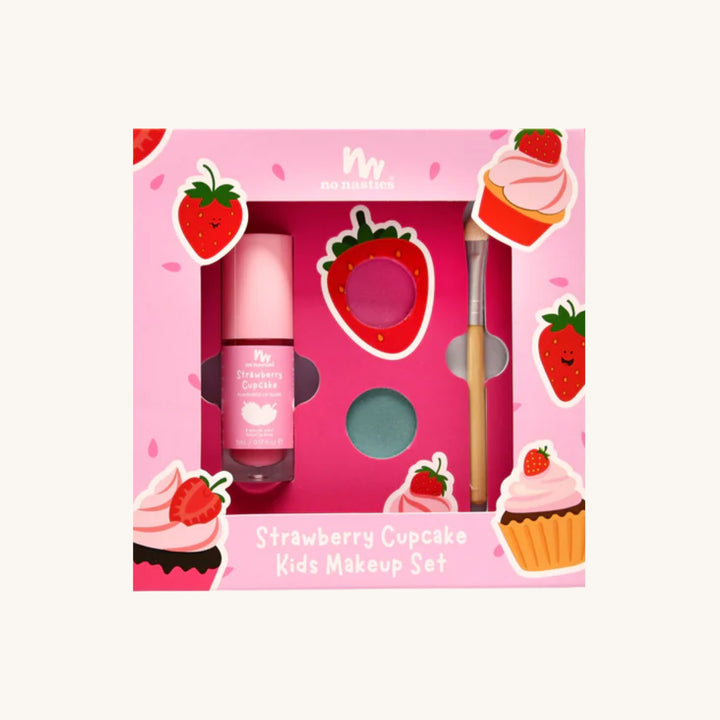
5-Piece Strawberry Cupcake, Mermaid or Unicorn Makeup for Kids
This five-piece set offers a contained introduction to creative makeup play. It includes natural pressed powder color and lip gloss in themed Strawberry Cupcake, Mermaid, and Unicorn options.
The official product information describes the formulas as washable and made without talc, carmine, Lake pigments, or FD&C dyes. The smaller size makes it more manageable than a large adult palette with dozens of shades.
Use one or two components at a time, apply light layers, keep tools clean, and remove everything after the activity.
This is the strongest main-product example for a makeup starter guide for kids because it provides color and tools without requiring a full adult-style routine.
5-Piece Strawberry Cupcake, Mermaid or Unicorn Makeup for Kids
$29.99
Encourage creativity with this natural pressed powder & lip gloss makeup set, formulated with vibrant mineral pigments and a non-toxic, skin-friendly base parents have trusted since 2016. As the longest-standing clean beauty brand for kids, they've led the way in… read more
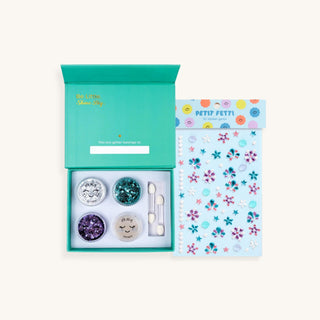
Self Adhesive Face Gems
Self Adhesive Face Gems offer temporary sparkle for dress-up, parties, performances, and crafts without adding another powder or liquid formula.
The official Popsicle listing offers Unicorn Wishes and Mermaid Dreams designs with colorful three-dimensional stickers intended for imaginative play.
Place the gems away from the eyelids and lash line, remove them slowly, and stop if the adhesive causes itching or discomfort.
Face gems are useful when a child wants a noticeable party look but does not need a complete makeup set.
Self Adhesive Face Gems
$4.99
Add a little sparkle to creative play with our Self Adhesive Face Gems, available in two magical designs kids love: Unicorn Wishes and Mermaid Dreams. Each set features dazzling 3D gem stickers in playful shapes and dreamy colors, perfect for… read more

Birthday Cake Natural Lip Balm for Kids
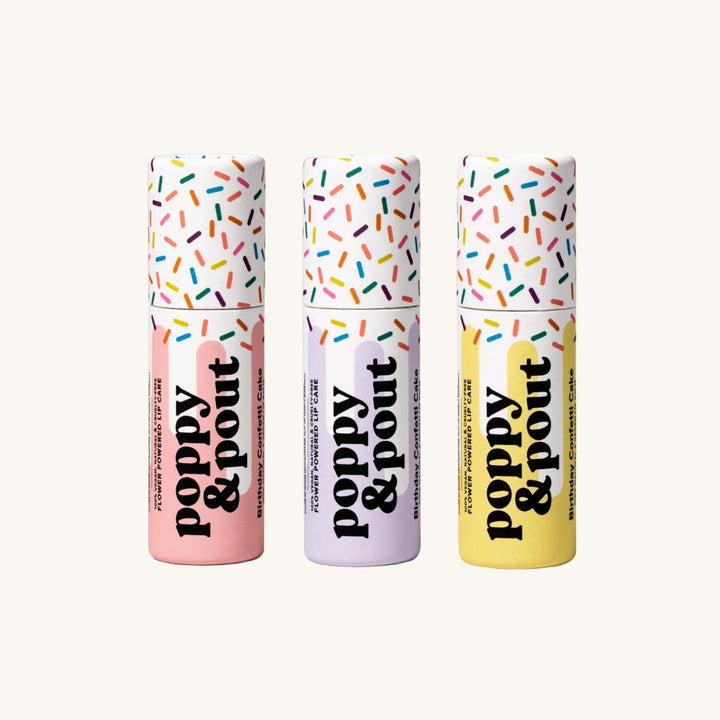
Birthday Cake Natural Lip Balm for Kids is a care-first option made with coconut oil, beeswax, sunflower oil, vitamin E, and birthday-cake flavor.
Its recyclable cardboard tube and simple balm format make it appropriate for a child learning to manage a personal product.
Teach one or two swipes, replace the cap, keep the balm personal, and use it when the lips feel dry rather than applying it continuously.
This gives the starter collection a practical product that is not centered on visible color or complexion correction.
Birthday Cake Natural Lip Balm for Kids
$9.99
Make the birthday magic last with the Birthday Confetti Cake Lip Balm, a sweet treat she can enjoy long after the candles are blown out. Infused with the joyous essence of vanilla cake and a hint of raspberry, this handcrafted… read more
A simple starter-kit formula
Parents using this makeup starter guide for kids can build a manageable collection from:
One lip balm or sheer gloss
One pressed color or tiny themed kit
One nail or face-gem activity
One clean applicator
One soft removal cloth
That is enough variety for dress-up, parties, performances, and creative play without turning makeup into a daily expectation.
Parents ready to assemble the products can use our first makeup kit checklist for additional guidance on kit size, tools, storage, and family rules.
How to use children’s makeup more safely
Following a makeup starter guide for kids also means establishing clear rules for clean tools, light application, personal products, and full removal.
Wash hands first
Children should apply makeup with clean hands and clean tools.
Keep products personal
Do not share mascara, lip products, brushes, sponges, or products that repeatedly touch the skin.
Stay away from the waterline
Keep eye color on the mobile eyelid and avoid placing products inside the lash line.
Apply light layers
More pigment does not make the experience safer or more enjoyable. One light layer is often enough.
Set occasion boundaries
Examples include:
Weekends
Dress-up
Birthdays
Holidays
Performances
Family events
Occasion boundaries help makeup remain optional.
Remove everything before bed
Use lukewarm water and a gentle cleanser the child already tolerates. Allow the formula to soften, then wipe gently instead of scrubbing.
Stop when irritation develops
Discontinue the product if it causes burning, swelling, persistent itching, peeling, blistering, or worsening redness.
Common mistakes to avoid
Even a carefully selected makeup starter guide for kids can lose its purpose when adults add oversized palettes, difficult formulas, or correction-focused expectations.
Buying a large adult palette as the first product
Oversized palettes add more pigments, finishes, tools, and cleanup than most children need.
Starting with foundation or concealer
Complexion coverage can move makeup from expression toward correction. Treat it as a later milestone rather than a required first step.
Assuming “clean” means universally safe
Clean, natural, non-toxic, organic, and hypoallergenic are not guarantees that a product will suit every child.
Ignoring hygiene
Sharing eye and lip products increases contamination risk.
Choosing hard-to-remove formulas
If a product requires strong remover and repeated rubbing, reconsider whether it belongs in a child’s routine.
Making makeup part of every school morning
Daily use can quietly turn optional creativity into an appearance requirement.
Using correction-focused language
Avoid phrases such as:
Cover that
Fix your skin
Hide the redness
Make your eyes look bigger
Look more polished
You need this
Use language about color, art, imagination, costumes, and fun instead.
Where Popsicle Beauty Club fits
Popsicle Beauty Club helps families compare child-focused products without searching through adult beauty collections.
The marketplace and education approach emphasize:
Age-appropriate positioning
Ingredient transparency
Manageable product formats
Gentle removal
Hygiene
Sensitive-skin considerations
Creative play
Foundationless beauty
The aim is not to identify one product that is perfect for every child. It is to help parents match products to age, use, sensitivities, family values, and the child’s ability to follow simple rules.
Bottom line
A makeup starter guide for kids should lead parents toward fewer products, clearer labels, manageable formats, and beauty play that remains optional.
Begin with lip care, washable nails, temporary sparkle, or one light color product. Keep tools clean, prevent sharing, supervise younger children, and remove products gently.
Most importantly, preserve the message: makeup can add color to a costume or celebration, but a child’s natural face never needs fixing.
For a complete guide on non-toxic play makeup, check out our in-depth resource: The Ultimate Guide to Non-Toxic Play Makeup for Kids for expert tips, product recommendations, and everything you need to know about choosing safe beauty play products for your child.

About the Author: This article was written by the contributing writers at Popsicle Beauty Club—a team of moms, educators, and clean beauty advocates passionate about creating a safer, more imaginative world for kids. We believe in empowering parents with trusted information and offering fun, non-toxic beauty and personal care products that let children play, express, and explore—without compromising their health.
FAQs
What is the best safe makeup for kids to start with?
Is non toxic makeup for kids the same as clean makeup for kids?
Which makeup kids should avoid?
What age should a child receive a first makeup set?
There is no universal starting age. Younger children generally need closely supervised, costume-level play, while older children may manage a small kit when they can follow hygiene, storage, application, and removal rules.
Can children share makeup during parties or playdates?
Avoid sharing lip products, eye products, brushes, and sponges. Give each child separate applicators or individual items, then clean reusable tools after the activity.
How should parents remove makeup from a child?
Use lukewarm water and a gentle cleanser the child already tolerates. Let the product soften, then wipe with a soft cloth without aggressive rubbing. Stop using products that repeatedly cause difficult removal or irritation.