
Table of Contents
- Introduction
- Direct Answer: What Should Parents Look For?
- Daily Self-Care and Dress-Up Makeup Are Not the Same Thing
- Five Signs a Brand Is Genuinely Ritual-First
- Brand Types That Can Support Healthy Self-Care Habits
- A Practical Parent Decision Path
- Ingredient and Label Checklist
- Age-Based Routine Templates
- Popsicle Beauty Club Product Examples
- Common Mistakes to Avoid
- Where Popsicle Beauty Club Fits
- Frequently Asked Questions
- What Is the Difference Between Daily Self-Care and Dress-Up Makeup for Kids?
- What Should a Gentle First Skincare Kit Include for a Child or Tween?
- What Kids’ Brands Focus on Daily Self-Care Rituals Rather Than Dress-Up Makeup?
- How Can I Tell Whether a Brand Promotes Self-Care or Appearance Correction?
- Do Younger Children Need a Daily Facial Skincare Routine?
- Can a Brand Offer Both Skincare and Makeup Without Encouraging Adultification?
- Bottom Line
- FAQs
Introduction
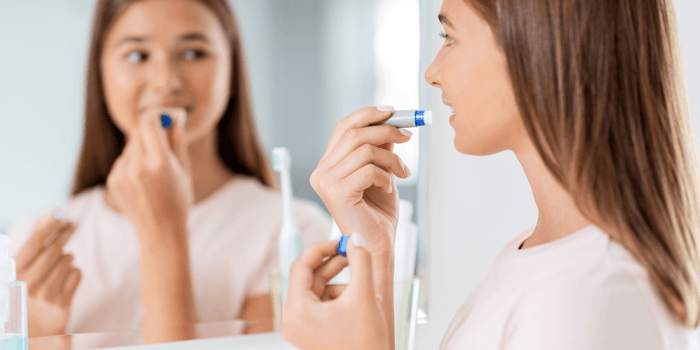
Kids self-care beauty brands should help children build simple habits around hygiene, comfort, and confidence before beauty becomes a performance. The strongest options lead with practical care—cleansing when needed, moisturizing dry skin, protecting lips, managing hair, and supporting sun-safe habits—then keep makeup optional, washable, and connected to play.
At Popsicle Beauty Club, the goal is not to remove fun from beauty. It is to keep childhood beauty in the lane of expression rather than correction. A child can enjoy color, nail art, face gems, or a little sparkle without being taught that her natural face needs covering, fixing, or perfecting.
Direct Answer: What Should Parents Look For?
The best kids self-care beauty brands make daily care easy to understand and creative products easy to pause. They do not use a ten-step routine, adult treatment language, or complexion coverage as the starting point.
A useful comparison of kids self-care beauty brands should examine purpose, labels, routine size, age positioning, and removal—not packaging alone.
- Care comes first: Cleanser, moisturizer, lip care, hair care, body care, deodorant when appropriate, and sunscreen guidance.
- Makeup stays optional: Sheer color, nail fun, face gems, and washable shimmer are framed as art or celebration.
- Labels are parent-friendly: Ingredients, fragrance information, age guidance, directions, and removal instructions are easy to find.
- Routines remain manageable: Products fit school mornings, sports, bath time, and bedtime without creating pressure.
- The message is age-aware: Hygiene, comfort, and confidence matter more than “perfecting” a child’s appearance.
Daily Self-Care and Dress-Up Makeup Are Not the Same Thing
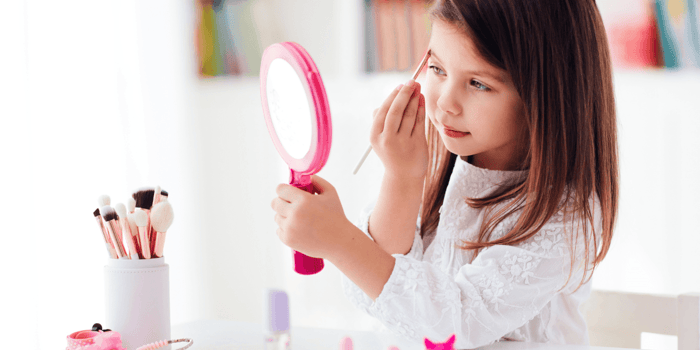
Both can exist in a child’s life, but they should serve different purposes. Daily self-care supports health and comfort. Dress-up makeup supports creativity, costumes, celebrations, and imaginative play.
| Daily Self-Care | Creative Beauty Play |
|---|---|
| Washing sweat, dirt, or sunscreen when needed | Sheer lip color for a party or costume |
| Moisturizing dry or uncomfortable skin | Washable nail color or nail stickers |
| Using lip balm for dryness | Face gems or a small amount of shimmer |
| Detangling hair and caring for the scalp | Temporary color for a recital or dress-up activity |
| Using deodorant when developmentally appropriate | Occasional makeup that comes off before bed |
For a fuller explanation of the creative lane, read what play makeup means for kids. The practical distinction is simple: skincare is for comfort and health; makeup is for color and fun.
Five Signs a Brand Is Genuinely Ritual-First
1. It Begins With a Real Need
A thoughtful brand explains why a product exists. A cleanser removes sweat or sunscreen. A moisturizer relieves dryness. A detangler reduces pulling. A lip balm helps keep lips comfortable. The product is not presented as another step every child must perform.
Parent Check
Before buying, ask: “What problem does this solve for my child right now?” If the answer is unclear, the product may be an unnecessary extra.
2. It Keeps Routines Short
Good kids self-care beauty brands do not equate more steps with better care. For many children, one useful product is enough. Tweens may need a basic cleanser and moisturizer, especially after sports or when early oiliness begins, but they rarely need an adult treatment routine copied from social media.
Parent Check
Look for brands that explain what can wait—not only what else you can buy.
3. It Separates Expression From Correction
Playful color can be age-appropriate. Correction-focused messaging is different. Phrases such as “hide blemishes,” “perfect pores,” “cover redness,” or “look polished” can quietly teach children that a natural face is a problem.
Parent Check
Choose language about color, creativity, costumes, comfort, and self-expression. Delay foundation, concealer, contour, and other complexion products as routine childhood purchases.
4. It Makes Labels Easy to Understand
Strong kids self-care beauty brands provide enough information for a parent to decide whether a product fits the child. That includes the full ingredient list, fragrance or flavor disclosure, directions, intended application area, age guidance, and removal instructions.
Parent Check
Be cautious when a brand relies heavily on “clean,” “natural,” “non-toxic,” or “hypoallergenic” without explaining what those claims mean for the specific product.
5. It Plans for Removal and Hygiene
A child-friendly product should not require aggressive scrubbing. Lip and eye products should remain personal, applicators should be kept clean, and anything used near the eyes should stay away from the waterline.
Parent Check
If you would not want to remove it gently at bedtime, it should not become part of the child’s regular routine.
Brand Types That Can Support Healthy Self-Care Habits
Instead of searching for one perfect company, it helps to understand the types of brands that may support a healthier approach.
These kids self-care beauty brands may look different, but the strongest ones keep daily care practical and creative products optional.
Kids’ Personal-Care Brands
Best For
Families who want bathing, hair care, body care, deodorant, or lip care to be the main focus.
Products to Consider
- Gentle body wash
- Lotion or moisturizer
- Deodorant when needed
- Detangler or conditioner
- Lip balm
Why This Approach Works
The routine supports hygiene and comfort without turning an ordinary day into a “full face” moment.
Parent Check
Review fragrance strength and essential-oil blends, especially when the child has eczema, asthma, headaches, or a history of sensitivity.
Tween Skincare Brands With Minimal Routines
Best For
Early skincare interest driven by sports, sweat, oiliness, dryness, or curiosity.
Products to Consider
- A basic cleanser when needed
- A lightweight moisturizer
- Sunscreen for outdoor exposure
- One targeted product only when there is a clear reason
Why This Approach Works
The message becomes “understand and care for your skin,” not “manage and correct your face.”
Parent Check
Avoid strong peels, complicated multi-acid routines, and adult anti-aging language unless a qualified clinician recommends a specific treatment.
For a realistic age-based framework, use the kids skincare routine by age to decide what belongs in the morning, what belongs at night, and what can wait.
Hair-Care Brands That Reduce Discomfort
Best For
Knots, difficult brushing, dry ends, or a child learning to participate in wash-day routines.
Products to Consider
- Shampoo matched to the child’s scalp needs
- Conditioner suited to the hair texture
- Detangler or leave-in conditioner
- Simple brushes and protective accessories
Why This Approach Works
Hair care can build independence while solving a practical problem rather than creating appearance pressure.
Parent Check
Adjust the product amount to hair density and watch for fragrance, residue, or buildup.
Play-Makeup Brands With Sheer, Removable Color
Best For
Birthdays, dance, theatre, holidays, sleepovers, costumes, and imaginative play.
Products to Consider
- Sheer lip color or gloss
- Washable nail products
- One pressed shimmer
- Self-adhesive face gems
- Cosmetic-grade costume color
Why This Approach Works
Makeup remains art, not armor.
Parent Check
Keep loose or chunky glitter away from the eyes, check pigments and fragrance, and choose products that remove without heavy rubbing.
Curated Marketplaces With Clear Standards
Best For
Parents who want skincare, hair care, bath products, and occasional creative beauty in one place.
Why This Approach Works
A useful marketplace can shorten the search and explain why a product fits.
Parent Check
The marketplace should distinguish daily care from optional play, explain product limitations, and avoid treating every “clean” claim as proof of universal suitability.
A Practical Parent Decision Path
Use this process when comparing kids self-care beauty brands so the purchase follows the child’s real need rather than a trend.
- Start with the “why.” Is the child asking because of dryness, sweat, tangled hair, curiosity, a performance, or social-media pressure?
- Choose one lane. Begin with daily care or creative play instead of mixing several new categories at once.
- Match the product to age and need. Younger children generally need fewer products; tweens may need slightly more independence but not more complexity.
- Set one boundary early. Keep foundation, concealer, contour, and correction-focused routines off the default shopping list.
- Check the label. Review fragrance, flavor, essential oils, pigments, directions, application area, and known allergens.
- Plan removal before purchase. Choose products that wash off gently and do not require repeated rubbing.
- Introduce one product at a time. This makes it easier to identify irritation or a poor fit.
Ingredient and Label Checklist
“Clean,” “safe,” and “for kids” are not complete instructions. Use the following checks to compare kids self-care beauty brands without turning the process into fear-based shopping.
Fragrance and Parfum
Fragrance components may not be individually listed. A fragrance-free option can simplify the routine for a child with sensitive skin, headaches, asthma, or a history of reactions.
If the child tolerates scent, consider limiting it to one product instead of layering several fragranced leave-on items.
Essential Oils and Botanical Extracts
Natural ingredients are not automatically gentle for every child. Peppermint, cinnamon, citrus, lavender, and other aromatic extracts may bother reactive skin or lips.
Patch test when appropriate and stop use if burning, itching, swelling, or persistent redness appears.
Colorants, Glitter, and Shimmer
Color is part of the fun, but the product should identify its pigments and be intended for the application area.
- Use cosmetic products rather than craft glitter.
- Keep sparkle away from the waterline.
- Supervise younger children.
- Choose pressed or controlled formats when possible.
Strong Skincare Actives
Adult treatment language is a reason to pause. Strong acids, frequent peels, retinoid-style routines, and several acne actives at once can add irritation without addressing a child’s actual need.
Start with basics unless a qualified clinician recommends otherwise.
Long-Wear and Waterproof Claims
Longer wear often means harder removal. For children, easy-off formulas are generally more practical than products designed to resist water, food, and movement for many hours.
Age-Based Routine Templates
Age does not automatically require more products. The best kids self-care beauty brands help families increase independence gradually without increasing pressure.
Younger Children: Simple and Supervised
Morning
- Rinse with water when needed.
- Apply moisturizer only to dry or uncomfortable areas.
- Use lip balm for dryness.
- Apply sunscreen before outdoor exposure.
Evening
- Use bath time or a gentle wash to remove the day.
- Moisturize when needed.
- Brush teeth.
- Detangle and care for hair.
Optional Creative Add-On
Use nail color, face gems, or sheer gloss for a special occasion, then remove it gently before bed.
Tweens: More Independence, Still Minimal
Morning
- Cleanse only when it serves a purpose.
- Use a lightweight moisturizer.
- Apply sunscreen before outdoor time.
- Carry personal lip balm when needed.
Evening
- Cleanse after sports or heavy sunscreen use.
- Moisturize for comfort.
- Use one targeted product only when appropriate.
Makeup Boundary
Keep color expressive and occasional. Gloss, nail fun, blush used as color, or face gems can provide the experience without creating daily complexion coverage.
Teens: Respond to Actual Needs
Teens may explore more products, but the principle remains care first and creativity second.
- Introduce new formulas gradually.
- Keep tools and applicators clean.
- Avoid stacking several strong actives.
- Remove makeup before bed.
- Seek qualified guidance for persistent, painful, or worsening acne.
Heavier coverage should not become the only response to discomfort or insecurity.
Popsicle Beauty Club Product Examples
The following products illustrate three different self-care lanes. They are not a required bundle. Choose the product that addresses the child’s current need.
Fragrance-Free Kids Skincare Set
The Fragrance-Free Kids Skincare Set combines a foaming cleanser and lightweight moisturizer for a pre-teen or teen starting a simple facial routine.
Why It Fits
This is the clearest skincare example for kids self-care beauty brands because the routine remains focused: cleanse when needed, moisturize, and stop there before adding serums, masks, acids, or adult treatment steps.
Parent Guidance
- Introduce the cleanser and moisturizer gradually.
- Follow the product directions rather than increasing frequency automatically.
- Stop if the skin becomes persistently tight, red, itchy, or uncomfortable.
Fragrance-Free Kids Skincare Set
$29.99
$32.98
The Natural Outcome fragrance-free Kids Skincare Set includes two everyday essentials—the Teen Skin Ultra Gentle Foaming Face Wash and the Teen Skin Calm Control non toxic face moisturizer. Designed for teens and pre-teens, this plant-based duo makes skincare simple and… read more

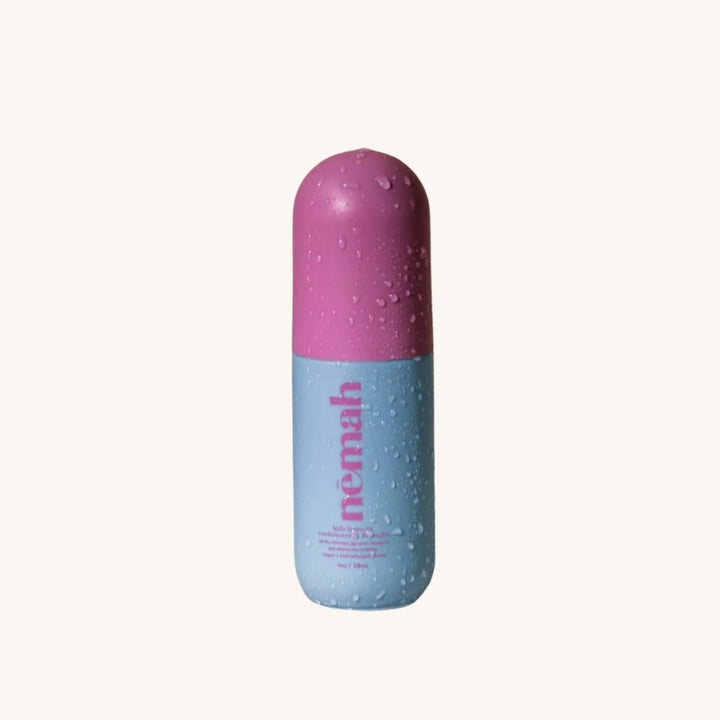
Detangler & Leave-In Conditioner for Kids
The Detangler & Leave-In Conditioner for Kids supports a practical hair-care ritual by helping reduce knots and make brushing more manageable.
Why It Fits
This product solves a comfort problem and helps a child participate in hair care without turning the routine into appearance correction.
Parent Guidance
- Start with a small amount.
- Adjust use to hair texture, length, and density.
- Review the disclosed fragrance ingredients when the child is sensitive.
- Watch for residue or buildup over time.
Detangler & Leave-In Conditioner for Kids
$16.99
Nemah’s Detangler & Leave-In Conditioner for Kids is a clean, lightweight formula designed to make brushing simple and stress-free. Powered by olive-derived squalane, it locks in weightless moisture to keep strands soft and manageable, while coconut oil deeply nourishes, smooths rough… read more
All-Natural Kids Lip Balm
All-Natural Kids Lip Balm offers a small, understandable routine for dry lips in a child-friendly push-up format.
Why It Fits
Lip care shows how kids self-care beauty brands can make a practical product feel personal and enjoyable without making visible color or correction the goal.
Parent Guidance
- Use one or two swipes when lips feel dry.
- Keep the balm personal rather than sharing it.
- Replace the cap after use.
- Review flavor-specific ingredients and known sensitivities.
Common Mistakes to Avoid
Even well-positioned kids self-care beauty brands can become part of an unhealthy routine when products are overused, heavily layered, or framed as necessary.
Buying a Complete Routine Before Identifying a Need
A large kit can make every step feel necessary. Begin with one clear purpose and expand only when the basics are useful and well tolerated.
Confusing Cute Packaging With Age-Appropriate Positioning
Bright colors, characters, and sweet scents do not answer questions about ingredients, fragrance, age fit, product purpose, or removal.
Assuming Natural Means Irritation-Free
Botanical extracts, essential oils, flavors, and natural fragrance can still cause individual reactions.
Letting Trends Create a Ten-Step Routine
More products create more opportunities for irritation and more time spent managing a child’s face. Keep the routine connected to actual needs.
Turning Makeup Into Daily Correction
If the routine becomes about hiding, fixing, perfecting, or looking older, simplify it and return makeup to the lane of art and occasional play.
Skipping the Removal Plan
Products that require heavy rubbing are poor regular choices for children. Removal belongs in the buying decision.
Where Popsicle Beauty Club Fits
Popsicle Beauty Club helps parents compare kids self-care beauty brands across skincare, bath and body, hair care, lip care, and optional creative beauty.
The goal is not to build the largest collection. It is to identify a few age-aware products that meet a real need and fit the family’s ingredient preferences.
- Start with care: Choose the one product that solves the current need.
- Add play intentionally: Introduce color or sparkle for a clear occasion.
- Keep routines small: More products are not the measure of better care.
- Review labels and removal: Know what is in the product, where it goes, and how it comes off.
- Keep the message steady: Skincare is for comfort and health; makeup is for color and creativity.
Frequently Asked Questions
What Is the Difference Between Daily Self-Care and Dress-Up Makeup for Kids?
Daily self-care addresses hygiene and comfort through washing, moisturizing, lip care, hair care, deodorant when needed, and sun-safe habits.
Dress-up makeup is optional color or sparkle for play, costumes, celebrations, or performances. It should be easy to remove and should not become necessary for a child to feel presentable.
What Should a Gentle First Skincare Kit Include for a Child or Tween?
Most children need very little. A tween may begin with a gentle cleanser used when needed, a lightweight moisturizer, and sunscreen for outdoor exposure.
Add another product only when it addresses a clear concern, and introduce one new formula at a time.
What Kids’ Brands Focus on Daily Self-Care Rituals Rather Than Dress-Up Makeup?
Look for kids self-care beauty brands that lead with cleansing, moisturizing, lip care, hair care, body care, and age-aware education.
Makeup should appear as an optional creative category rather than the foundation of the brand’s message.
How Can I Tell Whether a Brand Promotes Self-Care or Appearance Correction?
Review its language. Self-care-focused brands discuss hygiene, comfort, healthy habits, gentle use, and independence.
Correction-focused messaging emphasizes hiding, covering, perfecting, looking older, or making a natural face more acceptable.
Do Younger Children Need a Daily Facial Skincare Routine?
Usually not. Many younger children need bathing, handwashing, hair care, lip balm for dryness, moisturizer when needed, and sunscreen before outdoor exposure.
A facial routine should respond to a real need rather than a trend.
Can a Brand Offer Both Skincare and Makeup Without Encouraging Adultification?
Yes. The categories should be clearly separated. Daily care should remain simple and purpose-led, while makeup should be optional, removable, and connected to art, costumes, celebrations, or imagination rather than complexion correction.
Bottom Line
Choosing kids self-care beauty brands is ultimately about matching one clear product purpose with one clear family boundary.
The best kids self-care beauty brands lead with useful daily habits and treat makeup as optional, washable expression.
Look beyond child-friendly packaging and compare:
- The full ingredient label
- Fragrance disclosure
- Age guidance
- Product purpose
- Ease of removal
- Routine complexity
- The emotional message surrounding use
Fewer steps are easier to teach, easier to monitor, and easier to stop when they no longer serve the child. Care comes first, creativity can follow, and correction can wait.
For a deeper dive into safe skincare for kids, visit Safe & Non-Toxic Skincare for Kids to discover the best clean beauty products, DIY recipes, and tips for keeping your child’s skin healthy and toxin-free.
About the Author: This article was written by the contributing writers at Popsicle Beauty Club—a team of moms, educators, and clean beauty advocates passionate about creating a safer, more imaginative world for kids. We believe in empowering parents with trusted information and offering fun, non-toxic beauty and personal care products that let children play, express, and explore—without compromising their health.
FAQs
What’s the difference between “daily self-care” and “dress-up” makeup for kids?
What should a gentle first skincare kit include for a kid or tween?
What kids’ brands focus on daily self-care rituals rather than just “dress-up” makeup?
How Can I Tell Whether a Brand Promotes Self-Care or Appearance Correction?
Review its language. Self-care-focused brands discuss hygiene, comfort, healthy habits, gentle use, and independence.
Correction-focused messaging emphasizes hiding, covering, perfecting, looking older, or making a natural face more acceptable.
Do Younger Children Need a Daily Facial Skincare Routine?
Usually not. Many younger children need bathing, handwashing, hair care, lip balm for dryness, moisturizer when needed, and sunscreen before outdoor exposure.
A facial routine should respond to a real need rather than a trend.
Can a Brand Offer Both Skincare and Makeup Without Encouraging Adultification?
Yes. The categories should be clearly separated. Daily care should remain simple and purpose-led, while makeup should be optional, removable, and connected to art, costumes, celebrations, or imagination rather than complexion correction.