
Table of Contents
- Introduction
- 1) What “safe” means for lip gloss for kids (and what it doesn’t)
- 2) How to read a kids lip gloss label quickly (INCI basics)
- 3) Ingredients many parents look for in lip gloss for kids
- 4) Ingredients some families choose to avoid or limit for lip gloss for kids
- 5) Flavor, fragrance, and “taste”: the biggest real-world consideration
- 6) Concrete shopping criteria (beyond the ingredient list)
- 7) How to use lip gloss for kids safely: routine, patch testing, and replacement
- Bottom line: a practical checklist for lip gloss for kids
- FAQs
Introduction
Shopping for lip gloss for kids can feel deceptively simple—until you realize how often a gloss ends up on fingers, cheeks, snacks, and water bottles. Parents aren’t only thinking about shine; they’re thinking about what’s in it, how it’s fragranced or flavored, how hygienic the packaging is, and whether it’s likely to irritate a child’s more sensitive skin. This guide breaks down practical, label-based criteria for choosing lip gloss for kids without fear-based assumptions: what ingredients are commonly used, what some families prefer to avoid, and how to build a realistic, low-drama routine.
Important note: everyone’s skin is different. Always check the label for ingredient lists and follow brand directions. If your child has a history of sensitivity, consider a patch test before regular use (details below).
1) What “safe” means for lip gloss for kids (and what it doesn’t)
When people search for lip gloss for kids, they’re usually looking for products that are gentle, age-appropriate, and less likely to cause irritation. In real-life shopping terms, “safer” usually means:
- Simple formulas with fewer potential irritants (especially fragrance and strong flavor blends).
- Known lip emollients (oils, waxes, butters) that create slip and reduce dryness.
- Hygienic packaging that discourages sharing and reduces contamination risk.
- Clear labeling so you can make informed choices (full ingredient list, shade name, and usage instructions).
What it doesn’t mean: that a product is “edible,” “allergy-proof,” or universally non-irritating. Lip products are used on a high-contact area (mouth) where kids may lick their lips and transfer product frequently. That’s why the flavor/fragrance profile and packaging matter as much as the base ingredients.
2) How to read a kids lip gloss label quickly (INCI basics)
Most cosmetics list ingredients using INCI names (international naming). A few quick ways to shop smarter:
- Ingredients are typically listed from highest to lowest concentration (until the 1% line, after which ordering can vary). If fragrance or flavor is near the top, it may be a bigger part of the formula.
- “Fragrance,” “parfum,” and “flavor/aroma” are umbrella terms that can represent multiple components. For lip gloss for kids, many parents prefer fragrance-free or minimally scented options.
- Look at the product type: a squeeze tube, wand, pot, or solid balm-gloss hybrid. Type affects hygiene and reapplication habits as much as ingredients do.
- Don’t rely on front-label terms alone (like “clean” or “natural”). Use them as a starting point, then confirm by checking the ingredient list.
If you’re specifically searching for non toxic lip gloss for kids or clean lip gloss for kids, treat those phrases as shopping categories—not guarantees. Your best tool is still the ingredient list and your child’s tolerance.
3) Ingredients many parents look for in lip gloss for kids
These ingredients are commonly used to make gloss feel comfortable and help prevent the “tight” feeling kids sometimes dislike. Not every child needs these, but they’re good to recognize on labels.
Comforting emollients (slip + softness)
- Plant oils (examples include jojoba, sunflower, coconut, castor): often provide shine and glide.
- Butters (like shea or cocoa butter): richer feel, can be great for dry lips, but may feel heavy for some kids.
- Squalane: lightweight emollient commonly used for a smooth, non-sticky finish.
Waxes and film-formers (structure + staying power)
- Beeswax or plant waxes (candelilla, carnauba): help thicken and keep gloss from sliding around.
- Hydrogenated oils (like hydrogenated polyisobutene or hydrogenated vegetable oils): used for cushiony texture and shine. Whether a family prefers plant-derived vs. synthetic texture agents is a personal choice; the key is how the product wears and whether it irritates.
Gentle humectants (hydration support)
- Glycerin: helps attract moisture; common in many lip products.
- Hyaluronic acid: sometimes included in glosses; can feel plumping through hydration, but isn’t necessary for a good lip gloss for kids pick.
Tip for parents: if your child mainly wants shine, a simpler, clear gloss with a comfortable oil/wax base can be easier to tolerate than a heavily flavored, intensely pigmented formula.
4) Ingredients some families choose to avoid or limit for lip gloss for kids
Different households have different comfort levels. The goal isn’t to panic—it’s to know what to look for if your child is sensitive, or if you prefer to keep formulas minimal.
Fragrance and strong flavor systems
Fragrance is a common source of irritation around the mouth, especially if kids rub their lips or get gloss on the skin above the lip. Flavor systems can also encourage lip-licking, which may worsen dryness for some kids.
- Look for labels that say fragrance-free (not just “unscented”).
- If it’s scented, consider a mild, simple scent rather than “candy” or “soda” style blends that can be intense.
Minty “tingle” ingredients
Ingredients used to create a cooling or tingling sensation (often in “plumping” glosses) can feel uncomfortable on younger lips. For lip gloss for kids, many parents skip anything marketed as plumping or tingling.
Essential oils (especially in leave-on lip products)
Some families avoid essential oils on lips because they can be sensitizing for certain people, particularly in leave-on products. Others use them without issues. If you’re shopping for organic lip gloss for kids, essential oils may appear more often—so it’s worth checking the ingredient list and choosing based on your child’s skin tolerance.
High-impact pigments and stains for everyday play
Color isn’t “bad,” but very strong pigments and stains can be harder to remove and may smear onto clothing. For younger kids, many parents prefer sheer tints that are easier to manage.
Bottom line: if your child has had irritation before, start with a simple, fragrance-free formula and add “fun” features (flavor, shimmer, stronger tint) only if everything is going smoothly.
For a deeper ingredient-by-ingredient breakdown, see our guide to non toxic lip gloss for kids before choosing a formula for everyday play.
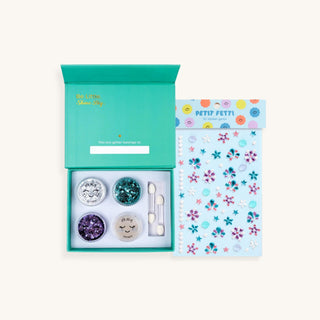
If you're looking for a natural lip gloss for your kid, we highly recommend this product by Oh Flossy.
Natural Lip Gloss for Kids – Gift Set or Singles

$16.99
This clean lip gloss gift set for kids includes three naturally flavored glosses—Strawberry, Cotton Candy, and Grape—in a shop–style gift box designed by Australian artist Rosa Ronco. Handmade in Australia with natural, vegan-friendly, biodegradable, and non-toxic ingredients, each gloss uses… read more
5) Flavor, fragrance, and “taste”: the biggest real-world consideration
With lip gloss for kids, the practical issue is that some product will be transferred during normal use—onto hands, cups, and sometimes into the mouth through lip-licking. That’s why many parents prioritize glosses that:
- Don’t taste strongly sweet (to reduce re-licking and constant reapplication).
- Use mild or no fragrance, especially if the child gets redness around the mouth easily.
- Have a comfortable texture so the child isn’t tempted to rub or wipe it off repeatedly.
If a gloss is marketed heavily around dessert flavors, consider whether that fits your household’s preferences and your child’s habits. Sometimes the “cutest” option is the one that ends up being overused.
6) Concrete shopping criteria (beyond the ingredient list)
Two kids lip gloss products can have similarly gentle ingredients but perform very differently in real life. Use these criteria to narrow down your options:
Packaging and hygiene
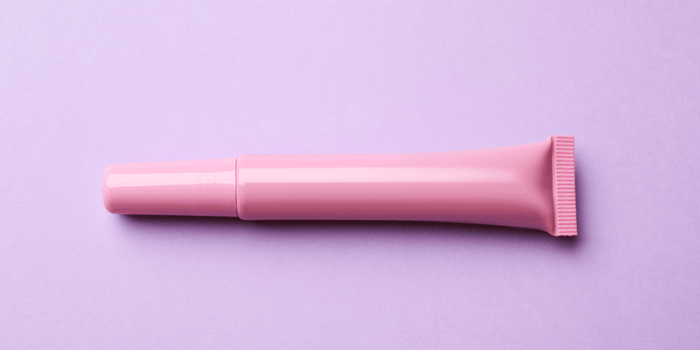
- Squeeze tube: often the most hygienic for kids because it reduces back-and-forth contact with the lips (especially if applied to a clean fingertip first).
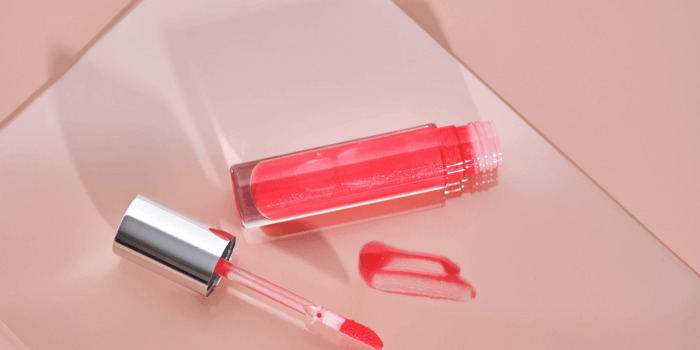
- Wand applicator: convenient but easier to contaminate if kids share or re-dip after eating. If you choose a wand, set a “no sharing” rule.
- Pot/jar: can be messy and less hygienic unless you use a clean spatula or washed hands each time.
Texture: sticky vs. slick
- Very sticky gloss can catch hair and lint and may frustrate kids.
- Very slippery oil-gloss can migrate outside the lip line and end up around the mouth.
For many families, the sweet spot is a medium-viscosity gloss that stays put without feeling tacky.
Shimmer level
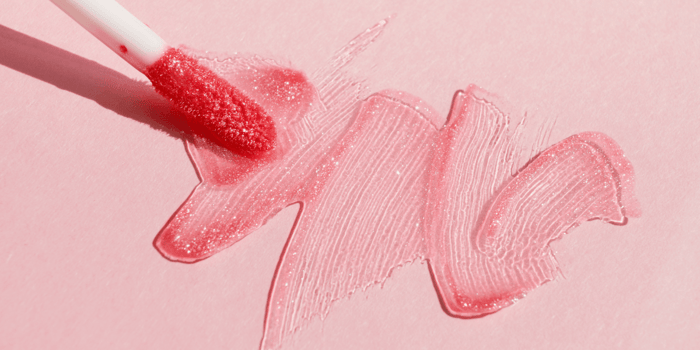
Fine shimmer can be pretty and forgiving; chunky glitter can shed and spread. If your child rubs their face a lot, consider skipping chunky glitter for everyday wear.
Ease of removal
A practical lip gloss for kids should come off without harsh rubbing. Look for formulas that can be removed with a gentle cleanser or a simple oil-based wipe, then follow with a basic lip balm if needed.
7) How to use lip gloss for kids safely: routine, patch testing, and replacement
Even the best ingredient list can’t replace good habits. Here’s a realistic routine for lip gloss for kids that keeps things comfortable and cleaner.
Patch test (especially for sensitive kids)
If your child is prone to irritation, do a simple patch test before regular use. Apply a tiny amount to a small area of skin (many families choose the inner forearm), and monitor for any irritation over the next day. If anything seems off, stop use and choose a simpler formula. When in doubt, consult a qualified healthcare professional for personalized guidance.
“Clean lips” rule before application
- Apply after brushing teeth or after a quick face rinse.
- Avoid applying right after messy snacks to reduce contamination in the product.
No sharing
Make it a clear rule: lip products are personal items. This matters most for wand glosses and pots.
Set a reapplication limit
Kids often reapply for fun. Consider a simple guideline (for example, morning + after school) to reduce overuse and accidental smearing.
Know when to toss it
- If it smells off, changes texture, or has been used during an illness, replace it.
- If a gloss lives at the bottom of a backpack and collects dirt, it’s time for a reset.
Bottom line: a practical checklist for lip gloss for kids
The best lip gloss for kids choice is usually the one that’s simple, comfortable, and easy to use hygienically. Start by checking labels, prioritizing mild or fragrance-free options if your child is sensitive, and choosing packaging that discourages sharing. If you’re specifically seeking non toxic lip gloss for kids, clean lip gloss for kids, or organic lip gloss for kids, treat those as preference filters—then confirm the actual ingredient list and keep the routine sensible. Finally, always check labels for allergens and do a patch test when appropriate, especially if this is your child’s first lip product.
Curious about which harmful ingredients to avoid in your child's beauty products? Read The Truth About Harmful Beauty Ingredients for Kids to uncover the hidden toxins in mainstream makeup, skincare, and hair care—and discover safer alternatives.
About the Author: This article was written by the contributing writers at Popsicle Beauty Club—a team of moms, educators, and clean beauty advocates passionate about creating a safer, more imaginative world for kids. We believe in empowering parents with trusted information and offering fun, non-toxic beauty and personal care products that let children play, express, and explore—without compromising their health.