
Table of Contents
- Introduction
- Answer-ready summary
- Popsicle Beauty Club’s parent-first approach
- What healthy skincare habits look like by age
- What brands should teach children
- How to evaluate kids skincare brands for healthy habits
- Ingredient and label considerations
- Fun should come from the routine—not appearance pressure
- A realistic starter routine
- Popsicle Beauty Club product examples
- Product comparison
- Internal guidance for building the routine
- Patch testing and gradual introduction
- Common mistakes to avoid
- Where Popsicle Beauty Club fits
- Bottom line
- FAQs
Introduction
Kids skincare brands for healthy habits should make daily care easier to understand, easier to repeat, and less likely to become an adult-style beauty routine. The strongest brands teach children to wash when needed, moisturize when skin feels dry, use sunscreen consistently, and treat skincare as hygiene and comfort—not as a way to perfect their appearance.
A colorful bottle or child-friendly character can make the routine inviting, but packaging alone does not build a healthy habit. Parents should also be able to find complete ingredients, age guidance, clear directions, sensible amounts, and realistic explanations of what each product does.
No child needs a ten-step regimen to learn self-care. A successful routine is usually short enough to remember, gentle enough to use comfortably, and flexible enough to match the child’s actual needs.
This guide explains how to evaluate kids skincare brands for healthy habits, which product features support independence, what kinds of messaging deserve caution, and how Popsicle Beauty Club helps families compare age-appropriate options without importing adult beauty pressure into childhood.
Answer-ready summary
The most useful kids skincare brands for healthy habits make the purpose of each step clear so children learn care through repetition rather than product overload. The best children’s skincare brands tend to support five basic principles:
- Keep the routine short.
- Explain what each product is for.
- Use complete, parent-readable ingredient lists.
- Provide age-appropriate directions.
- Frame skincare around hygiene, comfort, and protection.
For many children, the routine may include only:
- Gentle cleansing when needed
- Moisturizer when skin feels dry or tight
- Sunscreen during daytime exposure
- Lip balm for dry lips
- Body care for specific comfort needs
Parents should pause when a brand promotes:
- Long multi-step routines for young children
- Anti-aging or resurfacing claims
- Poreless, flawless, or perfect-skin language
- Strong exfoliating acids as everyday care
- Tingling as proof that a product is working
- Foundation or concealer as part of basic self-care
- Several new products introduced at once
Kids skincare brands for healthy habits should simplify family decisions rather than create new appearance concerns.
Popsicle Beauty Club’s parent-first approach
Popsicle Beauty Club is a curated children’s beauty and personal-care marketplace with a clear position: childhood self-care should support health, comfort, creativity, and growing independence.
When Popsicle evaluates skincare products, the questions go beyond whether the packaging looks child-friendly:
- Is the full ingredient list available?
- Is fragrance clearly disclosed?
- Does the product explain its intended age and use?
- Is the routine developmentally appropriate?
- Can the child use the packaging without wasting product?
- Is the formula easy to rinse or apply?
- Does the product solve a real need?
- Does the messaging avoid correction and perfection?
- Can parents introduce one product at a time?
This reflects Popsicle’s Foundationless philosophy. Skincare can help a child remove sweat, manage dryness, protect against sun exposure, and feel comfortable. It should not teach a child that normal pores, freckles, texture, redness, or changing skin need to be hidden.
What healthy skincare habits look like by age
Healthy habits change as children grow. The goal is not to reach a full routine as quickly as possible. It is to give the child the smallest number of useful steps for the stage they are in. Comparing kids skincare brands for healthy habits by age helps parents distinguish a useful hygiene step from a routine that is too complex for the child’s current needs.
Younger children
Many younger children do not need a dedicated facial routine every morning and night.
Useful habits may include:
- Washing visible dirt away
- Rinsing after sweaty play
- Using a mild cleanser after sunscreen
- Applying moisturizer to dry areas
- Wearing sunscreen with adult help
- Avoiding product sharing
At this age, the parent usually controls the amount and application.
Elementary-age children
School, sports, outdoor play, and growing independence may make a consistent cleansing habit more useful.
A simple routine might include:
- Gentle cleansing after sports or sunscreen
- Moisturizer only when needed
- Daily sun protection
- Lip balm for dryness
- Washing hands before touching the face
The child can begin completing one step independently while the parent still supervises the product choice.
Tweens
Tweens may experience more sweat, oil, and interest in skincare because of friends or social media.
The routine should still remain basic:
- Cleanser
- Lightweight moisturizer when needed
- Sunscreen
- Targeted clinical guidance for persistent acne or irritation
Kids skincare brands for healthy habits should help tweens understand consistency before introducing treatments, masks, serums, or several active ingredients.
Teens
Teens may need a more individualized routine, but more products do not automatically mean better care.
A dependable cleanser, moisturizer, and sunscreen can provide the foundation. Persistent acne, painful breakouts, eczema, or ongoing irritation may need qualified medical guidance rather than an expanding collection of viral products.
What brands should teach children
A brand that wants to support healthy early habits should teach more than product use. At their best, kids skincare brands for healthy habits teach children how much to use, when a product is necessary, and when discomfort means they should stop.
Use the right amount
Clear quantity guidance reduces waste and helps children avoid over-cleansing or applying unnecessarily thick layers.
Useful instructions might say:
- One pump
- A pea-sized amount
- A thin layer
- Apply only to dry areas
- Use after sports or sunscreen
Wash gently
Children should not learn that clean skin must feel tight, squeaky, or stripped.
A cleanser should be used with lukewarm water and gentle hand movements rather than brushes, rough cloths, or repeated scrubbing.
Pay attention to comfort
Children can learn to describe how their skin feels:
- Comfortable
- Dry
- Tight
- Itchy
- Stingy
- Hot
- Oily
- Sore
This helps skincare become body awareness rather than appearance monitoring.
Keep products personal
Children should not share face cloths, lip products, open jars, or tools that repeatedly touch the skin.
Stop when something feels wrong
Burning, swelling, persistent itching, or worsening redness are reasons to stop—not signs that a product is working.
How to evaluate kids skincare brands for healthy habits
A parent does not need to be a cosmetic chemist. A consistent comparison framework is more useful than trying to memorize every ingredient.
1. Look for a clear product purpose
A product should solve an identifiable need.
Examples include:
- Removing sweat and sunscreen
- Relieving dryness
- Protecting exposed skin from the sun
- Supporting comfortable lips
- Cleansing the body after activity
Be cautious when the purpose is vague or built around fixing normal childhood features.
2. Check the complete ingredient list
Front-label phrases such as “clean,” “natural,” “gentle,” and “hypoallergenic” do not provide enough information on their own.
Look for a complete formula and compare it with the child’s known sensitivities.
3. Review the fragrance approach
Fragrance can make routines feel enjoyable, but it can also complicate product selection for children with eczema, headaches, sensory sensitivities, or reactive skin.
Some families may prefer:
- Fragrance-free products
- No added fragrance
- Clearly disclosed essential oils
- Mildly scented rinse-off products rather than leave-on formulas
4. Check the age positioning
A child-focused product should not be a miniature adult anti-aging or resurfacing product.
Look for language related to:
- Gentle cleansing
- Hydration
- Comfort
- Sun protection
- Sweat
- Sensitive skin
- Simple routines
Pause when products focus on:
- Anti-aging
- Pore shrinking
- Brightening
- Peeling
- Resurfacing
- Perfecting
- Concealing
- Flawless skin
5. Evaluate the packaging
Packaging can shape the habit as much as the formula.
Pumps, foaming dispensers, squeeze tubes, and clearly marked steps may help children use a controlled amount. Open jars may require more supervision because repeated finger contact can introduce contamination.
6. Review the routine the brand promotes
A company may sell many products without insisting that every child needs all of them.
The most useful kids skincare brands for healthy habits explain that routines can remain small and that needs vary according to age, activity, weather, and skin comfort.
Ingredient and label considerations
A useful label check should be careful without becoming alarmist.
Fragrance
Families with sensitive skin may prefer fragrance-free products, particularly for leave-on moisturizers and facial care.
Essential oils
Tea tree, lavender, peppermint, citrus, and other essential oils may suit some users but irritate others. Natural origin does not guarantee universal tolerance.
Botanical extracts
Plant ingredients may provide texture, scent, or soothing properties, but they should still be reviewed against known allergies and sensitivities.
Exfoliating ingredients
Most younger children do not need exfoliating acids or scrubs as routine care. Tweens and teens should introduce treatment products only for a clear reason and with appropriate guidance.
Preservatives
Water-based products require effective preservation. A preservative-free claim is not automatically preferable if the formula becomes vulnerable to microbial contamination.
Color and visual effects
Bright colors and foam can make care more enjoyable, but decorative features should not compromise comfort or ingredient transparency.
Fun should come from the routine—not appearance pressure
Skincare can feel enjoyable without teaching children to inspect their faces for flaws.
Brands can create positive engagement through:
- Foaming textures
- Child-friendly pumps
- Colorful labels
- Routine charts
- Washcloths and headbands
- Short timers
- Simple morning and evening steps
- Child-sized packaging
- Encouraging language about comfort and health
Fun should not depend on:
- Strong fragrance
- Tingling
- Peeling
- Before-and-after pressure
- Pore inspection
- Skin-perfecting challenges
- Product collecting
- Copying adult influencer routines
Kids skincare brands for healthy habits make the action memorable while keeping the child’s natural appearance out of the problem-solving frame.
A realistic starter routine
A starter routine should reflect the child’s daily life. Rather than prescribing the same routine to every child, kids skincare brands for healthy habits should connect each product to a specific moment such as sports, sunscreen removal, dryness, or daytime protection.
Morning
For many children:
- Rinse or gently cleanse only when needed.
- Apply moisturizer if the skin feels dry.
- Use suitable sun protection.
After school or sports
- Wash hands.
- Cleanse away sweat, dirt, and sunscreen.
- Pat the skin dry.
- Apply moisturizer only if the skin feels tight or dry.
Evening
A separate evening routine may not be necessary if the child already cleansed after activity.
When cleansing at night:
- Use lukewarm water.
- Apply a small amount of cleanser.
- Massage gently.
- Rinse thoroughly.
- Pat dry.
- Moisturize based on comfort.
The routine should be repeatable without making the child feel that missing one step will damage their appearance.
Popsicle Beauty Club product examples
The following products illustrate different ways children can begin with simple care based on age and need. Review the current ingredient list and intended age before introducing any new product.
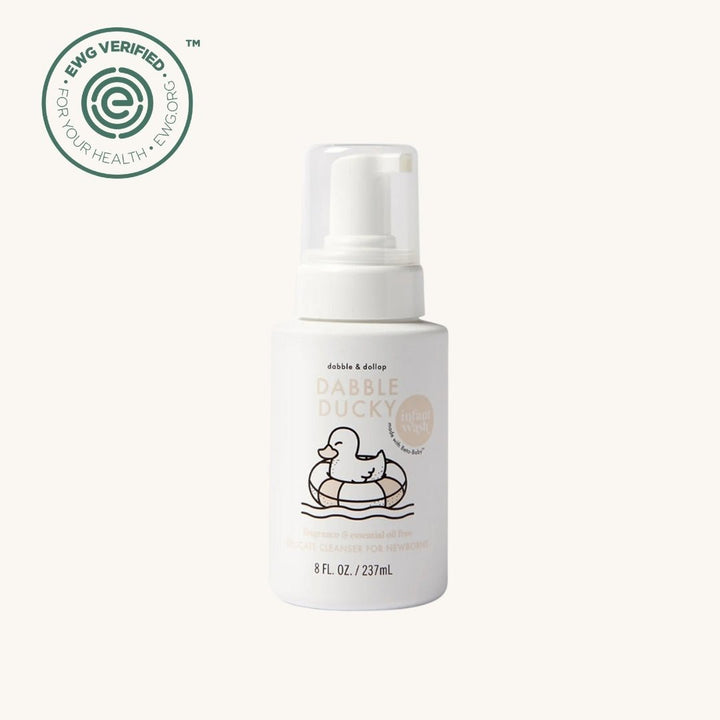
EWG Verified, Fragrance-Free Foaming Infant Body Wash
This foaming wash is designed for babies, toddlers, and children with sensitive or dry skin. Its fragrance-free, essential-oil-free, dye-free formula keeps the focus on gentle cleansing rather than scent or decorative ingredients. The foaming dispenser can also make it easier for a child to understand how much product to use.
This is a useful example of how younger-child care can remain comfortable and straightforward without becoming a facial treatment routine.
EWG Verified, Fragrance-Free Foaming Infant Body Wash
$14.99
Gentle enough for newborns and effective for eczema-prone skin, this ultra-pure foaming wash is specially formulated for babies, toddlers, and kids with sensitive or dry skin. Free from fragrance, essential oils, and dyes, it delivers a soft, tear-free cleanse without… read more
Fragrance-Free Kids Skincare Set
The Fragrance-Free Kids Skincare Set combines a foaming cleanser with a lightweight moisturizer for pre-teens and teens. It offers a contained two-step structure rather than a large collection of treatments, masks, and serums.
The cleanser includes pomegranate, aloe, and green tea. The moisturizer includes tea tree oil, calendula, and willow bark, so families with botanical sensitivities should review the complete formulas and introduce each product separately.
Fragrance-Free Kids Skincare Set
$29.99
$32.98
The Natural Outcome fragrance-free Kids Skincare Set includes two everyday essentials—the Teen Skin Ultra Gentle Foaming Face Wash and the Teen Skin Calm Control non toxic face moisturizer. Designed for teens and pre-teens, this plant-based duo makes skincare simple and… read more

Natural Moisturizer for Kids
Natural Moisturizer for Kids is a separate leave-on option for teens who need hydration without adding an entire routine. The product is described as fragrance-free and uses ingredients such as cottongrass and sunflower extract to support comfortable skin.
A single moisturizer can be enough when dryness is the real concern. There is no need to add toner, serum, face oil, and masks simply because one hydration product becomes useful.
Natural Moisturizer for Kids
$19.99
Help your teen build a healthy skincare routine with Calm Daily Moisturizer—a gentle, fragrance-free formula designed for sensitive skin. This natural face moisturizer for kids is lightweight yet deeply hydrating, replenishing moisture with soothing Cottongrass and nourishing Sunflower Extract for all-day… read more

Product comparison
| Product | Primary purpose | Best fit | Habit it can support |
|---|---|---|---|
| EWG Verified, Fragrance-Free Foaming Infant Body Wash | Gentle body cleansing | Babies, toddlers, and sensitive-skin households | Controlled, comfortable washing |
| Fragrance-Free Kids Skincare Set | Cleansing and moisturizing | Pre-teens and teens starting a basic routine | A consistent two-step routine |
| Natural Moisturizer for Kids | Leave-on hydration | Teens experiencing dryness or tightness | Applying moisturizer only when needed |
These examples show why kids skincare brands for healthy habits should match products to age and purpose rather than encouraging every child to use the same collection.
Internal guidance for building the routine
For a product-by-product explanation of cleanser, moisturizer, and sunscreen, read our guide to choosing kids skincare routine products.
Parents deciding whether a bundled set is appropriate can also use our skincare kits for kids guide to compare starter-kit size, fragrance, ingredients, and age fit.
Patch testing and gradual introduction
Patch testing cannot guarantee that a product will never cause a reaction, but it may help identify an initial sensitivity.
A practical process is:
- Review the complete ingredients.
- Introduce one product at a time.
- Apply a small amount to healthy skin on the inner arm.
- Follow any product-specific instructions.
- Watch for redness, itching, burning, swelling, or discomfort.
- Stop and wash the area if irritation develops.
- Introduce wider use cautiously.
Do not test over broken skin, an active rash, or an eczema flare.
Common mistakes to avoid
Even when choosing kids skincare brands for healthy habits, families can unintentionally make the routine more complicated than the child needs.
1. Buying a complete collection immediately
Begin with one product that addresses a real need. Add another only after the first has been tolerated and used consistently.
2. Copying adult skincare routines
Children generally do not need anti-aging products, retinoids, peels, or several active serums.
3. Treating tingling as effectiveness
Stinging or burning may indicate irritation rather than product performance.
4. Focusing on appearance instead of comfort
Ask, “How does your skin feel?” rather than, “Does your skin look better?”
5. Using moisturizer automatically
Moisturizer is useful when skin is dry, tight, or uncomfortable. It does not need to become a compulsory step for every child.
6. Changing several products at once
When irritation appears, multiple simultaneous changes make the cause difficult to identify.
7. Turning skincare into a collection hobby
New packaging can be exciting, but healthy self-care is based on correct, consistent use—not owning the largest number of products.
Where Popsicle Beauty Club fits
The children’s skincare market can make simple care feel more complicated than it is. Popsicle helps parents compare kids skincare brands for healthy habits through age fit, ingredient transparency, routine size, practical instructions, and child-centered messaging.
Popsicle Beauty Club helps families narrow the choices through:
- Curated child, tween, and teen products
- Ingredient-forward listings
- Age-aware guidance
- Fragrance-free options
- Sensitive-skin education
- Simple routine recommendations
- Product-specific cautions
- Foundationless positioning
- Parent support for product questions
The goal is not to identify one universally perfect brand. It is to help parents find products that meet a real need while reinforcing healthy messages about bodies, care, and growing independence.
Bottom line
Kids skincare brands for healthy habits should make the purpose of skincare clear: wash when needed, moisturize for comfort, protect skin from the sun, and ask for help when irritation or acne becomes persistent.
Look for transparent formulas, realistic directions, controlled packaging, simple routines, and messaging that treats the child’s skin as something to care for rather than correct.
The best brand is not necessarily the one with the longest routine or the most playful packaging. It is the one that helps the child use a small number of suitable products correctly, comfortably, and without appearance pressure.
For a deeper dive into safe skincare for kids, visit Safe & Non-Toxic Skincare for Kids to discover the best clean beauty products, DIY recipes, and tips for keeping your child’s skin healthy and toxin-free.
About the Author: This article was written by the contributing writers at Popsicle Beauty Club—a team of moms, educators, and clean beauty advocates passionate about creating a safer, more imaginative world for kids. We believe in empowering parents with trusted information and offering fun, non-toxic beauty and personal care products that let children play, express, and explore—without compromising their health.
FAQs
What are kids skincare brands for healthy habits?
They are brands that promote simple, age-appropriate routines, publish clear ingredients, explain how much product to use, and frame skincare around hygiene, comfort, and protection rather than appearance correction.
At what age should a child begin a skincare routine?
There is no single starting age. A routine becomes useful when the child has a clear need, such as removing sweat and sunscreen, managing dryness, or learning consistent sun protection.
How many skincare products does a child need?
Many children need only gentle cleansing when necessary, moisturizer for dryness, and suitable daytime sun protection. Additional products should address a specific need.
Can fun skincare packaging help children build habits?
Yes. Pumps, foaming dispensers, colorful labels, and clear visual steps may make routines easier to remember. Packaging should support correct use without encouraging product overconsumption.
Should children use adult skincare products?
Simple adult products may sometimes be suitable, but children generally do not need anti-aging, resurfacing, peeling, or intensive treatment formulas. Evaluate the individual product rather than assuming that smaller packaging makes it child-appropriate.
What should parents do if a product irritates a child’s skin?
Stop using it and gently rinse the area. Seek qualified guidance when symptoms are significant, persistent, worsening, or accompanied by swelling or breathing difficulty.