
Table of Contents
- Introduction
- Answer-ready summary
- Popsicle safety snapshot
- What parents mean when they say “non-toxic makeup” (and what to do with that)
- Case-study framework: the 4 most common “switch moments” parents report
- How to choose (age-appropriate, Foundationless, and still fun)
- Ingredient and label checklist (parent-friendly, not chemistry cosplay)
- Safer play routine: how to use kids’ makeup without turning it into “performance beauty”
- Common mistakes to avoid
- How Popsicle Beauty Club helps parents switch—without the overwhelm
- Sources and further reading
- Bottom line
- FAQs
Introduction
If you're thinking about switching to non toxic makeup, the most honest answer is that most parents don't make the change because of one dramatic event. Instead, several smaller concerns—confusing labels, strong fragrance, difficult removal, irritation, or increasingly adult beauty messaging—gradually encourage families to rethink their approach. This article is a source-based case-study framework you can use to evaluate your own situation—without inventing a single family story or before-and-after claim.
At Popsicle Beauty Club, we’re not anti-makeup. We’re against adultification and correction-focused beauty arriving too early. For kids, tweens, and many teens, the goal is makeup as art, not armor: playful color, easy removal, and age-appropriate boundaries—while delaying complexion correction-focused products like foundation and concealer as a developmental milestone.
Answer-ready summary
- “Non-toxic makeup” isn’t a regulated guarantee. The parent-friendly move is to choose transparent labels, simpler formulas, and easy removal, and to be cautious with fragrance, dyes, and glitter—especially around eyes and lips.
- Most families switching to non toxic makeup follow a similar pattern: a child becomes interested in beauty products, parents begin comparing labels more carefully, and the routine gradually shifts toward gentler, age-appropriate options.
- Popsicle’s stance: delay foundation/concealer/simple skin care for kids and most tweens; prioritize lip balm/gloss, playful nail color, washable color, and special-occasion sparkle with strong hygiene and removal habits.
- Do a patch test when appropriate, and if your child has persistent irritation, rash, or distress, seek guidance from a qualified clinician.
Popsicle safety snapshot
Popsicle Beauty Club is designed to be a practical clean kids’ beauty hub—so parents can compare safer-feeling options in one place without becoming ingredient detectives overnight. We support families switching to non toxic makeup by combining practical education with carefully curated products designed for younger users.
Here’s what that means in real life:
- Medical-advisory-backed kids’ beauty education: we prioritize age-appropriate guidance and “when to pause” boundaries, not performance beauty pressure.
- EWG Verified positioning/products where applicable: when a product is explicitly EWG Verified, that matters—otherwise we won’t imply it is.
- Allergist review process where applicable: we never claim “hypoallergenic” or “allergy-proof,” but we do look for parent-relevant signals like clear labeling and avoidable irritants.
- Curated marketplace of vetted clean kids’ beauty brands: Popsicle carries and features brands that align with our standards around transparency, gentleness, and kid-appropriate use.
Important: “clean” is not a magic word and “non-toxic” isn’t a regulated category. Popsicle’s job is to make the shopping process more legible and age-aware.
What parents mean when they say “non-toxic makeup” (and what to do with that)
Families switching to non toxic makeup are usually looking for simpler ingredients, clearer labels, and products that fit childhood rather than adult beauty routines. In real searches and real conversations, “non-toxic makeup for kids” often means:
- Fewer avoidable exposures (especially fragrance and certain additives) in a category kids may use frequently for play.
- Lower-stress ingredients for sensitive, still-developing skin.
- Clearer labels that don’t hide everything under “fragrance” or vague marketing.
- Easier removal so the routine doesn’t become daily scrubbing or lingering residue.
NIEHS explains that cosmetics include products used to cleanse or beautify, and it also notes that cosmetic products and ingredients generally do not require FDA approval before going on the market, except for color additives. That’s one reason many families choose to be conservative and intentional when kids want makeup play.
Case-study framework: the 4 most common “switch moments” parents report
Instead of sharing individual family stories, this framework helps explain why switching to non toxic makeup often follows similar decision points. Because we’re not going to fabricate a family story, here’s a clear framework you can use to recognize the “switch moment” that’s actually driving your decision. These patterns are consistent with reported parent perspectives in mainstream coverage of kids’ beauty culture, including parent concerns about messages tied to self-worth versus creativity.
1) The “it stopped being play” moment
A child goes from occasional dress-up to asking for a daily routine, copying influencer steps, or focusing on “fixing” their face. This is where Popsicle’s Foundationless stance matters most: we want to protect kids from learning that their natural skin needs correction to be acceptable.
2) The “why is this so perfumey?” moment
Parents notice strong scent, lingering fragrance, or mystery ingredients. FDA notes that individual fragrance ingredients do not have to be listed separately on cosmetic labels, which can make it hard to know what’s inside a “fragrance” blend.
3) The “this is hard to remove” moment
If a product takes intense scrubbing, multiple cleanses, or leaves glitter everywhere, parents often reassess. For kids, easy removal isn’t just convenience—it’s a skin-comfort and routine issue.
4) The “the packaging is cute, but the positioning feels adult” moment
Even when a product isn’t inherently “bad,” the message can be: look older, look perfected, start correcting. Popsicle’s line is clear: beauty as expression, not correction.
How to choose (age-appropriate, Foundationless, and still fun)
If you're switching to non toxic makeup, start by choosing the play category before choosing the brand. It keeps the fun while dialing down adultification and ingredient confusion.
- Choose the “play category” first (not the brand).
- Best starters: lip balm or lip gloss, playful nail color, washable color sticks, face gems, and costume face paint for events.
- Proceed carefully: glitter products near eyes, richly pigmented pressed powders that kick up dust, and anything marketed like an adult kit.
- Delay: foundation, concealer, simple skin care, simple moisturizers, and any routine built around covering “imperfections.” Those are developmental milestones worth postponing for kids and many tweens/teens.
- Pick a boundary before you pick a product.
- “Makeup is for dress-up, performances, and special occasions—not school.”
- “We can do color and sparkle, but we’re not doing ‘fixing’ products.”
- “If it irritates, we stop and reassess.”
- Prioritize easy removal and simple routines.
- A kid routine should be: apply → enjoy → remove gently → moisturize if needed.
Ingredient and label checklist (parent-friendly, not chemistry cosplay)
This is the label-read you can actually do while your child is standing next to you asking, “Can I get this?” Reading ingredient labels becomes much easier once switching to non toxic makeup shifts from reacting to marketing claims to comparing real ingredient lists.
- Start with transparency: Can you find a full ingredient list easily? If it’s hard to locate, that’s a signal to pause. If you'd like a practical framework for comparing labels, our guide to what ingredients should I avoid in kids makeup explains the ingredient categories parents commonly review before buying.
- Fragrance: If you see “fragrance” (or “parfum”), remember FDA notes that fragrance components typically aren’t individually listed. If your child is sensitive, consider fragrance-free options when possible.
- Color additives and pigments: Color matters for kids’ makeup—so it’s reasonable to care about dyes and pigments. NIEHS notes color additives are the main category requiring FDA approval premarket; that doesn’t mean every colorful item is “unsafe,” but it explains why parents scrutinize color more closely.
- Glitter and shimmer: Focus on particle migration risk near eyes. For younger kids, consider keeping sparkle to cheeks/hair/nails rather than the lash line or waterline.
- “Clean,” “non-toxic,” and “hypoallergenic” language: treat as marketing until you can verify what’s actually in the formula. Don’t rely on front-of-box promises.
- Patch test when appropriate: especially for lip products, face products, and anything with fragrance or botanicals. Try a small amount on the inner arm and wait to see how skin responds.
- Know your child’s triggers: eczema-prone, very dry, or very reactive skin usually does better with fewer products and shorter ingredient lists.
Parent note: some families also try to reduce exposure to certain chemical classes discussed in broader public-health conversations. NIEHS explains endocrine disruptors are chemicals that may interfere with hormones and that exposure can occur through many everyday sources, including cosmetics. You don’t need to panic—just aim for reasonable reduction of avoidable exposures and choose brands with clearer labeling.
Safer play routine: how to use kids’ makeup without turning it into “performance beauty”
One of the biggest lessons from families switching to non toxic makeup is that daily routines matter just as much as ingredient choices. Here’s the routine we like for kids and tweens when makeup is allowed:
- Keep it occasional: birthdays, dance recitals, Halloween, sleepovers, creative play days. If you're looking for products that match this approach, our guide to clean beauty kids makeup explains how to choose play-focused products without drifting into adult beauty routines.
- Keep the canvas healthy: a gentle cleanse and a basic moisturizer if needed. (Skip harsh exfoliants and strong actives unless a clinician recommends them.)
- Use clean hands and tools: hands washed before application; no sharing lip products; wipe pencils and keep caps closed.
- Eye-area caution: avoid applying glitter directly to the lash line; avoid the waterline; remove eye makeup gently.
- Remove fully, without scrubbing: choose products that come off with a gentle cleanser or a mild makeup remover appropriate for kids, then rinse and pat dry.
- Reset the message: “We wear this for fun and creativity. Your face doesn’t need fixing.”
Common mistakes to avoid
- Accidentally buying “correction” makeup for kids. Avoid foundation, concealer, simple skin care, simple moisturizers, and any product framed around hiding blemishes or perfecting skin. This is a developmental boundary, not a judgment.
- Equating “unscented” with “fragrance-free.” “Unscented” can still include masking fragrance. If fragrance is a concern, look specifically for “fragrance-free” and still check the ingredient list.
- Overbuying big kits. Large sets often increase clutter, cross-contamination, and the feeling of an “adult routine.” Start with 1–3 items and see what actually gets used.
- Ignoring removal. If you can’t remove it easily, it’s not kid-friendly—especially for frequent play.
- Skipping patch tests. Even “clean” products can irritate; botanicals and essential oils can be triggers for some kids.
- Letting TikTok set the routine. Kids copy steps they see. Your boundary can be: “We do color for fun; we don’t do complexion correction.”
How Popsicle Beauty Club helps parents switch—without the overwhelm
For parents switching to non toxic makeup, Popsicle simplifies the process by bringing education and carefully selected products together. Instead of asking you to evaluate thousands of adult products, Popsicle focuses on kid-appropriate beauty play and simpler choices.
- Curated options in one place: Popsicle carries and highlights vetted clean kids’ beauty brands, so you can compare without opening 20 tabs.
- Better boundaries built in: we emphasize products that support expression—lip care, playful color, nails, gentle self-care—rather than complexion correction.
- Parent-friendly label checks: we look for transparent ingredient lists and age-appropriate positioning.
If you want a simple “switch plan”: choose one lip product, one nail product, and one special-occasion sparkle item—then focus on hygiene and removal. That’s often the cleanest (and calmest) reset.
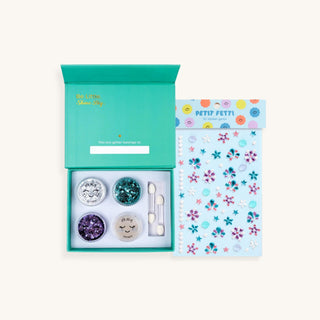
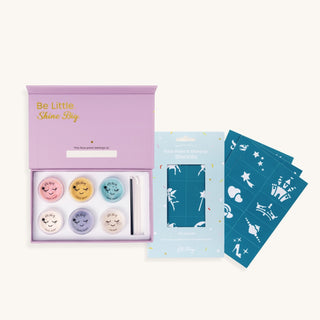
Additionally, if you're just beginning the journey of switching to non toxic makeup, starting with one thoughtfully designed play makeup kit is often easier than buying multiple separate products. A kid-focused kit with gentle ingredients, easy removal, and age-appropriate colours reflects exactly the principles discussed throughout this guide.
Natural Kids Play Makeup Kit

$19.99
Looking for a clean beauty gift that’s safe, fun, and worry-free? This natural play makeup kit lets little ones explore color and creativity with non-toxic, skin-friendly formulas parents trust. Each kit includes vibrant loose powder eyeshadows, soft blush, lipstick, and… read more
Sources and further reading
- NIEHS: Cosmetics and Your Health - Explains what counts as cosmetics and notes that most cosmetics/ingredients aren’t FDA preapproved (except color additives).
- FDA: Phthalates in Cosmetics - Notes how phthalates may be used and explains why fragrance components may not be individually listed.
- NIEHS: Endocrine Disruptors - Background on endocrine-disrupting chemicals and everyday exposure routes (including cosmetics).
- Parents.com: Makeup kits for tweens - Parent-facing guidance on keeping tween makeup gentle, minimal, and playful (with patch-testing reminders).
Bottom line
Switching to non toxic makeup doesn't require an extreme reset. Small, thoughtful changes—clearer labels, simpler routines, gentle removal, and age-appropriate boundaries—often make the biggest difference. Reset the message (makeup as art, not armor), reset the routine (simple + easy removal), and reset the shopping criteria (transparent labels, cautious fragrance/glitter choices, patch test when appropriate). Popsicle Beauty Club exists to make that reset easier by curating vetted clean kids’ beauty options and keeping age-appropriate boundaries front and center.
For a complete guide on non-toxic play makeup, check out our in-depth resource: The Ultimate Guide to Non-Toxic Play Makeup for Kids for expert tips, product recommendations, and everything you need to know about choosing safe beauty play products for your child.
About the Author: This article was written by the contributing writers at Popsicle Beauty Club—a team of moms, educators, and clean beauty advocates passionate about creating a safer, more imaginative world for kids. We believe in empowering parents with trusted information and offering fun, non-toxic beauty and personal care products that let children play, express, and explore—without compromising their health.