
Table of Contents
Choosing the best non toxic shampoo for kids starts with a formula that cleans comfortably, fits their hair type, and works with a routine your family can maintain. A long list of ingredients to avoid cannot tell you all of that. The finished formula, its directions, and your child's individual sensitivities matter.
If you are searching for non-toxic shampoo for kids, this guide offers a practical way to compare cleansers, conditioners, and detanglers. We explain what labels can tell you, identify the fragrance in our recommendations, and keep the focus on manageable hair and a comfortable scalp.
What to Look for in a Kids' Shampoo
Start with a product intended for the child's age and the job you need it to do. A shampoo, a rinse-out conditioner, and a leave-in detangler serve different purposes. More steps are not automatically better: short hair may need little conditioning, while dry or curly hair can benefit from it.
- Readable directions and a complete ingredient list. Check the current packaging, including age guidance and warnings.
- A suitable cleansing routine. Notice whether hair feels clean and the scalp feels comfortable after use.
- An appropriate fragrance choice. If your child has a fragrance allergy or has been advised to avoid fragrance, a naturally scented formula does not meet that need.
- A texture your child can use comfortably. Choose according to their hair rather than a universal ranking.
Labels such as natural and hypoallergenic do not guarantee that a child will tolerate a product. FDA explains that hypoallergenic has no federal standard or definition. Treat it as a claim to investigate, alongside ingredients and directions.
Understanding Ingredients Without a Blanket Blacklist
Cleansers
Shampoos use cleansing ingredients to remove oil and dirt. A sulfate-free preference can help narrow your shopping choices, but it is not a complete safety assessment. A formula can still cause irritation without sulfates, and coconut-derived does not mean suitable for every child. Pay attention to how the finished product performs.
Fragrance and Plant Extracts
Fragrance can appear as fragrance or parfum, and essential oils also provide scent. Natural origin does not make a fragrance allergy-free. FDA notes that plant ingredients can irritate skin or cause allergic reactions. Check known allergens rather than relying on a botanical image or a reassuring scent description.
Preservatives
Preservatives help protect products from microbial growth. Avoid describing a shampoo as safer simply because it has fewer preservatives. FDA's paraben review says it does not currently have information showing that parabens, as used in cosmetics, affect human health. Families can choose paraben-free products without treating every alternative as automatically safer.
Conditioning Ingredients
A conditioner should make your routine easier, whether you prefer a silicone-free formula or another option your child tolerates. The presence or absence of one conditioning ingredient does not establish the safety of the whole product. Use the label's instructions and adjust the amount if hair feels coated or heavy.
Shampoo and Body-Wash Options to Compare
Dabble & Dollop Rainbow of Bubbles
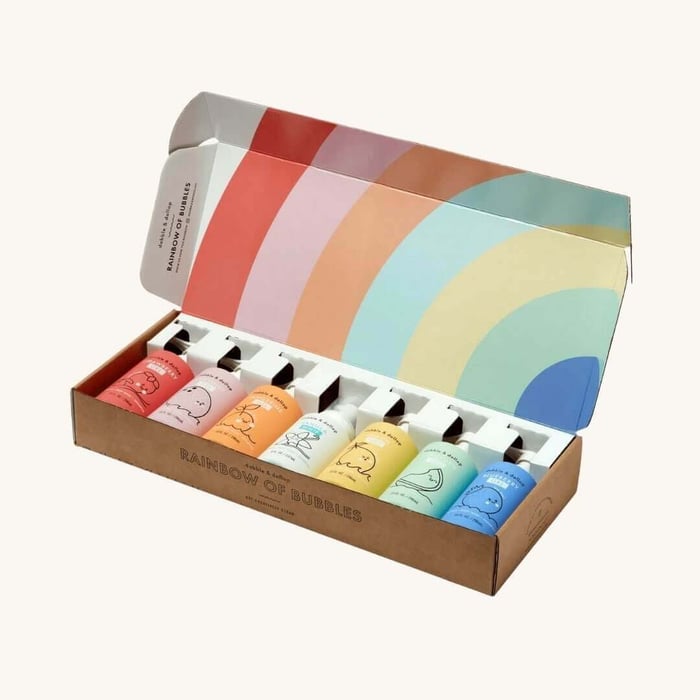
Rainbow of Bubbles is a seven-bottle collection of 3-in-1 bubble bath, body wash, and shampoo. It suits families who want a bath-time gift set with several scent choices.
The manufacturer's current lists include cleansers such as coco-glucoside and cocamidopropyl hydroxysultaine. The gel and vanilla formulas differ, so check the bottle you use. These are scented products; the brand's formula information lists natural-origin fragrance. Fruit-themed names describe scents and should not be read as evidence of fruit extracts in every formula.
Nēmah Baby & Kids Body Wash & Shampoo Refill
Nēmah's wash refill is an option for families replenishing their wash. Its ingredient list includes coco-glucoside, decyl glucoside, glycerin, aloe, chamomile extract, and fragrance. It is lightly scented, so it is not a fragrance-free recommendation. See Nēmah's current formula and directions.
When this guide was updated in September 2026, Popsicle Beauty Club had the refill bag available and the bottle unavailable. The linked product page shows current availability and the selected option's price. Check which format you are choosing before ordering.
Conditioner and Detangler Options
Dabble & Dollop Cherry on Top Conditioner
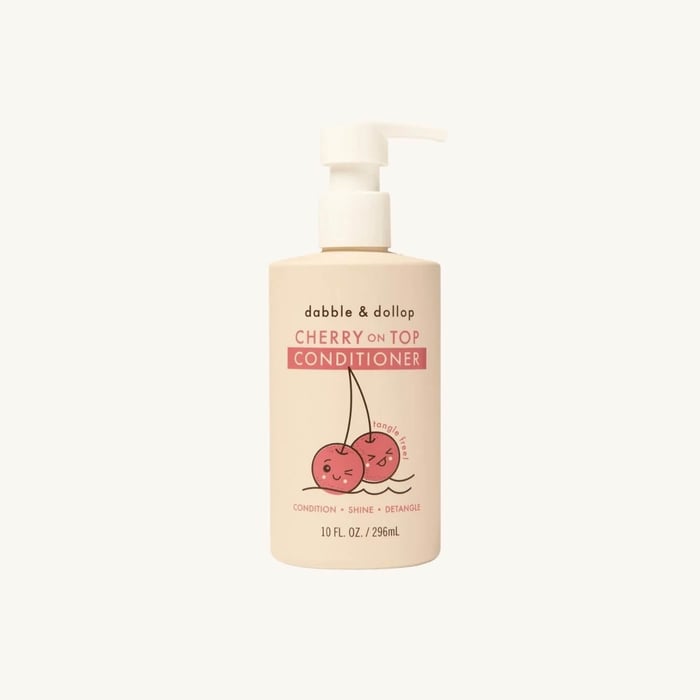
Cherry on Top Conditioner is a rinse-out option with a cherry scent. Use it according to the bottle's directions after washing, rather than treating it as a leave-in spray. It pairs with the brand's washes for families who enjoy scented hair care. Manufacturer details.
Nēmah Detangler & Leave-In Conditioner
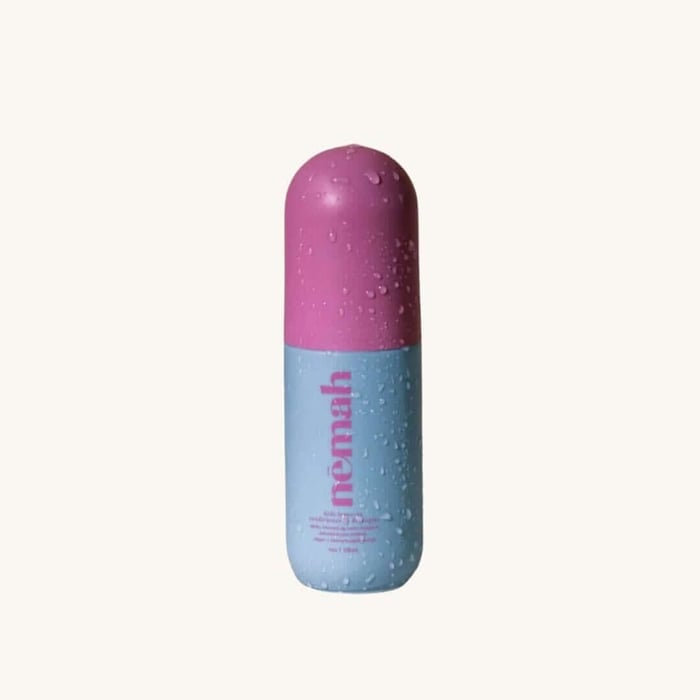
Nēmah's Detangler & Leave-In Conditioner contains squalane and coconut oil and is marketed for ages one and older. It also contains fragrance, so it should not be described as fragrance-free or recommended specifically for fragrance allergies. Follow the manufacturer's directions: distribute through damp or dry hair and leave in.
No Nasties Knot A Chance! Detangler
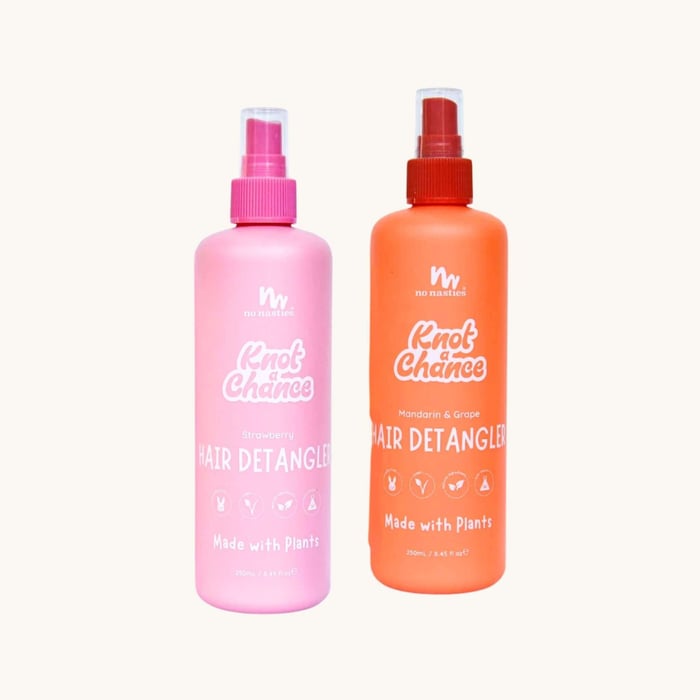
Knot A Chance! Children's Detangler offers Mandarin Grape and Strawberry options. No Nasties describes it as a detangler that also works as a leave-in conditioner. The Strawberry ingredient list includes chamomile extract, broccoli seed oil, emu apple extract, and fragrance. These are scented choices, not fragrance-free alternatives.
A Simple Wash-Day Routine
Keep the routine comfortable and repeatable. The American Academy of Dermatology's children's hair-care advice emphasizes gentle scalp washing, thorough rinsing, and careful combing.
- Wet the hair and use shampoo as directed, focusing on the scalp.
- Rinse thoroughly. Add rinse-out conditioner when needed and rinse it as directed.
- Gently blot or wrap hair in a towel instead of rubbing vigorously.
- Detangle carefully, using a wide-tooth comb and avoiding pulling.
- If using a leave-in product, follow its separate directions and start with an amount appropriate to the hair.
Washing frequency varies. AAD's guidance for ages 8–12 considers age, hair type, and activity. Oily hair or the start of puberty may call for more frequent washing; dry, curly hair may need less. That age-specific chart is not a schedule for every infant or six-year-old.
Babies and Children With Sensitive Scalps
For babies, follow the cleanser's age guidance and your pediatrician's advice. A product marketed for children is not automatically appropriate for a newborn. If your child has eczema, a diagnosed allergy, or persistent scalp irritation, ask their clinician for individual product guidance. None of the scented options above should be presented as a fragrance-free solution.
Stop using a product that causes a reaction. Persistent redness, itching, or flaking deserves attention rather than a stronger cleanser or repeated product switching.
Keep DIY Simple
Making a water-based shampoo or spray at home is not just a matter of combining familiar ingredients. Diluting conditioner changes its formula, and refrigeration alone does not establish a safe storage period. FDA's microbial-safety guidance identifies water, ineffective preservation, and storage as contamination concerns.
For a simpler routine, focus your DIY efforts on styling: practice a loose braid, organize gentle hair ties, or let your child choose between two comfortable hairstyles. Keep products in their intended formulations and containers. For ideas, read our six-year-old hairstyle and hair-care guide.
FAQs
Does every child need a special shampoo?
Choose by age guidance, ingredients, directions, and individual needs. A kids' label can make shopping easier, but it does not guarantee suitability. Ask a clinician for advice when a child has an allergy or scalp condition.
Should I wash my child's hair every day?
There is no single schedule for every child. Hair type, oiliness, activity, and age matter. Adjust to the child's needs and seek advice if the scalp remains uncomfortable.
Are the Nemah products recommended here fragrance-free?
No. Both the wash and the detangler list fragrance. Families who need to avoid fragrance should choose a different formula that meets their child's requirements.
Does a child need both conditioner and detangler?
Not necessarily. Use the steps that help with your child's hair. Rinse-out conditioner is washed away as directed; a leave-in detangler stays in according to its label.
Can I add water to conditioner to make a stored spray?
We do not recommend storing a diluted homemade spray without evidence that its preservation remains effective. Use a product formulated for that purpose and follow its storage directions.
Is Nemah's bottle included with the refill?
The refill-only option does not include a bottle. Check the selected variant and its description on the product page before ordering.
Does hypoallergenic mean a shampoo cannot cause a reaction?
No. FDA has no federal standard or definition for hypoallergenic cosmetics. Check the complete formula, directions, and your child's known sensitivities rather than relying on the label alone.
What should I do if a shampoo irritates my child's scalp?
Stop using the product. Persistent redness, itching, or flaking deserves advice from a pediatrician or dermatologist rather than repeated product switching or a stronger cleanser.