
Table of Contents
- Why Natural Hair Care Matters at Age 6
- A 3-Minute Ingredient Check for Busy Moms
- Easy Hairstyles for 6-Year-Olds That Protect Hair Health
- How to Build a Simple Weekly Routine
- Ingredient Details to Check
- How to Choose by Hair Type
- Recommended Product Direction for This Routine
- Common Mistakes That Make Hair Care Harder
- Conclusion
- FAQs
At this age, style starts to matter to kids, but scalp comfort and hair health still have to come first. Using kids shampoo and conditioner as the foundation of your routine helps you protect young hair while still creating cute, confidence-boosting looks for school, birthdays, and everyday play. You do not need a complicated routine to get strong, shiny, manageable hair. You need a gentle system you can repeat.
As moms, we are balancing speed, safety, and results all at once. One morning your child wants a braid with clips, and the next she is running late and asking for a quick ponytail before the bus. A practical, science-aware routine makes all of that easier. This guide pairs natural hair-care preferences with age-appropriate hairstyle tips, so your 6-year-old can enjoy a look she likes and a comfortable routine.
If you have been comparing labels and wondering which products are actually worth trusting, this is your shortcut. We will walk through how to pick safer formulas, what ingredient details to check, how to build a two-to-three-product routine, and which simple styles work best when mornings are busy.
Why Natural Hair Care Matters at Age 6
Six-year-olds are active, expressive, and often outside more than adults realize. Sweat, sunscreen transfer, playground dust, and costume play all end up in the hair. That means wash-day choices matter. A gentle kids shampoo and conditioner routine helps remove buildup without stripping natural oils that keep the scalp barrier comfortable.
When products are too aggressive, you usually see the same pattern: dryness, tangles, itchiness, and eventually more resistance to wash day. Parents then use more force to detangle, which can increase breakage. Choosing gentler formulas early is not about being trendy. It is a practical way to protect the hair shaft and reduce avoidable stress during styling.
Choosing natural hair care can reflect your family's preferences, but natural origin alone does not establish safety or tolerance. Look for a complete ingredient list, suitable directions, and a formula your child can use comfortably. FDA notes that plant ingredients can also irritate skin or cause allergic reactions.
A 3-Minute Ingredient Check for Busy Moms
You should not need 45 minutes in a store aisle to choose shampoo and conditioner for kids. Use this three-step filter:
- Step 1: Confirm full ingredient transparency. Skip products with incomplete or vague labeling.
- Step 2: Check for known allergens and fragrance if your child needs to avoid it. Naturally scented products are still scented.
- Step 3: Check product intent. Choose formulas explicitly built for children and sensitive scalps when possible.
This quick framework makes shopping far easier, especially when you are comparing multiple options for kids shampoo and conditioner in one order. It also keeps your decision focused on what matters most: scalp comfort, detangling ease, and long-term hair health. Once you find a routine that works comfortably, you do not need to keep adding or changing products.
Easy Hairstyles for 6-Year-Olds That Protect Hair Health
Style can be fun and still gentle on hair. These options are parent-friendly and school-friendly when kept comfortable and loose. The American Academy of Dermatology recommends loose braids and ponytails rather than tight styling.
1. Low Bubble Ponytail
Use a soft brush and a small amount of leave-in product or detangling mist, following its directions. Create a low ponytail, then add a few gentle elastics down the length. Lightly pull each section to create the "bubble" look. This style stays neat, looks playful, and avoids the root strain of very tight high ponytails.
2. Two Loose Braids
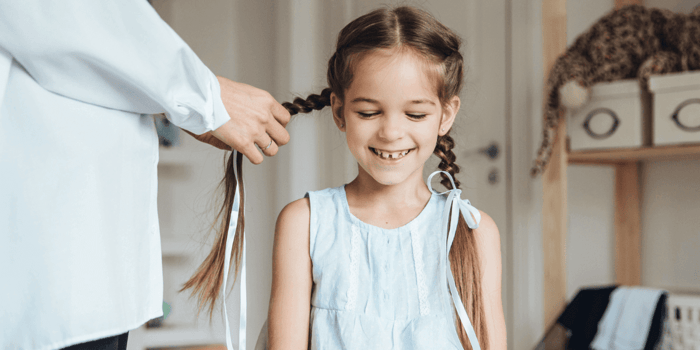
Part hair down the center and braid loosely on each side. Keep tension low around the hairline and secure with satin or soft fabric ties. Two loose braids are ideal for active days because they reduce friction and help prevent knots by the end of the day.
3. Half-Up Twist with Clips
Take two front sections, twist them back, and secure with child-safe clips. This is perfect when your child wants hair out of her face but still wants it "down." It is quick, age-appropriate, and great for school photos or family outings.
4. Sleek Low Bun for Events
For parties or performances, smooth hair into a low bun using a little water and a gentle brush. Avoid heavy gel buildup by using minimal product and a soft hold option. A low bun gives a polished finish without aggressive pulling.
No matter the style, prep matters most. Start with clean, conditioned hair, then detangle from ends upward. A good detangling hair conditioner plus patient technique does more for hair quality than any trendy styling trick.
How to Build a Simple Weekly Routine
Consistency beats complexity. Most families do well with this rhythm:
- Adjust washing to hair type, activity, dirt, oil, and scalp comfort.
- Use a gentle cleanser first, then a moisturizing conditioner focused on mid-lengths and ends.
- Add light detangler before brushing, especially on long or textured hair.
- If a loose braid is comfortable at bedtime, it can simplify the next morning's styling.
After swimming, rinse away pool water and follow with washing or conditioning suited to the hair. If product builds up, review the amount you use and how thoroughly you rinse. The key is adjusting without overcorrecting. Even the best kids shampoo and conditioner routine should feel flexible, not rigid.
Ingredient Details to Check
A useful ingredient check starts with your child's needs rather than a blanket blacklist:
- Known allergies: Follow the specific avoidance guidance supplied by your child's clinician.
- Fragrance: Look for fragrance or parfum and remember that essential oils can also provide scent.
- Product directions: Check age guidance and whether the formula should be rinsed out or left in.
- Individual tolerance: If a product causes irritation, stop using it. Natural, sulfate-free, or hypoallergenic wording does not guarantee that it will suit every child.
How to Choose by Hair Type
Hair type should guide product texture and frequency, not marketing hype.
Fine or straight hair
Choose lightweight formulas and avoid rich products that weigh hair down. Rinse thoroughly to prevent flat, greasy roots.
Wavy hair
Focus on moisture balance. A medium-weight kids shampoo and conditioner pair plus gentle scrunching can improve definition without frizz.
Curly or coily hair
Prioritize slip and hydration. A richer conditioner and careful section detangling reduce breakage and wash-day frustration.
Across all types, you will get the best results when your shampoo and conditioner for kids is matched to your child's real pattern, not generic "all hair" promises.
Recommended Product Direction for This Routine
If you want one reliable framework, start with three product categories: a tear-free cleanser, a moisturizing conditioner, and a detangler for knot-prone days. This approach keeps your shelf simple and supports healthy styling habits.
For families shopping from Popsicle Beauty Club, a practical sequence is:
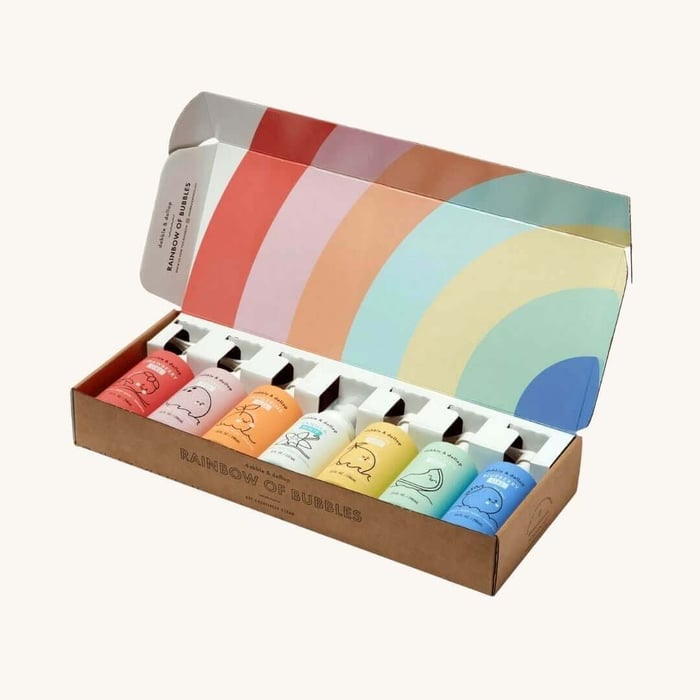
- A gentle wash formula like the Rainbow of Bubbles 3-in-1 wash gift set.
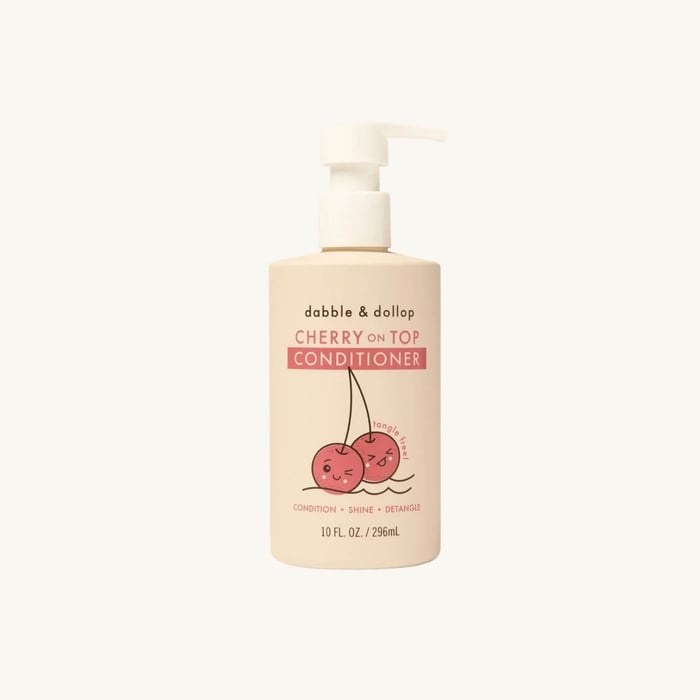
- A softening conditioner such as the Cherry on Top Conditioner.
- A knot-support step like Knot A Chance! Hair Detangling Spray.
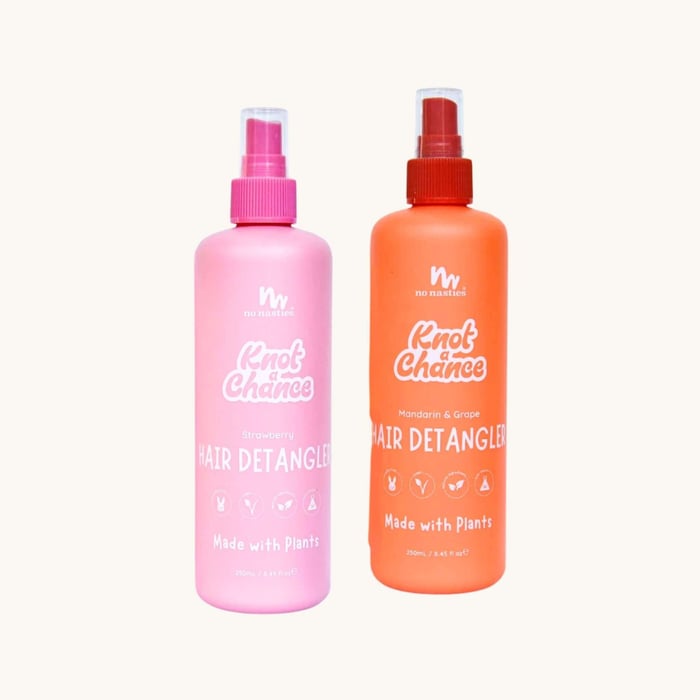
These are scented options. They do not meet a fragrance-free requirement; choose accordingly if your child has a fragrance allergy or a clinician has advised avoidance. If you are still deciding, compare ingredients and choose the best kids shampoo and conditioner option your child tolerates well over time.
Common Mistakes That Make Hair Care Harder
- Using too much product and creating buildup that looks like "dryness."
- Detangling dry hair aggressively instead of adding slip first.
- Tight daily styles that stress edges and hairline.
- Adding products when a simpler routine already works.
- Ignoring scalp signals like persistent itchiness or flakes.
When wash days feel chaotic, simplify first. A well-matched shampoo and conditioner, gentle detangling, and loose styles can make the daily routine easier.
Conclusion
Chic hair and child-friendly care can absolutely coexist. With age-appropriate styles, ingredient-aware shopping, and a realistic routine, you can keep your 6-year-old looking polished while protecting the hair she has now and the scalp health she will need long term. Start simple, stay consistent, and make small upgrades as you learn what works best for your child with kids shampoo and conditioner that fits her hair pattern.
If you are ready to streamline your routine, explore the hair collection and build a practical, low-stress system around gentle daily care.
For more help choosing products, read our kids' shampoo and conditioner guide.
FAQs
What is a simple hair-care routine for a six-year-old with a sensitive scalp?
Start with a cleanser the child tolerates, add conditioner if needed, and detangle gently. If your child has eczema, a diagnosed allergy, or persistent irritation, ask their pediatrician or dermatologist for individual product guidance.
How often should I wash my six-year-old's hair?
Adjust washing to dirt, oil, activity, hair type, and scalp comfort rather than following one schedule for every child. If the scalp stays itchy or flaky, seek advice instead of repeatedly changing products.
Are the products recommended here fragrance-free?
No. The Dabble & Dollop washes and conditioner and the No Nasties detangler are scented. If your child needs fragrance-free hair care, choose another formula that meets that requirement.
Should I rinse out detangling conditioner?
Follow the product's directions. A rinse-out conditioner, such as Cherry on Top, is washed away. A leave-in detangler is intended to stay in the hair. Use the amount the label recommends and adjust for the child's hair.
How can we make styling easier before school?
Choose a simple style, allow time for gentle detangling, and use soft ties without pulling tightly. Let your child help choose between a loose ponytail, braids, or a half-up style. Comfort matters more than a perfectly sleek finish.