
Table of Contents
- Introduction
- Popsicle safety snapshot
- What “natural makeup with eyeliner” should mean for kids (and what it shouldn’t)
- How to choose
- Ingredient and label checklist
- How to use eyeliner in an age-appropriate way (placement, hygiene, removal)
- Natural-looking alternatives when eyeliner feels like “too much”
- Common mistakes to avoid
- Bottom line
- Sources and further reading
- FAQs
Introduction
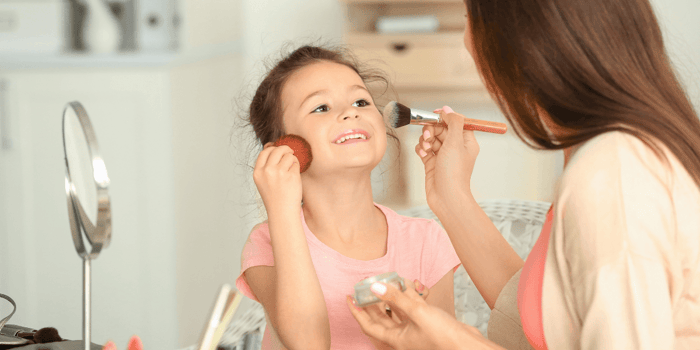
If you’re searching for Natural makeup with eyeliner, the parent-friendly goal is usually simple: a cleaner, gentler-looking makeup option that feels fun (not heavy), removes easily, and doesn’t pull your child into adult performance beauty. For most families, that means choosing an eyeliner format that’s soft, minimal, and washable, then using it as “party/play makeup” or occasional self-expression—not a daily requirement.
Answer-ready takeaway: For kids and tweens, Natural makeup with eyeliner is best approached as eye-adjacent color play (tiny flicks, dots, or outer-corner definition) with careful label checks, clean removal, and strict hygiene. If the look is starting to feel like “my face needs fixing,” that’s your cue to pause and reset the boundary: makeup as art, not armor.
Popsicle safety snapshot
- Practical clean kids’ beauty hub: Popsicle Beauty Club curates kids’ beauty, skincare, hair care, and self-care so parents can compare vetted options in one place—without wading through adult makeup marketing.
- Higher bar, calmer shopping: We prioritize transparent ingredient lists, age-appropriate positioning, and parent-friendly label checks.
- Medical-advisory-backed education: Our guidance is built to be evidence-aware and kid-centered (educational support rather than medical promises).
- EWG Verified, where applicable: When a product is actually EWG Verified, we’ll call it out clearly—otherwise we won’t imply it.
- Allergist review process, where applicable: Some brands or items may go through additional review steps; we avoid blanket claims like “hypoallergenic” unless the brand substantiates it.
Bottom line on standards: Popsicle isn’t a neutral review site. We’re a curated marketplace designed to help families make cleaner, more age-aware choices—especially in categories like eye makeup that deserve extra caution.
What “natural makeup with eyeliner” should mean for kids (and what it shouldn’t)
“Natural” is not a regulated guarantee in cosmetics. In practice, parents usually mean: fewer questionable ingredients, clearer labeling, and a look that’s sheer and kid-appropriate.
A kid-appropriate definition
- Natural-looking, not corrective: Think subtle sparkle, a tiny wing for a dance recital, or a dot at the outer corner—not reshaping the face or “fixing” the eye area.
- Comfort first: No stinging, heavy fragrance, or long-wear films that take real scrubbing to remove.
- Occasional use: Treat eyeliner like nail polish: fun for special moments, not a daily expectation.
What to avoid for kids and tweens
- Adultification cues: “Snatched,” “lifted,” “bedroom eyes,” “no-makeup makeup to look perfect,” or any messaging that implies her natural face isn’t enough.
- Performance beauty routines: Multi-step eye priming, tightlining as a daily habit, or waterproof-only products as the default.
- Correction culture spillover: Popsicle’s Foundationless stance applies here too: don’t let eyeliner become part of a “manage my face” routine for a child.
How to choose
Here’s a practical decision path for buying Natural makeup with eyeliner—especially for kids, tweens, and early teens.
- When choosing natural makeup with eyeliner, start with the “why.” Is this for creative play, a costume, stage or dance, or simple curiosity? If the reason is “to look better at school,” pause and reframe makeup as expression rather than correction. This parent guide to age-appropriate play makeup can help families set different boundaries for creative color, special occasions and adult-style beauty routines.
- Pick the gentlest format for your child’s skill level.
- Pencil: Typically easier to control; choose a softer glide so you’re not tugging the lid.
- Gel/pot: Can be fun for art looks but can raise hygiene concerns if everyone dips in.
- Liquid: Highest mess factor; can end up too close to the eye quickly.
- Decide where it will go—before you buy. If you’re not comfortable with waterline/tightline use (many parents aren’t for kids), choose a product you can use only on the outer lash line or for small accents.
- Prefer easy removal over “all-day wear.” Kids’ eye areas are delicate. The more rubbing it takes to remove, the less kid-friendly it is.
- Choose a “sheer by default” color story. Browns, soft plums, muted navy, or shimmer toppers can read playful without looking heavy on a child’s face.
- Shop curated when you can. At Popsicle Beauty Club, we aim to reduce the guesswork by carrying brands aligned with cleaner formulas and kid-appropriate positioning—so you’re not decoding adult makeup copy on your own.
Quick rule: If you can’t imagine your child removing it calmly at night, it’s not the right eyeliner for them yet.
Ingredient and label checklist
Because “natural” is flexible marketing language, label-reading matters. Use this checklist when comparing Natural makeup with eyeliner options.
1) Fragrance and hidden fragrance components
- For eye-area products, many families prefer no added fragrance or very low fragrance.
- Important label reality: the FDA notes that individual fragrance ingredients don’t have to be listed separately and may appear under “fragrance” (or “flavor” in lip products), which can make it harder to know what’s inside.
2) Dyes, pigments, and what “color additives” means
- Eyeliner color comes from pigments and color additives. If your child is sensitive to certain dyes in other products, consider that makeup pigments may be relevant to your family’s comfort level.
- The FDA explains that color additives are a specific regulatory category and that certified colors are batch-certified for identity and certain impurities. (This is useful context—not a guarantee that any specific product is right for your child.)
3) Long-wear and waterproof claims
- “Waterproof,” “24-hour wear,” and “smudge-proof” can signal a formula designed for stronger hold and more difficult removal. For kids, that often means extra rubbing around the eyes. For a fuller comparison of natural makeup with eyeliner, this non-toxic kids eyeliner versus mainstream eyeliner guide explains how format, fragrance disclosure, pigments, wear claims and removal affect the decision.
4) Glitter and shimmer particles
- Fine shimmer can be fun; chunky glitter is more likely to migrate. For kids, prioritize eye-comfort and choose sparkle that doesn’t shed easily.
5) Sensitive skin basics
- Patch test when appropriate (especially with a new brand, a history of sensitivity, or eczema-prone skin). Patch testing doesn’t eliminate risk, but it can reduce surprises.
- If your child has persistent irritation, recurring swelling, rash, or eye discomfort, seek guidance from a qualified clinician.
6) Packaging and hygiene cues (often overlooked)
- Twist-up pencils and sharpenable pencils reduce “shared pot” contamination risks.
- Look for products that are easy to cap tightly and store cleanly—important for kids who toss things in backpacks.
How to use eyeliner in an age-appropriate way (placement, hygiene, removal)
Even the cleanest-leaning eyeliner can become the wrong choice if it’s used too close to the eye, shared, or never removed fully. Here’s a kid-centered routine that keeps Natural makeup with eyeliner in the “fun” lane.
Placement: keep it simple
- Outer corner only: A tiny flick or dot at the outer corner reads playful and avoids the most sensitive inner eye area.
- Skip the waterline for kids: Many parents set a boundary that eyeliner doesn’t go on the waterline/tightline, especially for younger kids, because it increases the chance of irritation and product getting into the eye.
- Try “stamp” looks: Dots, stars, or small shapes near (not on) the lash line can feel creative without becoming a precision beauty task.
Hygiene rules that actually work
- No sharing eye makeup. Not with siblings, not with friends, not at sleepovers.
- One tool per person. If a brush is involved, label it and wash it regularly.
- Replace if it smells off, dries out, or irritates. Kids are more likely to keep old products “because it’s cute.” Set a simple replacement rule in your house.
Removal: aim for “one-and-done”
- Choose a gentle remover that takes the product off without scrubbing. If you have to rub hard, consider switching eyeliner formats or avoiding waterproof.
- Follow with a gentle cleanse and a basic moisturizer if needed—no harsh exfoliants required for a child’s routine.
Natural-looking alternatives when eyeliner feels like “too much”
If eyeliner is becoming a daily expectation or a confidence crutch, it can help to offer alternatives that keep the creativity but lower the pressure.
Two eye-color formats to compare
For an older beginner who can follow clear eye-area boundaries, the Organic, Multi-Use, Vegan Eye Pencil by Zao is the most direct product to compare for natural makeup with eyeliner. The pencil is designed for use on the eyes, brows and lips and can create either a precise line or softer blended color. Its shade-specific ingredient lists include jojoba seed oil, hydrogenated rapeseed oil, carnauba wax, silica, hydrogenated jojoba oil and cosmetic colorants; some shade groups also contain kaolin or mica. Review the selected shade’s complete ingredient list, keep application on the external lash line or outer corner, and avoid the waterline.
Organic, Multi-Use, Vegan Eye Pencil
$14.99
From brows to eyes to lips, Zao’s multifunctional vegan eye pencil is made for effortless, all-in-one beauty. Enriched with organic vegetable oils, it glides on smoothly for precise lines, soft blending, and bold, natural-looking color. For eyes, define lash lines… read more

For a teen who prefers a soft wash of color instead of a defined line, the Balmie Makeup Crayons by Axiology offer a blendable option for the eyes, lips and cheeks. The published formula contains nine base ingredients, including castor oil, kokum butter, sunflower oil and wax, hemp seed oil, elderberry extract, plum seed oil, vitamin E and neem seed oil, with shade-dependent mineral colorants. For families exploring natural makeup with eyeliner, this wider crayon works better as a blended eyelid-color alternative than as a precision liner. Keep it away from the waterline and do not share it between users.
Balmie Makeup Crayons - Best All-in-One Makeup Stick
$17.99
Looking for a safe, eco-friendly makeup option for your teen? Axiology Balmies are the perfect makeup crayons for eyes, lips, and cheeks, delivering beautiful, blendable color without any plastic waste. Designed as the best all-in-one makeup stick for simple, everyday… read more

- Clear or softly tinted lip balm/gloss (fun, low-risk, easy removal).
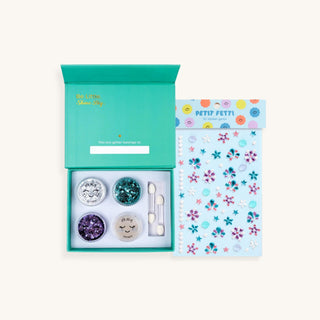
- Washable shimmer shadow placed high on the lid (not in the waterline).
- Face gems for events (festival/dance vibes without “fixing” the face).
- Nail color/nail stickers (high creativity, lower face-focus).
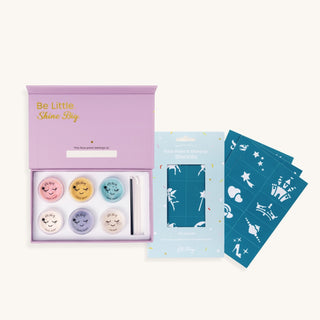
- Costume face paint for themed play (used occasionally, removed fully).
That’s the Popsicle approach in a sentence: keep the fun, reduce the pressure, and choose products that support beauty as expression, not correction.
Common mistakes to avoid
- Buying “natural” and skipping the label. “Natural” doesn’t replace ingredient scrutiny. Always check the ingredient list and the brand’s positioning.
- Defaulting to waterproof. Natural makeup with eyeliner does not need a waterproof or 24-hour formula to feel special. For occasional play, easy removal usually matters more than maximum wear because it reduces the need for repeated rubbing around the eyes.
- Letting adult tutorials set the standard. Social media makeup education often assumes adult goals: definition, reshaping, long-wear, perfection. For kids, the goal is play and comfort.
- Applying too close to the eye. Waterline/tightline use can increase the chance of irritation and product getting in the eye—especially with fidgety beginners.
- Sharing products. Eye products should be personal items, period.
- Turning eyeliner into identity. If a child says they “need” eyeliner to look okay, it’s time for a values reset: makeup is optional; your face is already acceptable.
Bottom line
Natural makeup with eyeliner can be a reasonable, age-appropriate choice when it’s selected and used like creative play: minimal placement, careful label checks, no sharing, and easy removal. Popsicle Beauty Club’s lens is protective but not anti-makeup—we’re here to help families keep beauty light, clean-er, and kid-centered, and to delay the adult-performance version for later milestones.
Sources and further reading
- NIEHS: Cosmetics and Your Health - Explains what cosmetics are and provides context on oversight and ingredient research.
- FDA: Phthalates in Cosmetics - Notes how phthalates may be used and why “fragrance” labeling can limit what you can see on-pack.
- FDA: Color Additives in Foods - Useful background on certified colors and what “color additive” means as a regulatory category.
For a complete guide on non-toxic play makeup, check out our in-depth resource: The Ultimate Guide to Non-Toxic Play Makeup for Kids for expert tips, product recommendations, and everything you need to know about choosing safe beauty play products for your child.

About the Author: This article was written by the contributing writers at Popsicle Beauty Club—a team of moms, educators, and clean beauty advocates passionate about creating a safer, more imaginative world for kids. We believe in empowering parents with trusted information and offering fun, non-toxic beauty and personal care products that let children play, express, and explore—without compromising their health.
FAQs
What brands offer play makeup that looks sheer and natural rather than heavy on kids’ faces?
Is eyeliner safe for kids?
How do I shop for Natural makeup with eyeliner if my child has sensitive skin?
What type of eyeliner is easiest for a beginner?
A pencil is generally easier to control than liquid eyeliner. Look for one that glides without pulling the eyelid and can be removed without heavy rubbing. Begin with a tiny outer-corner accent rather than attempting a complete or highly precise line.
Should kids apply eyeliner on the waterline?
No. Keep eyeliner on the external upper lash line or use it for small accents near the outer corner. Applying it to the waterline or tightline places the product closer to the eye and increases the chance of migration and irritation.
How should eyeliner be removed from a child’s eye area?
Use a gentle remover or cleanser the child already tolerates. With the eye closed, press a damp cotton pad or soft cloth against the area briefly before wiping lightly. Avoid scrubbing, and stop using the product if removal causes persistent redness, stinging or swelling.