
Table of Contents
- Introduction
- Why ingredient-checking matters for kids’ lip products
- What a “good basic” lip balm label looks like
- Ingredients many parents choose to avoid or limit (and why)
- Allergens and sensitivities: patch testing and label-reading in real life
- Shopping criteria: how to pick the best lip balm for kids (without overthinking)
- How to use lip balm so it actually helps (and doesn’t become a habit loop)
- Bottom line: choosing lip balm for kids with confidence
- FAQs
Introduction
Shopping for lip balm for kids sounds simple until you realize how often it ends up in mouths, pockets, backpacks, and car cupholders—and how different kids’ needs can be from adults’. Many balms are perfectly fine for grown-ups but feel too tingly, too fragranced, too sticky, or too “candy-like” for children who may lick their lips or reapply constantly.
This guide is a practical, non-alarmist way to choose lip balm for kids by reading the label and understanding common ingredient categories. You’ll learn what tends to work well for everyday dryness, what can be irritating for some kids, and how to build a simple routine that prevents the classic cycle of lick-dry-lick. As always, check labels for your child’s specific sensitivities and consider patch testing when trying a new product.
Why ingredient-checking matters for kids’ lip products
Lips don’t have the same protective barrier as the rest of facial skin, and kids’ lips are often exposed to wind, cold, sun, and dehydration. Add in playground habits—lip licking, chewing, or sharing products—and the formula matters more than it might for a lipstick-wearing adult.
Here’s the practical reason to read ingredient lists when you’re picking lip balm for kids:
- Kids may ingest small amounts. A strongly flavored balm can encourage frequent licking and reapplying.
- Sensitivity can show up fast. Fragrance, flavor, and certain “cooling” ingredients can sting or cause redness for some children.
- One child’s “best” is another’s “nope.” A balm that feels soothing to one kid can be too waxy or too slippery for another.
The goal isn’t to panic over ingredients—it’s to choose a safe lip balm for kids that’s comfortable, simple, and easy to use consistently.
What a “good basic” lip balm label looks like
If you’re trying to find a non toxic lip balm for kids (a phrase many shoppers use to mean “simple, gentle, and appropriate for frequent use”), start by looking for a short, understandable formula built around three functional groups: occlusives, emollients, and (optional) humectants.
1) Occlusives: the “seal”
Occlusives sit on top of lips to reduce moisture loss. Common examples include:
- Petrolatum (very effective at sealing in moisture)
- Beeswax or plant waxes like candelilla wax (adds structure, reduces stickiness)
- Lanolin (works well for some, but can be an allergen for others)
2) Emollients: the “soften and smooth”
Emollients make lips feel comfortable and help smooth flaky texture. You’ll often see:
- Shea butter, cocoa butter
- Oils like sunflower, jojoba, coconut, castor
- Squalane (a lightweight option)
3) Humectants: the “water magnet” (optional)
Humectants can help attract water, but they can feel sticky on lips if used heavily. Look for:
- Glycerin
- Hyaluronic acid
Many parents find that a wax/butter base with minimal extras is the sweet spot for kids lip balm—especially for school days and winter weather. Understanding how to evaluate ingredient labels across children's beauty products can make shopping much easier. Our A Parents Guide To Clean Beauty Products: What You Need To Know explains what terms like clean, non-toxic, and organic actually mean when choosing products for kids.
Ingredients many parents choose to avoid or limit (and why)
Not every “avoid” list fits every family, and plenty of kids tolerate these ingredients just fine. But if you’re shopping for lip balm for kids with sensitivity in mind, these are common categories to scrutinize.
- Added fragrance and strong flavor blends. These can be irritating or tempting (leading to more licking). If your child is sensitive, consider fragrance-free or lightly flavored options.
- Cooling/tingling agents. Ingredients that create a “minty” feel (often from mint oils or similar components) can sting on chapped lips. For kids, soothing usually beats tingly.
- Essential oils. Some families love them; others avoid them for kids due to potential irritation. If you prefer to minimize variables, choose a simpler formula without essential oil blends.
- Salicylic acid or strong exfoliating claims. Exfoliating lip products can be too harsh for children’s lips, especially if they’re already cracked or irritated.
- Plumping ingredients. If a balm markets a “plump” effect, it may rely on sensation-based ingredients that are not ideal for kids.
These aren’t “bad” ingredients across the board; they’re just the ones most likely to cause stinging, dryness loops, or complaints like “it burns.” When in doubt, pick the simplest safe lip balm for kids you can find and adjust from there.
Allergens and sensitivities: patch testing and label-reading in real life
Because lip balm for kids sits right next to the mouth, even mild irritation can quickly turn into a “never again” product. If your child has known allergies (or you’re unsure), take two extra steps: label scanning and patch testing.
Common potential allergens in lip products
- Lanolin (wool-derived)
- Beeswax (and other bee-related ingredients)
- Nut oils/butters (like sweet almond oil or certain nut butters)
- Flavor compounds (especially complex “natural flavors”)
- Propolis (bee-derived; sometimes included in “soothing” balms)
How to patch test a new balm for a child
- Choose a small area like the outer edge of the lip line or a small spot on the inner forearm.
- Apply a tiny amount and leave it on.
- Watch for redness, itching, or stinging over the next day.
- Stop using if irritation shows up and switch to a simpler, fragrance-free option.
Patch testing can feel fussy, but it’s one of the easiest ways to avoid buying three tubes before finding the best lip balm for kids for your household.
Shopping criteria: how to pick the best lip balm for kids (without overthinking)
When you’re standing in an aisle or scrolling online, use this checklist to quickly filter options and land on a lip balm for kids that fits everyday life.
- Start with the use case. School/backpack balm should be sturdy and not too melty. Bedside balm can be richer.
- Go easy on flavor. Mild or unflavored can reduce licking. If flavor motivates use, choose a simple, gentle flavor rather than a strong “candy” profile.
- Prefer a short ingredient list if your child is sensitive or you’re trying to identify triggers.
- Decide on wax vs. ointment texture. Waxy sticks feel less messy; ointment-style balms can be more protective but may feel glossy.
- Consider SPF separately. Lip SPF can be great for outdoor days, but some kids dislike the taste/texture. If you choose an SPF lip product, check directions carefully and make sure your child will actually wear it.
- Packaging matters. Twist-up sticks are hygienic and easy. Pots can be messy and less ideal for school unless you’re okay with finger application and hand-washing.
- Check age guidance and warnings on the label. Some products specify age ranges or caution statements—follow those.
If your priority is “cleaner-feeling” formulas, look for a non toxic lip balm for kids that is fragrance-free (or very lightly scented), with a simple base of wax + butter/oil. If your child has eczema-prone skin or frequent irritation, simpler is usually safer—without needing to chase trendy ingredient claims.
How to use lip balm so it actually helps (and doesn’t become a habit loop)
Even the best lip balm for kids won’t help much if it’s applied once and then licked off. A tiny routine can make a big difference.
A realistic kid-friendly routine
- Apply on slightly damp lips when possible. After drinking water or brushing teeth, pat (don’t scrub) and apply a thin layer.
- Use “thin coats.” Thick layers can feel slippery and encourage wiping or licking.
- Reapply at key moments. Before recess/outdoor time, after lunch, and before bed are usually enough.
- Nighttime is your best opportunity. A slightly richer balm at bedtime can help lips feel better by morning.
What to do about lip licking
Lip licking is extremely common. Instead of constant reapplication, try pairing balm with a quick sip of water and a reminder to “press lips together” after applying. If your child only tolerates flavored kids lip balm, keep it mild and use it strategically (like bedtime) rather than all day.
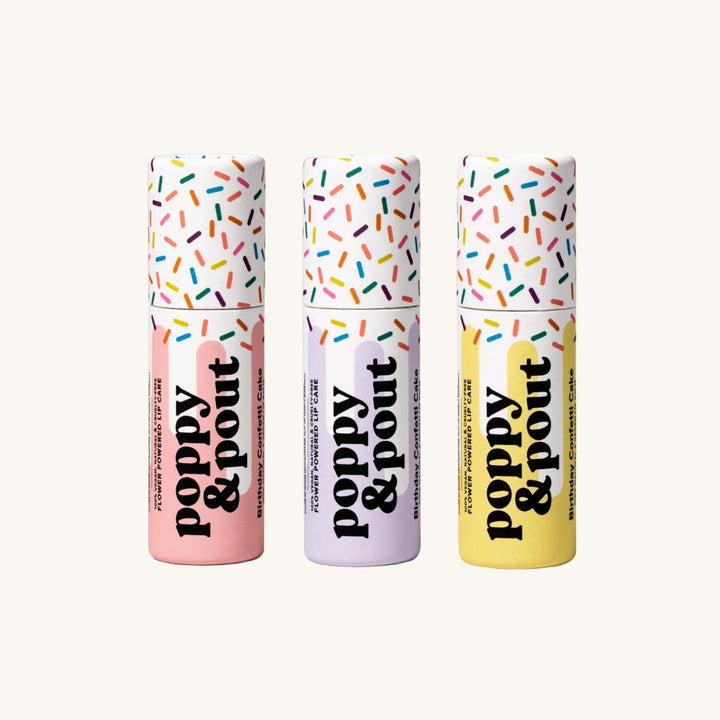
Looking for a good all-natural lip balm? We highly recommend this set by Poppy & Pout.lm is made in Idaho with 100% natural ingredients for soft, nourished lips.
Birthday Cake Natural Lip Balm for Kids
$9.99
Make the birthday magic last with the Birthday Confetti Cake Lip Balm, a sweet treat she can enjoy long after the candles are blown out. Infused with the joyous essence of vanilla cake and a hint of raspberry, this handcrafted… read more
Bottom line: choosing lip balm for kids with confidence
The most reliable lip balm for kids is the one your child will use consistently and comfortably—without stinging, overpowering taste, or a complicated ingredient list. Look for a simple base (wax/petrolatum + butter/oils), limit fragrance and tingly ingredients if your child is sensitive, and choose packaging that fits their day. Always check labels for allergens and consider patch testing when introducing a new product, especially if your child has reacted to skincare before.
Lip care works best when it's part of a simple, consistent skincare routine. Our guide on How To Create An Easy Daily Skincare Routine For Kids shares practical habits that help keep young skin healthy, hydrated, and protected year-round.
Curious about which harmful ingredients to avoid in your child's beauty products? Read The Truth About Harmful Beauty Ingredients for Kids to uncover the hidden toxins in mainstream makeup, skincare, and hair care—and discover safer alternatives.
About the Author: This article was written by the contributing writers at Popsicle Beauty Club—a team of moms, educators, and clean beauty advocates passionate about creating a safer, more imaginative world for kids. We believe in empowering parents with trusted information and offering fun, non-toxic beauty and personal care products that let children play, express, and explore—without compromising their health.