

Table of Contents
- Introduction
- 1) What “non toxic” means (and doesn’t) in kids’ skincare
- 2) How to shop for non toxic kids skin care: a practical label checklist
- 3) A simple, age-aware routine (toddlers & preschoolers)
- 4) A simple, age-aware routine (school-age kids)
- 5) A simple, age-aware routine (tweens & teens who are starting skincare)
- 6) Sunscreen and outdoor basics: keeping it simple and realistic
- 7) Where makeup fits: non toxic makeup for kids (and safer play options)
- Patch testing, rotation, and when to simplify
- Bottom line: a calm, practical approach to non toxic skin care for kids
- FAQs
Introduction
Parents searching for non toxic skin care for kids are usually trying to solve a practical problem: how to keep skin comfortable and clean without overloading it with “extras” that can irritate, sting, or trigger sensitivity. Kids’ routines don’t need to look like adult routines. The goal is a few well-chosen basics—gentle cleansing when needed, simple moisture support, and daily sun protection—plus smart label-reading and habits that reduce exposure to avoidable irritants.
This guide is intentionally non-alarmist. “Non toxic” isn’t a regulated term in personal care, and a product can be “clean” in marketing language and still be a poor fit for a child’s skin. Use this as an age-aware framework for non toxic skin care for kids, along with shopping criteria that helps you choose formulas that are more likely to be tolerated—especially for sensitive skin, dry patches, or kids who love to “help” themselves to your bathroom shelf.
1) What “non toxic” means (and doesn’t) in kids’ skincare
In beauty, “non toxic” is often used as shorthand for “formulated without certain controversial ingredients” or “made with gentler choices.” But there’s no universal definition across brands. For non toxic skin care for kids, it helps to think in terms of risk reduction and skin compatibility rather than perfection.
- Skin tolerance matters more than buzzwords. A natural essential oil can irritate; a synthetic ingredient can be very well tolerated. The best routine is the one your child’s skin handles comfortably.
- Concentration and frequency matter. Even a gentle ingredient can cause problems if used too often or layered with multiple products.
- “Cleaner” isn’t always “safer” for kids. Products that skip standard preservatives may have shorter shelf lives or be more likely to spoil if stored in warm bathrooms or handled with wet fingers.
- Kids don’t need anti-aging actives. Avoid building routines around adult concerns like wrinkles or dark spots.
If you’re trying to keep things simple, prioritize formulas designed for sensitive skin, with clear labeling, minimal fragrance, and straightforward instructions.
2) How to shop for non toxic kids skin care: a practical label checklist
When shopping for non toxic kids skin care, the label is your best tool. Below are criteria that tend to be useful for kids’ daily care—without requiring you to become a cosmetic chemist.
Look for: “boring” basics and clear purpose
- Single job products: a gentle cleanser, a basic moisturizer, a lip balm, and sunscreen. Multi-step sets can add unnecessary overlap.
- Barrier-supporting moisturizers: formulas that feel comfortable and not stingy. Many families prefer simple creams/lotions over highly fragranced body butters.
- Easy-to-rinse cleansers: especially for kids who are quick in the shower or bath.
Be cautious with: fragrance, “tingle,” and heavy essential oils
- Fragrance (including natural fragrance): If your child has sensitive skin, consider fragrance-free. “Unscented” can still contain masking fragrance—check the ingredient list.
- Essential oils: Not automatically bad, but they can be more likely to irritate, especially on faces, lips, or already-dry skin.
- Cooling/tingling ingredients: Products that promise “cooling,” “minty,” or “tingly” sensations can be uncomfortable on kids and may lead to over-scratching.
Don’t skip: basic preservation and safe packaging
- Preservatives are not the enemy. They help prevent microbial growth, especially in water-based products opened repeatedly in a humid bathroom.
- Packaging that reduces contamination: pumps and squeeze tubes can be more hygienic than open jars for little hands.
- Check the PAO symbol (open jar icon): It indicates how many months the product is intended to be used after opening. Replace old products, especially anything used around eyes and lips.
Finally, keep expectations realistic: “clean” labels don’t guarantee a perfect match for your child. Always check labels for known sensitivities and keep a short list of “go-to” products that you re-buy when they work.
If you're still learning how to evaluate ingredient labels and marketing claims, A Parents Guide To Clean Beauty Products: What You Need To Know explains the differences between clean, organic, non-toxic, and sustainable beauty products for children.
3) A simple, age-aware routine (toddlers & preschoolers)
For the youngest kids, non toxic skin care for kids is mostly about preventing dryness and irritation, not adding steps. Less is more.
- Cleanse only when needed. Warm water and a gentle, mild cleanser for visibly dirty areas is often enough. Over-cleansing can dry skin out.
- Moisturize after bath time. Apply a simple lotion/cream while skin is slightly damp to lock in moisture. Focus on dry-prone areas like cheeks, elbows, and knees.
- Protect outdoors. Use sun protection as part of getting dressed for outdoor time (see the sunscreen section for tips on making it manageable).
Practical parenting note: If a child is prone to rubbing their eyes, keep face products extra simple and avoid fragranced formulas around the eye area.
4) A simple, age-aware routine (school-age kids)
School-age skin can swing between dry in winter and sweatier in summer. The routine can still be minimal, with a bit more independence.
- Gentle cleanse at night (or after sports). A mild cleanser or gentle wash helps remove sunscreen, dirt, and sweat. Morning cleansing is optional; many kids do fine with a rinse.
- Moisturize if skin feels tight or looks dry. Choose a comfortable, non-sticky texture they’ll actually use.
- Daily sun protection. Make it part of the “shoes, water bottle, sunscreen” checklist on high-UV days.
If you’re building non toxic skin care for kids shopping lists at this age, prioritize ease of use: pump bottles, clear instructions, and formulas that don’t leave strong scent trails at school.
5) A simple, age-aware routine (tweens & teens who are starting skincare)
Tweens and early teens may ask for “skincare” because they see it on social media. The safest, most sustainable approach is a short routine with guardrails—especially if breakouts are starting. Non toxic skin care for kids at this stage should still avoid turning daily care into an experiment lab.
- Start with a gentle cleanser (nightly). Avoid harsh scrubs and aggressive exfoliation as a default.
Balancing Gel Cleanser for Kids, Normal to Oily Skin

$14.99
Dive into a refreshing skincare routine with MEBEME’s Balancing Gel Cleanser, a gentle face wash for kids specially formulated for normal to oily skin. This purifying formula is powered by Native Australian extracts and pure essential oils: Kangaroo Paw delivers… read more
- Add a simple moisturizer. Even oilier skin can feel better with lightweight hydration, especially if they’re cleansing more often.
Gentle Moisturizer for Kids, Normal to Sensitive Skin

$14.99
The Gentle All Natural Moisturizer is a lightweight kids face moisturizer specially formulated for normal to sensitive skin. Powered by Australian Emu Apple extract, it delivers antioxidants to strengthen the skin’s barrier and boost natural radiance. Lavender oil helps calm… read more
- Use sunscreen daily. Consistency matters more than “trend” formats.
What to skip early on: complicated acid schedules, strong peels, “tingle” masks, and layered routines with multiple actives. If a teen wants targeted acne help, it’s reasonable to keep the rest of the routine gentle and consider professional guidance for persistent or worsening concerns.
6) Sunscreen and outdoor basics: keeping it simple and realistic
No non toxic skin care for kids routine is complete without sun protection. The “best” sunscreen is the one your child will actually wear correctly and you can apply consistently.
- Choose a texture your kid tolerates. If they hate heavy, sticky formulas, they’ll resist reapplication. Lotions are often more reliable than sprays for even coverage.
- Apply generously and reapply. Especially after swimming, sweating, or towel-drying. Follow the product label directions.
- Don’t forget the easy-to-miss spots. Ears, back of neck, tops of feet, hairline, and hands.
- Pair with physical protection. Hats, sunglasses, and shade are helpful, especially during peak sun hours.
Tip: Keep a “sunscreen station” near the door with hats and a dedicated product to reduce last-minute scrambling.
7) Where makeup fits: non toxic makeup for kids (and safer play options)
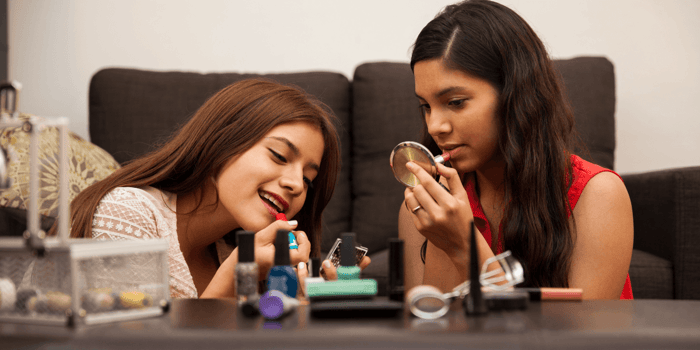
Curiosity about makeup can start young—playdates, dance recitals, holidays, or just wanting to copy what they see. If you’re shopping for non toxic makeup for kids or kids non toxic makeup, aim for products that are simple, age-appropriate, and easy to remove. A good rule: if it can’t come off gently, it’s not a great fit for kids.
Parents introducing makeup for the first time may also find it helpful to read Looking And Feeling Good: Age-Appropriate Makeup Tips for Preteens, which covers safe, confidence-focused ways to introduce cosmetics without overwhelming young skin.
Shopping criteria for non toxic kids makeup
- Choose purpose-made products over craft substitutes. Avoid using markers, paints, or non-cosmetic glitter on skin.
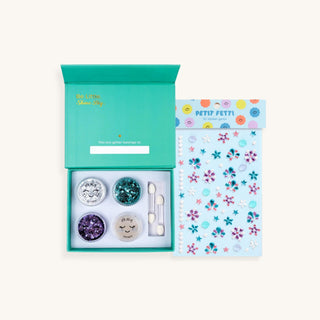
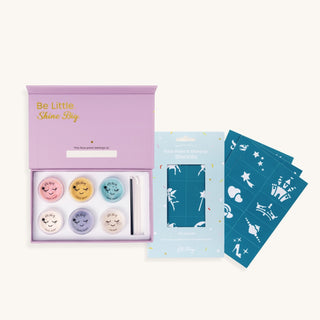
- Keep it minimal: tinted lip balm, gentle face paint for occasions, and a subtle shimmer that doesn’t shed into eyes can be more practical than full kits.
- Avoid strong fragrance and plumping/tingling lip products. Kids are more likely to lick lips or rub eyes.
- Prioritize easy removal. Pair with a gentle cleanser or micellar-type remover that doesn’t sting, then rinse.
- Share less, sanitize more. Don’t share mascara/eye products; replace items if they smell off, dry out, or cause irritation.
Parents often search for the best non toxic makeup for kids, but “best” depends on your child’s sensitivity, how often it’s used, and whether it’s for occasional play or regular wear. For most families, occasional use with good hygiene beats building a full daily makeup routine. If makeup becomes a daily habit for a tween, keep skincare gentle underneath and make sure removal is consistent.
Patch testing, rotation, and when to simplify
Even thoughtfully chosen non toxic skin care for kids can cause irritation for some children. That’s why patch testing and slow product changes matter.
- Patch test new products on a small area (like the inner forearm) and wait to see how skin responds before using widely. If irritation occurs, stop using the product.
- Introduce one new product at a time. If you change three things at once, it’s hard to identify what caused a reaction.
- Watch for stinging and “behavior clues.” Kids may not say “this burns,” but they may rub, scratch, or avoid washing their face.
- Simplify when skin is acting up. Go back to cleanser + moisturizer + sunscreen basics until things feel calm again.
If your child has persistent rashes, ongoing discomfort, or worsening skin concerns, consider seeking professional medical guidance. This article is for education and shopping support, not diagnosis or treatment.
Bottom line: a calm, practical approach to non toxic skin care for kids
The most dependable non toxic skin care for kids routine is simple, consistent, and built around a few essentials: gentle cleansing when needed, comfortable moisturizing, and daily sun protection—plus thoughtful choices about fragrance, packaging, and hygiene. Read labels, avoid unnecessary actives and “tingle” trends, and choose textures your child will actually use. When adding anything new, check labels for sensitivities and patch test first. Done this way, non toxic skin care for kids is less about chasing perfection and more about supporting healthy, comfortable skin day to day.
For a deeper dive into safe skincare for kids, visit Safe & Non-Toxic Skincare for Kids to discover the best clean beauty products, DIY recipes, and tips for keeping your child’s skin healthy and toxin-free.

About the Author: This article was written by the contributing writers at Popsicle Beauty Club—a team of moms, educators, and clean beauty advocates passionate about creating a safer, more imaginative world for kids. We believe in empowering parents with trusted information and offering fun, non-toxic beauty and personal care products that let children play, express, and explore—without compromising their health.