

Table of Contents
- Introduction
- Why the question “is detangler bad for your hair” comes up
- When detangler helps (and when it can backfire)
- How to read detangler labels (without needing a chemistry degree)
- Shopping criteria: how to pick the right detangler for your hair (and your kid’s)
- How to use detangler so it actually reduces breakage (routine tips)
- Extras: hair sparkle, biodegradable hair glitter, and keeping buildup in check
- Bottom line: is detangler bad for your hair?
- FAQs
Introduction
If you’ve ever stood in the hair aisle wondering is detangler bad for your hair, you’re not alone. Detanglers can be genuinely helpful—especially for kids, curly hair, long hair, and anyone dealing with knots—yet the wrong formula (or the right formula used the wrong way) can leave hair feeling coated, limp, or more prone to breakage over time.
The good news: in most routines, detangler is not “bad.” It’s a tool. What matters is what’s in it, how often you use it, where you apply it, and how you detangle. Below is a practical, label-aware guide to help you shop with confidence, including what parents may want to prioritize and what to consider if you’re also shopping for fun add-ons like biodegradable glitter for hair.
Why the question “is detangler bad for your hair” comes up
Detanglers are designed to reduce friction so strands can slide past each other more easily. That reduced friction can mean less snapping and fewer painful tangles—especially on fine, wavy, curly, coily, or easily knotting hair. So why do people still ask is detangler bad for your hair?
- Buildup concerns: Some formulas leave a noticeable film. Over time, hair can feel heavy, dull, or harder to wet, and styling may not hold the way you expect.
- Scalp sensitivity: Sprays and leave-ins can include fragrance, preservatives, or high levels of certain solvents that don’t agree with everyone.
- Misuse: Detangler can’t compensate for aggressive brushing, detangling dry hair that needs slip, or skipping conditioner when hair is truly dehydrated.
- Hair-type mismatch: A rich, silicone-heavy spray can be amazing for thick hair but overwhelm fine hair; a very light mist might not be enough for tight curls.
In other words, the question is detangler bad for your hair is often really asking: “Will this product cause buildup or irritation in my routine, and am I using it in a way that protects hair?”
When detangler helps (and when it can backfire)
A detangler is usually most helpful when you’re dealing with mechanical stress: knots, friction from wind, active kids, hats/helmets, swimming, or hair that tangles easily. Used correctly, detangler can be a protective step because it lowers the force needed to comb through hair.
Detangler is typically helpful when:
- You detangle after washing and conditioning, when hair is most elastic and slippery.
- You’re working through knots with patience (fingers first, then a tool).
- You’re trying to reduce breakage from daily brushing, especially on fine or fragile hair.
Detangler can backfire when:
- You rely on detangler instead of hydration: If hair is dry, brittle, or over-processed, it may need a better conditioner or mask. A detangler may make it feel smoother temporarily without addressing dryness.
- You spray the scalp heavily: Many detanglers are meant for mid-lengths and ends. Saturating the scalp can increase the chance of itchiness or greasy roots, especially for kids or fine hair.
- You never clarify: If your routine includes lots of leave-ins, oils, and styling products, occasional clarifying (as tolerated by your hair type) can keep hair from feeling coated.
- You detangle too aggressively: Even the best slip can’t prevent breakage if you rip through knots with a brush from roots to ends.
If you’re still thinking is detangler bad for your hair, consider reframing it as: “Is this detangler the right texture and ingredient profile for my hair type, and am I using it in the least-damaging way?”
How to read detangler labels (without needing a chemistry degree)
People often ask is detangling spray bad for your hair because sprays can feel more “chemical” than creams. In reality, both sprays and creams can be gentle or irritating—it depends on the formula and how you use it. Here’s what to scan for on labels.
1) Slip agents (what makes detangling easier)
- Conditioning polymers and quats (often ingredients ending in “-onium”): These can be effective for slip. If you’re sensitive, keep an eye on how your scalp feels and avoid saturating roots.
- Silicones (often ending in “-cone,” “-conol,” or “-siloxane”): These can provide excellent slip and shine. They’re not automatically “bad,” but some people experience buildup. If your hair starts feeling coated or flat, consider clarifying occasionally or choosing a lighter formula.
- Oils and esters: These can soften and add shine, but heavy oils may weigh down fine hair or make roots look greasy if overapplied.
2) Alcohols and solvents (how the spray feels)
Sprays need to mist and dry. Some include drying alcohols high on the list to help with that. Not every alcohol is drying, and not every formula with alcohol is harsh, but if your hair feels crunchy or drier after use, try a creamier leave-in or a spray with a more conditioning base.
3) Fragrance and essential oils (big triggers for sensitive users)
Fragrance can be a major reason someone decides is detangler bad for your hair—or rather, bad for their scalp comfort. If you’re buying for kids or anyone with sensitive skin, consider fragrance-free or very lightly scented options. If a product contains essential oils, remember that “natural” doesn’t automatically mean non-irritating.
4) Preservatives (important for water-based products)
Most detanglers are water-based and need preservatives to stay stable and safe in the bottle. If you know you’re sensitive to specific preservatives, that’s where label reading pays off. When in doubt, choose a simpler formula and patch test before full use.
Shopping criteria: how to pick the right detangler for your hair (and your kid’s)
Instead of treating detangler as a one-size-fits-all product, shop by performance needs and tolerance. If you’re weighing is detangler bad for your hair, these criteria help you choose a better match from the start.
- Hair texture and density:
- Fine or easily weighed-down hair: look for lightweight mists, avoid heavy oils applied near roots, and consider smaller doses.
- Thick, curly, or coily hair: look for richer slip—often creams or milky sprays—and consider pairing with a leave-in conditioner.
For a complete routine, our kids shampoo and conditioner guide explains how cleansing and conditioning work together to reduce tangles before they start.
- Detangling moment:
- Post-wash: a leave-in detangler can be enough.
- Dry day-two tangles: you may need a slightly more emollient formula or to dampen hair first.
- Swim days: prioritize slip plus a routine that removes chlorine/salt and reconditions hair.
- Scalp sensitivity: avoid spraying directly on the scalp, choose fragrance-free if needed, and always check labels for potential triggers.
- Build-up potential: if your hair is prone to feeling coated, choose lighter formulas and keep a clarifying/chelating wash in rotation as appropriate for your hair.
- Application format: sprays are fast for kids and long hair; creams can be more controlled and targeted for curly/coily sections.
Parents shopping for children often ask is detangling spray bad for your hair because sprays are quick and convenient—but kids’ scalps can be sensitive, and overspraying is common. A kid-friendly approach is choosing a gentle formula, using a small amount, and applying mostly to the lengths and ends.
Looking for a detangler designed specifically for children? Knot A Chance! Children's Detangler uses naturally derived ingredients like Emu Apple extract, chamomile, and broccoli seed oil to help smooth knots, reduce frizz, and support healthy, manageable hair—without relying on silicones, sulphates, or other harsh additives commonly found in conventional detangling sprays.
Knot A Chance! Children's Detangler

$14.99
Make hair care a joyful, stress-free experience with this gentle children’s detangler, a safer, all-natural alternative to mainstream products. Available in the refreshing scents of Mandarin Grape or Strawberry, this lightweight formula is enriched with native Australian Emu Apple extract,… read more
How to use detangler so it actually reduces breakage (routine tips)
Even the best formula can’t overcome rough technique. If you want the real answer to is detangler bad for your hair, technique is half the story. Use this routine as a baseline and adjust for your hair type.
- Start with damp hair when possible. For many people, slightly damp hair detangles with less stress than fully dry hair. If you’re detangling dry, lightly mist with water first, then apply detangler.
- Apply strategically. Spray or smooth detangler onto mid-lengths and ends where tangles live. Avoid saturating the scalp unless the product is explicitly meant for scalp use.
- Use fingers first. Gently separate big knots with fingers before introducing a tool.
- Choose the right tool. Wide-tooth combs are common for wet detangling; flexible detangling brushes can work well for some textures. The best tool is the one that doesn’t snag.
- Work from ends up. Hold a section and start detangling at the ends, moving upward in small increments. This reduces pulling at the root.
- Don’t chase “squeaky clean” every day. If you’re using detangler daily, hair may need periodic cleansing that removes buildup without over-stripping. Pay attention to how hair feels and performs.
- Patch test when appropriate. If you’re trying a new product—especially on kids or sensitive scalps—patch test first and discontinue if irritation occurs.
Used this way, detangler is often a protective step, not a damaging one—making the question is detangler bad for your hair less about the category and more about the match and method.
Extras: hair sparkle, biodegradable hair glitter, and keeping buildup in check
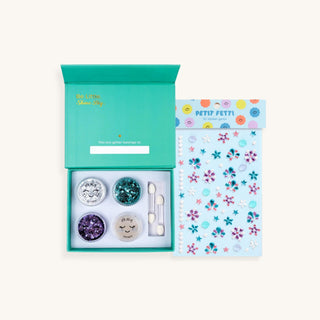
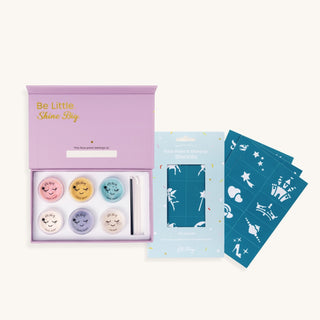
If you’re building a fun hair routine (festivals, dance recitals, spirit days, birthdays), you may be shopping for biodegradable hair glitter or biodegradable glitter for hair alongside detangler. Glitter products can be adorable, but they also introduce extra particles and binders that may increase tangling or residue—especially on fine hair and on kids.
What to look for in non toxic hair glitter (and for kids)
- Check labels for intended use. Look for products clearly intended for hair and avoid using craft glitter near the face or scalp.
- Choose a comfortable base. Glitter gels and hair glitters often rely on film-formers. If hair feels stiff, detangling afterward may require a gentle cleanse plus conditioner before combing.
- Prioritize removal plan. Before applying glitter, decide how you’ll remove it without aggressive scrubbing. A slippery conditioner and gentle detangling can help particles slide out.
- For families: if you’re shopping for non toxic hair glitter for kids, keep fragrance in mind, avoid eye-area application, and do a patch test when appropriate. “Non toxic” is not a regulated guarantee of zero irritation for every child, so label-reading and cautious first use matter.
Pairing detangler with glitter can be a smart strategy: a light detangler on lengths (not scalp) before styling can reduce friction, and a careful, conditioned detangle during removal helps prevent post-glitter snarls.
Bottom line: is detangler bad for your hair?
So, is detangler bad for your hair? For most people, no—detangler is a useful product category that can reduce friction and make combing less damaging. The times it becomes a problem usually involve a mismatch (too heavy, too fragranced, irritating ingredients for your scalp), chronic buildup, or rough detangling technique.
If you’re deciding what to buy, focus on: hair-type fit (lightweight vs richer slip), scent/sensitivity (especially for kids), how you’ll prevent buildup (smart application and occasional deeper cleansing), and how you’ll use it (ends-up detangling, gentle tools). Always check labels, and patch test when trying a new formula—particularly if you’re shopping for children or sensitive scalps.
With the right pick and a gentle routine, the real answer to is detangler bad for your hair becomes: it’s not bad—it’s simply a helper that works best when used intentionally.
To learn more about choosing the safest shampoos, conditioners, and detanglers for kids, visit Non-Toxic Hair Care for Kids for a complete guide to gentle, chemical-free hair care.

About the Author: This article was written by the contributing writers at Popsicle Beauty Club—a team of moms, educators, and clean beauty advocates passionate about creating a safer, more imaginative world for kids. We believe in empowering parents with trusted information and offering fun, non-toxic beauty and personal care products that let children play, express, and explore—without compromising their health.