
Table of Contents
- Introduction
- Why people ask “is blush bad for your skin” (and when it can be)
- What’s in blush: common ingredients and where irritation can come from
- Shopping criteria: how to choose a blush that’s less likely to cause problems
- Kids and tweens: practical guidance for first makeup (and skincare) steps
- How to wear blush with less irritation: routine, tools, and placement
- Removal and aftercare: the step that decides whether blush “agrees” with you
- Patch testing and red flags: when to pause, switch, or simplify
- Bottom line: is blush bad for your skin?
- FAQs
Introduction
If you’ve ever searched is blush bad for your skin, you’re probably not trying to overthink makeup—you just want something that looks cute, feels comfortable, and won’t leave you dealing with redness, bumps, or dryness later. The good news: blush isn’t “bad” by default. But is blush bad for your skin can be a fair question when you have sensitive skin, acne-prone areas, eczema-prone cheeks, or you’re shopping for kids and tweens who are new to makeup.
Blush sits right where skin can be reactive: on the cheeks, near the nose, and often close to the under-eye area. The formula type (powder, cream, liquid), how you apply it, and how well you remove it matter just as much as the ingredient list. Below is a practical, label-aware guide to help you choose a blush and use it in a way that keeps skin looking and feeling its best—without fear-based claims.
Why people ask “is blush bad for your skin” (and when it can be)
Most blushes are designed to be worn safely on facial skin, but certain situations make problems more likely. Asking is blush bad for your skin usually comes down to one of these real-life issues:
- Irritation or stinging after application (often from fragrance, certain preservatives, or a formula that’s too drying).
- Breakouts or clogged-looking pores on the cheeks (could be from heavy emollients, layering too many products, or not cleaning tools).
- Dry, patchy texture where blush sits (common with matte powders on dehydrated skin or when skin prep doesn’t match the formula).
- Redness that’s hard to distinguish from the blush itself (especially on sensitive or rosacea-prone skin—if you have persistent redness, consider checking in with a dermatologist for personalized guidance).
In other words, the question isn’t “Is makeup inherently harmful?” It’s “Is this specific blush, in this specific routine, working with my skin?” That’s a more useful way to answer is blush bad for your skin before you buy.
What’s in blush: common ingredients and where irritation can come from
Blush formulas vary widely, but most are built from a small set of ingredient categories. Understanding what each category does helps you shop smarter without needing a chemistry degree.
Powder blush basics
- Powders/fillers (often talc, mica, silica, or starches): create slip and blendability. Some people find certain powders feel drying or emphasize texture.
- Pigments (iron oxides, lakes, and other colorants): provide shade. If you’re sensitive, a shorter ingredient list can be easier to troubleshoot.
- Binders: help powder adhere. The more strongly it adheres, the longer wear you may get—but it can also be harder to remove if you don’t cleanse thoroughly.
- Fragrance: not required for performance, but sometimes added. If your cheeks are reactive, fragrance is a common reason people conclude is blush bad for your skin when the real issue is a scented formula.
Cream and liquid blush basics
- Emollients (oils, esters, butters): make creams feel smooth and help pigment spread. Some people love this; others find heavier emollients don’t play well with acne-prone cheeks.
- Waxes/film formers: improve wear time. Long-wear can be great—just commit to proper removal.
- Preservatives: essential for water-containing liquids and many creams to reduce spoilage risk. If you’ve reacted to products before, patch testing becomes more important than assuming “preservative-free” is safer.
No single ingredient is universally “bad.” The more helpful approach is identifying what your skin dislikes and avoiding that category in future purchases. That’s the practical answer to is blush bad for your skin: it depends on your sensitivities, your formula choice, and your habits.
Shopping criteria: how to choose a blush that’s less likely to cause problems
When you’re scanning options online or in-store, use these criteria to narrow down to comfortable, lower-drama picks.
1) Choose the right formula for your skin type
- Dry or dehydrated skin: cream blushes often look smoother. If you prefer powder, look for finely milled powders and avoid over-matting your base.
- Oily or very humid climates: powders can wear more evenly. Creams can still work—set lightly and keep layers thin.
- Acne-prone cheeks: consider lightweight liquids or powders, keep placement slightly higher (away from active areas), and prioritize easy removal.
- Sensitive skin: favor fragrance-free options and simpler formulas; avoid “tingly” or strongly scented products.
2) Look for clear labeling (not just marketing words)
Terms like “clean,” “green,” or “non-toxic” aren’t regulated the same way drug claims are. For parents searching for non toxic skin care for kids or gentler makeup, it’s more useful to check the actual ingredient list and brand transparency. Look for:
- Fragrance disclosure (ideally fragrance-free if you’re sensitive).
- Full INCI ingredient list available online before purchase.
- Shade pigments and color additives clearly listed.
- PAO/open-jar symbol showing how long it’s intended to be used after opening (especially important for creams/liquids).
3) Consider finish and wear claims realistically
“All-day” and “waterproof” typically mean stronger adhesion. That isn’t automatically bad, but it does mean you should plan a cleanser that fully removes makeup. Many times, when people wonder is blush bad for your skin, the culprit is leftover product mixed with sunscreen, sweat, and oil.
Kids and tweens: practical guidance for first makeup (and skincare) steps
Parents often land here while looking for skin care products for kids, natural skin care for 10 year old, or the best skin care products for 12 year olds. The main goal at this age is comfort, simplicity, and good hygiene—not correction-focused routines or complicated steps.
- Keep the routine minimal: gentle cleanser, moisturizer if needed, and daytime sunscreen. Makeup should be an add-on, not a replacement for cleansing.
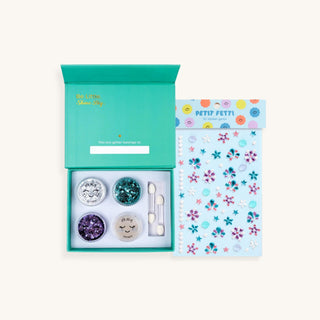
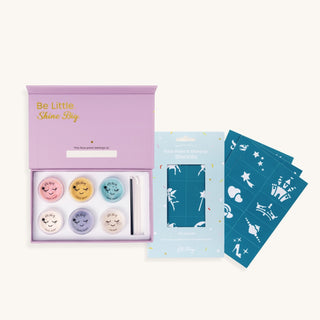
For younger children who are interested in makeup primarily for creativity and dress-up, a Natural Kids Play Makeup Kit can be a more age-appropriate introduction than adult-style beauty products. These kits focus on imaginative play, simple color application, and supervised fun while helping parents avoid the complexity of full beauty routines.
Natural Kids Play Makeup Kit

$34.99
$40.99
Looking for a clean beauty gift that’s safe, fun, and worry-free? This natural play makeup kit lets little ones explore color and creativity with non-toxic, skin-friendly formulas parents trust. Each kit includes vibrant loose powder eyeshadows, soft blush, lipstick, and… read more
- Choose easy-to-remove formulas: lighter creams or powders can be simpler than long-wear stains for beginners. For families introducing makeup for the first time, it can also help to understand how to evaluate a kids makeup kit based on ingredients, hygiene, ease of removal, and age appropriateness.
- Avoid adult-style “active” trends: Kids don’t need harsh exfoliants to “make blush look better.” Over-exfoliation can make cheeks more reactive.
- Prioritize label reading and patch testing: if you’re concerned about non toxic skin care for kids, your best tools are the ingredient list and a cautious trial, not relying on buzzwords.
If you like DIY moments, skip anything harsh or overly fragrant. For families searching easy homemade skin care recipes for kids, keep it extremely simple and low-risk (for example, a bland, fragrance-free moisturizer is often a better “starter” than kitchen ingredients that can be sticky, irritating, or hard to remove). When in doubt, store-bought gentle basics with clear labels are usually easier to keep consistent and hygienic.
How to wear blush with less irritation: routine, tools, and placement
Even a well-formulated blush can cause issues if the routine around it is working against your skin. If you’re still asking is blush bad for your skin, try these practical adjustments first.
Prep: match your base to the blush type
- For powder blush: apply over set base (or lightly powdered sunscreen) to prevent patchiness. If your cheeks get dry, use a small amount of moisturizer earlier and let it absorb.
- For cream/liquid blush: apply over moisturized skin or a thin base. Work in light layers so you don’t need to rub repeatedly (rubbing can trigger redness).
Tools: clean matters more than people think
- Brushes: wash regularly with gentle soap; let them fully dry. Dirty brushes can contribute to breakouts and irritation.
- Sponges: clean thoroughly and replace as needed. Damp sponges that stay wet are not ideal long-term.
- Fingers: fine for creams, but start with clean hands.
Placement: avoid active breakouts and over-blending
- Place blush slightly higher on the cheekbone rather than directly on inflamed blemishes.
- Use gentle tapping motions instead of dragging.
- Build in thin layers; the more you blend aggressively, the more you can irritate sensitive cheeks.
Removal and aftercare: the step that decides whether blush “agrees” with you
If you wear blush on top of sunscreen (many people do), you’re wearing multiple layers designed to adhere. A quick splash of water often isn’t enough. This is where the experience of is blush bad for your skin can come from—because residue can linger along the cheek/nose area.
- Cleanse thoroughly at night: use a gentle cleanser and take your time around the cheeks and hairline.
- If you wear long-wear or heavy layers: consider a first cleanse step (like a balm or micellar water) followed by a gentle face wash. You don’t need to scrub—just dissolve and remove.
- Moisturize if needed: especially if powder products leave you feeling tight.
Also consider your environment: masks, sports helmets, chin straps, or hair rubbing against the face can push pigment and oils around, making cheek irritation more likely even if the blush itself is fine.
Patch testing and red flags: when to pause, switch, or simplify
If you’re trying a new blush—or buying one for a child or tween—patch testing is a smart, low-effort step. Apply a small amount to a discreet area (like along the jawline) and monitor for any signs of irritation over time. Always follow label directions and discontinue use if you notice discomfort.
Consider taking a break from the product and simplifying your routine if you notice:
- Persistent stinging or burning on application
- New rash-like bumps where you place blush
- Unusual dryness or flaking that doesn’t improve with gentler prep
- Breakouts that consistently show up in the exact blush placement zone
If symptoms are significant or persistent, it’s reasonable to consult a dermatologist for personalized evaluation. That’s not alarmist—it’s just the most efficient way to identify triggers.
Bottom line: is blush bad for your skin?
Is blush bad for your skin is best answered this way: blush is usually fine, but the wrong formula, fragrance/sensitizers, dirty tools, or incomplete removal can make cheeks look and feel worse. Choose a formula that suits your skin type, check labels (especially for fragrance if you’re sensitive), and patch test when appropriate—particularly for kids and first-time users. With clean tools, light layers, and proper cleansing, most people can wear blush comfortably and confidently.
If you’re shopping for younger users alongside skin care products for kids or the best skin care products for 12 year olds, keep it simple: gentle skincare basics, easy-to-remove makeup, and consistent hygiene. That combination does more for “safe makeup” than any single buzzword ever will—and it’s the most practical way to move past the worry behind is blush bad for your skin.
For a complete guide on non-toxic play makeup, check out our in-depth resource: The Ultimate Guide to Non-Toxic Play Makeup for Kids for expert tips, product recommendations, and everything you need to know about choosing safe beauty play products for your child.

About the Author: This article was written by the contributing writers at Popsicle Beauty Club—a team of moms, educators, and clean beauty advocates passionate about creating a safer, more imaginative world for kids. We believe in empowering parents with trusted information and offering fun, non-toxic beauty and personal care products that let children play, express, and explore—without compromising their health.