

Table of Contents
- Introduction
- 1) What “non toxic” can (and can’t) mean in kids’ fragrance
- 2) Kids’ skin and scent needs: what’s different vs adult perfume
- 3) A label-reading checklist for non toxic perfume for kids
- 4) Choosing the right format: spray vs rollerball vs solid (and what parents tend to prefer)
- 5) How to use non toxic perfume for kids more safely: a simple routine
- 6) How fragrance fits with non toxic makeup for kids (and what to watch for)
- 7) Bottom line: a parent-friendly way to choose non toxic perfume for kids
- FAQs
Introduction
Searching for non toxic perfume for kids usually starts with a simple goal: something that feels fun and “grown-up,” without turning fragrance into a daily worry. The tricky part is that fragrance labeling and “clean” marketing can be confusing, especially when you’re shopping for children who may have more sensitive skin, stronger reactions to strong smells, or stricter school policies.
This guide is designed to help you shop calmly and confidently. We’ll cover what “non toxic” can realistically mean in fragrance, how to read labels, which formats tend to be easier for kids, and how to use perfume in a way that’s mindful (including when to patch test and when to skip scent altogether).
1) What “non toxic” can (and can’t) mean in kids’ fragrance
In the U.S. and many other markets, “non toxic” isn’t a single regulated standard for perfume. Brands may use it to indicate they avoid certain ingredients (like specific preservatives or phthalates) or to signal a broader “clean” positioning. That doesn’t automatically tell you how the product will smell, how strong it will be, or whether it will agree with your child’s skin.
When you’re comparing options for non toxic perfume for kids, the most helpful approach is to focus on verifiable, practical signals:
- Full ingredient disclosure (not just marketing badges).
- Fragrance transparency: whether the brand explains what “fragrance” includes, and if allergens are listed where required.
- Clear use instructions, including whether it’s intended for skin or just clothing/hair.
- Scent strength and how it’s delivered (spray vs rollerball vs solid).
Also: “natural” doesn’t always mean “gentler.” Essential oils are natural, but some can be irritating or sensitizing, especially at higher concentrations. A kids’ fragrance that’s truly kid-appropriate tends to be lighter, simpler, and easier to control. The same label-reading mindset applies across children’s beauty products, especially when comparing clean beauty claims.
2) Kids’ skin and scent needs: what’s different vs adult perfume
Children generally benefit from fragrance that’s lower-intensity, easier to apply precisely, and less likely to linger loudly in shared spaces (classrooms, camps, playdates). Even if you’re set on non toxic perfume for kids, consider these real-world factors before you check out:
- Sensitivity: Some kids are more reactive to scented products (including soaps and shampoos). If your child has had irritation from fragranced lotions or bath products, be extra cautious with perfume.
- Environment: Many schools and activities have fragrance-free preferences. A subtle scent (or a scent applied at home and allowed to settle) is often the most considerate option.
- Behavior and application habits: Kids may overspray. Formats that limit dosage help prevent headaches and scent overload for everyone nearby.
- Layering: Fragrance stacks with scented body wash, hair products, and laundry detergent. If you want perfume, consider keeping the rest of the routine low-scent.
If you’re buying for a very young child, remember that perfume is optional. It’s okay to treat fragrance as an occasional “dress-up” product rather than a daily habit.
3) A label-reading checklist for non toxic perfume for kids
Because “non toxic” is not a universal definition, the label (and the brand’s ingredient page) is your best tool. Here’s what to look for when shopping for non toxic perfume for kids—without assuming that any one ingredient is automatically “bad” in every context.
Start with ingredient transparency
- Full INCI list: Prefer products that list ingredients clearly on the package or website.
- “Fragrance” / “Parfum”: Many perfumes use this umbrella term. Some brands provide additional transparency about what’s included or what they avoid. More detail is generally better for informed shopping.
Check for common fragrance allergens and sensitizers
Depending on your region, certain fragrance allergens may be listed when present above specific thresholds (especially in the EU). If you see allergens your child has reacted to before (or you know you want to avoid), that’s a practical reason to choose another option.
If your child is sensitive, also consider avoiding heavy “spice,” very bright citrus, or strongly herbal essential-oil-forward profiles, which can feel sharper on skin and in the air.
Consider the carrier: alcohol, water, or oil
- Alcohol-based sprays tend to project more and can feel drying on some skin. Many classic perfumes use alcohol; it’s not automatically unsafe, but it can be a comfort issue for sensitive skin.
- Oil-based rollerballs can be easier to control and often wear closer to the skin. They may feel more comfortable on dry areas.
- Solid perfumes (wax/balm) offer very controlled application and usually minimal “cloud.”
Look for clear age guidance and use instructions
Brands that sell fragrance specifically for kids often provide straightforward directions (where to apply, how much, and what to avoid). If instructions are vague—or if the product seems to be a rebranded adult perfume—pause and evaluate whether it suits your child’s needs.
4) Choosing the right format: spray vs rollerball vs solid (and what parents tend to prefer)
When families say they want non toxic perfume for kids, they often also want something that won’t be overapplied. Format matters as much as ingredients for day-to-day practicality.
- Fine mist spray: Easiest “perfume experience,” but also easiest to overdo. If you choose a spray, look for a gentle, light concentration and plan on 1 spray max (or spray into the air and walk through, if you prefer not to spray skin).
- Rollerball: Great for precision. Kids can dab wrists or the back of the neck (with supervision). Less risk of scent filling an entire room.
- Solid perfume: Very controlled and usually subtle. Also travel-friendly. You’ll want a clean finger or a small applicator to keep it hygienic.
- Hair mist: Can feel “special” and may be less likely to irritate skin, but it’s still fragrance. Check whether it’s meant for hair only and avoid spraying near the face.
Whatever format you choose, prioritize control + comfort. A product can be marketed as “clean,” but if it triggers a headache from overapplication, it’s not a good fit for real life.
5) How to use non toxic perfume for kids more safely: a simple routine
Even the best-labeled non toxic perfume for kids should be introduced thoughtfully. Fragrance is a high-sensory product, and less is almost always better.
Patch test first
Before regular use, patch test on a small area (like the inner forearm). Apply a tiny amount once and wait to see how skin responds over the next day. If you notice irritation, discontinue use and choose a different product. (If your child has a history of strong reactions, consider checking with a qualified healthcare professional for individualized guidance.)
Choose placement intentionally
- Avoid the face and avoid applying on broken or freshly shaved skin.
- Try clothing instead of skin if your child is sensitive (test on fabric first to avoid staining).
- Use pulse points sparingly: wrists are common, but one dab is enough.
Use a “one-and-done” amount
A practical guideline for kids is one light application (one dab, or one spray away from the face). If the scent disappears quickly, that’s not a failure—it may be exactly what you want for school, camp, or close-contact play.
Store it like a “special item”
Keeping fragrance with a parent (or on a higher shelf) helps prevent frequent reapplication. This is less about rules and more about keeping perfume a fun, occasional step.
6) How fragrance fits with non toxic makeup for kids (and what to watch for)
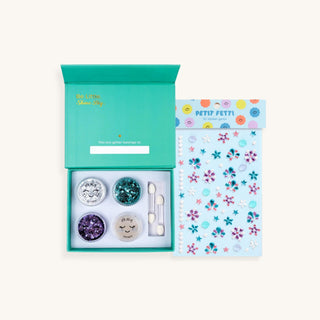
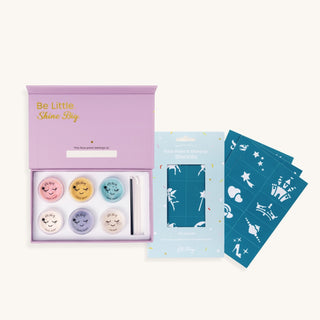
If you’re shopping for perfume, you may also be building a small “dress-up” kit with non toxic makeup for kids. If you're looking for a special gift that feels just as fun as a first perfume, a natural play makeup kit can be a great alternative. It gives kids a chance to explore creativity and self-expression while keeping the focus on age-appropriate play.
Natural Kids Play Makeup Kit

$34.99
$40.99
Looking for a clean beauty gift that’s safe, fun, and worry-free? This natural play makeup kit lets little ones explore color and creativity with non-toxic, skin-friendly formulas parents trust. Each kit includes vibrant loose powder eyeshadows, soft blush, lipstick, and… read more
For a more complete shopping guide, our non toxic makeup for kids article explains what parents should check before buying play cosmetics. The same principles apply: prioritize transparency, gentle formulas, and controlled application.The same principles apply: prioritize transparency, gentle formulas, and controlled application.
Here’s how to think about the overlap between fragrance and kids non toxic makeup:
- Fragrance in cosmetics: Some lip glosses, blushes, and face products include added fragrance or flavor. If your goal is minimizing fragrance exposure, check whether your makeup is scented too.
- Lip products deserve extra scrutiny: With non toxic lip gloss for kids, ingredient transparency matters because kids may lick their lips. Look for a clear ingredient list and avoid products that cause tingling or burning (often a sign it’s too strong or irritating for them).
- Glitter and body products: If you’re choosing the best non toxic makeup for kids for play, consider how it removes. Gentle removal reduces the temptation to scrub, which can irritate skin more than the product itself.
- Keep routines simple: A kid-friendly routine might be: tinted balm or gloss, a little sparkle, and an optional light scent—rather than multiple fragranced layers.
If you’re deciding between fragrance and makeup, start with one category. Introducing too many new products at once makes it harder to identify what caused irritation if it happens.
7) Bottom line: a parent-friendly way to choose non toxic perfume for kids
The best non toxic perfume for kids is the one that’s transparent, easy to control, and comfortable to wear. Instead of chasing a perfect label claim, use a simple decision framework:
- Read the label and choose brands that clearly list ingredients and explain their fragrance approach.
- Pick a controlled format (rollerball or solid if your child tends to overapply).
- Keep it light: subtle scent, minimal layers, and a one-application rule for everyday settings.
- Patch test and stop using it if skin gets irritated.
- Respect shared spaces: apply away from the face and avoid strong scent for school or group activities.
If you follow those steps, you’ll be in a strong position to buy non toxic perfume for kids that feels fun and age-appropriate—without turning fragrance into a stressful decision.
Quick reminder: always check labels (formulas can change) and patch test when introducing any new scented product.
Curious about which harmful ingredients to avoid in your child's beauty products? Read The Truth About Harmful Beauty Ingredients for Kids to uncover the hidden toxins in mainstream makeup, skincare, and hair care—and discover safer alternatives.
About the Author: This article was written by the contributing writers at Popsicle Beauty Club—a team of moms, educators, and clean beauty advocates passionate about creating a safer, more imaginative world for kids. We believe in empowering parents with trusted information and offering fun, non-toxic beauty and personal care products that let children play, express, and explore—without compromising their health.