
Table of Contents
- Introduction
- Answer-ready guide: what parents should buy (and what to skip)
- Popsicle safety snapshot
- Eyeshadow looks for kids by age (what “age-appropriate” actually means)
- How to choose
- Ingredient and label checklist
- Non-toxic kids eyeshadow palettes vs mainstream eyeshadow palettes (a parent comparison)
- Spotlight: Eco Natural Kids Makeup Pressed Powder Eyeshadow & Blush
- How to apply and remove eyeshadow gently (so it stays fun)
- Common mistakes to avoid
- Bottom line
- Sources and further reading
- FAQs
Introduction
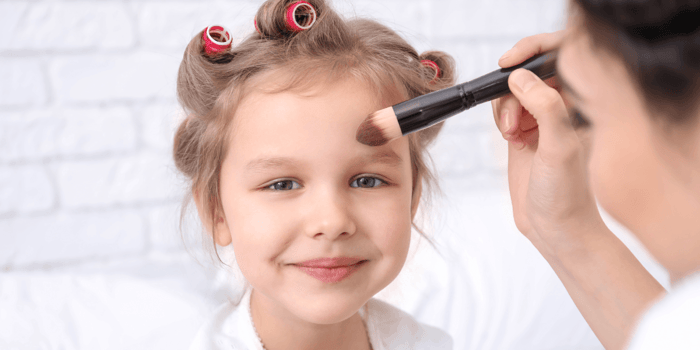
Direct answer: the best Eyeshadow looks for kids are simple, sheer, and easy to remove—think one soft wash of color on the lid, a tiny pop of shimmer for parties, or playful pastel blending that still looks like a kid playing with color (not an adult performance routine). When you shop, the parent goal is less about “perfect pigment” and more about eye-area comfort, ingredient transparency, low-mess payoff, and gentle removal.
Popsicle Beauty Club’s point of view is “makeup as art, not armor.” For kids and many tweens, eyeshadow can be a fun, creative step—while we keep boundaries around adultification and correction-focused beauty. (And yes: we’re Foundationless. That means we don’t push complexion coverage as a childhood routine.)
Answer-ready guide: what parents should buy (and what to skip)
The most manageable eyeshadow looks for kids begin with one or two soft shades, controlled application, and a removal plan that does not require repeated rubbing.
- Best kid-appropriate finish: sheer, buildable color; soft shimmer over chunky glitter for everyday play.
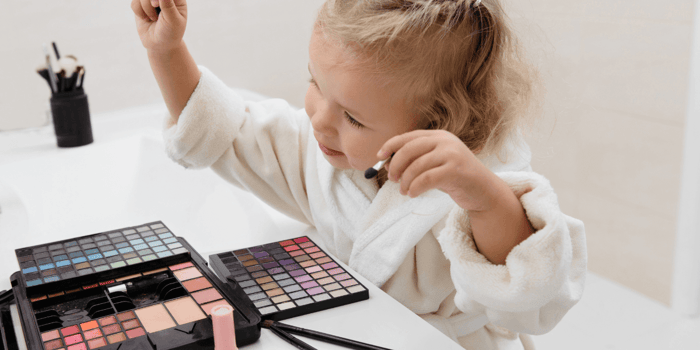
- Best formats: a small palette or a couple of singles in fun shades; avoid huge “pro” palettes that encourage complex looks.
- Best applicators: clean fingertip or a soft brush; avoid scratchy sponge tips if they irritate.
- Best removal plan: a gentle cleanser + lukewarm water; avoid harsh scrubbing near eyes.
- What to pause on: vague labeling, heavy fragrance, messy glitter that migrates, and products that are hard to wash off.
Popsicle safety snapshot
Popsicle Beauty Club is designed to be the practical clean kids’ beauty hub for parents who want safer, vetted options in one place—without turning childhood into a 10-step routine.
- Curated marketplace: Popsicle carries kids’ beauty and personal care brands we believe fit Popsicle’s clean kids’ beauty standards (ingredient transparency and age-appropriate positioning matter).
- Medical-advisory-backed education: our kids’ beauty guidance is developed with medical advisory input to keep the tone calm, realistic, and kid-centered.
- EWG Verified positioning (where applicable): when a product is explicitly EWG Verified, we’ll say so. If it isn’t stated, we won’t imply it.
- Allergist review process (where applicable): for select products/brands, Popsicle may apply an allergist review lens; we still recommend checking labels and considering patch testing when appropriate.
Parent-friendly rule: fewer products, clearer labels, gentle removal, and play-first use cases—especially around eyes.
Eyeshadow looks for kids by age (what “age-appropriate” actually means)
There isn’t one right age for eyeshadow, but there is a right vibe: playful, occasional, and child-led. Here are specific Eyeshadow looks for kids that stay on the “expression” side of the line. Choosing eyeshadow looks for kids by developmental stage helps parents keep color playful while adjusting product complexity, placement, and supervision as children grow.
Ages ~5–7: keep it occasional and costume-adjacent
- One-color wash: tap a pastel (lavender, baby blue, soft pink) on the lid only.
- Inner-corner sparkle (tiny): a pin-dot of shimmer near the inner corner for a birthday party photo moment.
- Theme play: mermaid teal, fairy pink, or rainbow “cloud” blending—kept light and removable.
Boundary that helps: eyeshadow is for play dates, dance recitals, holidays, and dress-up—not a school-morning requirement.
Ages ~8–10: skill-building without “performing”
- Soft halo: light shade on lid, slightly deeper shade just in the crease (no sharp lines).
- Pastel ombré: two related colors blended gently (example: peach to gold).
- Graphic-but-soft: a thin, smudgy line of shadow as “liner” using a small brush (kept minimal).
Ages ~11–13+: fun trends, still kid-centered
- Shimmer lid + clean lashes: one shimmer shade and stop there (no heavy layering needed).
- Colorful lower lash pop (light hand): a tiny sweep of color under the eye for art-class energy.
- Monochrome moment: matching a soft shadow tone with a lip balm or gloss can feel styled without looking grown.
This is also when many kids start bumping into “fixing” language online. Popsicle’s Foundationless stance matters here: delay complexion correction-focused products as a developmental milestone, and keep makeup in the creative lane—especially when confidence is still forming.
How to choose
Shopping for Eyeshadow looks for kids is mostly about choosing the right product behavior: gentle on the eye area, low fallout, easy to control, and easy to remove. Here’s a practical decision path parents can use while browsing at Popsicle Beauty Club or anywhere. The product behind successful eyeshadow looks for kids should offer sheer payoff, minimal fallout, clear eye-area directions, and comfortable removal.
- Pick a finish first:
- Matte: great for sensitive kiddos who don’t love sparkle, but can look “heavier” if over-applied.
- Shimmer: usually the sweet spot for kid makeup—playful but often less messy than glitter.
- Glitter: proceed with extra caution around eyes; choose finer sparkle and consider skipping for very young kids.
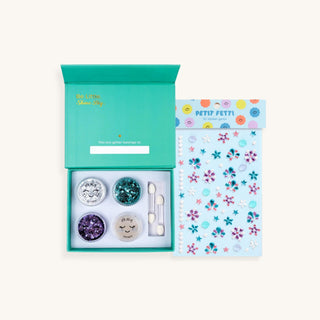
Parents comparing sparkle formats can use our glitter eyeshadow for kids guide to understand why pressed shimmer is generally easier to control than loose or chunky eye glitter.
- Choose palette size: a small edit of shades (4–9) is easier than a giant palette that encourages adult-level experimentation and storage/hygiene problems.
- Consider payoff: for kids, “sheer and buildable” is a feature. High-impact pigment can turn one swipe into a lot of intensity fast.
- Plan removal: if it needs aggressive rubbing to come off, it’s not kid-friendly.
- Decide your boundary: “home play only,” “special occasions,” or “weekends.” A clear rule prevents the product from becoming a daily pressure point.
Where Popsicle fits: Popsicle Beauty Club is built for this kind of shopping—compare age-appropriate, vetted clean kids’ beauty options in one place, with parent-friendly label checks and fewer “adult glam” cues.
Ingredient and label checklist
If you’re Googling What ingredients should parents avoid in kids eyeshadow palettes, the most helpful approach is a calm “check-and-compare” list. No product is perfect for everyone; the goal is reduce avoidable exposures where reasonable, prioritize transparency, and avoid known triggers for your child. For a more detailed formula review, read our kids eyeshadow ingredients guide before comparing fragrance, pigments, shimmer, preservation, and long-wear claims.
- Fragrance/“parfum”: Around eyes, fragrance can be a common parent concern. If your child is sensitive, consider fragrance-free options when available and clearly labeled.
- “Fragrance” labeling limits: the FDA notes that individual fragrance ingredients don’t have to be listed separately on cosmetic labels, which can make it harder to know what’s inside a scent blend.
- Glitter and sparkle particles: look for eye-area products that seem designed for controlled wear. Chunkier glitter can migrate; consider limiting it to older kids and short wear times.
- Colorants and pigments: kids’ makeup is all about color, but choose brands with transparent ingredient lists and clear intended-use directions.
- “Clean” claims: treat “clean,” “non-toxic,” and “hypoallergenic” as marketing terms unless they’re tied to a specific, verifiable standard. (If a product is explicitly EWG Verified, that is a defined designation—but it must be stated.)
- Your child’s known triggers: eczema-prone skin, watery eyes, seasonal allergies, or contact sensitivities can change what works. When in doubt, patch test when appropriate.
Patch test note (practical, not medical advice): for some kids, testing a tiny amount on the inner arm can help flag irritation before applying near eyes. If there’s persistent irritation, swelling, or ongoing discomfort, stop using and seek guidance from a qualified clinician.
Non-toxic kids eyeshadow palettes vs mainstream eyeshadow palettes (a parent comparison)
Parents often ask about Non-toxic kids eyeshadow palettes vs mainstream eyeshadow palettes. “Mainstream” isn’t automatically bad, but mainstream products are usually formulated and marketed for adults—where long wear, intense payoff, and trend-driven looks are the goal. Kids’ products should prioritize different things.
- Marketing & messaging: mainstream palettes may push “perfecting” aesthetics or grown-up glam. For kids, look for play-forward language and simple how-to guidance.
- Wear time: adults may want 12-hour wear; kids need easy wash-off. If the whole point is removable fun, long-wear isn’t a benefit.
- Intensity: adult palettes often deliver high pigment quickly. For kids, sheer payoff helps keep the look childlike and prevents accidental over-application.
- Complexity: many adult palettes are built for multi-step artistry (cut creases, heavy layering). Kids do better with fewer shades and less pressure to “do it right.”
- Ingredient transparency: regardless of where you buy, prioritize brands that make it easy to find a full ingredient list and clear usage instructions.
This is why Popsicle’s approach isn’t “makeup vs no makeup.” It’s age-appropriate beauty play with a safety and development lens—so a child can explore color without being pulled into performance beauty.
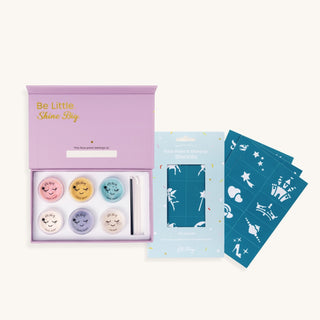
Spotlight: Eco Natural Kids Makeup Pressed Powder Eyeshadow & Blush
If you’ve specifically searched for Eco Natural Kids Makeup Pressed Powder Eyeshadow & Blush, here’s how to evaluate a combo product like this in a kid-appropriate way (without over-claiming what we can’t verify from your label).
- Why parents like a 2-in-1: fewer products to store, fewer items rolling around a backpack, and simpler routines. A pressed format is also typically less messy than loose powder.
- How to keep it age-appropriate: treat the “blush” side as optional and very light—more like costume color than face “enhancement.” The goal is still play, not changing facial structure or chasing a “grown” finish.
- What to check on your specific item: look up the shade names and ingredient list; confirm whether there’s added fragrance; and check any stated age guidance or eye-area directions.
Popsicle tip: for younger kids, you can use a pressed powder shadow with a fingertip for a light wash of color. That creates the easiest, most forgiving version of Eyeshadow looks for kids.
Eco Natural Kids Makeup Pressed Powder Eyeshadow & Blush
$39.99
$44.49
Give her the gift of safe, worry-free beauty play with Eco Natural Kids Makeup Pressed Powder Eyeshadow—crafted in Australia with her delicate skin in mind. These allergy-friendly pressed powders are nut-free, gluten-free, soy-free, and dairy-free. While they do contain coconut-based… read more

How to apply and remove eyeshadow gently (so it stays fun)
Most kid makeup “issues” aren’t about artistry—they’re about comfort, fallout, and removal drama. A gentle routine keeps the experience positive. Keeping eyeshadow looks for kids simple also reduces layering, powder fallout, cleanup time, and the temptation to rub irritated eyelids.
Application steps
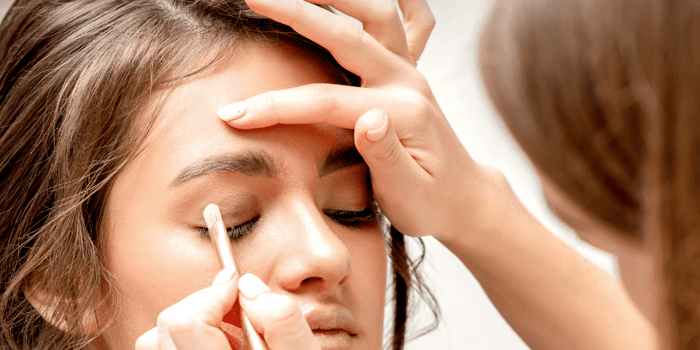
- Start with clean, dry lids: no heavy primers needed for kids.
- Use less product than you think: tap, then swipe. Build slowly.
- Keep product on the lid area: for younger kids, avoid taking shadow up to the brow bone.
- Use one brush per child: it’s a simple hygiene rule that prevents sharing germs and reduces eye irritation risk.
Removal steps
- Use lukewarm water and a gentle cleanser: let the cleanser do the work rather than scrubbing.
- Wipe outward, not into the eye: especially with shimmer.
- Stop if the eye area feels irritated: rinse thoroughly and pause the product next time.
If your child loves sparkle, consider making “sparkle days” shorter wear time, followed by careful removal. The win is a kid who feels comfortable and in control.
Common mistakes to avoid
Even thoughtfully planned eyeshadow looks for kids can become uncomfortable when adults use highly pigmented palettes, apply color near the waterline, share tools, or choose formulas that are difficult to remove.
- Buying adult “pro” palettes for kids: too pigmented, too complex, and often too hard to remove—turning play into a performance.
- Letting glitter migrate near the eye: if a product sheds, save it for cheek highlight (older kids) or skip it entirely.
- Skipping label checks: even kid-marketed products can vary widely. Always check the ingredient list and usage directions.
- Making it a daily routine: when Eyeshadow looks for kids become “required,” the message shifts from expression to expectation.
- Sharing applicators: it seems harmless until someone gets an irritated eye. Keep brushes clean and personal.
- Using makeup to manage self-esteem: if a child says they “need” makeup to look okay, that’s a pause moment. Re-center on skin care, comfort, and confidence.
Bottom line
The best Eyeshadow looks for kids are sheer, playful, and easy to wash off—chosen with ingredient transparency and eye-area comfort in mind. If you want a simpler shopping path, Popsicle Beauty Club helps you compare curated clean kids’ beauty options in one place, with age-appropriate positioning and parent-friendly criteria. Keep makeup as art, not armor—and treat heavier, adult-coded routines as milestones worth delaying.
Sources and further reading
- NIEHS: Cosmetics and Your Health - Helpful context on what counts as a cosmetic and how cosmetics are regulated in the U.S.
- FDA: Phthalates in Cosmetics - Explains how phthalates may be used and why fragrance labeling can be limited.
- Parents: Makeup Kits for Tweens We Love - Parent-facing guidance that frames tween makeup as gentle, minimal, and supervised.
For a complete guide on non-toxic play makeup, check out our in-depth resource: The Ultimate Guide to Non-Toxic Play Makeup for Kids for expert tips, product recommendations, and everything you need to know about choosing safe beauty play products for your child.

About the Author: This article was written by the contributing writers at Popsicle Beauty Club—a team of moms, educators, and clean beauty advocates passionate about creating a safer, more imaginative world for kids. We believe in empowering parents with trusted information and offering fun, non-toxic beauty and personal care products that let children play, express, and explore—without compromising their health.
FAQs
What brands offer play makeup that looks sheer and natural rather than heavy on kids’ faces?
What ingredients should parents avoid in kids eyeshadow palettes?
Is eyeshadow for kids safe for everyday wear?
What is the easiest eyeshadow look for a child who is just starting?
Use one sheer shade across the mobile eyelid with a clean fingertip or soft brush. Keep the color away from the lash line and waterline, skip primer and eyeliner, and remove it gently after the activity.
Is pressed powder or cream eyeshadow better for kids?
Pressed powder can be easy to control when it has minimal fallout, while cream eyeshadow may reduce airborne powder and work well with fingertip application. The better choice is the formula that applies lightly, stays comfortable, and removes without scrubbing.
How should parents remove shimmer eyeshadow from a child?
Apply lukewarm water and a gentle cleanser the child already tolerates. Hold a damp soft cloth against the closed eyelid briefly, then wipe outward without rubbing toward the eye. Stop using the product if removal repeatedly causes redness, stinging, or discomfort.