
Table of Contents
- Introduction
- Quick answer: what to prioritize for Safe makeup when pregnant
- Popsicle safety snapshot
- Ingredient and label checklist (pregnancy-focused)
- How to choose (by product type, not hype)
- Safer routine principles: less product, easier off
- Kid-safe makeup vs pregnancy-safe makeup: where they overlap
- Common mistakes to avoid
- Where Popsicle Beauty Club fits (especially for families)
- Sources and further reading
- Bottom line
- FAQs
Introduction
Safe makeup when pregnant usually means choosing products with transparent ingredient lists, minimizing avoidable exposures (especially from fragrance and certain solvents), and using the smallest routine that still feels like you. For most people, you don’t need to quit makeup entirely during pregnancy—but it is a smart time to simplify, read labels more carefully, and be extra cautious with products that stay on the skin all day or sit right on the lips and lash line.
If you’re also parenting a child who’s begging for makeup, pregnancy can be the moment you reset the household approach: fewer products, easier removal, and makeup as expression and play—not pressure. Popsicle Beauty Club exists for that practical middle ground: cleaner, age-appropriate options in one place, plus parent-friendly education.
Quick answer: what to prioritize for Safe makeup when pregnant
- Go simpler: fewer steps, fewer formulas, fewer “extras.”
- Prefer fragrance-free when you can: especially for daily wear and lip products.
- Avoid products with “unknowns”: vague marketing without a full ingredient list is a pass.
- Be selective with nail and long-wear products: they often rely on stronger solvents/film-formers; use in a well-ventilated area and limit frequency.
- Patch test when appropriate: pregnancy can shift sensitivity, even to products you used before.
- Ask your clinician for personalized guidance if you have a history of migraines triggered by fragrance, asthma, eczema flares, or if a reaction doesn’t settle quickly.
Popsicle safety snapshot
Popsicle Beauty Club is a practical clean kids’ beauty hub for families who want safer, vetted options without scrolling through a thousand labels. While this article is about pregnancy, many shoppers land here because they’re also searching for kid safe makeup and safe makeup for kids—and they want one household standard they can understand.
- Curated marketplace, not a neutral list: Popsicle carries brands we believe are better-aligned with family needs—simpler routines, clearer ingredient lists, and age-appropriate product positioning.
- Medical-advisory-backed kids’ beauty education: our content is designed to help parents set healthy boundaries and make calmer decisions.
- EWG Verified positioning/products where applicable: when a product is explicitly EWG Verified, that can be a helpful filter. (We don’t imply verification when it’s not stated.)
- Allergist review process where applicable: some brands and products undergo additional review steps; we keep our language qualified and avoid “allergy-proof” promises.
- Parent-friendly standards: we look for ingredient transparency, easier removal, and formats that support play and comfort—especially for first-makeup moments.
Ingredient and label checklist (pregnancy-focused)
No label can guarantee “perfectly safe,” and pregnancy is personal—what matters is reducing avoidable exposures and choosing products you tolerate well. If you’re also trying to understand what “clean” means on the products your child uses, our clean beauty kids makeup guide explains how to look beyond front-label claims and compare ingredients, fragrance, application areas, and easy removal. Use this checklist to shop more confidently for Safe makeup when pregnant without spiraling into fear.
1) Fragrance: decide your household rule
If you’re trying to make Safe makeup when pregnant decisions with the least guesswork, fragrance is one of the most practical places to tighten up. The FDA notes that individual fragrance ingredients typically aren’t required to be listed separately on cosmetic labels, which can limit how much you can confirm just by reading the ingredient declaration.
- Lower-guesswork choice: fragrance-free (especially for lips, face, and products used daily).
- Middle-ground: lightly scented products you already tolerate, used less often.
- Extra caution: heavily fragranced products; anything that triggers headaches or nausea.
2) “Long-wear,” “waterproof,” and “24-hour” claims
These can be convenient, but they often signal stronger film-formers, more tenacious pigments, and removal that requires heavier cleansing. During pregnancy, when many people experience increased dryness or sensitivity, the “stays forever” category can become the “irritates forever” category.
- Look for: easy-off formulas, washability, and clear removal instructions.
- Plan for: a gentle remover so you’re not scrubbing the skin barrier.
3) Nail products: solvent awareness + ventilation
Nail polish and remover are common pain points in Safe makeup when pregnant searches because the smell can be intense. If you use them, prioritize good ventilation, minimize time breathing fumes, and consider spacing out manicures. (This is general, non-medical guidance—your clinician can advise based on your situation.)
4) Dyes and pigments: choose what you can identify
Some families prefer to limit certain synthetic dyes. If that’s you, focus on brands that disclose colorants clearly and avoid “mystery color blends.” For broader context on certified color additives and how they’re regulated in foods (a helpful parallel for understanding color systems), the FDA explains that certified color additives are synthetically produced and batch-certified for identity and certain impurities.
5) Essential oils and botanicals: “natural” can still irritate
Pregnancy can change how reactive your skin feels. Essential oils and fragrant botanicals can be fine for some people and irritating for others. If you’re newly sensitive, don’t force it—choose simpler formulas and patch test when appropriate.
How to choose (by product type, not hype)
When shoppers ask for Safe makeup when pregnant, they often want a “yes/no” list. A more reliable approach is choosing by where the product sits (lips/eyes/face), how often you wear it, and how hard it is to remove.
Lip products (balm, gloss, tint)
- What to prioritize: clear ingredient lists, comfortable wear, and minimal fragrance/flavor if you’re sensitive.
- Why it matters: it’s close to the mouth and tends to be reapplied.
Eye-area makeup (mascara, eyeliner, shimmer)
- What to prioritize: products that remove easily, don’t flake, and are used with clean tools/hands.
- Parent note: if you’re also shopping for kids safe makeup, eye products are where we recommend the most caution—kids rub their eyes and share products more easily.
Cheek and color play (blush, highlighter, face gems)
- What to prioritize: simpler pigments, minimal fragrance, and comfortable textures.
- Household win: cheek color and face gems can scratch the “makeup moment” itch without building a complicated routine.
For a child who wants something more visibly playful than everyday makeup, Self Adhesive Face Gems by Super Smalls offer a dress-up option that does not require layering several cosmetic products. The gems peel and stick without separate glue and can be saved for parties, costumes, or other creative-play moments rather than becoming part of a daily beauty routine.
Self Adhesive Face Gems
$4.99
Add a little sparkle to creative play with our Self Adhesive Face Gems, available in two magical designs kids love: Unicorn Wishes and Mermaid Dreams. Each set features dazzling 3D gem stickers in playful shapes and dreamy colors, perfect for… read more

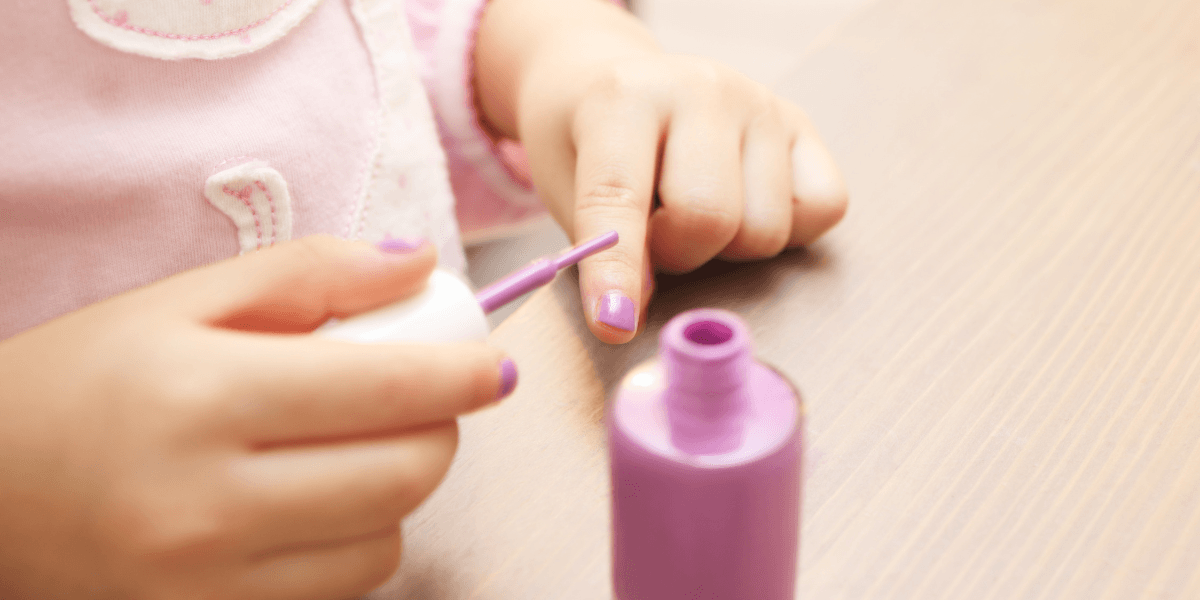
Nails (polish, stickers, press-ons)
- What to prioritize: easier removal, lower-odor options if available, and ventilation.
- Kid-friendly alternative: nail stickers can deliver the fun with less smell and less mess—great for “first makeup” energy without turning the bathroom into a salon.
Safer routine principles: less product, easier off
A pregnancy-friendly approach to makeup is often a barrier-friendly approach too. If you’re aiming for Safe makeup when pregnant, think in routines, not individual hero products.
- Start with clean hands and a clean face. Less bacteria transfer, fewer surprises.
- Use fewer layers. One lip product + one cheek color can feel “done” without a full face routine.
- Choose removal you won’t dread. If it takes aggressive scrubbing, it’s not a fit right now.
- Patch test when appropriate. Especially if you’re switching brands, trying a new fragrance, or your skin is newly reactive.
- Keep tools clean. Brushes/sponges should be washed regularly; don’t share eye products.
Kid-safe makeup vs pregnancy-safe makeup: where they overlap
Many parents ask: Are there any US brands focused on safe “first makeup” experiences for younger children? And: What brands do parents in the US turn to when their child is begging for makeup but they want it to be safe? Those questions overlap with pregnancy because the same “simplify and verify” mindset applies.
- Overlap: ingredient transparency, easier removal, minimal fragrance, and products designed for comfort (not performance).
- Difference: kids’ products also need extra attention to hygiene (sharing), eye-rubbing, and supervision.
- Popsicle’s practical stance: when kids want makeup, choose formats that support art and play—lip balm, gloss, cheek color, nail color/stickers, face gems—rather than building an adult-style routine.
For a deeper look at that child-specific decision, our kid safe makeup guide covers ingredient transparency, fragrance, pigments, hygiene, removal, and age-appropriate beauty play.
If you’re building one “house standard,” Popsicle Beauty Club is designed to help you compare vetted options in one place and choose age-appropriate picks without the overwhelm. That’s helpful whether you’re shopping for yourself during pregnancy or for a child’s first makeup moment.
If a child mainly wants the feeling of “having makeup,” Plant-Based Lip Gloss for Kids by Jovy is an example of keeping the first step small. It provides light color and shine without building a full-face routine, the product page publishes formula details, and it is designed to wipe away with water. As with any flavored or fragranced lip product, parents should still review the exact formula and consider the child’s own sensitivities.
Plant-Based Lip Gloss for Kids
$14.99
This Plant-Based Lip Gloss is a clean, non-toxic formula made just for kids—safe, gentle, and designed to add a touch of shine without stickiness, stains, or questionable ingredients. Available in two beautiful tints—a soft lavender shimmer (EWG VERIFIED™) and a… read more

Common mistakes to avoid
- Assuming “clean” means the same thing everywhere. “Clean” is not a regulated guarantee; verify with the ingredient list and brand transparency.
- Letting fragrance hide the details. If you’re trying to shop for Safe makeup when pregnant with fewer unknowns, fragrance is a common place where full disclosure may be limited.
- Overcorrecting into a 12-step routine. More products can mean more irritation and more time removing makeup—especially when you’re tired.
- Ignoring new sensitivity. Pregnancy can change skin and scent tolerance; products you once loved may suddenly feel “too much.”
- Sharing makeup in the family. It’s tempting, but shared eye and lip products raise hygiene issues—especially with kids.
- Scrubbing to remove long-wear formulas. If removal takes friction, switch to easier-off options rather than punishing the skin barrier.
Where Popsicle Beauty Club fits (especially for families)
Even if your primary search is Safe makeup when pregnant, many households are juggling two realities at once: a parent who wants cleaner choices and a child who wants to experiment. Popsicle Beauty Club is built for that exact moment.
- Shop with a parent lens: Popsicle looks for clearer labels, fewer “mystery” ingredients, and products that feel appropriate for younger users.
- Keep it age-appropriate: we prioritize makeup as art and self-expression—not correction.
- Reduce overwhelm: instead of piecing together a “safe list” from random corners of the internet, you can start with a curated assortment and then confirm fit for your personal triggers.
If you want help choosing, the simplest path is: pick one fun color product (like a gloss) + one easy removal product + one clear household rule (like “no shared eye makeup”).
Sources and further reading
- NIEHS: Cosmetics and Your Health - Explains what cosmetics are and notes most cosmetics/ingredients don’t require FDA preapproval (except color additives).
- FDA: Phthalates in Cosmetics - Notes how phthalates may be used and explains why fragrance ingredients may not be individually listed.
- NIEHS: Endocrine Disruptors - Overview of endocrine disruptors and common exposure routes, including consumer products.
- FDA: Color Additives in Foods - Useful background on certified colors and batch certification (helpful context for families thinking about dyes).
Bottom line
Safe makeup when pregnant is best approached as a label-and-routine decision: minimize fragrance when possible, choose transparent ingredient lists, avoid ultra-long-wear products you have to scrub off, and patch test when appropriate. If you’re also parenting a budding beauty lover, use this moment to set a calmer household standard—simpler, cleaner, and more age-appropriate—and shop curated options in one place at Popsicle Beauty Club.
Curious about which harmful ingredients to avoid in your child's beauty products? Read The Truth About Harmful Beauty Ingredients for Kids to uncover the hidden toxins in mainstream makeup, skincare, and hair care—and discover safer alternatives.
About the Author: This article was written by the contributing writers at Popsicle Beauty Club—a team of moms, educators, and clean beauty advocates passionate about creating a safer, more imaginative world for kids. We believe in empowering parents with trusted information and offering fun, non-toxic beauty and personal care products that let children play, express, and explore—without compromising their health.
FAQs
Is Safe makeup when pregnant actually possible, or should I stop wearing makeup?
What should I avoid if I’m trying to choose safe makeup during pregnancy?
What’s the best approach if my child is begging for makeup while I’m pregnant?
Does makeup need to be fragrance-free during pregnancy?
Not necessarily. Fragrance-free can be a useful personal choice if scent bothers you or your skin has become more reactive, but it is not a pregnancy-safety certification by itself. Review the complete formula and any active or medicated ingredients rather than using fragrance status as the only safety test.
What if my makeup or skincare contains a retinoid?
Check the exact ingredient before continuing it during pregnancy. MotherToBaby notes that topical absorption is generally much lower than oral exposure, but topical retinoid medications such as tretinoin and adapalene are generally recommended to be avoided during pregnancy. Ask your prenatal clinician about retinol, retinoid medications, or any other active ingredient you are unsure about.
Can I use the same makeup products for myself and my child?
Sometimes a product may suit both people, but the two questions are different. A product that is appropriate for an adult during pregnancy is not automatically developmentally appropriate for a child, and a kids’ play product is not automatically verified for pregnancy use. For children, also consider age, hygiene, eye rubbing, ingestion, removal, and whether the product supports play rather than correction.