
Table of Contents
- Introduction
- 1) What “non toxic” really means in non toxic kids shampoo
- 2) How to read a kids shampoo label (fast, realistically)
- 3) Ingredients to look for in a gentler non toxic kids shampoo
- 4) Ingredients and claims to be cautious about (without panic)
- 5) How to pick the right formula by age, hair type, and routine
- 6) How to use non toxic kids shampoo to minimize irritation (routine + patch testing)
- 7) Bottom line: a simple checklist for buying non toxic kids shampoo
- FAQs
Introduction
Shopping for non toxic kids shampoo can feel confusing because “non toxic” isn’t a regulated standard on its own—it’s often shorthand for “made without certain ingredients” or “designed to be gentle.” The good news: you can still make a smart, practical choice by learning what to look for on the ingredient list, understanding common claims, and matching a formula to your child’s hair and scalp needs.
This guide is meant to be calm and useful (not alarmist). You’ll find concrete label-reading tips, ingredient callouts, and a routine that helps many families minimize dryness, itchiness, and eye stinging—without assuming any product is perfect for every kid. Always check the label (formulas change), and patch test when trying something new.
1) What “non toxic” really means in non toxic kids shampoo
In beauty, “non toxic” is typically a shopping preference, not a certification. Brands may use it to signal things like:
- Fewer controversial ingredients (for example, no added fragrance, certain preservatives, or specific surfactants).
- Gentler cleansing for kids’ hair and scalps.
- Simpler formulas that reduce the chance of irritation for some children.
That said, any shampoo—“clean” or conventional—can still cause irritation if a child is sensitive to an ingredient. The goal when choosing non toxic kids shampoo is usually to minimize known triggers (like heavy fragrance) and choose a formula appropriate for hair type and frequency of washing.
2) How to read a kids shampoo label (fast, realistically)
When you’re scanning a bottle, start with the back label. Ingredients are listed roughly from highest to lowest concentration. A few practical tips:
- Look for “fragrance” early in the list. If “fragrance,” “parfum,” or multiple essential oils show up high on the list, it may be more likely to bother sensitive scalps or eyes. (Not always, but it’s a common issue.)
- Identify the cleansers (surfactants). These do most of the washing. Mild surfactants can be a better fit for frequent washing or fine hair.
- Check the “extras.” Conditioners, oils, botanical extracts, and proteins can help (or feel heavy) depending on hair texture.
- Don’t overvalue front-label claims. “Natural,” “hypoallergenic,” “dermatologist tested,” and “tear-free” can be helpful signals, but they don’t replace reading the ingredient list.
If your child has a history of sensitivity, consider keeping a short “avoid list” based on what has actually caused issues for them before. That’s more effective than trying to avoid every debated ingredient category.
3) Ingredients to look for in a gentler non toxic kids shampoo
There’s no single perfect formula, but many parents looking for non toxic shampoo for kids prioritize a blend of mild cleansers plus scalp-friendly conditioning. Here are ingredient types that often show up in gentler shampoos:
Mild surfactants (cleansers)
- Coco-glucoside and decyl glucoside: commonly used gentle, sugar-derived surfactants.
- Sodium cocoyl isethionate: a mild cleanser often found in creamy washes and solid bars.
- Sodium lauroyl methyl isethionate: another mild option that can cleanse without feeling as stripping for some hair types.
- Cocamidopropyl betaine: frequently used to boost foam and mildness; note that a small number of people can be sensitive to it, so watch for reactions.
Conditioning and detangling helpers
- Guar hydroxypropyltrimonium chloride: helps slip and detangling without making hair feel greasy.
- Panthenol (pro-vitamin B5): often used for a smoother feel and manageability.
- Glycerin: a humectant that can help reduce that “squeaky clean” feel, especially in drier climates (though in very humid weather, some hair types may feel frizzier).
Soothing/support ingredients (nice-to-have, not required)
- Colloidal oatmeal or oat extract: commonly used for a comfort-focused feel.
- Aloe: can feel soothing, but it’s not universally tolerated—patch testing matters.
- Simple formulas: fewer botanicals can be a plus for highly sensitive kids.
As you compare options, think about your child’s hair first: fine hair often does best with lighter conditioning; coily, curly, or very long hair often benefits from more slip. The “best non toxic kids shampoo” is the one that fits your child’s hair and your washing routine—not the one with the longest list of extracts.
4) Ingredients and claims to be cautious about (without panic)
Being “cautious” doesn’t mean a product is dangerous—it means it may not be the best match for your goals, your child’s sensitivities, or daily use. When shopping for non toxic kids shampoo, these are common watch-outs:
Heavy or complex fragrance systems
- “Fragrance/Parfum”: can include many aroma materials; some kids do fine, others get itchy or watery eyes.
- Essential oils (like lavender, peppermint, tea tree, citrus oils): “natural” doesn’t automatically mean gentle. Essential oils can be sensitizing for some children, especially in leave-on products, but even rinse-off can be irritating for some.
Stronger cleansers (especially for frequent washing)
- Sodium lauryl sulfate (SLS): effective cleanser; can feel drying or stingy for some kids, especially with daily washing or dry scalps.
- Sodium laureth sulfate (SLES): often milder than SLS, but still may be too cleansing for some sensitive scalps.
If your child swims often, plays sports daily, or needs frequent washing, choosing a milder cleanser can help keep hair from feeling straw-like between washes.
“Formaldehyde-releasing” preservative names to recognize
Preservatives are necessary in water-based products to prevent microbial growth. Some families prefer to avoid certain preservative types. If that’s your preference, scan for names such as DMDM hydantoin, imidazolidinyl urea, diazolidinyl urea, and quaternium-15. Many brands have moved away from these, but they still appear in some products.
Overly rich add-ons for fine hair
- Heavy oils and butters high in the ingredient list (like shea butter or certain oils): great for some curls, but can weigh down fine hair and make it look greasy faster.
- Silicones (for example, dimethicone, amodimethicone): can add slip and shine; some parents prefer to avoid them for buildup reasons, while others love the detangling. If you use silicones, occasional clarifying (gentle) may help if hair feels coated.
Remember: a product can be “clean” and still not work for your child’s hair. Choosing non toxic shampoo kids often comes down to minimizing irritation triggers and maximizing manageability.
5) How to pick the right formula by age, hair type, and routine
Use these criteria to narrow down the best non toxic shampoo for kids for your household:
If your child is very young or bath time is a struggle
- Prioritize low-fragrance or fragrance-free.
- Look for a simple ingredient list and avoid heavily scented essential oil blends.
- Consider a 2-in-1 only if it truly reduces tangles; otherwise, a separate conditioner can reduce detangling battles.
If your child has fine hair or oily roots
- Choose a lightweight shampoo with mild surfactants and minimal heavy oils.
- Condition only mid-lengths to ends, not the scalp.
If your child has curls, coils, or long tangly hair
- Look for slip (conditioning polymers, panthenol) and consider pairing with a conditioner.
- A very “squeaky” shampoo can increase tangles; a creamier cleanser can make wash day easier.
If your child swims or uses lots of styling products
- You may need a slightly stronger cleanse occasionally, followed by conditioning.
- Consider alternating: a daily gentle non toxic kids shampoo most days, and a more cleansing wash less often.
Most importantly, define “best” for your family: fewer tears in the bath, less tangling, less dryness, and a scent level everyone can tolerate.
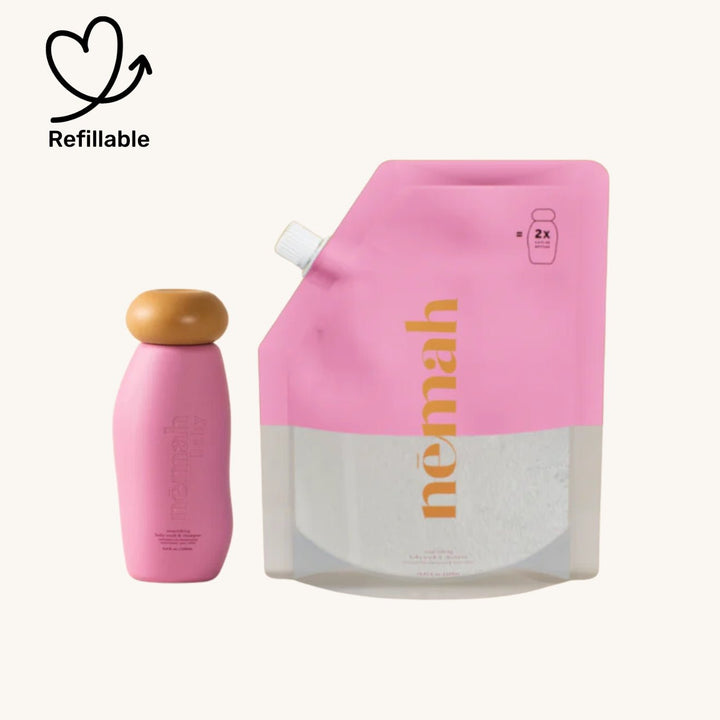
Non-Toxic Baby & Kids Body Wash & Shampoo – Refillable Set
$19.99
Nemah’s Baby & Kids Body Wash & Shampoo is a gentle, plant-derived formula designed to cleanse and protect delicate skin and hair. Unlike many mainstream baby shampoos loaded with synthetic fragrances, sulfates, parabens, and dyes that can dry or irritate… read more
6) How to use non toxic kids shampoo to minimize irritation (routine + patch testing)
Even the best non toxic kids shampoo can cause issues if it’s used like an adult shampoo (too much product, too frequent washing, not rinsed well). Try this routine:
- Use less than you think. Start with a small amount (especially for fine or short hair). You can always add more.
- Emulsify in your hands first. Rub shampoo between wet palms before applying—this helps distribute it evenly.
- Focus on the scalp. The lengths mostly need the rinse water and a little suds, not a full scrub.
- Rinse longer. A thorough rinse reduces leftover surfactants that can irritate skin.
- Condition strategically. If using conditioner, apply mid-lengths to ends; detangle gently with fingers or a wide-tooth comb.
Patch test when appropriate: If your child is prone to reactions or you’re switching formulas, test a small amount on a limited area of skin (like the inner forearm) and watch for irritation over the next day. If irritation occurs, discontinue use and consider checking with a qualified professional for personalized guidance.
Troubleshooting quick tells:
- Hair feels dry or straw-like: shampoo may be too cleansing or you may be washing too often; try a milder cleanser or add conditioner.
- Scalp looks flaky: could be dryness, product residue, or sensitivity; try rinsing longer, reducing fragrance, and avoiding heavy oils on the scalp.
- Eyes sting: reduce fragrance, rinse quickly, and consider washing hair earlier in the bath so shampoo doesn’t sit on skin.
Families interested in a gentler overall routine may also enjoy our guide to easy homemade skin care recipes for kids, which focuses on simple, age-appropriate care habits.
7) Bottom line: a simple checklist for buying non toxic kids shampoo
If you want to shop confidently for non toxic kids shampoo without overcomplicating it, use this shortlist:
- Choose fragrance-free or lightly fragranced if your child is sensitive (and remember that essential oils count as fragrance too).
- Prioritize mild surfactants (glucosides, isethionates, betaines) if you wash frequently.
- Match conditioning level to hair type: lightweight for fine hair, more slip for curls/long hair.
- Scan preservatives and avoid specific types if they’ve been an issue for your family.
- Keep it simple when in doubt—fewer botanicals can be easier for reactive scalps.
- Check labels every time (formulas change), and patch test when trying a new product.
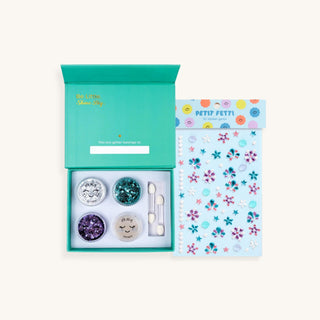
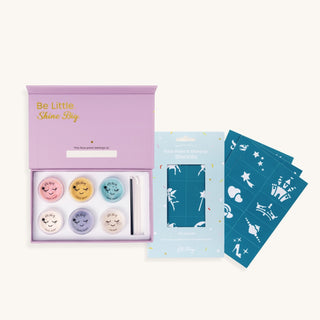
And if your shopping list also includes play products, apply the same calm logic to non toxic makeup for kids: prioritize minimal fragrance, avoid known personal triggers, and choose products designed for easy removal so you’re not scrubbing delicate skin.
Ultimately, the “right” non toxic kids shampoo is the one that keeps hair clean, detangles easily, and stays comfortable on your child’s scalp—while fitting your family’s preferences and routine.
Curious about which harmful ingredients to avoid in your child's beauty products? Read The Truth About Harmful Beauty Ingredients for Kids to uncover the hidden toxins in mainstream makeup, skincare, and hair care—and discover safer alternatives.
About the Author: This article was written by the contributing writers at Popsicle Beauty Club—a team of moms, educators, and clean beauty advocates passionate about creating a safer, more imaginative world for kids. We believe in empowering parents with trusted information and offering fun, non-toxic beauty and personal care products that let children play, express, and explore—without compromising their health.