

Table of Contents
- Introduction
- Do kids actually need face wash? What’s different about kids’ skin?
- What age should kids start using face wash?
- How to shop for a kids face wash: a practical checklist
- Ingredient and label guidance: what to look for (and what to be cautious with)
- How to use kids face wash: a simple routine that avoids over-cleansing
- Real-life scenarios: sunscreen, sports, makeup, and “stubborn” dirt
- Bottom line: choosing a kids face wash you’ll actually keep using
- FAQs
Introduction
Choosing a kids face wash sounds simple—until you’re standing in the aisle (or scrolling) deciding between “gentle,” “foaming,” “acne,” “fragrance-free,” and a dozen ingredients you can’t pronounce. The good news: most kids don’t need complicated skincare. The goal of a kids face wash is basic, practical cleansing that supports skin comfort—without stripping, stinging, or turning hygiene into a battle.
This guide breaks down what age should kids start using face wash, how to pick a formula that makes sense for your child’s skin and habits, and how to use it in a routine that’s easy to stick with. As always, check labels (ingredients and directions can vary widely), and consider a patch test when trying something new.
Do kids actually need face wash? What’s different about kids’ skin?
For many children, warm water (and a soft washcloth when needed) does the job. A dedicated face wash for kids becomes more useful when life gets messier: sunscreen, sports sweat, playground dirt, face paint, or the early signs of puberty-related oiliness.
Kids’ routines also need to be realistic. If a cleanser feels tight, looks overly “active,” or creates a ton of foam and fragrance, it may be harder for kids to tolerate and easier for parents to overuse. A well-chosen kids face wash should feel comfortable immediately after rinsing—think “clean and calm,” not squeaky.
What age should kids start using face wash?
There isn’t one perfect age. The better question is when should kids start using face wash based on lifestyle and skin changes.
- Early childhood: Many kids can stick with water alone most days. Add a gentle cleanser occasionally if they wear sunscreen daily, get visibly dirty, or struggle to rinse thoroughly with water.
- Elementary age: If your child is active, using daily sunscreen, or starting to notice mild oiliness around the nose/forehead, a simple kids face wash once a day (usually at night) can make sense.
- Pre-teen and teen: As oil and sweat increase, cleansing becomes more consistently helpful. This is also when kids might ask for “acne wash,” but starting with a gentle cleanser first is often a smart, non-irritating baseline.
In other words: can kids use face wash? Yes—when it’s gentle, used appropriately, and matched to the child’s skin and routine. If a product causes stinging, redness, dryness, or a tight feeling, stop and reassess (sometimes less is more).
How to shop for a kids face wash: a practical checklist
If you’re looking for the best face wash for kids, it helps to think like a formulator and a parent at the same time: mild cleansing + high rinseability + no unnecessary extras.
1) Choose a gentle cleanser type
- Cream or lotion cleanser: Often feels more cushioning and less drying. Great for normal-to-dry skin or kids who dislike foam.
- Gel cleanser: Can work well for normal-to-oily skin if it’s sulfate-free and not overly stripping.
- Foaming cleanser: Foam can be fun, but it’s not automatically gentler. Check the surfactants (cleansing agents) and post-rinse feel.
2) Look for “fragrance-free” if your child is sensitive
Fragrance can make a product more pleasant, but it’s also a common reason products sting, especially around the eyes or on skin that’s a bit dry. If your child has ever complained that soap “burns,” consider starting with fragrance-free. (Note: “unscented” can still include masking fragrance—labels vary.)
3) Prioritize easy rinsing
A kids face wash should rinse clean without leaving a slippery film that encourages extra scrubbing. The more a child has to work to rinse, the more likely they’ll over-rub or leave residue at the hairline.
4) Avoid stacking too many actives at first
Some cleansers include exfoliating acids or acne-fighting ingredients. Those can be appropriate later, but a gentle “daily cleanser” is usually the best first step. If you want to address breakouts, it’s often easier to introduce one targeted product at a time rather than starting with a cleanser that already does “everything.”
5) Packaging matters for kids
- Pump bottles help control how much product they use (and reduce mess).
- Clear directions (how much, how long, how often) make it easier to build a consistent habit.
- Travel-friendly sizes are helpful for school bags, sports, and sleepovers.
Ingredient and label guidance: what to look for (and what to be cautious with)
Ingredient lists can look intimidating, but you don’t need to memorize chemistry. Focus on a few practical signals.
Good signs in a gentle daily cleanser
- Mild surfactants (cleansers) paired with skin-conditioning ingredients.
- Humectants like glycerin that help reduce that “tight” feeling after rinsing.
- Barrier-supporting ingredients such as ceramides or soothing agents (when included) that can make cleansing more comfortable.
Ingredients and features to be cautious with (especially for first-time users)
- Strong exfoliants in a daily cleanser (for example, multiple acids plus scrubby particles). Overuse can lead to dryness or sensitivity.
- Harsh detergents that leave skin feeling squeaky or tight—this often encourages kids to scrub more or use hotter water.
- Heavy fragrance or essential oil blends if your child is sensitive or the product goes near the eye area.
- “Tingly” or “cooling” sensations (often from menthol-like ingredients). Kids may interpret this as “working,” but it can be irritating for some.
Remember: the best face wash for kids is the one your child will use consistently and comfortably. “Gentle” isn’t just a marketing word—it should match the actual experience on your child’s skin.
Patch test tip: If your child has sensitive skin, try a small amount along the jawline or behind the ear once daily for a couple of days before using it all over the face. Always keep products away from the eyes, and rinse thoroughly.
For a broader framework on reading ingredient lists and product claims, see our guide to clean beauty for kids.
Looking for a clean, natural face wash for your kid? We highly recommend this fragrance free option. Check it out!
Teen Skin Ultra Gentle Foaming Face Wash for Kids
$16.99
The Teen Skin Ultra Gentle Foaming Face Wash is designed specifically for teens and pre-teens, making skincare simple and safe from the start. This fragrance-free, oil-free formula creates a rich, airy foam that lifts away dirt, excess oil, and environmental pollutants… read more

How to use kids face wash: a simple routine that avoids over-cleansing
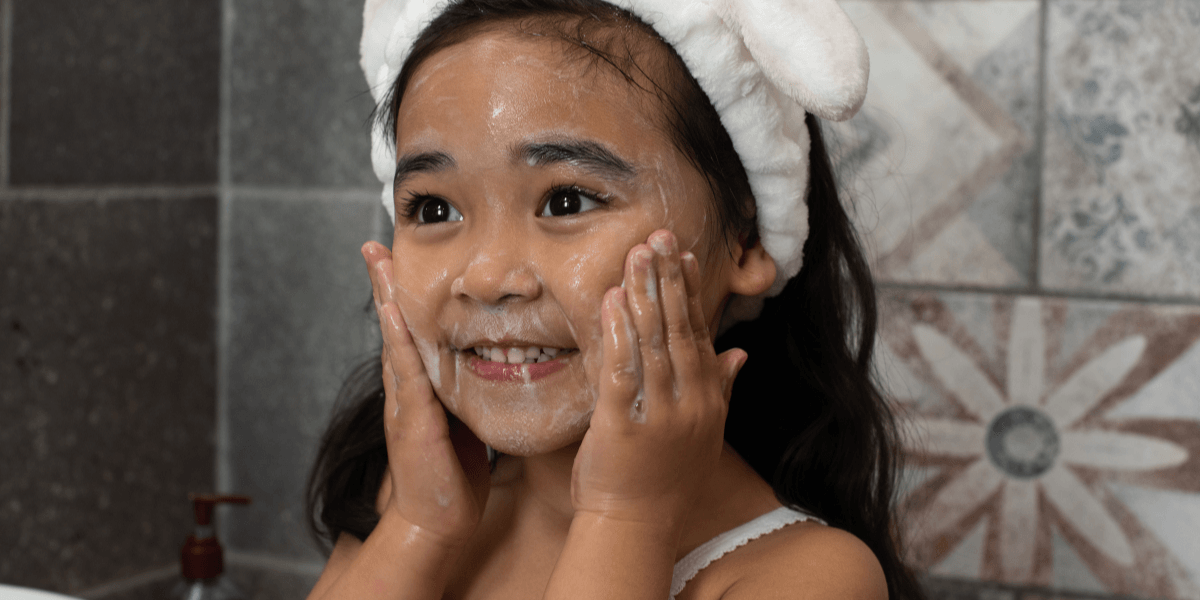
Even the gentlest cleanser can cause dryness if used too often, with water that’s too hot, or with too much scrubbing. Here’s a simple approach most families can maintain.
Night routine (often the best place to start)
- Wash hands first so you’re not rubbing germs or food residue onto the face.
- Use lukewarm water. Hot water can increase dryness and redness.
- Use a small amount (pea-size to one pump, depending on packaging).
- Cleanse for 10–20 seconds, focusing on the T-zone (forehead, nose, chin) and any areas with sunscreen.
- Rinse well around the hairline and jaw.
- Pat dry with a clean towel—no scrubbing.
If skin feels dry afterward, consider a simple, fragrance-free moisturizer. Cleansing and moisturizing work better as a pair than adding more cleanser.
Morning routine (optional)
In the morning, many kids can simply rinse with water. If they wake up very oily or sweaty, a quick cleanse with kids face wash is fine—just watch for dryness over time and scale back if needed.
Real-life scenarios: sunscreen, sports, makeup, and “stubborn” dirt
Parents usually start looking for a kids face wash because something changed. Here’s how to handle common situations without turning skincare into a complicated project.
Sunscreen days
If your child wears sunscreen daily (great habit), cleansing at night becomes more important. A gentle cleanser used thoroughly—especially around the hairline, ears, and jaw—can help remove residue. If sunscreen feels hard to remove, you can cleanse twice with the same gentle product rather than jumping straight to a harsh formula.
Sports and sweat
After sports, a quick rinse can be helpful. If your child can’t shower right away, wiping with water on a clean cloth and cleansing at home is a reasonable plan. The key is not to over-scrub sweaty skin, which can feel itchy and lead to irritation.
Makeup, stage makeup, or face paint
For occasional makeup (dance recitals, playtime), start with a gentle cleanse. If product remains around the eyes or hairline, do a second gentle cleanse rather than scrubbing. Choose eye-area products carefully and remind kids not to rub their eyes.
Masks and friction
If your child wears a mask for school, travel, or sports, friction and trapped humidity can make skin feel rough or bumpy. A mild, consistent routine—gentle cleansing at night and moisturizer if needed—often supports comfort better than aggressive “clarifying” cleansers.
Bottom line: choosing a kids face wash you’ll actually keep using
The right kids face wash is the one that fits your child’s age, skin feel, and daily life—especially sunscreen and activity level. If you’re deciding when should kids start using face wash, aim for a simple milestone approach: start when water alone doesn’t feel like enough, begin with a gentle cleanser once daily (usually at night), and adjust based on comfort.
- Choose gentle, easy-rinsing formulas with minimal irritation risk.
- Be cautious with heavy fragrance and overly “active” cleansers at the start.
- Use lukewarm water, short cleanse times, and no scrubbing.
- Check labels for directions and ingredients, and patch test when trying something new.
With those basics, finding a kids face wash becomes less about chasing the most “powerful” option and more about building a comfortable habit that supports clean, happy skin.
For a deeper dive into safe skincare for kids, visit Safe & Non-Toxic Skincare for Kids to discover the best clean beauty products, DIY recipes, and tips for keeping your child’s skin healthy and toxin-free.

About the Author: This article was written by the contributing writers at Popsicle Beauty Club—a team of moms, educators, and clean beauty advocates passionate about creating a safer, more imaginative world for kids. We believe in empowering parents with trusted information and offering fun, non-toxic beauty and personal care products that let children play, express, and explore—without compromising their health.