

Table of Contents
- Introduction
- Answer-ready summary (for parents)
- Popsicle safety snapshot
- Trend 1 (2026): Color and individuality—how to make it kid-appropriate
- Trend 2: The tween skincare pull—simple routines win
- Trend 3: Ingredient and format trends—what matters for kids (and what doesn’t)
- How to choose (a parent decision path)
- Ingredient and label checklist (what to check before buying)
- Common mistakes to avoid
- Bottom line: what Popsicle wants parents to take from 2026 trends
- Sources and further reading
- FAQs
Introduction
The safest way to shop the latest kids’ beauty wave is to treat trends as play and self-expression, not a daily “face routine.” In today's kids beauty trends, the biggest parent takeaway for 2026 is this: lean into color, sparkle, nails, and gentle self-care—and put boundaries around adult-style skincare and any complexion-correction mindset. Popsicle Beauty Club is not anti-makeup; we’re against adultification and performance beauty reaching kids too early.
Below, we translate what’s showing up in beauty trend reporting into practical, label-checkable shopping guidance—what to choose, what to delay, and how to keep beauty age-appropriate and low-pressure.
Answer-ready summary (for parents)
- Kid-appropriate trend zones: lip balm/gloss, washable color, nail polish, hair accessories, face gems for special occasions, gentle cleanser/moisturizer/SPF basics. Understanding kids beauty trends helps parents separate creative play from adult beauty expectations.
- Boundary zone: adult skincare “actives” and multi-step routines for tweens; anything framed around fixing skin or looking older.
- Foundationless rule: foundation, concealer, simple skin care, simple moisturizers, and correction-focused routines are developmental milestones worth delaying—makeup should be art, not armor.
- Parent-friendly criteria: transparent ingredient lists, easy removal, lower irritation risk (especially around eyes/lips), fragrance clarity, and kid-safe play positioning.
- When to get help: persistent irritation, rash, or distress about skin is a reason to check with a qualified clinician—don’t “solve” it with correction-focused products.
Popsicle safety snapshot
Popsicle Beauty Club is built to be a practical, clean kids’ beauty hub—a place where parents can compare more vetted, age-aware options in one place rather than guess in a sea of trends. Popsicle helps families navigate kids beauty trends without losing sight of age-appropriate beauty play.
- Medical-advisory-backed kids’ beauty education: We focus on age-appropriate routines and choices that support comfort, hygiene, and healthy development.
- Ingredient standards first: We prioritize transparent labels and cleaner formulations. EWG Verified positioning/products are highlighted where applicable (not assumed).
- Allergy and sensitivity awareness: An allergist review process may apply where applicable; families should still patch test and avoid personal triggers.
- Foundationless positioning: We keep the line clear: kids’ beauty can be fun and expressive, but we don’t normalize complexion correction as a childhood routine.
Trend 1 (2026): Color and individuality—how to make it kid-appropriate
One of the biggest kids beauty trends for 2026 is the move toward colorful self-expression.. That’s a trend parents can actually use—because it naturally supports beauty as expression, not correction. Allure’s 2026 trend coverage emphasizes playful color stories and multidimensional finishes, which translate well into kid-friendly choices when you keep them simple, removable, and occasion-based.
How to interpret this trend through Trends by Category: Emerging Trends in Kids' Beauty:
- Best kid translations: sheer lip color, balm + sparkle, nail color, hair glitter gel (easy washout), temporary face gems for parties, and washable “art” looks.
- What to watch: very fine glitter near eyes (migration risk), long-wear stains that are hard to remove, and anything marketed as “camera-ready” for kids.
- Parent move: set a “play window” (weekends, dress-up, birthdays) rather than letting trends become a daily baseline.
Foundationless reminder: Color trends are an invitation to paint, not to perfect. If a child wants to “even out” skin or cover normal features, that’s a cue to pause and reframe.
Trend 2: The tween skincare pull—simple routines win
Another important part of today's kids beauty trends is the growing interest in skincare among tweens.. Parents.com has reported that tweens are still drawn to adult skincare through social media, while dermatologists tend to recommend simple, gentle routines for young skin rather than strong, adult-style actives. Our guide to skincare kits for kids explains how to build a simple routine without introducing unnecessary products too early.
What this means in practice:
- For most tweens: a gentle cleanser, a basic moisturizer if needed, and daily sunscreen are the core. More steps are not automatically “better.”
- Why parents are right to be cautious: young skin can be more reactive; piling on products (especially fragranced or active-heavy ones) can increase irritation and make skin feel like a “problem to manage.”
- What to do instead of chasing adult trends: focus on comfort (dryness, sensitivity), hygiene (post-sports cleansing), and consistency (SPF habit), not “glass skin” goals.
This is a key pillar of Trends by Category: Emerging Trends in Kids' Beauty: trend awareness is useful only if it leads to fewer, better choices—not a 10-step routine for a 10-year-old.
Trend 3: Ingredient and format trends—what matters for kids (and what doesn’t)
Not every change in kids beauty trends deserves a place in a child's routine. Beauty trend coverage in 2026 also highlights changes in formats (more user-friendly textures, hybrid-feeling products, and routine simplification). Good Housekeeping’s 2026 trend overview points toward practical innovation and simplified sensorial textures. Vogue’s 2026 hair trend reporting also notes an increased focus on reading ingredient lists and scalp health. For kids, the translation is straightforward: choose formats that are gentle, quick, and easy to rinse or remove. If you're comparing products, our guide to understanding ingredient safety explains how to evaluate labels before buying.
Kids-appropriate “format wins” to look for:
- Washable, water-based play makeup (easier removal is a safety and hygiene feature, not just convenience).
- Fragrance-light or fragrance-clear products for sensitive families—especially in leave-on items.
- Simple hair care that supports detangling and scalp comfort (kids generally don’t need bond-repair routines unless there’s a real hair concern).
What matters less than TikTok makes it seem:
- Complex “skin cycling” concepts and adult performance routines.
- Correction claims (pore-blurring, perfecting, smoothing as a goal for children).
Quick science-aware note: The National Institute of Environmental Health Sciences (NIEHS) explains that cosmetics are part of everyday exposures and that cosmetic ingredients generally don’t require FDA preapproval (except color additives). That’s not a reason to panic—it’s a reason to choose simpler products with clear labels for kids when you can.
How to choose (a parent decision path)
If you only take one shopping framework from today's kids beauty trends, make it this: choose by age, use-case, and removability—not by what’s viral.
Step 1: Start with the “why”
- Dress-up / creative play: prioritize washable color, face gems, hair accessories, and nail art.
- Sports / hygiene: prioritize gentle cleanser, deodorant as needed, lip balm, and hair/scalp comfort basics.
- Special occasions: choose one or two “fun” items (sparkly gloss + nails) rather than a full face.
Step 2: Choose the right product categories (what to buy vs. what to delay)
- Great starter categories: lip balm, sheer gloss, nail polish, gentle body care, detangler, simple shampoo/conditioner, face gems used occasionally.
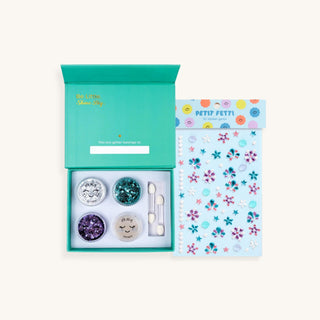
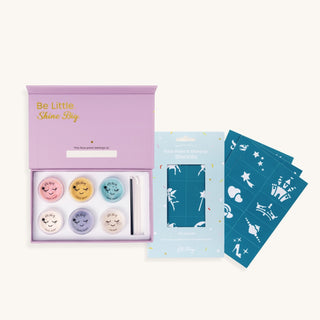
If you're looking for a simple way to introduce children to today's kids beauty trends without jumping into adult-style routines, a play-focused makeup kit is a great place to start. Choosing products designed around creativity, easy removal, and age-appropriate use helps keep beauty centered on imagination rather than appearance.
Natural Kids Play Makeup Kit
$34.99
$40.99
Looking for a clean beauty gift that’s safe, fun, and worry-free? This natural play makeup kit lets little ones explore color and creativity with non-toxic, skin-friendly formulas parents trust. Each kit includes vibrant loose powder eyeshadows, soft blush, lipstick, and… read more

- Approach with caution: strong exfoliants, heavy fragrance in leave-on products, long-wear stains, and anything used close to eyes without clear guidance.
- Delay (Foundationless boundary): foundation, concealer, simple skin care, simple moisturizers, and correction-focused routines. If a teen is distressed about acne, prioritize skin care support and consider clinician guidance instead of normalizing concealment as “required.”
Step 3: Set “family rules” that keep trends healthy
- Rule of two: pick two fun items, skip the rest.
- Occasion-based makeup: weekends, performances, parties—rather than daily correction.
- Removal is part of the routine: if it can’t come off easily, it’s not a kid product in spirit.
Where Popsicle fits: Popsicle Beauty Club curates kids’ beauty and personal care so parents can shop with fewer tabs open—filtering for age-appropriate positioning and clearer labels, and avoiding products that push adult performance beauty.
Ingredient and label checklist (what to check before buying)
Clean and “safe for kids” labels are not a magic shield. Your best protection is a quick, repeatable label check—especially for products used on lips, near eyes, or left on skin for hours. Following kids beauty trends should never replace reading ingredient labels.
1) Fragrance: know what you’re agreeing to
- If a child is sensitive, consider choosing products with clear fragrance disclosure or fragrance-free options when possible.
- FDA notes that individual fragrance ingredients don’t always have to be listed separately, which can make it hard to know everything that’s inside “fragrance.” (This is one reason many parents prefer simpler formulas for kids.)
2) Dyes and bright pigments: decide your comfort level
- Bright colors can be part of joyful beauty play. The question is where they go (eyes/lips vs. nails) and how often.
- If your family avoids certain synthetic dyes in food, it’s reasonable to apply that same caution to cosmetics and look for transparent pigment lists. California OEHHA has reviewed evidence on synthetic food dyes and neurobehavioral outcomes; it’s not a cosmetics ruling, but it helps explain why some families choose to minimize dye exposure where they can.
3) Glitter and sparkle: choose safer sparkle
- Prefer sparkle that’s designed to be easy to remove and used away from the waterline.
- Teach a simple rule: no rubbing glittery products into eyes; wash hands after application.
4) Patch test and removal: make “comfort” the standard
- Patch test when appropriate, especially for leave-on products or if your child has a history of sensitivity.
- Prioritize products that remove with gentle cleanser/warm water rather than aggressive scrubbing.
- If irritation, rash, or burning happens: stop use and consider clinician guidance if it persists.
NIEHS context (non-alarmist): NIEHS explains that cosmetics are products used for cleansing/beautifying and notes that most cosmetic ingredients aren’t FDA-preapproved before sale (except color additives). For kids, that’s a practical argument for fewer products, clearer labels, and simpler routines—the heart of Popsicle’s standards.
Common mistakes to avoid
Some kids beauty trends are worth embracing, while others are better delayed until later adolescence.
- Buying adult products to “keep up” with tween trends. If the marketing is about anti-aging, resurfacing, or “perfecting,” it’s not kid-aligned—no matter how cute the packaging looks on social.
- Letting beauty become a daily performance. The trend-friendly alternative is occasional, creative play: makeup as art, not armor.
- Confusing “clean” with universally non-irritating. Even cleaner-leaning products can bother sensitive skin. Patch testing and ingredient awareness still matter.
- Skipping removal and hygiene. Long-wear products that require heavy rubbing can lead to irritated skin and a miserable bedtime routine.
- Using coverage as an emotional fix. For kids and many teens, correction-focused products can teach that their face is a problem. If skin concerns are real, focus on gentle care and professional guidance—not concealment as a baseline.
Bottom line: what Popsicle wants parents to take from 2026 trends
Kids beauty trends is only helpful if it makes shopping simpler and childhood healthier. The 2026 theme we’re watching is a split: more color and individuality (great for kids when it stays playful) alongside more adult skincare pressure (not great when it becomes a routine or a fixation).
Popsicle’s bottom line: choose trends that are easy, removable, and expressive; delay complexion correction as a developmental milestone; and use Popsicle Beauty Club as your curated clean kids’ beauty hub for parent-friendly label checks and vetted options in one place. The best kids beauty trends encourage creativity without encouraging adult beauty standards.
Sources and further reading
- Allure: Makeup trends 2026 - Reporting on 2026 makeup direction toward color, texture, and individuality.
- Parents: Tweens are buying adult skincare - Dermatologist-guided reminder that younger skin generally needs simple routines.
- Good Housekeeping: 2026 beauty trends - Product-format and texture trend context that can be translated into kid-appropriate simplicity.
- Vogue: 2026 hair-care trends - Ingredient-led haircare trend context; useful for thinking about scalp comfort without importing adult complexity.
- NIEHS: Cosmetics and your health - Explains what counts as cosmetics and notes limited premarket approval requirements (except color additives).
- FDA: Phthalates in cosmetics - Notes how phthalates may be used and that fragrance ingredients aren’t always listed individually.
Curious about which harmful ingredients to avoid in your child's beauty products? Read The Truth About Harmful Beauty Ingredients for Kids to uncover the hidden toxins in mainstream makeup, skincare, and hair care—and discover safer alternatives.
About the Author: This article was written by the contributing writers at Popsicle Beauty Club—a team of moms, educators, and clean beauty advocates passionate about creating a safer, more imaginative world for kids. We believe in empowering parents with trusted information and offering fun, non-toxic beauty and personal care products that let children play, express, and explore—without compromising their health.