
Table of Contents
- Introduction
- Why “fragrance-free” matters (and what it doesn’t guarantee)
- Start with age-aware goals: what a kids skincare set should actually do
- Shopping criteria for a fragrance-free kids skincare set (what to check before you add to cart)
- Ingredient and label guidance: what to seek out and what to be cautious with
- A simple, realistic routine kids can stick to (AM/PM templates)
- Patch testing and “first week” rules for new products
- How sets fit with fun add-ons (lip gloss, makeup) without turning skincare into a chemistry project
- Quick FAQ: “Is e.l.f. skincare good for kids?” (and how to decide for any brand)
- Bottom line: what a good fragrance-free kids skincare set looks like
- FAQs
Introduction
Shopping for a fragrance-free kids skincare set can feel oddly complicated: some sets look like mini adult routines, others are basically colorful packaging, and labels like “clean,” “natural,” or “gentle” don’t always tell you what you need to know. This guide is designed to help you shop with confidence—without overreacting, overbuying, or turning skincare into a stressful “fix.”
Below you’ll find practical criteria for choosing a fragrance-free kids skincare set, simple routine templates by age and skin type, and label-reading tips that actually help in a store or on a product page. As always, check the ingredient list for your child’s specific sensitivities and consider patch testing before fully committing.
Why “fragrance-free” matters (and what it doesn’t guarantee)
Kids’ skin can be more reactive than adults’ skin, especially when it’s exposed to many new products at once. Choosing a fragrance-free kids skincare set is one practical way to lower the chance of irritation because fragrance (including many essential oils used for scent) is a common trigger for stinging, redness, or discomfort in sensitive skin.
That said, “fragrance-free” isn’t a magic stamp that guarantees zero irritation. A product can be fragrance-free and still contain other ingredients that don’t agree with your child’s skin (for example, certain exfoliating acids, strong surfactants, or heavy occlusives). And “unscented” is not the same as fragrance-free—unscented products may still include masking fragrance.
Shopping takeaway: Look for “fragrance-free” on the front and scan the ingredient list for “fragrance,” “parfum,” and common fragrant essential oils if you’re trying to keep scent out of the routine.
Start with age-aware goals: what a kids skincare set should actually do
The best fragrance-free kids skincare set isn’t the one with the most steps—it’s the one that matches your child’s age, attention span, and skin needs. A simple set supports skin comfort and basic hygiene without pushing actives that are better saved for older teens/adults.
Ages ~3–7: keep it extremely simple
- Goal: Gentle cleansing when needed + moisturize dry patches.
- Ideal set size: 2 products (cleanser, moisturizer) or even just moisturizer if cleansing is already handled in the bath.
- Avoid: Leave-on exfoliants, “brightening” treatments, heavy acne routines.
Ages ~8–12: basic routine + good habits
- Goal: Comfortable skin, consistent cleansing (especially after sports), moisturize, and begin SPF habits (SPF may or may not be part of a set).
- Ideal set size: 2–3 products (cleanser, moisturizer, optional lip balm).
- Consider: A simple, non-stinging cleanser; a lightweight moisturizer if skin is oily.
Teens (13+): still simple, but may need targeted support
- Goal: Keep barrier strong while addressing oiliness or breakouts carefully.
- Ideal set size: 3 products (cleanser, moisturizer, sunscreen) with optional spot care if needed.
- Note: If acne is significant, it’s reasonable to ask a clinician for guidance rather than stacking lots of trending products.
Shopping criteria for a fragrance-free kids skincare set (what to check before you add to cart)
Use this checklist when comparing a fragrance-free kids skincare set across brands. It’s intentionally concrete, so it works whether you’re shopping online or in-store.
- Clear product purpose: Each item should have a straightforward job (cleanse, moisturize, protect). If you can’t explain what a product does in one sentence, it may be unnecessary.
- Gentle cleanser format: Look for a mild, non-stripping cleanser. If your child’s skin feels tight right after washing, that’s a sign the cleanser may be too strong or used too often.
- Moisturizer texture that fits skin type: Creams can help dry skin; lightweight lotions/gels may be more comfortable for oily or combination skin. The best formula is the one your child will consistently use.
- Packaging that supports hygiene: Pumps or squeeze tubes can be more hygienic and easier for kids than open jars.
- Minimal step count: Especially for younger kids, fewer steps reduce the chance of irritation and increase follow-through.
- Label clarity: “Fragrance-free” should be explicit. If a set is heavily scented or marketed with “aroma,” it’s likely not for sensitive skin.
- Red flag marketing: Be cautious with extreme promises (e.g., “detox,” “miracle,” “instant perfect skin”). A good kids routine should feel boring—in a good way.
Building a simple skincare routine is often easier when products are designed to work together, especially for tweens and teens who are just getting started with daily skincare habits.
Fragrance-Free Kids Skincare Set
$29.99
$32.98
The Natural Outcome fragrance-free Kids Skincare Set includes two everyday essentials—the Teen Skin Ultra Gentle Foaming Face Wash and the Teen Skin Calm Control non toxic face moisturizer. Designed for teens and pre-teens, this plant-based duo makes skincare simple and… read more

Ingredient and label guidance: what to seek out and what to be cautious with
Ingredient lists can look intimidating, but you don’t need to memorize chemistry to choose a fragrance-free kids skincare set. Focus on a few high-signal categories.
Generally helpful, kid-friendly categories
- Barrier-supporting moisturizers: Ingredients like glycerin and other humectants can help skin feel comfortable. Ceramides and similar skin-identical lipids are often used to support the skin barrier.
- Soothing agents: Some formulas include calming ingredients (for example, colloidal oatmeal in certain moisturizers). The key is that the formula feels non-stinging and comfortable.
- Simple occlusives for dryness: Petrolatum-based products can be useful for very dry patches or chapped areas (not everyone needs this step).
Use extra caution with these (especially for younger kids)
- Strong exfoliants: Leave-on AHAs/BHAs, peel pads, or “resurfacing” products can be too much for many kids’ skin and are easy to overuse.
- Retinoids/retinol products: Often unnecessary for kids and may increase irritation if used without guidance.
- Highly fragranced botanicals: Even when “fragrance” isn’t listed, essential oils used for scent can be irritating for some skin types.
- Heavy essential-oil blends: If a product’s vibe is “spa in a bottle,” it may not be the best choice for sensitive kid skin.
Practical tip: When trying a new fragrance-free kids skincare set, add only one new product at a time for several days. If something doesn’t agree with skin, you’ll know what caused it.
A simple, realistic routine kids can stick to (AM/PM templates)
The most effective routine is the one your child will actually do without a daily negotiation. These templates are intentionally simple and can be built from a fragrance-free kids skincare set plus sunscreen as needed.
AM routine (most kids)
- Rinse or gentle cleanse (optional): If skin isn’t oily or sweaty, a water rinse may be enough. If cleansing, keep it quick and use lukewarm water.
- Moisturize: Apply a thin layer to slightly damp skin. Focus on cheeks and dry areas.
- Sun protection: Use an SPF your family likes and will reapply. (Many sets don’t include SPF; it’s still worth prioritizing.)
PM routine (most kids)
- Cleanse: Especially after sports, sunscreen, face paint, or heavy outdoor play. Avoid harsh scrubbing or hot water.
- Moisturize: A slightly richer layer at night can help if skin runs dry.
- Targeted extra (only if needed): A simple occlusive on very dry patches or around the mouth in cold weather can be helpful.
How much product? For kids, less is usually more. A pea-size amount of moisturizer can often cover the face. Over-applying can feel sticky and make kids avoid the step entirely.
Patch testing and “first week” rules for new products
Even a well-chosen fragrance-free kids skincare set can cause irritation if your child is sensitive to a specific ingredient or if too many new products are introduced at once. Patch testing is a low-effort way to reduce surprises.
Simple patch test approach
- Pick a small area: Inner forearm is a common spot; behind the ear also works for some families.
- Apply a small amount: Use the product as directed, but only on that small area.
- Wait and observe: Check over the next day or two for redness, itching, bumps, or stinging.
- Introduce gradually: If it looks fine, start using it a few times per week before daily use.
Also important: Teach kids to tell you if something stings or burns. Skincare should feel comfortable. If discomfort continues, stop using the product and reassess the routine.
How sets fit with fun add-ons (lip gloss, makeup) without turning skincare into a chemistry project
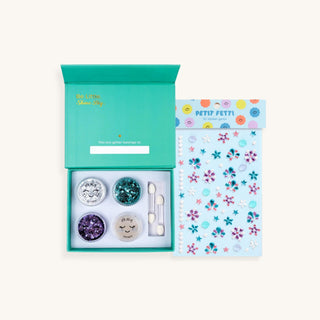
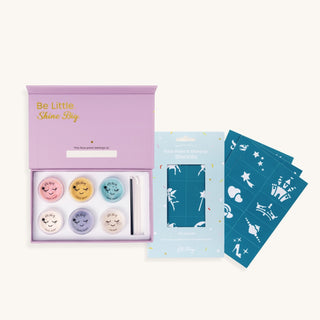
Many parents shopping for a kids skincare set are also considering a kids lip gloss set or a kids makeup set non toxic for play. These can coexist with a simple skincare routine—just keep the priorities clear: comfort, easy removal, and ingredient transparency. If you're comparing different gloss kits, our guide to kids lip gloss sets explains what parents should check before buying.
Kids lip gloss set: what to look for
- Comfort over plump: Skip “plumping” style claims that can tingle or sting.
- Simple emollients: A basic, non-irritating formula is the goal.
- Flavor and scent awareness: Even if facial skincare is fragrance-free, many glosses are flavored/scented. If your child is sensitive, choose simpler options and watch for chapping around the mouth.
Kids makeup set non toxic: helpful reality check
“Non toxic” isn’t a regulated cosmetic category, so treat it as marketing rather than a guarantee. Instead, prioritize:
- Clear ingredient lists and brand transparency.
- Easy removal: Makeup that comes off with a gentle cleanser is less likely to encourage scrubbing.
- Avoid eye-area irritation: Be cautious with glitter near eyes and with products that cause stinging.
If makeup is in the mix, a kids skincare set gentle cleanser becomes even more important at night to remove products without over-washing.
Quick FAQ: “Is e.l.f. skincare good for kids?” (and how to decide for any brand)
Questions like is elf skincare good for kids come up a lot because popular brands are easy to access and kids are curious about what they see online. The most useful approach is to evaluate the specific product, not the brand name.
- Check for fragrance: If you’re committed to a fragrance-free kids skincare set approach, verify the exact product is fragrance-free on the label and ingredient list.
- Skip strong actives for younger kids: Products marketed for exfoliation, resurfacing, or intensive acne treatment can be too much for a child who just needs basic care.
- Choose simple staples: A gentle cleanser and basic moisturizer are usually the most kid-compatible categories.
- Patch test: Even “gentle” formulas can vary from person to person.
Bottom line: what a good fragrance-free kids skincare set looks like
A great fragrance-free kids skincare set is simple, comfortable, and easy to use consistently. It focuses on the basics—gentle cleansing and moisturizing—without piling on unnecessary steps or heavily scented ingredients. Look for clear “fragrance-free” labeling, hygienic packaging, and formulas that don’t sting. Introduce products slowly, check labels every time (formulas can change), and patch test when trying something new.
If you want the shortest shopping filter: choose a fragrance-free kids skincare set with 2–3 products max, skip strong actives for younger kids, and build a routine that takes under two minutes. Consistency beats complexity.
For a deeper dive into safe skincare for kids, visit Safe & Non-Toxic Skincare for Kids to discover the best clean beauty products, DIY recipes, and tips for keeping your child’s skin healthy and toxin-free.

About the Author: This article was written by the contributing writers at Popsicle Beauty Club—a team of moms, educators, and clean beauty advocates passionate about creating a safer, more imaginative world for kids. We believe in empowering parents with trusted information and offering fun, non-toxic beauty and personal care products that let children play, express, and explore—without compromising their health.