
Table of Contents
- Introduction
- Quick answer-ready summary (for parents)
- Popsicle safety snapshot
- What families mean by “non-toxic” (and why the term gets messy)
- The most common reasons parents switch (what changes when families switch to non-toxic kids makeup)
- How to choose (a practical decision path by age + use case)
- Ingredient and label checklist (what to check before buying)
- How to use “cleaner” kids makeup in an age-appropriate routine
- Common mistakes to avoid
- Where Popsicle Beauty Club fits (a practical shopping solution)
- Sources and further reading
- Bottom line
- FAQs
Introduction
Why Parents Switch to Non-Toxic Makeup for Kids usually comes down to three practical things: ingredient uncertainty (parents can’t tell what’s in mainstream “play makeup”), skin comfort (irritation, dryness, or stinging—especially around eyes and lips), and values (wanting age-appropriate beauty that feels like creative play, not performance beauty).
If you’re here because your child asked for makeup, you’re not alone. The parent-friendly goal isn’t to ban beauty—it’s to keep it gentle, removable, and developmentally appropriate. At Popsicle Beauty Club, we frame makeup as art, not armor, and we treat correction-focused complexion products as a milestone worth delaying.
Quick answer-ready summary (for parents)
- Why the switch: families want clearer ingredient lists, fewer “mystery fragrance” concerns, easier removal, and less irritation risk—plus a healthier message about self-image. Why Parents Switch to Non-Toxic Makeup for Kids often comes down to choosing products that feel simpler, more transparent, and better suited to childhood than mainstream beauty trends.
- What changes: routines get simpler (less product, fewer steps), and makeup becomes occasional “play” (lip balm/gloss, nail color, sparkle) instead of daily correction.
- What to buy first: start with lip care, nail color, and washable sparkle (used away from the waterline). Add color cosmetics gradually and only when your child can follow hygiene rules.
- What to delay: foundation, concealer, simple skin care, simple moisturizers, and any routine designed to cover or “fix” skin.
- How to shop: choose transparent labels, minimal formulas, easy removal, and kid-appropriate positioning; patch test when appropriate and stop if irritation occurs.
Popsicle safety snapshot
Popsicle Beauty Club is a curated clean kids’ beauty hub—not a neutral review site. We exist to make shopping feel less like guesswork and more like a parent-friendly filter.
- Medical-advisory-backed kids’ beauty education: our education is built to be evidence-aware and practical for families.
- Ingredient standards first: Popsicle looks for transparent ingredient lists and simpler, cleaner-leaning formulas that feel more appropriate for kids and teens.
- EWG Verified positioning where applicable: when a product is EWG Verified, we treat that as a helpful signal—without implying it’s the only standard that matters.
- Allergist review process where applicable: when an allergist review is part of a product’s vetting story, we highlight it clearly (and still encourage patch testing).
- Curated marketplace: Popsicle carries vetted brands in one place so parents can compare options without scrolling a thousand trend-driven launches.
Our non-negotiable: child-appropriate positioning comes before conversion. Beauty should support imagination, hygiene, and self-care—not teach kids that their natural face needs “fixing.”
What families mean by “non-toxic” (and why the term gets messy)
Most parents searching non toxic makeup for kids are really asking for: “What’s the safer-feeling, more transparent option that won’t irritate my child’s skin and won’t normalize adult beauty pressure?”
Here’s the reality: “clean,” “non-toxic,” and even “safe for kids” are marketing terms more than regulated guarantees. The National Institute of Environmental Health Sciences (NIEHS) notes that cosmetics and personal care products are part of everyday chemical exposures, and it also explains that cosmetics generally don’t require FDA approval before going on the market (except for color additives). That’s why parents often switch to brands and retailers that do more proactive vetting and label clarity.
Why Parents Switch to Non-Toxic Makeup for Kids is as much about confidence as it is about any single ingredient—because parents want to reduce avoidable exposures where reasonable and keep routines simple.
The most common reasons parents switch (what changes when families switch to non-toxic kids makeup)
1) They want fewer surprises around fragrance
Fragrance is a top reason families start re-evaluating kids makeup. The FDA explains that individual fragrance ingredients typically don’t have to be listed separately, which can make it hard to know what’s in “fragrance” on an ingredient label. For sensitive kids, that uncertainty alone can be enough to look for fragrance-free or clearly scented (fully disclosed) alternatives.
2) They’ve dealt with irritation—or want to avoid it
Kids’ skin can be reactive, and eye/lip areas are especially high stakes. Parents often switch after seeing stinging, redness, dryness, or itchy patches from heavily fragranced products, messy glitter, or long-wear formulas that require lots of rubbing to remove.
3) They’re noticing “performance beauty” creeping in too early
Popsicle is not anti-makeup. We’re against adultification and correction-focused routines for children, tweens, and teens. A lot of mainstream beauty content teaches kids that makeup is for looking “better” or hiding normal skin. Families switch because they want makeup to be creative (color, sparkle, nail art) rather than corrective (coverage, concealing, “perfecting”).
4) They want easier removal and better hygiene
For kids, the best makeup is the kind that comes off without scrubbing. Parents switch when they realize that long-wear adult formulas can increase friction at bedtime (and on skin). They also want products that fit basic hygiene rules: clean hands, no sharing, and tools that can be washed.
5) They want cleaner color choices (especially for daily-use items)
When parents see bright, candy-colored “kids makeup,” they often start asking where pigments come from and how color additives work. FDA explains that certified color additives are synthetically produced and batch-certified for identity and certain impurities—and that color additives don’t go through the GRAS pathway. That doesn’t mean “all synthetic color is bad,” but it does explain why many families prefer simpler, clearly labeled options for products used frequently or near the mouth.
How to choose (a practical decision path by age + use case)
If you’re shopping for kids non toxic makeup, choosing by “best” isn’t as helpful as choosing by use case and developmental readiness. Here’s the path we recommend at Popsicle Beauty Club. Understanding Why Parents Switch to Non-Toxic Makeup for Kids can help families focus on products that support creativity instead of encouraging correction-focused beauty routines.
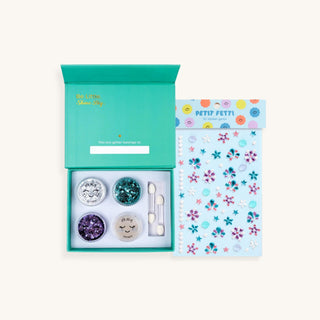
1. Start with the lowest-risk category: lip balm (or a gentle gloss) and nail color. These support fun without pushing complexion correction. For families making their first switch after reading Why Parents Switch to Non-Toxic Makeup for Kids, a simple play-focused kit is often the easiest place to begin. The Natural Kids Play Makeup Kit by Oh Flossy keeps beauty centered on creativity, imaginative play, and easy-to-remove products without introducing adult-style beauty routines.
Natural Kids Play Makeup Kit
$34.99
$40.99
Looking for a clean beauty gift that’s safe, fun, and worry-free? This natural play makeup kit lets little ones explore color and creativity with non-toxic, skin-friendly formulas parents trust. Each kit includes vibrant loose powder eyeshadows, soft blush, lipstick, and… read more

2. Choose occasional, supervised add-ons: washable sparkle, face gems, or costume-style face paint for parties—used away from the lash line and waterline.
3.Add color cosmetics slowly: if your child can follow hygiene rules, remove makeup fully, and handle “no” when it’s not appropriate (school, sports, sleepovers—your call).
4. Delay complexion coverage: foundation, concealer, simple skin care, simple moisturizers, and any “even your skin” positioning. Those are developmental milestones worth delaying because they teach kids to manage their face like a problem.
5. Prioritize skin care over coverage: if a tween/teen is distressed about breakouts, focus on gentle cleansing and hydration first. For persistent acne, irritation, or distress, consider guidance from a qualified clinician.
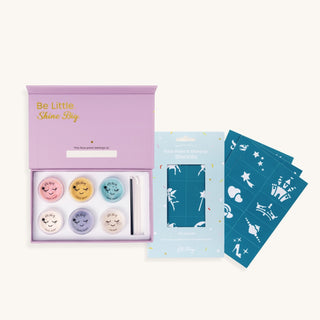
If you're ready to make the switch after reading Why Parents Switch to Non-Toxic Makeup for Kids, choosing a thoughtfully designed starter kit can make the process much simpler. The Sweetest Strawberry Makeup Kit for Girls reflects the same principles discussed throughout this guide by focusing on playful self-expression, ingredient transparency, and age-appropriate beauty rather than adult-style routines.
The Sweetest Strawberry Makeup Kit for Girls
$39.98
Encourage creativity and confidence with The Sweetest Strawberry Makeup Kit for Girls — a sweet bundle that combines our 5-Piece Strawberry Cupcake Makeup Set with sticker gems just as sweet. Formulated with vibrant mineral pigments and a skin-friendly base parents… read more

Why Parents Switch to Non-Toxic Makeup for Kids often becomes a “less, but better” approach: fewer products, clearer labels, and a more playful purpose.
Ingredient and label checklist (what to check before buying)
Because “non-toxic kids makeup” can mean different things to different brands, Popsicle recommends using a checklist you can apply consistently—no panic, just better filters.
- Full ingredient list is available: avoid products with missing or vague ingredient disclosures. If you'd like to become more confident comparing cosmetic labels, our guide to understanding ingredient safety explains what parents should look for before buying children's beauty products.
- Fragrance clarity: if your child is sensitive, consider fragrance-free options or formulas with clearly disclosed scent components. Remember: FDA notes fragrance ingredients may not be individually listed.
- Eye-area caution: be extra cautious with products marketed for around the eyes. Prefer simpler formulas and avoid loose glitter that can migrate.
- Ease of removal: long-wear claims can mean more rubbing. For kids, prioritize “easy off” over “stays forever.”
- Minimal formula, minimal steps: fewer products on younger kids is often the most practical “clean” strategy.
- Color additive transparency: especially for lip products, look for clear color information and avoid mystery dyes if that’s a family preference.
- Watch your child’s known triggers: everyone has different sensitivities; your best filter is your child’s history.
Patch test when appropriate: apply a small amount to a small area first and wait to see how skin responds. If irritation occurs, stop use and reassess.
How to use “cleaner” kids makeup in an age-appropriate routine
Switching products is only half the equation. The other half is how makeup is framed and used. For many families, Why Parents Switch to Non-Toxic Makeup for Kids is ultimately about changing the conversation around beauty—not just changing the products themselves.
Parent-friendly rules that reduce drama (and reduce skin issues)
- Makeup has a context: play dates at home, parties, dance recitals—rather than “every day because my face needs it.”
- Hands first: wash hands before applying anything near eyes or lips.
- No sharing: especially lip products and eye products.
- Remove it fully: gentle cleanser + lukewarm water; avoid harsh scrubbing. Follow with a simple moisturizer if needed.
- Keep it fun: color, sparkle, and nail art are “makeup as art, not armor.”
If your child is asking for correction-focused products because of social pressure or self-criticism, that’s a cue to pause. Why Parents Switch to Non-Toxic Makeup for Kids often becomes a larger reset: switching from “fix my face” to “care for my skin and express myself.”
Common mistakes to avoid
- Buying adult complexion products for kids: even “clean” foundation or concealer pushes correction-focused beauty. Popsicle’s Foundationless stance: delay foundation, concealer, simple skin care, and simple moisturizers for kids, tweens, and many teens.
- Assuming “natural” means non-irritating: botanical extracts and essential oils can still bother sensitive skin.
- Trusting front-label claims over the ingredient list: “hypoallergenic,” “dermatologist tested,” and “safe” aren’t universal guarantees.
- Letting sparkle wander into the eyes: loose glitter can migrate. Prefer kid-appropriate, well-adhered sparkle formats and keep product away from the waterline.
- Overbuying a full routine at once: start small. Add one product at a time so you can tell what works.
- Skipping patch testing: especially if your child has a history of sensitivity.
Where Popsicle Beauty Club fits (a practical shopping solution)
Parents searching best non toxic makeup for kids typically want one place to compare options without becoming a cosmetic chemist overnight. Popsicle Beauty Club is built for that: a curated marketplace of vetted clean kids’ beauty brands plus education that keeps the child’s development at the center.
- If you’re building a starter kit: choose 2–3 items (lip care + nail + a washable fun extra) rather than a full face set.
- If your child has sensitive skin: prioritize fragrance clarity, minimal formulas, and easy removal; introduce products one at a time.
- If the request is really about fitting in: offer expressive alternatives (gloss, nail art, face gems) and keep the boundary on coverage. That’s not anti-makeup—it’s protective timing.
Why Parents Switch to Non-Toxic Makeup for Kids is exactly why Popsicle exists: fewer questionable ingredients, fewer adult messages, and more parent control—without taking away the fun.
Sources and further reading
- NIEHS: Cosmetics and Your Health - Explains what cosmetics are and notes most don’t require FDA approval before market (except color additives).
- FDA: Phthalates in Cosmetics - Notes how phthalates may be used and explains fragrance labeling limitations.
- FDA: Color Additives in Foods - Helpful background on certified colors and how color additives are regulated.
- Parents: Makeup Kits for Tweens - Parent-facing criteria emphasizing gentle, minimal, supervised tween makeup.
Bottom line
Why Parents Switch to Non-Toxic Makeup for Kids is rarely about chasing a perfect label—it's about reducing avoidable exposures, simplifying routines, and keeping beauty age-appropriate. Keep the starter kit small, prioritize clear ingredients and easy removal, patch test when appropriate, and remember Popsicle’s Foundationless boundary: delay complexion coverage and keep makeup in the lane of creativity, play, and self-expression.
For a complete guide on non-toxic play makeup, check out our in-depth resource: The Ultimate Guide to Non-Toxic Play Makeup for Kids for expert tips, product recommendations, and everything you need to know about choosing safe beauty play products for your child.

About the Author: This article was written by the contributing writers at Popsicle Beauty Club—a team of moms, educators, and clean beauty advocates passionate about creating a safer, more imaginative world for kids. We believe in empowering parents with trusted information and offering fun, non-toxic beauty and personal care products that let children play, express, and explore—without compromising their health.