
Table of Contents
- Introduction
- 1) What “clean” can realistically mean for kids hair care
- 2) Ingredients to look for in a clean kids shampoo
- 3) Ingredients many families choose to limit or avoid
- 4) How to read the label: “tear-free,” “hypoallergenic,” and other tricky claims
- 5) How to choose a clean kids shampoo by hair type and lifestyle
- 6) Routine + use advice: how much to use, how often, and when to condition
- 7) A quick note on “clean makeup for kids” and why hair care still matters
- Bottom line: a parent-friendly checklist for clean kids shampoo shopping
- FAQs
Introduction
Shopping for clean kids shampoo can feel oddly high-stakes: the bottle is going near eyes, scalps can be sensitive, and marketing words like “natural,” “non-toxic,” and “tear-free” aren’t regulated in a consistent way. The goal isn’t perfection—it’s finding a gentle, effective shampoo you’re comfortable using regularly.
This guide breaks down practical ingredient and label cues to help you compare options for clean kids shampoo without fear-based assumptions. You’ll learn what to look for, what some families prefer to limit, and how to match a formula to your child’s hair type and routine. As always: read the full label (including “inactive” ingredients), and patch test new products when appropriate—especially if your child has a history of sensitivity.
1) What “clean” can realistically mean for kids hair care
There’s no single legal definition of “clean” in personal care. In practice, “clean” tends to mean a brand is transparent about ingredients and avoids certain categories of ingredients that shoppers commonly try to limit (like heavy fragrance allergens, harsh surfactants, or certain preservatives). But a “clean” label on the front doesn’t replace reading the ingredient list on the back.
When parents search for clean kids shampoo, they’re usually prioritizing a few specific outcomes:
- Gentle cleansing that doesn’t leave hair squeaky or scalp feeling tight
- Low-sting experience around eyes (though no shampoo is truly guaranteed “no tears”)
- Comfortable scent choices (or fragrance-free options)
- Simple formulas that reduce the chance of irritation
- Good detangling so wash day doesn’t turn into a battle
Use those outcomes to guide your shopping more than any buzzword.
2) Ingredients to look for in a clean kids shampoo
A great clean kids shampoo usually starts with a gentle cleansing system and a few supportive ingredients for slip, comfort, and rinseability. Here are ingredient families that often show up in kid-friendly formulas.
Gentle surfactants (cleansers)
Surfactants do the actual cleaning. Many kid-oriented shampoos use milder surfactants or blends to reduce stinging and dryness. Common examples you may see include:
- Cocamidopropyl betaine (a common foam booster and mild cleanser; note that some people can be sensitive to it)
- Sodium cocoyl isethionate or sodium lauroyl methyl isethionate (often perceived as gentle, creamy cleansers)
- Decyl glucoside, coco glucoside (plant-derived nonionic surfactants; can work well but may feel “squeaky” in some formulas)
- Sodium methyl cocoyl taurate (another mild cleanser often used in gentle washes)
No single surfactant is perfect for every kid; the full formula matters. A well-balanced shampoo often uses multiple surfactants at lower levels rather than relying on one strong cleanser.
Conditioning and detangling helpers
For kids with longer hair, curls, coils, or frequent tangles, “gentle” should also mean “easy to comb.” Look for:
- Guar hydroxypropyltrimonium chloride (a conditioning polymer that improves slip)
- Polyquaterniums (like polyquaternium-10) for softness and easier detangling
- Panthenol (pro-vitamin B5; used for conditioning feel)
- Lightweight emollients (small amounts of oils/esters) that don’t leave hair heavy
If tangles are your main issue, you may get better results pairing clean kids shampoo with a conditioner or detangling spray rather than trying to find a shampoo that does everything.
Scalp-comfort ingredients (not medicated)
Some formulas include soothing or humectant ingredients that can support comfort, especially in dry weather:
- Glycerin (humectant)
- Aloe (commonly used; still worth patch testing)
- Oat or oat derivatives (common in gentle care; check for sensitivities)
These aren’t medical treatments, but they can make a formula feel less stripping.
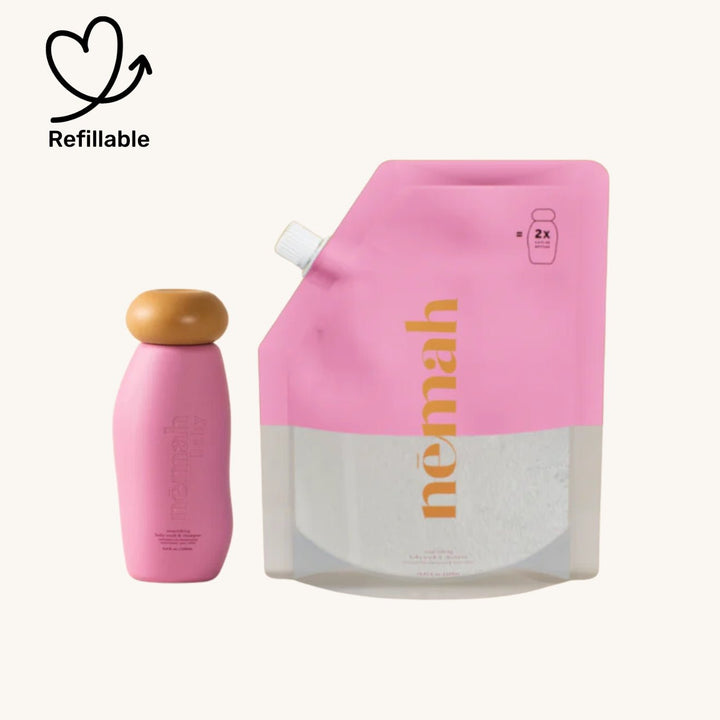
Nemah’s Baby & Kids Body Wash & Shampoo is a gentle, plant-derived formula designed to cleanse and protect delicate skin and hair. Unlike many mainstream baby shampoos loaded with synthetic fragrances, sulfates, parabens, and dyes that can dry or irritate sensitive skin, Nemah’s formula is crafted with non-toxic, dermatologist-approved ingredients you can trust.
Non-Toxic Baby & Kids Body Wash & Shampoo – Refillable Set
$19.99
Nemah’s Baby & Kids Body Wash & Shampoo is a gentle, plant-derived formula designed to cleanse and protect delicate skin and hair. Unlike many mainstream baby shampoos loaded with synthetic fragrances, sulfates, parabens, and dyes that can dry or irritate… read more
3) Ingredients many families choose to limit or avoid
This isn’t a “bad list.” Many ingredients are legal, widely used, and safe for most people at cosmetic levels. Still, shoppers seeking clean kids shampoo often prefer to limit certain ingredients because of sensitivity concerns, personal values, or because they find them too drying. Consider these as personal shopping filters.
Strong sulfates (for some kids)
Some parents avoid stronger cleansing agents like sodium lauryl sulfate (SLS) or sodium laureth sulfate (SLES) because they can feel drying or stingy for some kids, especially with frequent washing or dry/scalp-prone children. Others do fine with them. If your child’s hair feels rough after washing or their scalp looks dry, trying a sulfate-free option can be a reasonable next step.
Heavy fragrance (and fragrance allergens)
Fragrance is one of the most common reasons a product bothers sensitive skin. Even when a shampoo smells “light,” it can contain fragrance blends. If sensitivity is a concern, consider:
- Fragrance-free (not just “unscented”) options
- Shorter ingredient lists
- Products that disclose allergens where required (you may see components like linalool, limonene, citral)
If your child loves a scent, keep it simple: choose one scented product in the routine (shampoo or conditioner) rather than layering multiple fragranced steps.
Essential oils (sometimes)
Essential oils are “natural,” but they can still be irritating for some people—especially on sensitive scalps or if left in the hair. If you’re shopping for clean kids shampoo for a child who reacts easily, you may prefer to avoid essential oil-heavy formulas and stick to fragrance-free or very lightly scented options.
Strong preservatives? Not exactly—more like preservative preferences
Any water-based shampoo needs preservation to stay safe and stable during use. Rather than avoiding preservatives entirely (which can be risky), it can be more helpful to know what your family prefers. Some shoppers avoid certain preservatives due to past reactions or comfort level. If your child has reacted to a product before, bring the ingredient list to your pediatrician or dermatologist for individualized guidance, and patch test new options.
4) How to read the label: “tear-free,” “hypoallergenic,” and other tricky claims
Front-label claims can be helpful, but they’re not guarantees.
- “Tear-free” typically means the formula is designed to be less stingy (often by adjusting surfactants and pH). It doesn’t mean it won’t sting if it gets directly in the eyes. Practical tip: use a small amount of shampoo and keep rinsing directed away from the face.
- “Hypoallergenic” generally means the brand formulated to reduce common triggers, but it’s not a promise that no one will react. Patch testing still matters.
- “Dermatologist tested” doesn’t tell you what was tested, on how many people, or what the outcome was. Treat it as a data point, not proof.
- “Natural” doesn’t automatically mean gentler. Plenty of plant extracts can be irritating for some kids.
Quick label-reading strategy: scan for (1) fragrance, (2) the main surfactants near the top, (3) known family sensitivities, and (4) whether the brand is clear about how to use it (how long to rinse, whether it’s meant for daily use, etc.).
5) How to choose a clean kids shampoo by hair type and lifestyle
“Best” depends on what your kid’s hair actually does between washes. Use these match-ups to find the best kids shampoo clean ingredients for your household—meaning, ingredients that fit your routine and reduce friction.
Fine hair that gets oily fast
- Look for: lightweight formulas, good rinseability, minimal heavy oils/butters
- Consider: shampooing more frequently with a gentle cleanser, but using conditioner only on ends
Curly, coily, or very dry hair
- Look for: extra slip (conditioning polymers), creamier cleanser blends, and an easy-to-rinse feel
- Consider: a matching conditioner when you want the best clean kids shampoo and conditioner experience—shampoo alone often isn’t enough for detangling. For a fuller hair-care routine, our kids shampoo and conditioner guide explains how to pair gentle cleansing with detangling support.
- Routine tip: use shampoo mainly on the scalp; let suds rinse through the lengths rather than scrubbing ends
Swimmers, sports kids, or heavy product days
- Look for: a bit more cleansing power (still gentle), especially if using gels, sunscreen near hairline, or frequent chlorine exposure
- Consider: alternating between a gentle everyday shampoo and a slightly stronger wash day option
Sensitive scalp or sensory-sensitive kids
- Look for: fragrance-free or very low-scent options, fewer botanical extracts, and a thinner texture that rinses fast
- Routine tip: pre-dilute shampoo in your hands with water to reduce concentrated contact and speed up rinsing
If you’re comparing “clean shampoo for kids” options, remember that packaging matters, too: a pump can reduce over-dispensing (less product in eyes) and makes it easier for kids to learn independence.
6) Routine + use advice: how much to use, how often, and when to condition
The best clean kids shampoo is the one you can use consistently without drama. These routine adjustments make a bigger difference than chasing a perfect ingredient list.
How much shampoo is enough?
- Short hair: start with a pea-sized amount
- Medium hair: nickel-sized
- Long/thick hair: quarter-sized, or wash in two small sections
More product doesn’t always mean cleaner hair—it often means more residue and more chance of eye irritation. Add water first, then product, then more water.
How often should kids shampoo?
There’s no universal schedule. Many kids do well with 1–3 washes per week; others (fine hair, sports, sweaty scalps) may need more frequent washing with a gentle formula. If hair feels dull, itchy, or weighed down, it can be a sign of buildup—either from conditioner, styling products, or not rinsing long enough.
Conditioner: when it helps (and when it’s optional)
If you’re aiming for the best clean shampoo for kids experience for long hair, conditioner is often the make-or-break step. Apply conditioner from mid-lengths to ends, detangle with fingers or a wide-tooth comb, then rinse thoroughly. For very fine hair, a light conditioner or detangler on ends only can prevent limpness.
Patch testing and troubleshooting
When introducing a new clean kids shampoo, patch testing is a practical step—especially for kids with a history of sensitivity. Apply a small amount to a small area of skin (like the inner arm) and monitor for irritation based on your family’s usual approach and comfort level. If irritation occurs, discontinue use and consider seeking professional guidance.
7) A quick note on “clean makeup for kids” and why hair care still matters
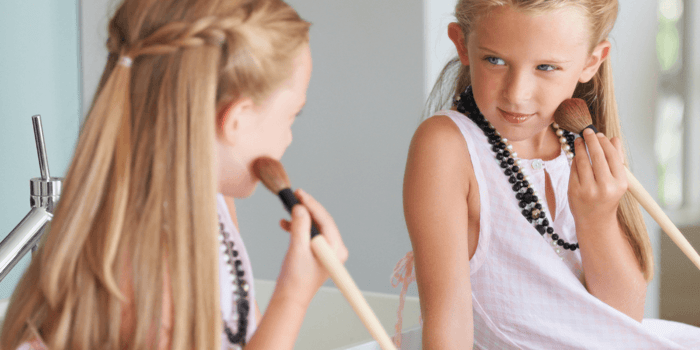
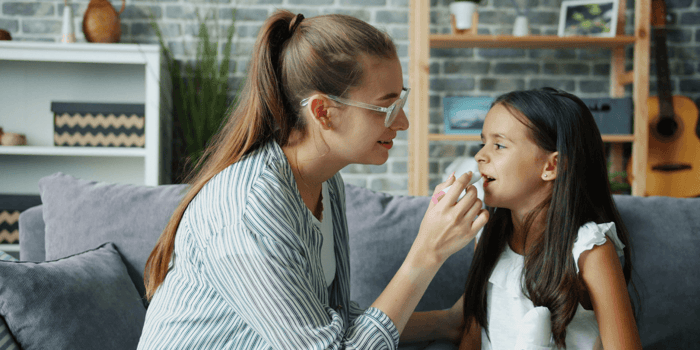
Many parents shopping for clean kids shampoo are also thinking about clean makeup for kids (play makeup, tinted balms, glitter gels). The overlap is real: fragrance, dyes, and certain botanical extracts can show up in both categories. If your child is experimenting with makeup or face paints, a gentle shampoo that rinses well can help remove product from hairlines and bangs without aggressive scrubbing. If your child is beginning to explore play cosmetics, our guide to non toxic makeup for kids explains what parents should check before buying.
Practical tip: if makeup or sunscreen gets into the hairline, wash that area first with a tiny amount of shampoo, rinse, then proceed with a normal wash. This reduces the urge to over-shampoo the whole head.
Bottom line: a parent-friendly checklist for clean kids shampoo shopping
If you want a simple way to choose a clean kids shampoo, use this checklist while you’re in the aisle or scrolling product pages:
- Start with your must-haves: fragrance-free? detangling? curl-friendly? pump bottle?
- Check the cleanser system: look for gentle surfactant blends if dryness or stinging is a concern.
- Decide your “avoid” list: strong sulfates, heavy fragrance, essential oils—based on your child’s needs, not internet panic.
- Look for slip if tangles are your issue: conditioning polymers can make wash day easier.
- Confirm it fits your routine: how often you wash, whether you also use conditioner, and how fast it rinses.
- Patch test new products when appropriate, and always re-check labels (formulas can change).
The best clean kids shampoo isn’t the one with the most claims—it’s the one that cleans comfortably, rinses easily, and supports a routine your family can keep up with.
To learn more about choosing the safest shampoos, conditioners, and detanglers for kids, visit Non-Toxic Hair Care for Kids for a complete guide to gentle, chemical-free hair care.
About the Author: This article was written by the contributing writers at Popsicle Beauty Club—a team of moms, educators, and clean beauty advocates passionate about creating a safer, more imaginative world for kids. We believe in empowering parents with trusted information and offering fun, non-toxic beauty and personal care products that let children play, express, and explore—without compromising their health.