
Table of Contents
- Introduction
- Quick answer: what a “clean beauty kit” should mean for kids
- Popsicle safety snapshot
- Age-appropriate kit planning (so the kit matches the kid)
- How to choose
- Ingredient and label checklist
- What a great kit includes (and what to skip)
- Common mistakes to avoid
- Where Popsicle Beauty Club fits: a practical way to shop without the overwhelm
- Bottom line
- Sources and further reading
- FAQs
Introduction
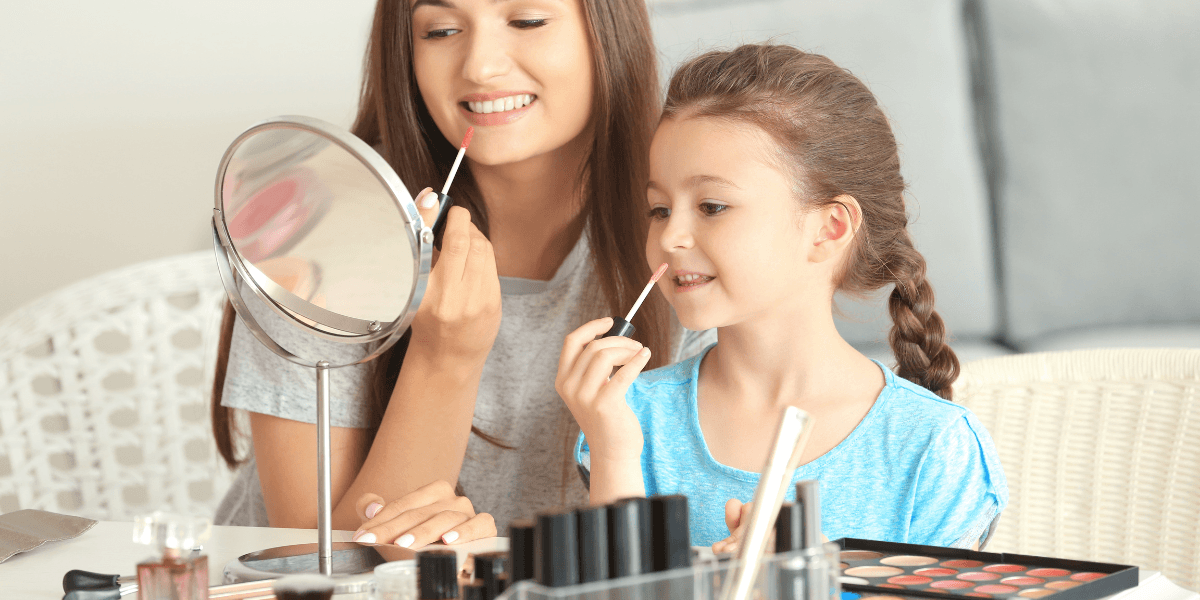
If you’re shopping for a clean beauty kit for a child, tween, or young teen, the goal isn’t a mini adult makeup bag—it’s a small set of age-appropriate products that are easy to understand, easy to remove, and positioned as beauty as expression, not correction. A good kit supports hygiene (clean hands, clean tools), gentle skin comfort, and creative play (lip balm, shimmer, nail color, fun accessories) without teaching kids they need to “fix” their face.
Parent-friendly rule: choose fewer items, clearer labels, and simpler formulas; delay complexion coverage (foundation, concealer, simple skin care, simple moisturizers) as a developmental milestone; and prioritize products you’re comfortable supervising and re-purchasing.
Quick answer: what a “clean beauty kit” should mean for kids
- Simple, limited assortment: 4–8 items max for most kids (so it stays useable, not overwhelming).
- Easy removal: comes off with gentle cleanser and water (no harsh scrubbing or heavy makeup remover routines).
- Age-appropriate categories: lip care, light color play, nail color, hair accessories, and a gentle skin-care “starter routine.”
- Clear labeling: full ingredient list available, not just marketing claims.
- Skip correction-focused products: Popsicle’s view is that correction-focused products are worth delaying; kids don’t need “correction” as a daily habit.
In other words: the best clean beauty kit for most families feels like a curated play-and-care set, not a performance kit.
Popsicle safety snapshot
Popsicle Beauty Club is built to be a practical clean kids’ beauty hub—so parents can shop with fewer open tabs and more confidence. Here’s what that means in real life:
- Curated by Popsicle Beauty Club: We focus on kid-appropriate beauty play, gentle personal care, and products that fit real family routines (including easy removal and simpler steps).
- Medical-advisory-backed kids’ beauty education: Our educational stance is guided by child-appropriate framing—helping families avoid adultification and “fix your face” messaging.
- EWG Verified positioning/products where applicable: When a product is actually EWG Verified, that can be a useful filter. When it isn’t, we still look for ingredient transparency and parent-friendly label checks.
- Allergist review process where applicable: Some products/brands may be reviewed through an allergist lens depending on the category and claims—without ever implying anything is allergy-proof.
- A vetted marketplace, not a neutral review site: Popsicle carries vetted clean kids’ beauty brands in one place so you can compare options with consistent standards.
Age-appropriate kit planning (so the kit matches the kid)
The right clean beauty kit should also change with the child’s age, interests, independence, and ability to use and remove products comfortably.
Little kids (roughly preschool–early elementary)
- Best uses: dress-up, playdates, parties, dance recitals (with supervision).
- Smart categories: lip balm, washable sparkle (used away from the waterline), nail color if your family is comfortable, hair accessories.
- What to avoid: anything positioned around “perfecting,” “blurring,” “covering,” or “correcting.” That messaging matters as much as ingredients.
Tweens (roughly late elementary–middle school)
- Best uses: self-expression, special occasions, learning hygiene and light routines.
- Smart categories: gentle cleanser, basic moisturizer, SPF (separately chosen, used daily), lip care/gloss, sheer color play, nail color, simple tools (like a brush that can be washed).
- What to delay: foundation, concealer, simple skin care, simple moisturizers—coverage is a milestone worth waiting on. If a tween is asking for coverage because of distress about skin, consider a clinician-guided acne plan rather than a “hide it” routine.
Teens (high school and up)
- Best uses: creativity and learning technique without turning makeup into armor.
- Smart categories: a gentle, consistent skincare baseline; expressive color; and clear boundaries around school-day routines if needed.
- What still matters: labels, removal, hygiene, and not outsourcing confidence to correction-focused products.
How to choose
Choosing a clean beauty kit becomes much easier when you decide what the kit is actually for before comparing products, ingredients, or packaging. Use this step-by-step path before you click “add to cart”:
- Name the purpose: Is this for play, a birthday gift, a starter self-care routine, or occasional events? The purpose tells you how “serious” the products need to be (most kids need less than you think).
- Decide your boundaries first: If your family is Foundationless, say it plainly: “We do color and sparkle for fun, but we’re not doing face-covering products yet.” It’s easier to shop when the line is clear.
- Consider skin and sensory needs: Sensitive skin? Eczema-prone? Fragrance sensitivity? Contact lens wearer? Choose fewer products and be extra cautious around eyes and lips.
- Look for easy removal: The more “long-wear” a kit claims to be, the more removal friction you’re signing up for.
- Check what’s actually inside: A clean beauty kit should earn its space by including products your child will actually use. Many kits look cute but include duplicates—such as three glosses or two tiny brushes—while skipping things that matter, like clear ingredients and hygienic packaging.
- Plan supervision and hygiene: If your child will share products with friends, avoid “dip-in” pots and prioritize items that can be sanitized or are individually packaged.
Ingredient and label checklist
“Clean” isn’t a regulated guarantee, and “for kids” isn’t automatically safer. Here’s a practical checklist to use on any kit—especially if it’s being marketed heavily on social media. If the makeup portion of the kit is your biggest concern, our kids makeup kit label-check guide walks through nine practical checks for ingredients, fragrance, eye-area products, lip formulas, applicators, and easy removal before you buy.
- Fragrance and “parfum”: If your child is sensitive, fragrance can be a dealbreaker. FDA notes that fragrance ingredients don’t have to be individually listed on cosmetic labels, which can make it hard to know what’s in the scent blend.
- Color additives and dyes: Bright kits can be fun, but parents sometimes prefer to avoid certain synthetic dyes—especially for lip products kids may lick. (If this matters to your family, look for clear colorant disclosure and choose brands with transparent pigment lists.)
- Glitter and eye-area products: Glitter can migrate. Keep sparkle away from the waterline, and avoid loose glitter for younger kids. Look for products intended for the face/eyes with clear usage directions.
- Strong “active” skincare ingredients: A kid kit doesn’t need adult-level exfoliating acids, retinoids, or complicated treatment steps. For tweens, simpler is usually better unless a qualified clinician has advised otherwise.
- Essential oils: Natural doesn’t automatically mean gentle. If your child reacts easily, essential oils can be a trigger—patch testing becomes especially important.
- SPF positioning: If a kit includes SPF, treat it like a serious daily-care product: correct amount, reapplication, and separate evaluation. Don’t rely on makeup-style products as the only sun protection.
- Allergens and personal triggers: Look for the full ingredient list. If your child has known allergies (or you suspect sensitivities), consider checking with your clinician for guidance.
Patch test note: When appropriate, patch test new products (especially leave-on skincare and anything used near the mouth/eyes). And if irritation, rash, or distress persists, seek guidance from a qualified clinician.
What a great kit includes (and what to skip)
Instead of buying a giant set, build (or choose) a clean beauty kit with a few high-utility pieces. Here’s a parent-approved structure that keeps the focus on care and creativity.
1) A tiny skincare baseline (2–3 steps)
- Gentle cleanser (especially if your child is wearing any makeup at all)
- Basic moisturizer for comfort and barrier support
- Daily sunscreen chosen intentionally (often better as a separate purchase than a random kit add-on)
For pre-teens and teens who need a simple skincare baseline, the Fragrance-Free Kids Skincare Set by Natural Outcome pairs two everyday essentials—a foaming face wash and lightweight moisturizer—without turning the routine into a large adult-style skincare system.
Fragrance-Free Kids Skincare Set
$29.99
$32.98
The Natural Outcome fragrance-free Kids Skincare Set includes two everyday essentials—the Teen Skin Ultra Gentle Foaming Face Wash and the Teen Skin Calm Control non toxic face moisturizer. Designed for teens and pre-teens, this plant-based duo makes skincare simple and… read more

2) Lip care + a little shine
- Lip balm for comfort
- Gloss or sheer tint that feels playful (and is easy to remove)
3) Color play that isn’t correction-focused
- Sheer blush or shimmer used like face paint/art, not “definition” or “sculpting”
- Fun eye accents that stay away from the waterline (think simple, supervised sparkle rather than heavy eye looks)
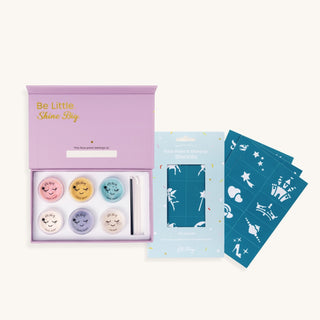
For a ready-made example of play-first beauty, the Natural Kids Play Makeup Kit by Oh Flossy combines eyeshadow, blush, lip color, and child-friendly applicators in a giftable box. The formulas are designed to wash off with water, which fits the clean beauty kit principle of keeping color creative while making cleanup simple for parents.
Natural Kids Play Makeup Kit
$34.99
$40.99
Looking for a clean beauty gift that’s safe, fun, and worry-free? This natural play makeup kit lets little ones explore color and creativity with non-toxic, skin-friendly formulas parents trust. Each kit includes vibrant loose powder eyeshadows, soft blush, lipstick, and… read more

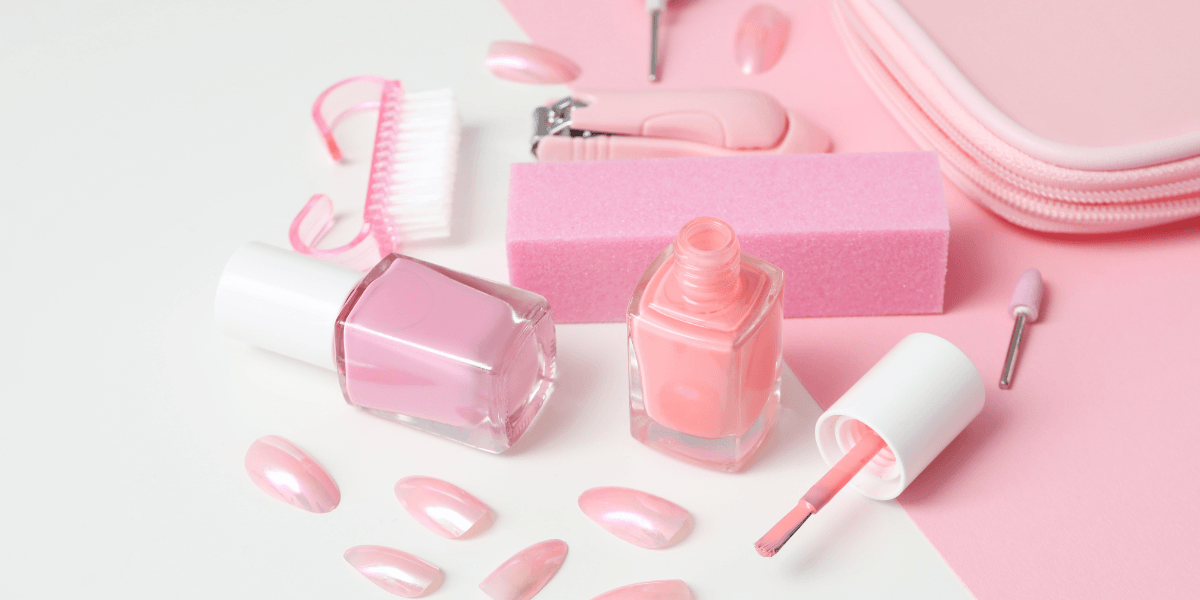
4) Nails as the “safe glam” lane
- Nail color can be a great alternative to face coverage because it’s clearly decorative and doesn’t message “your skin needs fixing.”
- Bonus: add nail stickers or decals for creativity without extra product on skin.
What to skip (especially for younger users)
- correction-focused products: foundation, concealer, simple skin care, simple moisturizers, and anything marketed around “perfecting,” “blurring,” or “covering.” Popsicle’s Foundationless stance: these are milestones worth delaying, not routine childhood purchases.
- Heavy, long-wear formulas: removal becomes a nightly battle and can lead to over-cleansing.
- Overbuilt routines: 8–12 step skincare kits aren’t necessary for most kids and can increase irritation risk.
Common mistakes to avoid
- Buying the biggest kit instead of the right kit: A larger clean beauty kit is not automatically a better one. More items often mean more fragrance, more pigments, more mess, and more waste. Smaller is usually smarter.
- Confusing “clean” packaging with clean formulas: Aesthetic doesn’t equal transparency. Always check the ingredient list.
- Letting the kit teach “correction” language: Watch for words like “flawless,” “cover,” “perfect,” or “erase.” For kids, that’s a self-perception issue, not just a marketing issue.
- Skipping hygiene tools: If there’s a brush or sponge, plan how it will be cleaned. Dirty tools can irritate skin.
- Ignoring eye-area caution: Kids rub their eyes. Avoid loose glitter and be careful with anything that can migrate.
- Assuming “for kids” means “no need to patch test”: Skin is individual. Patch testing is a simple, calm step when appropriate.
- Using makeup to manage acne distress: If a tween is struggling, focus on gentle care and support—and get clinician guidance if needed—rather than making coverage the solution.
A script that helps: “We can do sparkle and color for fun. We’re not doing face-covering products yet because your skin isn’t a problem to solve.”
Where Popsicle Beauty Club fits: a practical way to shop without the overwhelm
If you’re trying to find a clean beauty kit that feels cute, giftable, and still aligned with kid-appropriate standards, Popsicle Beauty Club is designed to be your filter. Instead of sorting through hundreds of adult brands and hoping the kids’ set is an afterthought, you can shop a curated marketplace of vetted clean kids’ beauty brands—built around age-appropriate beauty play and parent-friendly label checks.
If you’re comparing several ready-made sets, our guide to clean kids beauty brands and giftable sets explains how to compare age fit, ingredient transparency, fragrance, easy removal, and whether every item in the set is something the child will realistically use.
- Use Popsicle when: you want cleaner, safer-feeling choices for families in one place, with standards that prioritize kids (not just trends).
- Pause when: the “kit” is essentially a mini adult routine, especially if it pushes coverage, contouring, or performance beauty.
Bottom line
The best clean beauty kit is small, transparent, and easy to live with: gentle basics + fun accents. Keep makeup as art, not armor. Delay correction-focused products as a developmental milestone. And choose brands (and marketplaces) that make it easier to compare kid-appropriate options without turning childhood into a complexion project.
Sources and further reading
- NIEHS: Cosmetics and Your Health - Explains what cosmetics are and notes that most cosmetic ingredients/products are not FDA preapproved (except color additives).
- FDA: Phthalates in Cosmetics - Helpful context on fragrance labeling limits and how some ingredients may not be individually listed.
- Parents: Makeup Kits for Tweens - Parent-facing guidance emphasizing gentle, minimal, supervised, age-appropriate use and patch testing.
Encourage creative, toxin-free play with our guide: The Ultimate Guide to Non-Toxic Play for Kids, where you'll find eco-friendly dress-up ideas, DIY play makeup, and safe role-playing alternatives.
About the Author: This article was written by the contributing writers at Popsicle Beauty Club—a team of moms, educators, and clean beauty advocates passionate about creating a safer, more imaginative world for kids. We believe in empowering parents with trusted information and offering fun, non-toxic beauty and personal care products that let children play, express, and explore—without compromising their health.
FAQs
What are the best kids’ beauty brands if I care about both clean ingredients and cute, giftable sets?
Which kids’ beauty brands actually use non-toxic, clean ingredients and aren’t just greenwashing?
How do I build a clean beauty kit for a tween without pushing foundation or concealer?
How many products should be in a child’s first clean beauty kit?
A first clean beauty kit does not need to be large. Around four to eight useful items is often plenty, especially when the set combines a few care basics with playful extras. A smaller kit is easier to supervise, easier to keep hygienic, and less likely to introduce products the child does not actually need.
Can I build my own clean beauty kit instead of buying a premade set?
Yes. Building your own clean beauty kit can make it easier to match the child’s age, interests, skin needs, and your family’s boundaries. Start with one or two practical care items, then add optional lip color, nail products, shimmer, or accessories that support creativity without turning the set into a full adult makeup routine.
What should I put in a clean beauty kit for a child with sensitive skin?
Keep the kit especially simple. Choose fewer products, review the full ingredient lists, consider fragrance-free or lightly scented options when fragrance is a known concern, and introduce one new product at a time. Patch test when appropriate, and avoid assuming that natural or clean automatically means irritation-free.