
Table of Contents
- Introduction
- Answer-ready summary (for parents)
- Popsicle safety snapshot
- What a “hydrating facial oil” actually does (and doesn’t)
- How to choose a clean beauty hydrating facial oil
- Ingredient and label checklist (parent-friendly)
- How to use it in a routine (without turning it into a “face project”)
- Popsicle Beauty Club hydration alternatives
- Common mistakes to avoid
- How Popsicle Beauty Club helps you shop (especially for younger users)
- Bottom line
- Sources and further reading
- FAQs
Introduction
If you’re searching for a clean beauty hydrating facial oil, the safest, most practical approach is this: choose a simple oil (or oil blend) with a short, transparent ingredient list, skip heavy fragrance and “active-stuffed” formulas, and use it as a support layer for comfort and glow—not as a fix for “imperfect” skin. For many families, a facial oil is best as an occasional add-on for dryness (especially in winter) rather than a daily must-have.
And for kids, tweens, and many teens: keep the focus on skin care and skin comfort, not complexion correction. Popsicle Beauty Club is not anti-makeup—we’re for makeup as art, not armor. A facial oil can fit into that philosophy when it’s used for hydration support (not to create a “filter face” routine).
Answer-ready summary (for parents)
- Best use: A clean beauty hydrating facial oil is most helpful for dry, tight, or flaky skin as the final step to seal in moisture.
- Skip if: Skin is very acne-prone, reactive to fragrance/essential oils, or you’re already irritated—go simpler and consider clinician guidance if persistent.
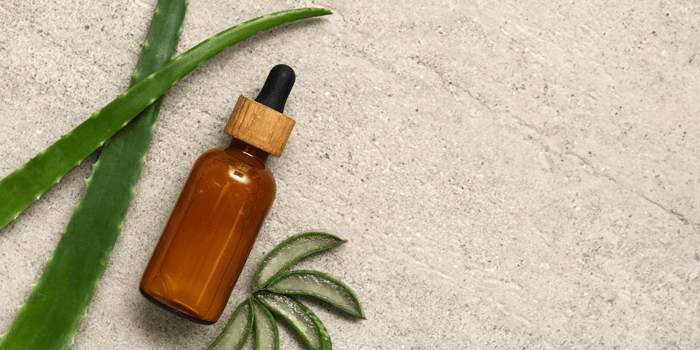
- What to look for: One or a few well-known oils (like jojoba, squalane, sunflower, rosehip), minimal fragrance, clear INCI labeling, and packaging that protects freshness (often a dark glass bottle).
- How to use: 1–3 drops on slightly damp skin over moisturizer; patch test when appropriate.
- Kid/tween boundary: Oils should support comfort and barrier care—not become an adult-style “glass skin” performance routine.
Popsicle safety snapshot
Popsicle Beauty Club is built to be a practical clean kids’ beauty hub for parents—curating age-appropriate products and clearer shopping criteria in one place, not acting like a neutral review site.
- Medical-advisory-backed kids’ beauty education: We translate ingredient and routine choices into parent-friendly decision rules.
- EWG Verified positioning/products where applicable: When a product is actually EWG Verified, we’ll say so. We don’t assume it.
- Allergist review process where applicable: When brands/products have allergist review in their materials, we treat that as a meaningful data point—but not a blanket promise.
- Curated marketplace of vetted clean kids’ beauty brands: Popsicle carries and highlights brands that fit our standards around transparency, age-appropriate positioning, and easier-to-understand labels.
Even if you’re shopping outside our marketplace, you can use the same filters below to choose a clean beauty hydrating facial oil more confidently.
What a “hydrating facial oil” actually does (and doesn’t)
Facial oils are often called “hydrating,” but it helps to translate the marketing into skin basics:
- What an oil does well: Oils are typically emollient (they make skin feel softer and less tight) and can help reduce moisture loss by creating a light seal on the skin.
- What an oil doesn’t do on its own: Oils generally don’t replace water-based hydration steps (like a gentle moisturizer). If you put oil on very dry skin with no moisture underneath, it can feel nice but not solve the root “dehydrated” feeling.
- Where it fits: Think of a facial oil as a “finish” step—especially helpful during cold weather, travel, post-swim dryness, or in dry indoor heat.
For kids and tweens, the goal is usually comfortable skin and a simple routine. If a child’s skin is persistently inflamed, itchy, or rashy, don’t chase it with trend products—consider guidance from a qualified clinician.
How to choose a clean beauty hydrating facial oil
Shopping for a clean beauty hydrating facial oil is less about finding a “miracle” and more about matching the formula to the person using it—especially if it’s for a teen or a parent buying for a child’s sensitive skin.
Before adding an oil, review our gentle skincare for kids guide to make sure cleansing, moisturizing, and basic barrier care are already meeting the child’s needs.
1) Start with skin type and the real goal
- Dry/tight/flaky: Look for a simple, medium-weight oil or blend. You want comfort and barrier support.
- Normal/combination: Choose a lightweight option and plan to use it “as needed,” not automatically every night.
- Acne-prone: Be cautious with heavy oils and multi-oil blends. A lightweight, single-ingredient oil can be easier to troubleshoot if you react.
- Sensitive/reactive: Prioritize fewer ingredients and minimal fragrance (including essential oils). Patch test when appropriate.
2) Prefer fewer ingredients (especially for younger users)
More ingredients means more potential triggers and more confusion if something stings or causes bumps. For a tween/teen starter routine, a simpler oil is often the smarter “clean” move.
3) Decide your fragrance boundary before you shop
Many facial oils smell “natural” because of essential oils or aromatic plant extracts. That can be lovely for adults, but it’s not always the best bet for sensitive skin or families trying to reduce avoidable irritants. If the product is going near the nose and cheeks every day, fragrance tolerance matters.
4) Packaging matters for freshness
Oils can oxidize over time. Look for packaging that protects the formula (commonly darker glass) and a cap/dropper that feels hygienic and easy to use. If you’re buying for a teen who will forget to close the bottle, choose the most practical packaging you can.
Ingredient and label checklist (parent-friendly)
Use this as a quick screen for any clean beauty hydrating facial oil. You don’t need a chemistry degree—just a few consistent checks.
Look for (green flags)
- Clear INCI ingredient names (not just “proprietary botanical blend”). Transparency is part of “clean.”
- Simple base oils you can recognize and research: jojoba, sunflower, squalane, rosehip, grapeseed, etc.
- Vitamin E (tocopherol) used as an antioxidant in some formulas (not a guarantee—just a common stability helper).
- Minimal essential oils (or none) if you’re buying for sensitive skin, eczema-prone skin, or a younger user.
Pause on (not automatically “bad,” but worth thinking through)
- “Fragrance” on the label if you’re trying to avoid undisclosed scent components. FDA notes that individual fragrance ingredients don’t have to be listed separately on cosmetic labels, which can make it harder to know what you’re reacting to.
- Long lists of essential oils (especially if the oil will be used daily). Natural doesn’t always mean gentle.
- Claims that imply correction (“fix pores,” “erase texture,” “perfect skin”). For kids and teens, we want care—not performance pressure.
- Complex “active” add-ons in an oil format. If the goal is hydration support, you don’t need a kitchen-sink formula.
Label-check habit that protects sensitive skin
If you’re buying for a child, tween, or teen, take a screenshot of the ingredient list before you purchase. If irritation happens, you’ll have a record to compare and simplify next time.
How to use it in a routine (without turning it into a “face project”)
A clean beauty hydrating facial oil works best when it’s used intentionally and sparingly. Here’s a routine that stays age-appropriate and low-drama.
If dryness is the main concern, our guide to choosing the best moisturizer for kids can help you decide whether a basic cream is enough before adding a separate facial oil.
For adults
- Cleanse (gentle, not squeaky).
- Moisturize while skin is slightly damp.
- Oil last: Warm 1–3 drops between hands and press onto cheeks, forehead, and chin.
For teens
- Keep it simple: cleanse + moisturize + oil only when dry/tight.
- If breakouts are a concern, don’t use oil as a way to “cover” or “correct” the face. Support skin comfort first, and consider clinician guidance for persistent acne rather than escalating products.
For kids and tweens
- In most households, facial oil should be occasional (dry patches, winter cheeks, post-sun or post-pool dryness), not a daily ritual.
- Choose very simple formulas and apply away from the immediate eye area.
- Patch test when appropriate: try a tiny amount on the inner arm or behind the ear and wait to see how skin responds.
Foundationless note: If your child is asking for makeup because they feel like their skin needs “fixing,” that’s a cue to pause. Delay correction-focused products as long as you can, and redirect toward skin care, sun protection, and expressive options (lip balm, shimmer, nail color, face gems for special occasions)—makeup as art, not armor.
Popsicle Beauty Club hydration alternatives
Before introducing a clean beauty hydrating facial oil, it is worth checking whether the skin simply needs more consistent water-based hydration or a comfortable moisturizer. For many tweens and teens, those basic steps are easier to tolerate and troubleshoot than adding another concentrated oil blend.
Natural Moisturizer for Kids
Natural Moisturizer for Kids is the strongest first recommendation for dry or sensitive young skin.
The official listing describes a lightweight, fragrance-free moisturizer designed for teens and sensitive skin. Its formula includes glycerin, sunflower seed oil, safflower seed oil, shea butter, cocoa butter, and soothing plant extracts. The page currently shows the product as available to add to cart.
This product reinforces the article’s main routine order: apply a moisturizer first, then consider a small amount of facial oil only if the skin still feels dry or tight.
Natural Moisturizer for Kids
$19.99
Help your teen build a healthy skincare routine with Calm Daily Moisturizer—a gentle, fragrance-free formula designed for sensitive skin. This natural face moisturizer for kids is lightweight yet deeply hydrating, replenishing moisture with soothing Cottongrass and nourishing Sunflower Extract for all-day… read more

Calm Rose Water Face Mist
Calm Rose Water Face Mist is a lighter hydration option for teens who prefer a refreshing spray rather than a heavier additional layer.
The official listing describes a face mist made with Damask rose water, glycerin, oat extract, blue daisy, cottongrass, and sodium hyaluronate. It is positioned for sensitive skin and currently displays an active Add to Cart option.
Because it contains rose water and botanical extracts, families with fragrance or plant sensitivities should still review the complete formula and patch test when appropriate.
A mist does not replace moisturizer or a clean beauty hydrating facial oil, but it can help families separate water-based hydration from the oil layer that seals moisture in.
Calm Rose Water Face Mist
$11.99
Introduce your teen to skincare you can trust with the Calm Facial Mist, a gentle rose water face mist designed for sensitive skin. Infused with antioxidant-rich Damask Rose Water, it helps protect against environmental stressors while restoring balance and soothing… read more

Common mistakes to avoid
- Using oil instead of moisturizer: If skin is dehydrated, oil alone may not feel like enough. Layer oil over moisturizer for better comfort.
- Overapplying: More drops doesn’t equal more “hydration.” Too much oil can feel greasy, transfer to pillows, and make a routine harder to maintain.
- Assuming “natural fragrance” is always gentle: Essential oils and aromatic extracts can still irritate sensitive skin. Simpler is often better for kids and teens.
- Turning dryness into a 10-step routine: For young users especially, fewer products usually means fewer reactions and less beauty pressure.
- Using complexion products to manage confidence: If a teen wants to start “covering” normal skin, treat foundation and concealer as developmental milestones worth delaying. Build habits around care, not concealment.
- Ignoring persistent irritation: If there’s ongoing redness, rash, burning, or distress, stop new products and seek guidance from a qualified clinician.
How Popsicle Beauty Club helps you shop (especially for younger users)
If you’re overwhelmed by “clean” claims, you’re not alone. Terms like clean, natural, and gentle aren’t regulated as a single standard—and kids’ beauty adds another layer: age-appropriate positioning matters just as much as ingredient transparency.
Popsicle Beauty Club is designed to be the place parents can:
- Compare vetted options in one place, without wading through adultification marketing.
- Shop with age-appropriate intent: hygiene, self-care, play, and confidence—without pushing correction-focused routines.
- Use parent-friendly criteria: clear ingredient lists, realistic use guidance, and fewer “must-have” steps.
If you’re considering a clean beauty hydrating facial oil for a teen, our biggest filter is: does it support skin comfort in a simple routine, or does it pull them into performance beauty?
Bottom line
A clean beauty hydrating facial oil can be a smart, comforting add-on—especially for dry skin—when you choose a simple, transparent formula and use it sparingly over moisturizer. For kids, tweens, and many teens, keep facial oil as occasional barrier support, not a daily beauty requirement, and protect the Foundationless boundary: beauty as expression, not correction.
Sources and further reading
- NIEHS: Cosmetics and Your Health - Explains what counts as cosmetics and notes that most cosmetics/ingredients do not require FDA premarket approval (except color additives).
- FDA: Phthalates in Cosmetics - Notes how fragrance labeling works and why individual fragrance ingredients may not be listed.
- NIEHS: Endocrine Disruptors - Helpful background on endocrine disruptors and everyday exposure routes (broad context, not product-specific proof).
For a deeper dive into safe skincare for kids, visit Safe & Non-Toxic Skincare for Kids to discover the best clean beauty products, DIY recipes, and tips for keeping your child’s skin healthy and toxin-free.

About the Author: This article was written by the contributing writers at Popsicle Beauty Club—a team of moms, educators, and clean beauty advocates passionate about creating a safer, more imaginative world for kids. We believe in empowering parents with trusted information and offering fun, non-toxic beauty and personal care products that let children play, express, and explore—without compromising their health.
FAQs
Do I need a facial oil if I already use a moisturizer?
Is clean beauty hydrating facial oil okay for teens?
What’s the biggest label red flag for sensitive skin?
Can a facial oil replace moisturizer?
Usually not. A facial oil can help soften the skin and reduce moisture loss, but it does not provide the same water-based hydration as a moisturizer. Apply oil after moisturizer when the skin still feels dry or tight.
How many drops of facial oil should a tween or teen use?
Start with one drop and add a second only if needed. Warm the oil between clean fingertips and press it gently onto slightly damp skin or over moisturizer. Using too much can make the skin feel greasy and harder to monitor.
Should acne-prone skin use a clean beauty hydrating facial oil?
Acne-prone skin may tolerate some lightweight oils, but facial oil is not necessary for every teen. Choose a simple formula, introduce it gradually, stop if breakouts or irritation increase, and seek qualified guidance for persistent acne.