

Introduction
Biodegradable glitter gives kids the sparkle they love while giving parents a better option than traditional plastic glitter. It is still important to choose the right product, use it in the right place, and teach kids simple cleanup habits so beauty play stays fun, safe, and manageable.
Glitter shows up everywhere in childhood: birthday parties, dance recitals, costumes, school spirit days, spa afternoons, and play makeup kits. The problem is that not all glitter is made for skin, hair, or younger kids. Some glitter belongs in craft bins, not on faces. Some formulas are hard to remove. Some products do not clearly explain what they are made from. That is why parents are searching more carefully before they buy.
Why regular glitter raises concerns
Traditional glitter is often made from tiny pieces of plastic with a reflective coating. It can look beautiful, but it spreads easily and can be hard to clean from skin, hair, clothes, towels, sinks, and bathroom counters. For families trying to reduce unnecessary plastic in beauty routines, regular glitter can feel out of step with the rest of their clean beauty choices.
Regular craft glitter also creates a safety issue when it is used the wrong way. Craft glitter is not the same as cosmetic glitter. It may have sharper edges, larger particles, or materials that were never intended for use near eyes, lips, or sensitive skin. Kids often touch their faces, rub their eyes, and forget where product has been applied, so the product category matters.
What makes a better kids glitter product
A better sparkle product for children should be cosmetic-grade, clearly labeled, easy to apply, and easy to remove. Parents should be able to understand where it can be used, what age range it is meant for, and whether it is designed for face, hair, body, or craft use.
- Choose cosmetic-grade sparkle for skin, hair, or body use.
- Avoid craft glitter on faces, lips, eyelids, or near the eyes.
- Read the product directions before the first use.
- Patch test if your child has sensitive skin.
- Use a small amount instead of layering heavily.
- Supervise younger children during application and removal.
Where sparkle is easiest to use
Hair is usually the easiest place to start. A small amount on braids, buns, ponytails, or part lines can feel festive without putting sparkle too close to the eyes or mouth. Hair glitter also gives parents more control over placement and cleanup.
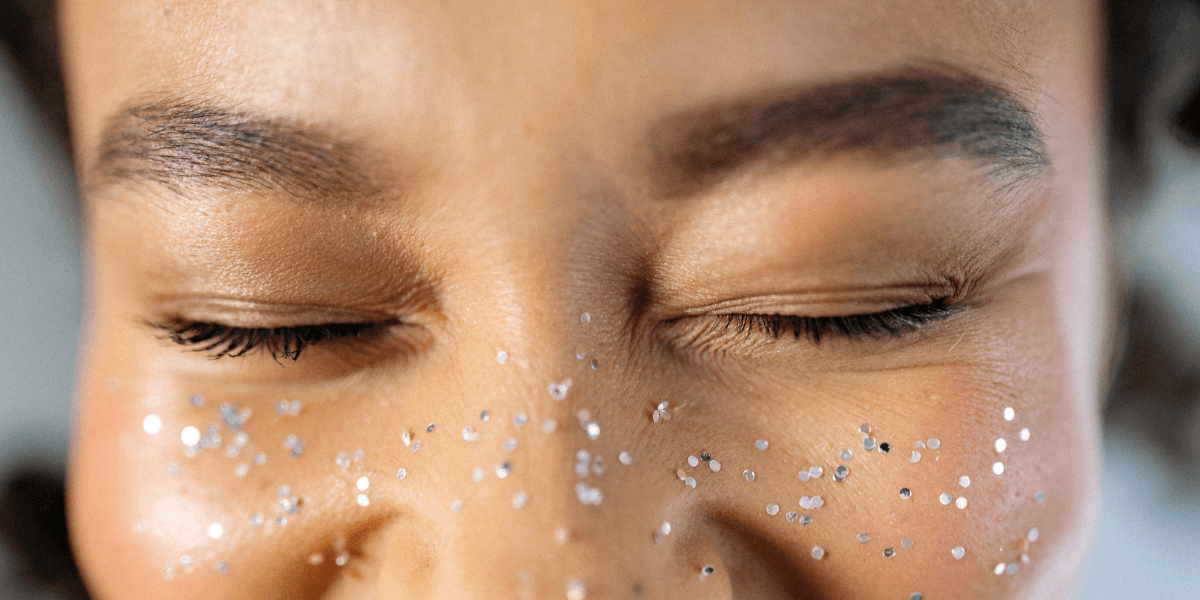
Face glitter needs more caution. If you use it, keep it on areas like cheeks or temples and avoid the lash line, waterline, and lips. Younger kids who rub their eyes often may be better off with hair sparkle or shimmer products that stay farther from sensitive areas.
Body glitter can work for parties and costumes, especially on arms or shoulders, but it should still be cosmetic-grade. Avoid applying it to irritated skin, sunburned areas, eczema patches, or anywhere your child is likely to scratch.
How to compare regular and cleaner sparkle options
When comparing products, look beyond the word “sparkle.” A parent-friendly product page should tell you what the glitter is for, how to use it, and how to remove it. If the listing only shows pretty photos but gives no details, that is a reason to slow down.
Here are the practical questions to ask:
- Is this product cosmetic-grade or craft-only?
- Is it intended for kids or for adult festival makeup?
- Can I see clear ingredients before buying?
- Does the product say where it should and should not be used?
- Does it require harsh scrubbing to remove?
- Does the brand explain its clean beauty standards?
Simple application tips for parents
Set up glitter play in one area instead of letting it happen across the whole bathroom or bedroom. Put down a towel, keep wipes nearby, and apply sparkle after hair and skincare are already done. This keeps the product from getting mixed into brushes, cleanser, moisturizer, or lip products.
Use clean fingers, a clean brush, or the applicator that comes with the product. Do not share applicators between kids without cleaning them. For parties, it is better for an adult to apply the product than to have every child dip into the same container.
Cleanup tips that make glitter less stressful
Removal should be gentle. Start with the product’s own instructions. If it is in hair, brush or rinse carefully depending on the formula. If it is on skin, use a soft cloth and a gentle cleanser. Avoid harsh scrubbing, especially on a child’s face.
For small leftover sparkles, a bit of gentle balm or oil on a cotton pad can help lift residue if the product directions allow it. Finish with a mild cleanser and moisturizer if needed. If your child’s skin looks red or irritated, stop use and keep the routine simple.
How this fits into clean kids beauty
Parents who care about cleaner sparkle often care about the rest of the beauty routine too. That might include gentle face wash, soft lip products, kid-friendly makeup, and nail products made with children in mind. If you are building a play beauty routine, start with the products that are easiest to supervise and remove.
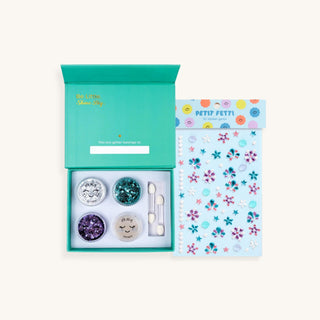
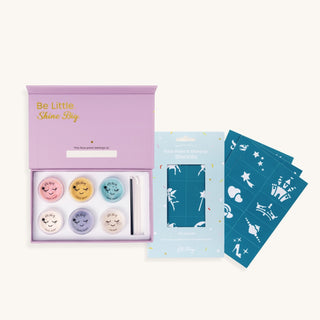
For more ingredient-conscious beauty play, see Popsicle Beauty Club’s guide to non-toxic play makeup for kids. If your child loves color beyond sparkle, you may also like the non-toxic nail polish for kids guide. To shop sparkle directly, visit the certified bio glitter product page.
When to skip glitter
Skip sparkle if your child has irritated skin, an eye infection, active eczema flare-ups, or a habit of rubbing their eyes constantly. Also skip it for very young children who may put product-covered hands in their mouth. Beauty play should feel light and fun, not like something parents have to worry about every minute.
How to choose biodegradable glitter without overthinking it
Choose biodegradable glitter when you want sparkle that better matches a cleaner kids beauty routine. A good biodegradable glitter product should still be cosmetic-grade, clearly labeled, and easy to remove.
If your child wants sparkle for hair, costumes, or parties, biodegradable glitter can be a better option than craft glitter. Parents should still use biodegradable glitter in small amounts and follow the product directions.
Bottom line
The best kids glitter is cosmetic-grade, clearly labeled, easy to remove, and used with supervision. Cleaner sparkle can be a thoughtful upgrade from regular craft glitter, especially when parents choose age-appropriate placement and keep the routine simple.