


Table of Contents
- Introduction
- Why the “right age” depends on skin needs (not a number)
- At what age should kids start using face wash? A stage-by-stage guide
- How to choose a kids-appropriate face wash (shopping criteria that actually help)
- Ingredient and label guidance: what to look for (and what to be cautious with)
- A simple routine by age: how often, how much, and how to avoid over-washing
- Common scenarios parents run into (and what to do)
- Bottom line: what age should kids start using face wash (a practical checklist)
- FAQs
Introduction
Parents ask what age should kids start using face wash because the “right” time isn’t a single birthday—it’s about skin needs, activity level, and what products you’re using (think sunscreen, makeup, or heavy moisturizers). The good news: most kids don’t need a strong cleanser early on. A gentle, fragrance-minimal face wash can be helpful once skin starts getting oily, sweaty, or clogged more often—typically around the tween years—but there are plenty of exceptions.
Below, we’ll break down what age should kids start using face wash by life stage, plus practical shopping criteria, label-reading guidance, and a simple routine that’s realistic for busy families. (And yes—always check labels and patch test, especially with sensitive skin.)
Why the “right age” depends on skin needs (not a number)
Before deciding what age should kids start using face wash, it helps to understand what a cleanser actually needs to do. For many children, water and a soft washcloth remove everyday dirt just fine. A face wash becomes more useful when:
- Oil increases (often with early puberty/hormonal shifts)
- Sweat and sports are frequent, especially with helmets or chin straps
- Sunscreen is used daily and doesn’t rinse cleanly with water alone
- Makeup or face paint is worn (dance, performances, play)
- Skin looks congested (tiny bumps, blackheads) or feels grimy by the end of the day
Just as important: more cleansing is not automatically better. Over-washing can leave skin feeling tight, dry, or irritated—especially if the product is heavily fragranced or made for adult oily/acne skin.
At what age should kids start using face wash? A stage-by-stage guide
If you’re searching at what age should kids start using face wash or when should kids start using face wash, this is the simplest framework: start with water, add the gentlest cleanser when there’s a clear reason, and increase “actives” only if needed.
Toddlers to early elementary (about 2–7)
In this stage, most kids do best with water and a soft cloth for the face. If you need a cleanser (messy sunscreen days, face paint, sticky food), choose something ultra-mild and rinse thoroughly.
- Best routine: Water rinse at bath time; cleanser only on “need it” days
- Shopping focus: Very gentle formula, minimal scent, easy rinse
School-age kids (about 8–10)
This is often the first time parents wonder what age should kids start washing their face with a dedicated product. Some kids begin to get an oilier T-zone, especially in warm climates or with sports. A gentle face wash can fit in if you’re noticing sweat buildup, sunscreen residue, or occasional clogged pores.
- Best routine: Once daily (usually evening) if needed; otherwise water rinse
- Shopping focus: “Gentle cleanser” style products (not intense acne washes)
If you're specifically choosing a cleanser for this age group, our guide to children’s face washers and cleansers covers gentle cleansing options and shopping criteria in more detail.
Tweens / preteens (about 11–12)
For many families, this is the most common answer to what age should kids start using face wash. Early puberty can increase oil, sweat, and odor around the hairline and nose. A basic cleanser used consistently can help keep skin comfortable and reduce “grimy” feeling without turning skincare into a complicated project.
- Best routine: Once daily at night; add a morning rinse if very sweaty/oily
- Shopping focus: Gentle, fragrance-minimal, non-stripping; avoid harsh scrubs
Teens (about 13+)
By the teen years, daily cleanser use is common, especially with acne-prone skin, sports, or makeup. Even here, the goal is still gentle consistency. If breakouts are persistent, consider talking with a dermatologist for tailored guidance rather than escalating to the strongest over-the-counter formulas on your own.
- Best routine: 1–2 times daily depending on skin type and activity
- Shopping focus: Gentle cleanser first; targeted acne ingredients only if needed
How to choose a kids-appropriate face wash (shopping criteria that actually help)
When parents ask what age should kids use face wash, the second half of the question is really: “What kind?” Here are practical shopping filters that work for most kids and beginners.
- Gentle cleansing base: Look for “gentle,” “mild,” or “for sensitive skin.” You want a formula that cleans without leaving the skin feeling squeaky or tight.
- Fragrance awareness: Fragrance can be a common source of irritation for some people. If your child is sensitive, consider fragrance-free or low-fragrance options.
- Avoid abrasive exfoliating scrubs: Grainy scrubs can be too rough for young skin and can feel irritating if used often.
- Skip strong “adult acne wash” vibes at first: Very high-foam cleansers and strong actives can be drying. If acne is mild, start with gentle cleansing and simple moisturizer/sunscreen habits.
- Easy rinse, no film: If it’s hard to rinse, kids tend to over-scrub—leading to irritation. A clean-rinsing gel or cream cleanser is often easiest.
- Packaging matters: Pump tops are hygienic and make it easy to measure a small amount (pea-sized to dime-sized). Strongly scented “fun” products may encourage use, but weigh that against sensitivity.
Label tip: “Dermatologist tested” or “hypoallergenic” can be helpful marketing cues, but they don’t guarantee a product will work for everyone. The simplest approach is to choose a gentle formula, then patch test before regular use.
Ingredient and label guidance: what to look for (and what to be cautious with)
If you’re deciding when should kids start washing their face with a cleanser, ingredient awareness helps you avoid accidental overkill. You don’t need to memorize chemistry—just look for a few practical signals.
Often a good fit for beginners
- Glycerin (helps skin feel comfortable and less tight)
- Ceramides (supportive for the skin barrier in many formulas)
- Gentle surfactants (the cleansing agents; brands rarely highlight these clearly, so rely on “gentle/for sensitive skin” positioning and your child’s feel after rinsing)
Use extra caution with (especially at first)
- Strong exfoliating acids (AHA/BHA) in leave-on steps; in cleansers they may be milder, but can still be too much for some kids
- High-fragrance formulas if your child has reactive or easily irritated skin
- Harsh, stripping cleansers that leave skin tight, flaky, or stingy
- Essential oils in high amounts if your child is sensitive
None of these ingredients are “automatically bad,” but for a first face wash, simpler is usually easier to tolerate and easier to stick with.
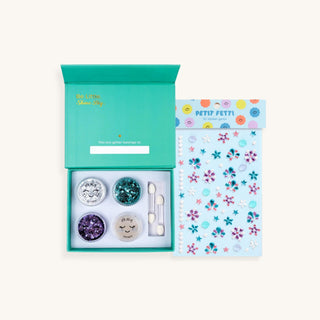
Looking for a gentle daily cleanser for tweens and teens? This fragrance-free foaming face wash helps remove dirt, oil, and buildup without leaving skin feeling tight or stripped.
Teen Skin Ultra Gentle Foaming Face Wash for Kids

$16.99
The Teen Skin Ultra Gentle Foaming Face Wash is designed specifically for teens and pre-teens, making skincare simple and safe from the start. This fragrance-free, oil-free formula creates a rich, airy foam that lifts away dirt, excess oil, and environmental pollutants… read more
A simple routine by age: how often, how much, and how to avoid over-washing
Once you’ve decided what age should kids start using face wash, consistency matters more than complexity. Most kids do best with a routine that takes under a minute.
- Start once daily (evening): Nighttime is ideal because it removes the day’s sunscreen, sweat, and dirt.
- Use lukewarm water: Hot water can contribute to dryness and irritation.
- Use a small amount: A pea- to dime-sized amount is plenty. More product doesn’t equal cleaner skin.
- Hands over washcloth (most days): Clean hands are usually gentler than repeated rubbing with cloths. A soft cloth is fine occasionally for messy days.
- Rinse thoroughly: Leftover cleanser can feel itchy or dry.
- Pat dry, don’t rub: This small habit can reduce irritation.
- Moisturize if needed: If skin feels tight or looks dry, add a simple, fragrance-minimal moisturizer. (This is especially helpful if you live in a dry climate.)
Patch test reminder: When introducing any new face wash, patch test on a small area (like along the jawline) for a few days before using it all over the face, especially if your child has sensitive skin.
Common scenarios parents run into (and what to do)
Families asking what age should kids start using face wash often have a specific situation in mind. Here are realistic adjustments that don’t require a 10-step routine.
“My kid wears sunscreen every day.”
Daily sunscreen is a great habit. If water alone isn’t removing it (skin feels coated, or you see residue near the hairline), a gentle cleanser in the evening is reasonable—even for younger kids. Focus on a mild, easy-rinse wash and keep it quick.
“Sports sweat and helmets are causing bumps.”
Sweat, friction, and occlusion can make skin feel congested. Have your child rinse soon after practice when possible and cleanse in the evening. If breakouts persist, consider professional guidance rather than jumping to harsh scrubs or strong acne systems.
“Makeup for dance/performances.”
If your child wears stage makeup occasionally, prioritize removing it fully on those days. A gentle cleanser may be enough; for heavier makeup, you might add a mild first step (like a gentle micellar water) followed by cleanser—then rinse well. Keep products away from the waterline and always patch test new removers.
“Sensitive, eczema-prone, or easily irritated skin.”
In these cases, less is more. Choose a fragrance-free, very gentle cleanser, use it only when needed, and moisturize after cleansing. If there’s frequent stinging, persistent rash, or worsening dryness, it’s smart to consult a clinician for individualized care.
Bottom line: what age should kids start using face wash (a practical checklist)
So, what age should kids start using face wash? Many kids can wait until the tween years for daily use, but some benefit earlier if sunscreen, sports, or makeup is part of life. The “right” time is when gentle cleansing supports comfort and hygiene—without making skin feel dry or irritated.
- If your child’s face is generally clean and comfortable: water + soft cloth is usually enough.
- If sunscreen/makeup/sweat isn’t rinsing off well: add a gentle evening face wash.
- If skin feels tight after cleansing: switch to a milder cleanser and/or add a simple moisturizer.
- If you’re unsure when should kids start using face wash: start with 1x daily (or a few nights per week) and adjust based on how skin feels.
- Always check labels, introduce one new product at a time, and patch test when appropriate.
When in doubt, choose the simplest gentle cleanser you can find, keep the routine short, and let your child’s skin (and consistency) guide the next step—because the best answer to what age should kids start using face wash is the one that keeps skin calm, clean, and easy to maintain.
For a deeper dive into safe skincare for kids, visit Safe & Non-Toxic Skincare for Kids to discover the best clean beauty products, DIY recipes, and tips for keeping your child’s skin healthy and toxin-free.

About the Author: This article was written by the contributing writers at Popsicle Beauty Club—a team of moms, educators, and clean beauty advocates passionate about creating a safer, more imaginative world for kids. We believe in empowering parents with trusted information and offering fun, non-toxic beauty and personal care products that let children play, express, and explore—without compromising their health.