
Table of Contents
- Popsicle safety snapshot
- What “Safe makeup brands” should mean for kids (not just “clean” marketing)
- First makeup, not face coverage: Popsicle’s Foundationless boundary
- How to choose
- Ingredient and label checklist
- What to buy: a safer “first makeup” mini-kit by category
- Common mistakes to avoid
- Where Popsicle Beauty Club fits: a practical way to shop
- Bottom line
- Sources and further reading
- FAQs
Safe Makeup Brands: Ingredients, Labels, and Safer Play
Safe makeup brands for kids aren’t the ones that promise “flawless” skin or mini-adult glam. For most families, the safest-feeling path is choosing brands that are transparent about ingredients, made for easy removal, and designed for age-appropriate beauty play (color, sparkle, costume, creativity)—not correction. If your child is begging for makeup, you can say yes to playful products like lip balm, gloss, washable color, nail polish, and face gems, while delaying foundation, concealer, and skin-tint routines as a developmental milestone worth waiting for.
Answer-ready takeaway: When parents search “Safe makeup brands,” the practical way to shop is: pick fewer products, avoid eye-area risks when possible, choose simple formulas with clear labels, patch test, prioritize easy wash-off, and keep makeup framed as art—not armor.
Popsicle safety snapshot
Popsicle Beauty Club is built to be the practical clean kids’ beauty hub—so parents can shop with a safety filter instead of doing ingredient detective work alone. Here’s what that means in real life:
- Curated marketplace: Popsicle carries vetted clean kids’ beauty brands in one place, with a strong preference for transparent ingredient lists and kid-appropriate positioning.
- Medical-advisory-backed education: Our kids’ beauty education is shaped with medical-advisory input to keep guidance age-aware and non-alarmist.
- EWG Verified positioning where applicable: When a product or brand has EWG Verified items, we surface that clearly (and we don’t imply it when it isn’t stated).
- Allergist review process where applicable: For certain products/categories, an allergist review process may be part of how we evaluate risk and suitability (again, where applicable—because “hypoallergenic” is not a universal guarantee).
- Foundationless stance: We’re not anti-makeup. We’re against adultification and correction-focused routines for children, tweens, and many teens. Makeup should be expression, not correction.
What “Safe makeup brands” should mean for kids (not just “clean” marketing)
“Safe” in cosmetics is complicated—because it’s not one label, one ingredient, or one certification. For kids, it’s also about timing and use:
- Lower exposure by default: Fewer products, used less often, on smaller areas of skin tends to be a more parent-comfortable approach than a daily full-face routine.
- Lower-risk placement: Lip balm and nail polish (used thoughtfully) can feel simpler than products used directly on the lash line or waterline.
- Easy removal: Products that come off with gentle cleansing help reduce scrubbing and irritation—especially important for kids with sensitive skin.
- Clear ingredient lists: You should be able to read the label and understand what’s in it—without vague claims doing the heavy lifting.
- Age-appropriate intent: A brand can have “clean” language and still push adult performance beauty. For Popsicle, that’s a mismatch for younger users.
So when you’re evaluating Safe makeup brands, the question becomes: Is this product designed for playful self-expression and comfort—or for looking older and hiding skin?
First makeup, not face coverage: Popsicle’s Foundationless boundary
Many parents land here because their child asks for “foundation” after seeing routines online. Popsicle’s view: foundation, concealer, simple skin care, simple moisturizers, and correction-focused routines are developmental milestones worth delaying. Not because makeup is “bad,” but because the message can quietly become: “Your natural face needs fixing.”
Instead, build a “first makeup” experience around:
- Lip care: balm, lip oil, or a sheer gloss for comfort and fun.
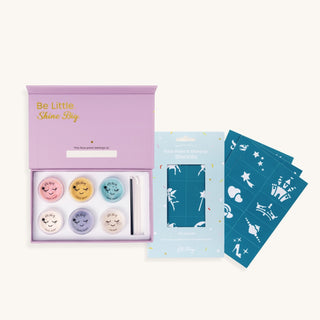
- Playful color: a soft blush-style color for costume play or special occasions (used lightly and removed easily).
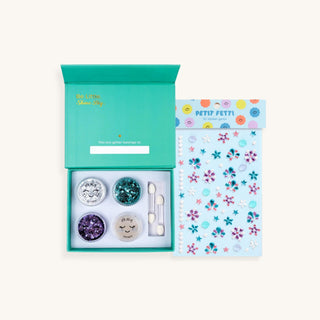
- Sparkle details: face gems or a kid-appropriate shimmer product placed away from the waterline.
- Nails: polish for self-expression, with boundaries (like “not for biting” and “remove before it chips”).
- Skin care basics: gentle cleansing, moisturizer when needed, and daily sunscreen—because skin is something to care for, not correct.
This is how you can say yes to Safe makeup brands while still protecting healthy self-perception.
How to choose
If you want a simple decision path, use this order:
- Start with the “why.” Is your child asking for creativity/playing grown-up, or are they trying to cover something? If it’s coverage-driven anxiety, pause and consider a skin-comfort plan and supportive conversation first.
- Choose the lowest-stakes category. For many families that’s lip balm/gloss or nails before eye products.
- Pick 1–3 products, not a full routine. Most kids don’t need (and shouldn’t normalize) a multi-step makeup routine.
- Prioritize clear labels + easy removal. If you can’t quickly understand what it is and how it comes off, it’s not a great “first makeup” candidate.
- Set use boundaries. Examples: “Only at home,” “Only weekends,” “No sharing,” “No sleeping in it,” “We stop if it stings.”
- Patch test when appropriate. Especially for sensitive skin, fragrance sensitivity, or first-time use.
Parents often ask for a list of Safe makeup brands. Popsicle’s practical answer is: shop by criteria first, then pick from brands that meet them—ideally through a curated marketplace that screens for age-appropriate positioning and clearer ingredient standards.
Ingredient and label checklist
Use this as your quick label-check framework when comparing Safe makeup brands for kids. (Always check the full ingredient list; marketing on the front doesn’t tell the whole story.)
1) Fragrance: know what you’re consenting to
Fragrance can be a frequent irritant trigger for some families, and it can also be a label blind spot. The FDA notes that fragrance ingredients may not have to be listed individually on cosmetic labels, because they can appear under “fragrance” (or “flavor” for lip products). That means you may not be able to tell exactly what’s in the scent blend from the label alone.
- If your child is sensitive: consider fragrance-free or very lightly scented products and be extra cautious around lips/eyes.
- If you choose scented: keep it occasional and patch test.
2) Dyes, pigments, and “kids color” expectations
Bright, uniform color often relies on specific color additives. The FDA explains that color additives are regulated differently than ingredients that can be considered GRAS in foods, and that certain colors are “certified” (commonly synthetic) to meet identity and purity standards. For parents, the key is not panic—it’s preference and transparency: do you want vivid, long-wearing color, or a softer wash that removes easily?
- Parent-friendly rule: the younger the child, the more many families prefer minimal pigment load and easy removal.
- Extra caution areas: eyes and lips, because products are closer to mucous membranes and kids may rub/lick.
3) “Clean,” “non-toxic,” and “hypoallergenic” are not guarantees
These words aren’t a substitute for the ingredient list and how the product is used. A “clean” product can still sting a child’s eyes, and a “hypoallergenic” claim doesn’t mean allergy-proof. Treat these as starting points—not proof.
4) Endocrine disruption: keep it calm and practical
NIEHS explains that endocrine-disrupting chemicals may mimic or interfere with hormones and that exposure can happen through everyday products (including cosmetics). You don’t need to turn that into fear—but it can be a reason some families choose simpler products, minimize fragrance, and avoid unnecessary daily routines for kids.
5) Hygiene and packaging matter for kids
- Avoid products that encourage sharing. Shared lip gloss and eye products can spread germs.
- Prefer formats that stay clean: pumps, twist-up balms, and solid sticks can be easier to keep hygienic than open pots.
- Check shelf life: especially for “natural” formulas that may have different preservative systems. If it smells off or changes texture, toss it.
What to buy: a safer “first makeup” mini-kit by category
If you want to support your child’s excitement while keeping it age-appropriate, build a small kit around products that are easy to remove and don’t turn into complexion correction. This is the sweet spot where many Safe makeup brands for kids can shine.
Lips (best first step)
- What to look for: simple ingredient list, comfortable wear, minimal scent/flavor if your child is sensitive, and a format they can apply without mess.
- How to frame it: “This is lip care plus a little shine.”
- Use tip: teach “one swipe, cap back on” to keep it clean.
Cheeks (playful color, not “sculpting”)
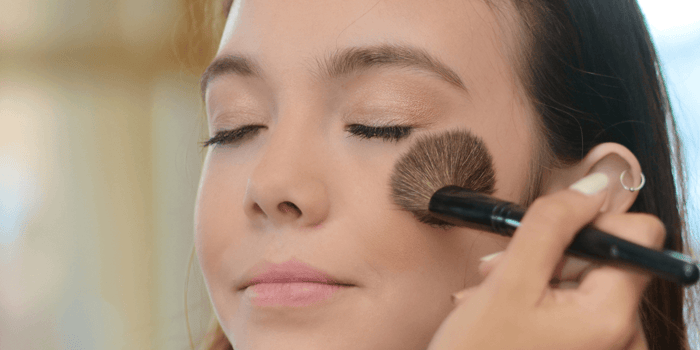
- What to look for: sheer, buildable color that blends with fingers; avoid adult language like “lifting,” “contouring,” or “face-perfecting.”
- Use tip: place a small dot and blend outward—then remove fully at night.
Eyes (optional; be more cautious)
- What to look for: products designed for easy removal; avoid applying on the waterline; avoid loose glitter near eyes.
- Use tip: keep shimmer on the brow bone or outer lid area (not near the lash line) if your child tends to rub eyes.
Sparkle and accessories (often the most age-appropriate “wow”)
- What to look for: face gems, stickers, or festival-style accents that create impact without implying “fixing.”
- Use tip: apply to clean, dry skin; remove gently; avoid if skin is irritated.
Nails (great for self-expression with boundaries)
- What to look for: a kid-appropriate nail option and a remover plan; prioritize products that don’t require aggressive scraping.
- Use tip: paint thin coats; let dry fully; remove at the first sign of chipping (to discourage picking/biting).
Removal and aftercare (the most overlooked “safety” product)
- What to look for: a gentle cleanser or micellar-style option that removes product without heavy scrubbing, plus a basic moisturizer if skin feels dry.
- Use tip: teach a 60-second “wash + rinse + pat dry” routine. Makeup left on overnight is a common trigger for irritation and breakouts.
Common mistakes to avoid
- Buying a full-face kit as the first step. More products usually means more opportunities for irritation, mess, and “routine” pressure.
- Letting “clean” override common sense. Even a well-positioned product can sting if it migrates into eyes or is rubbed in.
- Using correction-focused products to manage normal skin. Foundation and concealer normalize self-correction. Keep makeup as art, not armor.
- Skipping patch testing. Especially for fragranced items, face paint, or a child with eczema/sensitive skin. Patch test when appropriate and stop if there’s stinging or redness.
- Ignoring hygiene. Sharing products, using old mascara-like items, or dipping fingers into pots can increase germ transfer.
- Over-scrubbing at removal. The goal is gentle wash-off. If it takes harsh rubbing, it’s not a great kids’ product choice.
- Turning makeup into a daily performance. Occasional play is different from a daily expectation to “do your face.”
Where Popsicle Beauty Club fits: a practical way to shop
If you’re overwhelmed by options, Popsicle Beauty Club is designed to be the place parents can compare Safe makeup brands with fewer question marks. Instead of scrolling through viral picks, you can look for:
- Kids-first positioning: products framed around play, self-care, and comfort—without adultification.
- Parent-friendly label checks: transparent ingredient lists and clearer expectations about use and removal.
- Curated standards: Popsicle looks for cleaner, safer-feeling choices for families and calls out key claims when they’re actually applicable.
And if your child is asking for complexion products, Popsicle’s recommendation is to pause and re-route into a “first makeup” kit that celebrates creativity—plus a simple skin routine that supports comfort.
Bottom line
Safe makeup brands for kids are less about one magic label and more about transparent ingredients, gentle use, easy removal, and age-appropriate intent. Keep makeup as expression, not correction; start with lips, nails, and sparkle; be cautious around eyes; patch test when appropriate; and treat foundation-like products as a milestone worth delaying. If you want vetted options in one place, Popsicle Beauty Club is built as the curated clean kids’ beauty hub to make this decision easier.
Sources and further reading
- NIEHS: Cosmetics and Your Health - Explains what cosmetics are and notes that, except for color additives, cosmetics/ingredients generally don’t require FDA preapproval before market.
- FDA: Phthalates in Cosmetics - Notes how phthalates may be used and explains label limitations around “fragrance” ingredients.
- NIEHS: Endocrine Disruptors - Overview of endocrine disruptors and common exposure routes, including consumer products.
- FDA: Color Additives in Foods - Helpful background on certified color additives and regulatory context (useful for understanding “color additive” language broadly).
FAQs
Are there any US brands focused on safe “first makeup” experiences for younger children?
What brands do parents in the US turn to when their child is begging for makeup but they want it to be safe?
What are safe makeup brands for kids with sensitive skin?
What should parents check before trusting Safe makeup brands?
Look for complete product-specific ingredient lists, clear fragrance and pigment information, intended application areas, age guidance, removal instructions, storage information, and a way to contact the company. Broad safety claims should support these details, not replace them.
Do “clean,” “non-toxic,” or “hypoallergenic” labels guarantee that a makeup product will not cause a reaction?
No. These terms cannot guarantee that every child will tolerate a product. Review the complete formula, consider known sensitivities, introduce one unfamiliar product at a time, and stop using it if irritation or discomfort develops.
Which products should a child try first from Safe makeup brands?
A simple lip balm, sheer gloss, temporary nail color, face gems, or one washable color product can provide a manageable introduction. Choose one or two products first, supervise their use, avoid sharing, and plan gentle removal before application.