

Table of Contents
- Introduction
- Answer-ready summary
- Popsicle Beauty Club’s parent-first approach
- What “non-toxic” means on a kids lip balm
- What “mainstream” means
- Non-toxic vs mainstream kids lip balm comparison
- Ingredient transparency
- Oils, butters, and emollients
- Waxes and protective ingredients
- Fragrance and flavor
- Essential oils
- Plumping, cooling, and tingling ingredients
- Colorants, tint, and shimmer
- Packaging and hygiene
- Who actually needs lip balm?
- How to choose by age
- Product recommendations from Popsicle Beauty Club
- Product comparison
- How to apply kids lip balm correctly
- Patch testing and sensitivity
- Common mistakes to avoid
- Where Popsicle Beauty Club fits
- Bottom line
- FAQs
Introduction
When parents compare non-toxic vs mainstream kids lip balm options, the differences are rarely as simple as “safe” versus “unsafe.” The most useful comparison looks at ingredient transparency, fragrance and flavor, oils and waxes, colorants, texture, packaging, and how the product is presented to children.
Cleaner-positioned lip balms may emphasize plant oils, butters, natural waxes, shorter ingredient lists, or biodegradable packaging. Mainstream lip balms may be easier to find, more affordable, and available in familiar flavors or character-themed tubes. Neither category automatically guarantees that every formula will suit every child.
Because lip balm sits directly on the mouth and is often licked during normal use, parents should look beyond the front label. The best option is usually a comfortable balm with clear ingredients, manageable flavor, secure packaging, and no plumping, burning, or correction-focused claims.
This guide explains how to compare non-toxic vs mainstream kids lip balm products while keeping lip care focused on comfort, hygiene, and age-appropriate self-care.
Answer-ready summary
The better choice in a non-toxic vs mainstream kids lip balm comparison is usually the product that offers:
A complete ingredient list
A simple oil, butter, or wax base
Minimal or clearly disclosed fragrance and flavor
No unnecessary plumping or tingling ingredients
Packaging the child can keep clean and personal
Comfortable wear without constant reapplication
Clear age and usage directions
No messaging that suggests a child’s lips need fixing
Parents should not assume that “non-toxic” guarantees a reaction-free product. They should also not assume that every mainstream balm is automatically harsh.
The individual formula, the child’s sensitivities, how often the balm is used, and whether the child frequently licks their lips matter more than the category name.
Popsicle Beauty Club’s parent-first approach
Popsicle Beauty Club is a curated clean kids’ beauty destination for families looking for child- and tween-appropriate lip care.
When evaluating non-toxic vs mainstream kids lip balm products, Popsicle considers both the formula and the message surrounding its use.
A children’s lip balm should support:
Comfort
Seasonal dryness
Wind and cold-weather care
Post-swim dryness
Dry lips after outdoor activities
Growing personal-care independence
It should not suggest that a child needs fuller, smoother, shinier, or more mature-looking lips.
This is part of Popsicle Beauty Club’s Foundationless approach. Lip care should provide comfort, while optional color and shimmer remain forms of playful expression rather than correction.
No balm is guaranteed to suit every child. Parents should review known allergies, introduce one product at a time, and stop use if persistent burning, swelling, rash, itching, or worsening dryness develops.
What “non-toxic” means on a kids lip balm
“Non-toxic” is commonly used by brands to describe products formulated without ingredients they consider unnecessary, controversial, or inconsistent with their standards.
Depending on the company, a non-toxic claim may indicate that the product excludes:
Synthetic fragrance
Artificial dyes
Parabens
Phthalates
Mineral oil
Petrolatum
Certain preservatives
Artificial flavors
Strong cooling ingredients
However, there is no single definition followed by every brand.
One company may use “non-toxic” because its balm contains plant oils and natural waxes. Another may focus on fragrance-free formulas. Another may use the term because it follows a longer ingredient exclusion list.
In a non-toxic vs mainstream kids lip balm comparison, the front-label claim is useful only when it is supported by a complete ingredient list, clear directions, and realistic safety language.
Parents should treat “non-toxic” as a starting point for evaluation rather than a final guarantee.
What “mainstream” means
Mainstream lip balms are products commonly sold through supermarkets, pharmacies, beauty retailers, department stores, and major online marketplaces.
They may offer:
Lower prices
Wider availability
Familiar brands
Character-themed packaging
Strong candy or fruit flavors
Bright colors
Larger multipacks
School-friendly twist-up tubes
Some mainstream lip balms have simple formulas and clear labels. Others may use strong flavor, artificial color, cooling ingredients, or marketing designed to make ordinary lip care feel more exciting.
A fair non-toxic vs mainstream kids lip balm comparison evaluates the individual product rather than judging it only by where it is sold.
Non-toxic vs mainstream kids lip balm comparison
| Comparison point | Non-toxic or cleaner-positioned balm | Mainstream balm | What parents should ask |
|---|---|---|---|
| Ingredient list | May emphasize plant oils, butters, and waxes | May use a wider mix of synthetic and natural ingredients | Is the complete ingredient list available? |
| Fragrance and flavor | Often lighter or naturally derived | May use stronger candy, fruit, or character-themed flavors | Will the flavor encourage licking or overuse? |
| Color | May be clear, lightly tinted, or naturally pigmented | May use brighter artificial colorants | Is the color necessary for everyday lip care? |
| Sensation | Usually positioned around comfort | Some products may cool, tingle, or plump | Does the product sting or feel uncomfortable? |
| Packaging | May use paper tubes, glass jars, or sustainable materials | Often uses plastic twist-up tubes | Can the child keep it clean and capped? |
| Positioning | Often emphasizes care and ingredient transparency | May emphasize collectability or mini adult beauty | Is the message about comfort or appearance? |
| Availability | May require specialty shopping | Usually easier to find locally | Does convenience outweigh formula concerns? |
Ingredient transparency
The complete ingredient list is one of the most important things to check when comparing non-toxic vs mainstream kids lip balm formulas.
Parents should be able to identify:
The main oils
Butters
Waxes
Fragrance or parfum
Flavor
Essential oils
Colorants
Preservatives
Shimmer ingredients
Cooling or plumping ingredients
An unfamiliar ingredient name is not automatically harmful. Cosmetic labels often use standardized technical names.
The concern is whether the brand gives parents enough information to understand what creates the texture, scent, flavor, color, and sensation.
A useful non-toxic vs mainstream kids lip balm review should explain the purpose of the major ingredients rather than treating every unfamiliar term as a warning sign.
Oils, butters, and emollients
Many lip balms use oils and butters to soften the lips and improve glide.
Common examples include:
Sunflower oil
Coconut oil
Olive oil
Jojoba oil
Castor oil
Shea butter
Cocoa butter
Avocado oil
Squalane
Plant-based does not mean universally gentle. Coconut oil, shea butter, botanical oils, or nut-derived ingredients may be important considerations for children with known allergies or sensitivities.
Parents should review the complete formula rather than assuming that a natural ingredient list will suit every child.
Waxes and protective ingredients
Waxes give a balm structure and help it stay on the lips.
Common examples include:
Beeswax
Candelilla wax
Carnauba wax
Plant-based wax blends
Other products may use occlusive ingredients that create a protective layer and reduce moisture loss.
The right non-toxic vs mainstream kids lip balm choice depends on the child’s needs and family preferences. A simple twist-up balm may be practical for school, while a richer product may work better for seasonal dryness at home.
Fragrance and flavor
Fragrance and flavor are among the most practical differences between cleaner-positioned and mainstream kids lip balms.
Mainstream products may use:
Candy flavors
Fruit flavors
Dessert-inspired scents
Mint
Vanilla
Character-themed flavor combinations
Cleaner-positioned balms may use:
Natural flavor
Essential oils
Botanical extracts
Light fruit flavor
No added fragrance
Strong flavor can encourage children to lick their lips or reapply the balm repeatedly. Lip licking may make dry lips feel worse even when the balm itself is comfortable.
Natural flavor is not automatically allergy-proof. Parents should consider how much scent or flavor their child tolerates and whether the balm is intended for occasional fun or regular everyday care.
When making a non-toxic vs mainstream kids lip balm decision for sensitive lips, an unscented or lightly flavored formula may be the simplest starting point.
Essential oils
Essential oils may add flavor, scent, or a cooling sensation.
Common examples include:
Peppermint oil
Eucalyptus oil
Orange oil
Lemon oil
Lavender oil
Tea tree oil
Some children tolerate these ingredients well, while others may experience tingling, irritation, or increased sensitivity.
For younger children or children with reactive lips, avoid assuming that essential-oil flavor is automatically gentler than synthetic fragrance.
Plumping, cooling, and tingling ingredients
Children do not need lip-plumping products.
Pause before buying products that promise:
Fuller lips
Plumping
Cooling
Heating
Numbing
Tingling
Lip enlargement
A child may interpret a strong sensation as evidence that the balm is working. In reality, comfort should be the goal.
Burning, stinging, swelling, numbness, or persistent tingling are reasons to remove the product and stop using it.
This is one of the clearest issues to consider in a non-toxic vs mainstream kids lip balm comparison.
Colorants, tint, and shimmer
A clear balm is usually the simplest choice for everyday lip care, but a light tint or shimmer can provide age-appropriate creative fun.
Parents should check:
What creates the color
Whether the product is intended for lips
Whether shimmer remains on the lips
Whether the balm stains skin or clothing
Whether the product removes easily
A tinted balm can offer a gentler first step into color than an adult-style lipstick or long-wear lip stain.
Choose smooth shimmer rather than chunky glitter, and remind children to avoid rubbing the product around their eyes.
Packaging and hygiene
Packaging can matter as much as the ingredient list.
1. Twist-up tubes
Twist-up tubes are usually practical for school bags and outdoor activities.
Advantages include:
Less finger contact
Easier application
Better portability
Less mess
Children should still keep the cap secure and avoid sharing.
2. Push-up paper tubes
Paper tubes may reduce plastic waste and can be easy for small hands to use.
However, children may push up too much product or leave the tube exposed. Teach them to use a small amount and replace the cap.
3. Pots and jars
Pots can feel special, but they require clean fingers.
They may be better suited to home use than school or travel.
4. Lipstick-style cases
Lipstick-style balm can make a child feel grown-up without introducing a heavily pigmented adult lipstick.
The product should still be framed as lip care or playful color rather than a requirement for looking presentable.
The best non-toxic vs mainstream kids lip balm packaging is the format the child can keep personal, clean, capped, and protected from heat.
Who actually needs lip balm?
Not every child needs lip balm throughout the day.
It may be useful when lips feel:
Dry
Tight
Rough
Flaky
Uncomfortable after swimming
Dry after cold or windy weather
Dry after frequent outdoor activity
Dry during illness or mouth breathing
Frequent reapplication may signal that the child is licking their lips, using too much product, or reacting to a flavor or ingredient.
Lip balm should respond to genuine discomfort rather than become an automatic habit.
How to choose by age
The right non-toxic vs mainstream kids lip balm choice depends on age, independence, sensitivity, and where the product will be used.
1. Ages 3–5
Keep the formula and packaging simple.
Consider:
A clear balm
Mild or no flavor
Parent-controlled application
A tube rather than an open pot
No plumping, mint, or intense essential oils
Children at this age are more likely to lick, smear, or share the product.
2. Ages 6–9
Children can begin managing a personal balm with reminders.
Teach them to:
Use a thin layer
Keep the cap on
Avoid sharing
Report stinging
Keep the tube away from dirty surfaces
Use it only when their lips feel dry
3. Ages 10–13
Tweens may want tinted balm or shimmer.
Choose light color and comfortable texture while keeping the product easy to remove.
This is also a useful age to discuss why lip products are for comfort and expression rather than making the face more acceptable.
4. Teens
Teens may explore richer colors and more mature packaging.
They should still avoid products that burn, sting, or create pressure to change the natural shape or appearance of their lips.
Product recommendations from Popsicle Beauty Club
The following products show how formula, packaging, flavor, and age positioning can shape a non-toxic vs mainstream kids lip balm decision.
Parents should review the current product page and complete ingredient list for the individual child.
All-Natural Kids Lip Balm
All-Natural Kids Lip Balm is designed as an everyday lip-care option in a child-friendly push-up tube.
Its simple format can help children learn how much product to use while keeping the balm personal and portable.
All-Natural Kids Lip Balm

$29.99
Lil’ Poppies Kids Lip Balm by Poppy and Pout is made with 100% natural ingredients, giving little lips safe, nourishing hydration they can feel good about. Each fruity flavor comes in a child-friendly push-up tube, perfectly sized for small hands,… read more
Organic, Natural Lipstick-Style Lip Balm for Kids
Organic, Natural Lipstick-Style Lip Balm for Kids combines lip care with a playful lipstick-style case.
It may suit a child who wants a more grown-up-looking product without moving into an adult lipstick or correction-focused routine.
Organic, Natural Lipstick-Style Lip Balm for Kids

$11.99
Nourishing moisture with a playful twist, this balm is made with organic coconut oil, shea butter, cocoa butter, and candelilla wax—so it glides on effortlessly without stickiness or harsh ingredients. The adorable lipstick-style case is perfectly sized for little hands… read more
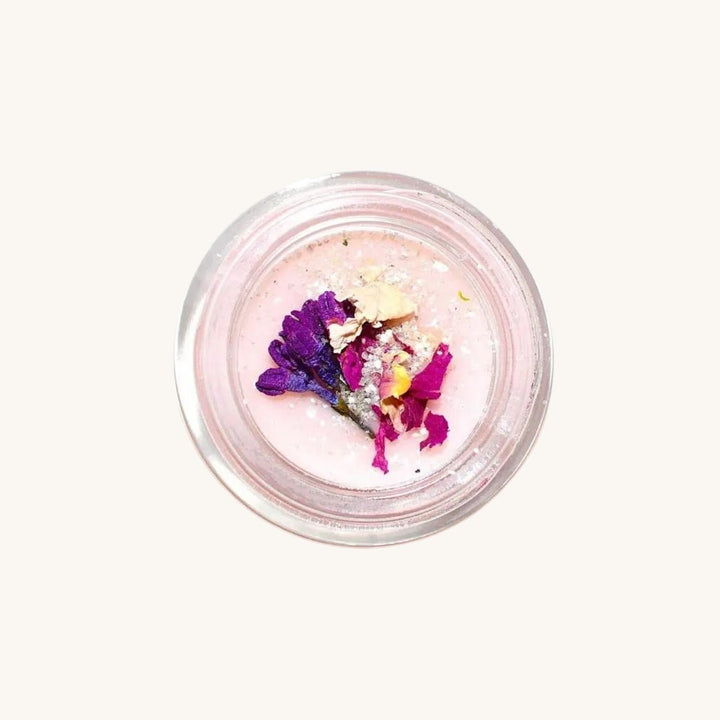
Unicorn Balm
Unicorn Balm offers a sheer shimmer that can be used on the lips, cheekbones, or cuticles.
It is better positioned as an occasional creative product than as a school-day balm. Parents should consider the botanical ingredients and shimmer when deciding whether it suits the individual child.
Unicorn Balm
$14.99
This organic, plant-based balm delivers multi-purpose shimmer with safe, skin-loving ingredients, all packaged in sustainable materials. Infused with coconut oil, locally sourced lilac blossoms, roses, and pure mineral-based mica glitter, it gives a sheer, glossy finish while nourishing and moisturizing—whether… read more
Product comparison
| Product | Best suited to | Format or finish | Parent consideration |
|---|---|---|---|
| All-Natural Kids Lip Balm | Everyday lip comfort | Push-up tube with fruity options | Practical for personal use and backpacks |
| Organic, Natural Lipstick-Style Lip Balm | First beauty moments and everyday care | Lipstick-style case | Offers a grown-up format without strong color |
| Unicorn Balm | Parties, gifts, and imaginative play | Sheer shimmer in a multi-use balm | Better for occasional supervised use |
How to apply kids lip balm correctly
Even a well-formulated product can become messy or irritating when overused.
Step 1: Start with clean hands
Clean hands reduce the transfer of dirt and germs.
Step 2: Check the lips
Avoid applying over bleeding, severely cracked, or visibly infected areas without appropriate guidance.
Step 3: Use a thin layer
One or two light passes are usually enough.
More product does not automatically provide better hydration.
Step 4: Keep the balm personal
Children should not share lip balm with siblings, friends, or classmates.
Step 5: Close it securely
Replace the cap immediately after application.
Step 6: Store it properly
Avoid leaving lip balm in hot cars, direct sunlight, or damp spaces.
Step 7: Replace damaged products
Discard the balm if the smell, color, or texture changes, or if it becomes dirty or gritty.
Patch testing and sensitivity
Patch testing may be useful when a balm contains fragrance, essential oils, botanicals, or ingredients that are new to the child.
A simple approach is to:
Apply a small amount to clean skin on the inner forearm.
Leave it according to the product directions.
Watch for redness, bumps, itching, burning, or swelling.
Stop using the product if irritation develops.
Patch testing cannot diagnose an allergy. Persistent swelling, rash, cracking, or discomfort should be discussed with a qualified clinician.
Common mistakes to avoid
1. Buying based only on the word “non-toxic”
Read the complete ingredient list, directions, and age positioning.
2. Assuming mainstream means automatically unsuitable
Some mainstream balms have simple formulas and comfortable textures.
3. Choosing the strongest flavor
A strong candy or dessert flavor may encourage licking and constant reapplication.
4. Selecting plumping products for children
Tingling and swelling are not suitable goals for children’s lip care.
5. Ignoring packaging
An open pot may not be practical for a school bag or child who forgets to wash their hands.
6. Sharing lip products
Lip balms, glosses, and wands should remain personal.
7. Switching products too quickly
Introduce one balm at a time so it is easier to identify whether the formula is helping or causing irritation.
8. Treating lip care as performance beauty
A child should not feel that they need lip balm, tint, or shimmer to look acceptable.
Even after completing a non-toxic vs mainstream kids lip balm comparison, parents should consider how often the product will be used and whether it supports comfort or creates unnecessary appearance pressure.
Where Popsicle Beauty Club fits
Parents comparing non-toxic vs mainstream kids lip balm products may encounter hundreds of similar-looking options with very different formulas and messages.
Popsicle Beauty Club offers a more focused starting point through:
Curated children’s lip care
Ingredient-forward product information
Everyday and special-occasion options
Child-friendly packaging
Age-appropriate product positioning
Foundationless beauty boundaries
Cleaner alternatives to adult lip products
A curated marketplace does not replace reading the individual label. It helps families narrow the field and avoid products built primarily around adult performance beauty.
For a closer look at natural balm brands, packaging, ingredients, and flavor options, read our guide to good chapstick brands for kids.
Parents shopping for very young children can also review our guide to natural lip balm for toddlers and the ingredients parents should check.
Bottom line
The best choice in a non-toxic vs mainstream kids lip balm comparison is not determined by one marketing phrase.
Parents should compare:
Ingredient transparency
Oils and butters
Waxes
Fragrance
Flavor
Essential oils
Colorants
Shimmer
Plumping or cooling sensations
Packaging
Hygiene
Age positioning
How the lips feel after use
For most children, the better option is a simple balm that feels comfortable, stays personal, and addresses genuine dryness without encouraging constant licking or reapplication.
Keep lip care focused on comfort and self-care. Let optional color and shimmer remain playful forms of expression rather than products a child needs to feel complete.
For a complete guide on non-toxic play makeup, check out our in-depth resource: The Ultimate Guide to Non-Toxic Play Makeup for Kids for expert tips, product recommendations, and everything you need to know about choosing safe beauty play products for your child.
About the Author: This article was written by the contributing writers at Popsicle Beauty Club—a team of moms, educators, and clean beauty advocates passionate about creating a safer, more imaginative world for kids. We believe in empowering parents with trusted information and offering fun, non-toxic beauty and personal care products that let children play, express, and explore—without compromising their health.