
Table of Contents
- 1) What “non toxic” should mean when you’re buying a non toxic face mask for kids
- 2) Age and skin needs: when a face mask is reasonable (and when it’s not)
- 3) Ingredient checklist: what to look for in a non toxic face mask for kids
- 4) Ingredient red flags (and why they’re common problems for kids)
- 5) Label and packaging clues: how to shop smarter in 60 seconds
- 6) How to use a non toxic face mask for kids safely (patch test + routine tips)
- 7) Build a simple routine: non toxic face wash for kids, masks, and play makeup
- Bottom line: how to choose a non toxic face mask for kids without overthinking it
- FAQs
Non Toxic Face Mask for Kids: A Safety and Ingredient Checklist Parents Can Actually Use
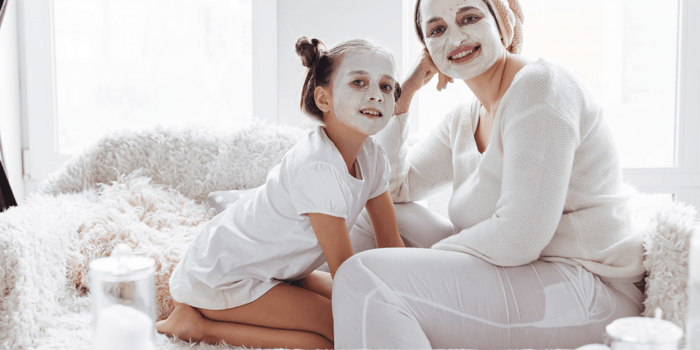
Kids don’t need complicated skincare, but they do love the idea of a “spa night.” If you’re shopping for a non toxic face mask for kids, your goal is usually simple: something gentle, easy to rinse, and unlikely to trigger irritation—without turning the bathroom into a chemistry experiment. The tricky part is that “non-toxic” isn’t a regulated label claim in skincare, so it’s less about buzzwords and more about reading the ingredient list, choosing age-appropriate formats, and using the product in a kid-friendly way.
This checklist is designed for beauty shoppers and parents who want practical guidance: what to look for, what to skip, and how to use a non toxic face mask for kids safely (including when to patch test and why it matters).
1) What “non toxic” should mean when you’re buying a non toxic face mask for kids
In the context of kids’ skincare, “non toxic” is best treated as shorthand for low-risk, low-irritant, and appropriate for sensitive, developing skin—not a promise that a product is “chemical-free” (everything is made of chemicals, including water) or guaranteed allergy-proof.
When evaluating a non toxic face mask for kids, prioritize:
- Gentle, rinseable formulas that don’t require aggressive scrubbing to remove
- Short wear times and clear directions
- Simple formulas (fewer potential triggers)
- Non-stinging, non-burning user experience (kids may not describe irritation clearly)
- Responsible scent choices (either fragrance-free or lightly scented with transparency on the label)
Also consider the whole routine. A mask is optional; a mild cleanser and moisturizer are usually the core. If masking is more about play and bonding, a hydrating, wash-off mask can be a safer “treat” step than strong exfoliating or acne-focused products.
2) Age and skin needs: when a face mask is reasonable (and when it’s not)
Most kids don’t need active-heavy treatments. Masking can be reasonable as an occasional, supervised activity when:
- Your child enjoys skincare as self-care and you want a simple, gentle product
- Skin is feeling dry (for example, in winter) and you’re choosing a hydrating wash-off mask
- You keep the routine short, calm, and consistent
Avoid or pause face masks—and talk to a qualified healthcare professional if needed—when there are persistent rashes, open sores, or significant ongoing irritation. For everyday parenting decisions, the practical takeaway is: if skin is reactive, keep it basic and avoid “fun” extras until it calms down.
For kids and tweens starting to get oily areas, it’s tempting to reach for “deep cleaning” products. With a non toxic face mask for kids, consider a gentle, oil-balancing mask only if it’s explicitly designed for sensitive skin and doesn’t rely on harsh exfoliation. In many cases, switching to a non toxic face wash for kids (and using it consistently) is the more effective, lower-risk step.
Before introducing masks, many families benefit from establishing a simple cleansing routine first. Before introducing masks, many families benefit from establishing a simple cleansing routine first. Our guide on when kids should start washing their face explains age-appropriate skincare habits from childhood through the teen years.
3) Ingredient checklist: what to look for in a non toxic face mask for kids
Use this as a shopping filter. You don’t need every “good” ingredient—just a formula that’s simple, soothing, and easy to rinse.
Kid-friendly, generally gentle ingredients to look for
- Humectants for hydration: glycerin, hyaluronic acid, beta-glucan
- Soothers: colloidal oatmeal, aloe (some kids can still react), allantoin, panthenol
- Barrier-supporting ingredients: ceramides, squalane
- Gentle clays in balanced formulas: kaolin is often milder than stronger, more drying clay blends (still watch for tightness)
Formats that tend to be easier and gentler
- Wash-off cream masks (hydrating, less mess)
- Gel masks (often soothing, but check for fragrance and strong botanicals)
- Sheet masks (convenient, but can include fragrance and may slide into eyes; use only with close supervision)
When you’re shopping for a non toxic face mask for kids, prioritize products that clearly state “rinse-off” and include a reasonable wear time (often 5–10 minutes for kids).
4) Ingredient red flags (and why they’re common problems for kids)
Not every ingredient below is “bad,” and many are used safely in adult products. The point is that kids’ skin can be more reactive, and kids are more likely to accidentally overuse a product or get it in their eyes. If you’re trying to keep your non toxic face mask for kids truly gentle, these are common “pause and evaluate” items:
- Strong exfoliating acids (AHA/BHA/PHA at unknown strengths): can sting and disrupt the skin barrier if overused
- Retinoids: not a typical “kid spa night” ingredient and easy to misuse
- High-fragrance formulas (including heavy perfume blends): more likely to irritate sensitive skin
- Essential oil-heavy formulas: can be irritating for some kids, especially in leave-on or strongly scented masks
- Warming/tingling agents: a “tingle” can feel scary or painful; kids may not know when to rinse
- Peel-off masks: can pull at delicate skin and encourage over-scrubbing around the nose/cheeks
- Physical abrasives (rough scrubs, large-grit particles): can cause redness, especially if a child rubs hard
It’s also worth scanning for multiple botanical extracts if your child has a history of sensitivity. “Natural” can still irritate—so “simple” usually wins.
5) Label and packaging clues: how to shop smarter in 60 seconds
You don’t need to be a cosmetic chemist to make a better choice. Here’s a quick, real-world label scan you can do in-store or online:
- Find the directions first. For a non toxic face mask for kids, you want clear rinse-off instructions, a short wear time, and warnings to avoid the eye area.
- Look for fragrance disclosure. “Fragrance-free” is often easier for sensitive skin. If it is scented, check if the brand is transparent about fragrance allergens or if fragrance is high on the ingredient list.
- Count the “actives.” More actives usually means more chances to irritate. For kids, simpler formulas are often the best choice.
- Choose hygienic packaging. Pumps and squeeze tubes reduce contamination compared to open jars (especially in households where multiple kids dip fingers in).
- Check the intended user. Some products are marketed as “gentle,” but still designed for adult acne routines. If the vibe is “intense detox peel,” it’s probably not the right pick.
And remember: “dermatologist tested,” “clean,” and “non-toxic” are marketing phrases, not guarantees. Use them as supporting details, not the main decision-maker.
6) How to use a non toxic face mask for kids safely (patch test + routine tips)
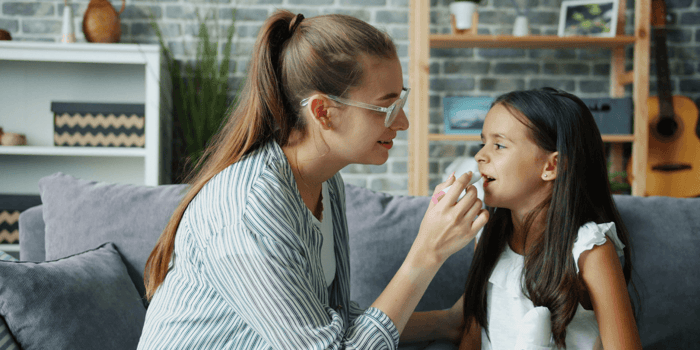
Even a gentle product can cause irritation for a specific child. The most parent-proof safety step is to patch test before full-face use, especially if your child has sensitive skin, eczema tendencies, or seasonal allergies.
Simple patch test method (at home)
- Apply a small amount of the mask to a discreet area (like the inner forearm).
- Follow the same timing as the directions (for example, 5–10 minutes), then rinse.
- Watch the area for the rest of the day and the next day for redness, bumps, itchiness, or dryness.
If there’s any concerning reaction, stop using it and consider choosing a simpler formula. If your child has persistent irritation, consult a qualified healthcare professional for personalized advice.
Kid-friendly application rules
- Supervise closely. Kids may wander, touch their face, or rub their eyes.
- Avoid eyes, nostrils, and lips. Those areas are more reactive and more likely to sting.
- Keep it short. Even if the label says 15 minutes, many kids do better with 5–8 minutes.
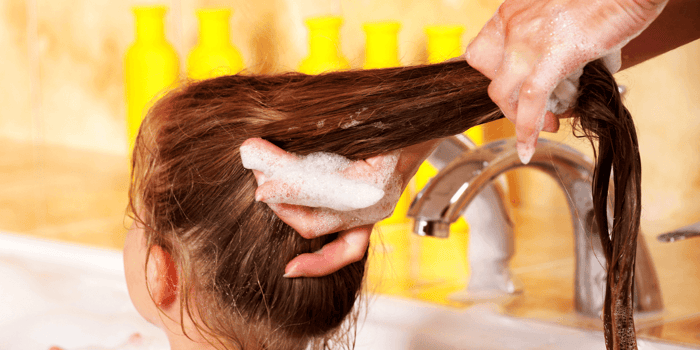
- Rinse gently. Use lukewarm water and soft hands (or a soft washcloth) without scrubbing.
- Moisturize after. A simple, fragrance-free moisturizer can help reduce post-rinse dryness.
Frequency matters. For most families, a non toxic face mask for kids works best as an occasional activity (think: once a week or less), not a daily step.
7) Build a simple routine: non toxic face wash for kids, masks, and play makeup
If your child is interested in skincare, the best results usually come from a basic routine done consistently, not from “stronger” products. Here’s a practical structure:
Step 1: Cleanse (most important)
A non toxic face wash for kids should feel comfortable: no tightness after rinsing, no stinging, and no strong perfume. If you’re searching for the best non toxic face wash for kids, look for a gentle cleanser with clear directions, minimal fragrance, and a rinse-clean finish. For many kids, once nightly cleansing is enough (plus after sports or heavy sunscreen days).
Step 2: Mask (optional, occasional)
Use your non toxic face mask for kids on a calm-skin day, not when skin is already irritated. Keep the timing short, rinse thoroughly, and moisturize after.
Looking for a product that can do both jobs? Moon Jelly Gel Cleanser Mask by Caley Cosmetics works as a gentle daily cleanser and an occasional mask, making it an easy option for families who want a simple skincare routine without filling the bathroom with multiple products.
Moon Jelly Gel Cleanser Mask

$29.99
Moon Jelly Gel Cleanser Mask is the ultimate face cleanser for teens, bringing the best of the ocean to your daughter’s skincare routine with a formula rich in vitamins, minerals, and nourishing seaweed extract. Probiotics strengthen the skin barrier, niacinamide… read more
Step 3: Moisturize (simple and boring is good)
Choose a straightforward moisturizer that doesn’t compete with the mask’s ingredients. For kids, consistency matters more than a long ingredient list.
What about “dress-up” products like face paint and makeup?
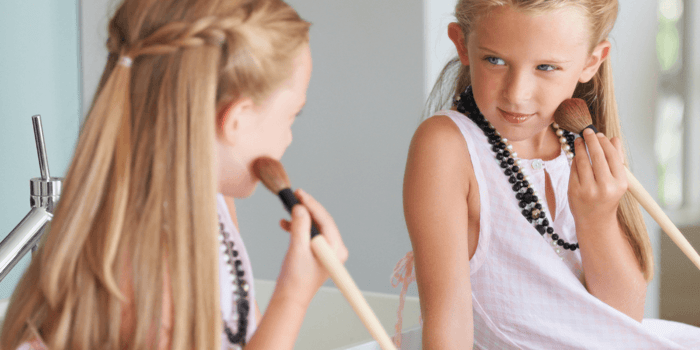
If your child also loves glam and costumes, the same ingredient awareness applies. When shopping for the best non toxic face paint for kids, prioritize products intended for skin (not craft paint), with clear removal instructions and a plan to cleanse gently afterward. For non toxic makeup for kids or non toxic kids makeup, look for simple formulas, avoid the waterline/eye area if your child is sensitive, and remove everything fully at the end of the day with a gentle cleanser (often the same non toxic face wash for kids you use nightly).
One practical tip: if you’re adding face paint or makeup on the same day as a mask, keep the mask for another day. Layering multiple products increases the chance of irritation and makes it harder to tell what caused it.
Bottom line: how to choose a non toxic face mask for kids without overthinking it
The best non toxic face mask for kids is usually the one that’s gentle, rinseable, and boring in the best way: short ingredient list, minimal scent, no harsh exfoliation, and clear directions you can follow with a child. Read labels, avoid peel-off and “tingly” formulas, and keep wear time short. Patch test before first use, supervise application, and moisturize after. If you build the routine around a gentle cleanser—your go-to non toxic face wash for kids—a non toxic face mask for kids becomes a fun, low-stress extra rather than a risky experiment.
For a deeper dive into safe skincare for kids, visit Safe & Non-Toxic Skincare for Kids to discover the best clean beauty products, DIY recipes, and tips for keeping your child’s skin healthy and toxin-free.

About the Author: This article was written by the contributing writers at Popsicle Beauty Club—a team of moms, educators, and clean beauty advocates passionate about creating a safer, more imaginative world for kids. We believe in empowering parents with trusted information and offering fun, non-toxic beauty and personal care products that let children play, express, and explore—without compromising their health.