
Table of Contents
- Introduction
- Answer-ready summary (for parents in a hurry)
- Popsicle safety snapshot
- What “natural” means (and doesn’t mean) in kids’ beauty
- Age-appropriate guide: what to buy now vs. what to delay
- How to choose
- Ingredient and label checklist
- A gentle starter routine (including “natural skin care for 10 year old”)
- Safer shimmer and glitter: what to look for (and how to use it)
- Common mistakes to avoid
- Where Popsicle Beauty Club fits: consistent standards across makeup + skincare
- Bottom line
- Sources and further reading
- FAQs
Introduction
Natural makeup and skin care can be a smart direction for families—but only if you treat “natural” as a starting point, not a safety guarantee. The most parent-helpful approach is: keep routines simple, choose products with transparent ingredient lists, prioritize gentle basics (cleanser, moisturizer, sunscreen when needed), and keep makeup in the “art and play” lane (lip balm, sheer color, nail color, face gems) instead of complexion correction.
Popsicle Beauty Club’s view is clear: we’re not anti-makeup. We’re against adultification, performance beauty, and correction-focused routines reaching kids too early. Foundation, concealer, simple skin care, simple moisturizers, and correction-focused routines are developmental milestones worth delaying for most children, tweens, and many teens. Kids deserve makeup as art, not armor—and skin care as comfort and hygiene, not “fixing.”
Answer-ready summary (for parents in a hurry)
- Define the goal: everyday comfort (cleanser/moisturizer), sun protection, or playful color—don’t buy “adult problem-solving” products for kids.
- Choose fewer products: simpler routines usually mean fewer opportunities for irritation.
- Prioritize label clarity: avoid mystery “fragrance” if your child is sensitive; prefer straightforward ingredient lists.
- Delay correction-focused products: for kids and most tweens, skip foundation/concealer/simple skin care; treat them as later milestones.
- Make shimmer safer: keep sparkle off the waterline, apply with clean hands/brushes, and remove gently and fully.
- Patch test when appropriate: especially for new products, around eyes/lips, or if your child has reactive skin.
Popsicle safety snapshot
Popsicle Beauty Club is a practical clean kids’ beauty hub for parents who want safer, vetted options in one place—without turning childhood into an adult beauty routine. When families shop for natural makeup and skin care, this curated approach can make it easier to compare ingredient transparency, age-appropriate product design, and everyday practicality without relying on marketing claims alone.
- Curated marketplace: Popsicle carries a curated selection of kids’ beauty, skincare, makeup, hair care, nail care, fragrance, and wellness from vetted brands (we don’t pretend we manufacture partner products).
- Ingredient-first standards: we prioritize ingredient transparency and parent-friendly label checks, so you can compare options more easily.
- Medical-advisory-backed education: our kids’ beauty education is designed to be practical and development-aware (not alarmist), with medical advisory input behind the guidance.
- EWG Verified positioning where applicable: when a product is actually EWG Verified, we treat that as a useful signal—not a blanket promise for the whole category.
- Allergist review process where applicable: we aim to apply extra scrutiny where it makes sense, while still reminding families that individual sensitivities vary.
What “natural” means (and doesn’t mean) in kids’ beauty
“Natural” is not a regulated, universal promise in cosmetics. Two products can both call themselves natural and still differ dramatically in fragrance load, botanical extracts, essential oils, colorants, preservatives, and potential irritants. That’s why Natural makeup and skin care shopping works best when you focus on:
- Transparency: can you see a full ingredient list, clearly?
- Purpose: is this product meant for gentle cleansing/hydration and age-appropriate play—or does it push adult outcomes?
- Skin tolerance: does your child do better with fragrance-free, or are botanicals okay for them?
- Ease of removal: especially for anything sparkly or long-wearing near eyes and lips.
For kids, “better” usually looks like less: fewer steps, fewer actives, fewer scent layers, fewer “fix my face” messages.
Age-appropriate guide: what to buy now vs. what to delay
Parents often search Natural makeup and skin care because a child is asking for products they see online. The parent-friendly boundary is to separate care (hygiene, comfort, sun protection) from correction (covering, concealing, “perfecting”). A balanced approach to natural makeup and skin care keeps those purposes distinct: skin care should support comfort and healthy habits, while makeup should remain a form of creativity and age-appropriate self-expression.
Ages ~5–9 (kids)
- Good fits: gentle cleanser (or just water when appropriate), simple moisturizer for dryness, lip balm, playful nail color (with adult help), occasional costume-style color play.
- Usually skip: multi-step skincare, strong exfoliants, anti-acne systems, anti-aging language, and anything that implies their face needs “fixing.”
Ages ~10–12 (tweens)
- Good fits: a simple routine (cleanse + moisturize; sunscreen in the daytime), lip balm/gloss, a sheer blush or fun eyeshadow used occasionally, nail art.
- Delay: foundation, concealer, simple skin care, simple moisturizers, and correction-focused routines. If a tween is asking for coverage, it’s usually a cue for a conversation about feelings and a simpler skin-comfort plan. For more practical guidance on introducing color without building an adult-style routine, explore our age-appropriate makeup tips for preteens, including advice on gentle products, hygiene, makeup removal, and keeping beauty focused on self-expression.
Teens
- Good fits: still keep skincare simple; add targeted products only if there’s a real need (oiliness, breakouts, sensitivity) and the routine is tolerated.
- Still a watch-out: daily “masking” of the face can turn makeup into armor. Even with teens, the goal is confidence and comfort, not perfection pressure.
If your child has persistent rash, irritation, or acne that’s affecting their wellbeing, consider guidance from a qualified clinician. Makeup should not be the solution to a medical skin issue.
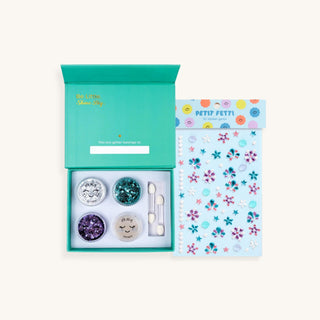
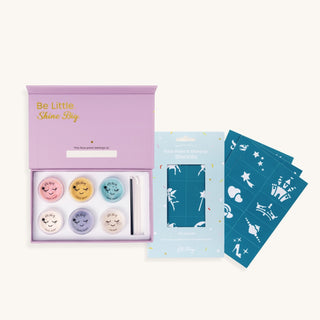
When a child is ready to explore makeup through supervised creative play, a small, age-appropriate set can be easier to manage than assembling products from an adult beauty aisle. The Natural Kids Play Makeup Kit is the type of option that supports the approach described here: playful color and self-expression without making complexion coverage or correction the focus.
Natural Kids Play Makeup Kit
$34.99
$40.99
Looking for a clean beauty gift that’s safe, fun, and worry-free? This natural play makeup kit lets little ones explore color and creativity with non-toxic, skin-friendly formulas parents trust. Each kit includes vibrant loose powder eyeshadows, soft blush, lipstick, and… read more

How to choose
Use this quick decision path before adding anything to cart—especially when shopping Natural makeup and skin care for a child or tween.
- Start with the “why.” Is this for hygiene (cleanser), comfort (moisturizer), sun protection, a special-occasion look, or everyday “because TikTok”?
- Choose the smallest routine that solves the problem. Dry cheeks: moisturizer. Oily T-zone: gentle cleanser. Chapped lips: balm. You don’t need a 10-step system.
- Decide the makeup boundary. Popsicle’s rule: keep makeup in the expression lane. Say yes to playful color; say “not yet” to coverage and concealment.
- Pick format for lower mess + easier removal. For kids, creamy balms and washable color tend to be easier than long-wear formulas.
- Consider fragrance tolerance. If your child gets headaches, stinging, or redness easily, choose fragrance-free when possible and avoid layering scented products.
- Plan for removal. If you can’t remove it gently, it doesn’t belong in a kid’s routine—especially around eyes.
Popsicle pro-tip: When you shop within Popsicle Beauty Club’s curated marketplace, you can compare vetted, kid-appropriate brands in one place and keep your standards consistent across both makeup and everyday skin care.
Ingredient and label checklist
Here’s what to actually check on labels when buying Natural makeup and skin care for kids and tweens. This isn’t about fear—it’s about reducing avoidable irritation and confusion.
- Fragrance: If the ingredient list includes “fragrance” (or “parfum”), remember you may not see every fragrance component disclosed. The FDA notes that individual fragrance ingredients generally don’t have to be listed separately on cosmetic labels, which can make it harder for sensitive families to identify triggers.
- Essential oils and botanical extracts: These can smell “natural” and still bother reactive skin. If your child is sensitive, fewer botanicals is often better.
- Strong actives (for young skin): Be cautious with frequent exfoliants or strong acne-style routines for tweens unless there’s a real need and the skin tolerates it.
- Colorants and dyes: Bright colors are fun; you just want clear labeling and a brand that’s transparent about pigments. (If you’re trying to avoid certain synthetic dyes across the household, keep that standard consistent in cosmetics too.)
- Glitter/shimmer placement: Anything sparkly near eyes raises practical concerns: migration into eyes, rubbing, and harder removal. Choose products designed for the face/eyes and use them with rules (see the shimmer section below).
- Preservatives: Preservatives aren’t automatically “bad”—they can help prevent microbial growth. The goal is a formula that’s well-preserved and well-tolerated, not a product that spoils quickly.
Patch test reminder: For new products, consider patch testing when appropriate—especially for sensitive skin and anything used near eyes or lips. Introduce one new product at a time so you can tell what caused a reaction if one happens.
A gentle starter routine (including “natural skin care for 10 year old”)
Parents searching “natural skin care for 10 year old” typically want a routine that feels grown-up but stays gentle. A development-friendly routine keeps the focus on comfort, cleanliness, and skin barrier support. If you would like more guidance on turning these basics into consistent daily habits, our guide to building an easy kids skincare routine explains gentle cleansing, moisturizing, and sun protection in more detail. At this age, natural makeup and skin care should remain simple enough for a parent to understand, supervise, and adjust if a product causes dryness, discomfort, or irritation.
Morning (2 steps + sunscreen when needed)
- Cleanse: If skin isn’t oily, a gentle cleanse (or just water) can be enough. Over-cleansing can create dryness and irritation.
- Moisturize: A simple moisturizer helps with dryness and can reduce the urge to pick at skin.
- Sunscreen: If your child will be outdoors, choose an appropriate sunscreen and apply as directed.
Night (2 steps)
- Remove makeup gently: If they wore makeup, remove it fully—especially around the eyes. No harsh scrubbing.
- Moisturize: Keep it consistent, not complicated.
Where makeup fits: lip balm or gloss, a little fun color for play, and nail color for self-expression. This is the Popsicle line: beauty as expression, not correction.
Safer shimmer and glitter: what to look for (and how to use it)
One of the most common parent questions is: “Which brands make the least irritating glitter or shimmer makeup for children’s delicate skin?” Any glitter or shimmer can be irritating if it migrates into eyes or if removal requires aggressive rubbing—so the “least irritating” choice is usually about format, placement, and hygiene, not a magical ingredient.
- Prefer shimmer over chunky glitter for the eye area; chunkier particles are more likely to flake or migrate.
- Avoid the waterline and inner corner where particles can travel into the eye more easily.
- Use a clean applicator (or clean fingers) and don’t share products to reduce irritation risk.
- Choose easy-removal formulas so you’re not scrubbing delicate skin.
- Set a “sparkle rule” for younger kids: sparkle is for parties, dress-up, dance recitals—more occasional than daily.
If your child’s eyes get red or watery with shimmer products, that’s your signal to pause and simplify. Consider switching to face gems placed away from eyes or nail sparkle instead.
Common mistakes to avoid
- Buying “natural” without reading the ingredient list. “Natural” marketing can hide heavy fragrance, lots of botanicals, or formats that are hard to remove. Even when products are marketed as natural makeup and skin care, thoughtful shopping and simple routines still matter. The following mistakes can make an otherwise gentle approach more complicated or irritating than it needs to be.
- Turning skincare into a performance. A 10-step routine is rarely appropriate for kids; it can also increase irritation.
- Using makeup to cover normal skin. Foundation/concealer/simple skin care habits can teach correction-focused beauty too early. Delay these milestones when you can.
- Letting sparkle become everyday eye makeup. Daily shimmer near eyes + imperfect removal is a common irritation setup.
- Introducing multiple new products at once. If irritation happens, you won’t know what caused it.
- Ignoring hygiene. Shared lip products, dirty brushes, and sleeping in makeup are bigger practical problems than most parents expect.
Where Popsicle Beauty Club fits: consistent standards across makeup + skincare
Many families end up mixing random products from different stores—one “clean-ish” lip gloss here, one scented moisturizer there—without a consistent standard. Popsicle Beauty Club is designed to be the clean kids’ beauty hub where you can shop by kid-appropriate intent: gentle basics, age-appropriate beauty play, and clearer label expectations.
- If you want one place to compare options: shop within Popsicle’s curated marketplace so you’re not doing label detective work across dozens of tabs.
- If your child is asking for a “starter kit”: build it around cleanser + moisturizer + lip care, then add one playful color item (not coverage).
- If you’re trying to reduce irritation risk: choose simpler formulas, be cautious with fragrance, and keep sparkle away from eyes.
That’s how we think about Natural makeup and skin care: not as a trend, but as a practical, standards-based way to shop for childhood.
Bottom line
Natural makeup and skin care is most helpful for kids when it stays simple, transparent, and age-appropriate. Focus on gentle basics, patch test when appropriate, and keep makeup in the creativity lane—lip balm, playful color, nail art, and special-occasion sparkle used carefully. Delay correction-focused products as a developmental milestone, and use Popsicle Beauty Club as your curated shortcut for comparing vetted, cleaner, kid-appropriate options in one place.
Sources and further reading
- NIEHS: Cosmetics and Your Health - Helpful context on what counts as a cosmetic and how cosmetics are regulated in the U.S.
- FDA: Phthalates in Cosmetics - Explains how phthalates may be used and why “fragrance” labeling can limit what you can see on an ingredient list.
- Parents: Tweens are buying adult skincare, but derms recommend these products - Parent-friendly dermatologist framing around simple, gentle routines for young skin.
For a complete guide on non-toxic play makeup, check out our in-depth resource: The Ultimate Guide to Non-Toxic Play Makeup for Kids for expert tips, product recommendations, and everything you need to know about choosing safe beauty play products for your child.
For a deeper dive into safe skincare for kids, visit Safe & Non-Toxic Skincare for Kids to discover the best clean beauty products, DIY recipes, and tips for keeping your child’s skin healthy and toxin-free.
About the Author: This article was written by the contributing writers at Popsicle Beauty Club—a team of moms, educators, and clean beauty advocates passionate about creating a safer, more imaginative world for kids. We believe in empowering parents with trusted information and offering fun, non-toxic beauty and personal care products that let children play, express, and explore—without compromising their health.